
Overview of Formwork Materials
Definition of Formwork – Understanding what formwork is and its role in construction
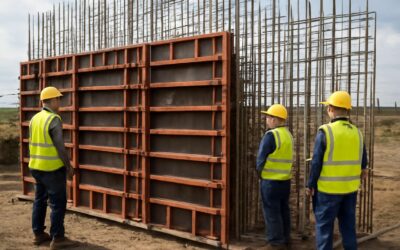
In the shadowed corridors of construction, where concrete dreams are forged into reality, the question often lingers: which material is used for formwork? This essential element acts as the silent guardian of structural integrity, shaping the very skeleton of our built environment. Formwork’s role is pivotal—crafting temporary enclosures that hold the wet concrete in place until it gains strength, much like a dark muse guiding the artist’s hand.
Understanding what formwork is helps illuminate its significance. It’s a mould, a fleeting shell that defines the contours of a new structure. The choice of material transforms this ephemeral construct into a macabre dance of durability and finesse. Typically, materials like timber, steel, and specialised plastics are employed, each whispering their own secrets of strength and flexibility. The question of which material is used for formwork depends on factors such as project scale, cost, and environmental conditions.
- Timber: The traditional, versatile option, offering ease of use and a warm, natural aesthetic.
- Steel: The robust, enduring choice, ideal for high-rise projects and repeated use.
- Plastic: The modern marvel, lightweight and resistant to the corrosive elements of wet concrete.
Importance of Choosing the Right Material – Factors influencing material selection for formwork
The choice of which material is used for formwork can significantly influence the success and sustainability of a construction project. With the global emphasis on efficiency and environmental responsibility, understanding the factors that guide this decision becomes more crucial than ever. It’s not merely about selecting a durable substance; it’s about aligning material properties with project demands, environmental conditions, and economic considerations.
Key elements that impact the selection include the scale of the project, budget constraints, and the desired finish quality. For instance, timber offers versatility and ease, making it ideal for custom, small-scale builds. Steel, with its resilience and capacity for repeated use, suits high-rise developments where longevity and strength are paramount. Meanwhile, plastic formwork introduces a lightweight, corrosion-resistant alternative, perfect for projects demanding swift assembly and dismantling.
By understanding which material is used for formwork, builders can optimise their resources and achieve superior results—whether that means durability, cost-efficiency, or environmental sustainability. After all, the materials chosen echo the very ethos of modern construction: innovation meeting tradition in the silent dance of form and function.
Common Materials Used for Formwork
Plywood – Properties, advantages, and typical applications
When it comes to choosing which material is used for formwork, plywood remains a dominant choice due to its impressive blend of properties. Known for its durability and strength, construction-grade plywood can withstand concrete pressure and repeated use without warping or splintering. This resilience makes it ideal for forming complex structures that demand precision and stability.
One of the key advantages of plywood is its smooth surface, which results in a superior finish on the cast concrete. Additionally, it’s lightweight compared to other materials, simplifying handling and installation on busy construction sites. Its versatility allows it to be customised easily, fitting a variety of mould shapes and sizes.
Commonly, plywood used in formwork is treated with water-resistant adhesives to enhance its longevity. For projects requiring multiple reuses, selecting marine-grade plywood can significantly extend the lifespan. In essence, understanding which material is used for formwork can make all the difference between a flawless structure and costly setbacks.
Timber – Types of timber used and its benefits
When exploring which material is used for formwork, timber remains a timeless and trusted choice among construction professionals. Its natural strength and flexibility make it an ideal component for creating moulds that demand precision and durability. Timber’s ability to withstand the immense pressure of concrete while maintaining a smooth surface is what sets it apart in the realm of formwork materials.
Among the types of timber used, structural-grade softwoods such as pine, spruce, and fir are most common. These woods are often treated for enhanced water resistance, which is critical in demanding construction environments. For projects requiring multiple reuses, engineered timber options like laminated veneer lumber (LVL) provide added stability and longevity.
Some of the benefits associated with timber as a formwork material include ease of handling, customisation flexibility, and cost-effectiveness. Its natural texture and predictable behaviour under load make it a favourite for intricate moulds and complex architectural features. The question of which material is used for formwork is often answered with timber — a material that combines tradition with innovation in the building industry.
Steel – Durability, strength, and reuse potential
Steel remains a heavyweight champion in the realm of formwork materials, especially when durability and strength are non-negotiable. Its robustness allows for the construction of large-scale projects where precision and safety are paramount. Steel formwork can withstand the immense pressure of wet concrete without bending or breaking a sweat — or even a hair. Plus, its reuse potential is practically limitless, making it an eco-friendly choice that doesn’t compromise on performance.
What makes steel stand out? Its ability to be fabricated into various shapes and sizes allows for custom solutions. The smooth surface finish not only results in cleaner concrete pours but also reduces the need for extensive finishing work later. For those who value longevity and a high return on investment, steel is often the material of choice when asking which material is used for formwork. Its resilience and reusability make it a staple in demanding construction environments, proving that sometimes, strength really does come in metal.
Aluminum – Lightweight features and ease of handling
Among the pantheon of formwork materials, aluminium has carved out a niche where lightweight agility meets impressive durability. Its featherweight profile makes handling a breeze, transforming what could be a Herculean task into practically a walk in the park. This ease of manipulation is especially advantageous in complex projects where precision and speed are paramount. Aluminium formwork not only saves labour time but also reduces the strain on construction crews, making it a favourite among modern builders.
What truly sets aluminium apart is its resistance to corrosion and wear. Unlike timber or steel, aluminium can endure the rigours of site conditions without succumbing to the elements, ensuring longevity and repeated reuse. For those pondering which material is used for formwork that offers both flexibility and robustness, aluminium ticks all the boxes. Its seamless adaptability makes it an ideal choice for intricate moulds and customised shapes, elevating the craftsmanship of any construction endeavour.
In essence, aluminium formwork embodies the perfect synthesis of lightweight convenience and formidable strength. Whether for small-scale residential projects or grand architectural feats, it consistently demonstrates why this material is gaining ground in the realm of formwork solutions. So, if you’re contemplating which material is used for formwork that combines ease with endurance, aluminium should definitely be on your shortlist.
Plastic and Polymeric Materials – Innovations and suitability for specific projects
In the ever-evolving landscape of construction, innovation often hinges on the materials chosen for foundational elements like formwork. Among these, plastic and polymeric materials have emerged as intriguing alternatives, heralding a new era of flexibility and efficiency. Their lightweight nature, combined with resistance to moisture and chemicals, makes them particularly suitable for specialised projects requiring intricate detailing or rapid assembly. These materials can be moulded into custom shapes with precision, offering unparalleled adaptability for complex architectural designs.
What sets plastic and polymeric formwork apart is their potential for reuse and environmental sustainability. Unlike traditional timber or steel, many of these materials are recyclable, reducing waste and lowering long-term costs. For projects demanding rapid turnover or repeated use, polymer-based formwork can be a game-changer, especially when durability and ease of installation are paramount. As the industry leans toward innovative solutions, understanding which material is used for formwork—particularly plastics—is vital for construction professionals eager to optimise both project timeline and structural integrity.
Fiber-Reinforced Plastic (FRP) – Corrosion resistance and performance features
Among the array of innovative materials transforming modern construction, Fiber-Reinforced Plastic (FRP) stands out as a material of exceptional performance. Its rising popularity can be attributed to its remarkable corrosion resistance—an attribute that prolongs the lifespan of formwork in aggressive environments. Unlike traditional materials prone to rust and decay, FRP maintains its structural integrity over time, ensuring reliable results even in challenging weather conditions or chemical-rich settings.
What makes FRP particularly intriguing is its composite nature. Reinforced with fibres such as glass or carbon, this material offers impressive strength-to-weight ratios, making it easier to handle and install. Its performance features not only include durability but also a low coefficient of thermal expansion, which helps in maintaining dimensional stability. For construction professionals questioning which material is used for formwork, FRP embodies a blend of adaptability and resilience that’s hard to match.
Moreover, FRP formwork can be customised into complex shapes, supporting intricate architectural designs. Its environmental sustainability benefits are noteworthy too, as many FRP products are recyclable, aligning with the industry’s shift towards greener building practices. Whether for specialised projects or routine applications, fibre-reinforced plastic formwork exemplifies how innovation and performance can converge in construction materials.
Factors Influencing Material Choice
Project Scale and Complexity – Large vs. small projects and their material needs
In the grand theatre of construction, the choice of which material is used for formwork often hinges on the project’s scale and complexity. Large-scale projects, such as towering skyscrapers or expansive bridges, demand robust, durable materials like steel or fibre-reinforced plastic (FRP). These materials provide the strength and longevity necessary to withstand the stresses of massive concrete pours over extended periods. Conversely, smaller projects—residential extensions or decorative elements—may benefit from lightweight options like aluminium or high-quality plywood, which facilitate ease of handling and swift assembly.
The intricacies of each project dictate the material’s performance requirements. For example, complex geometries or rapid construction timelines might necessitate flexible, customisable formwork materials, whereas straightforward structures may rely on traditional timber or plastic forms. Ultimately, understanding which material is used for formwork in relation to project scale ensures both efficiency and durability, weaving a tapestry of construction that balances artistry with engineering precision.
Cost and Budget Constraints – Cost-effectiveness of different materials
In the shadowy corridors of construction, where every beam and slab whispers secrets of strength and endurance, the question of which material is used for formwork is often dictated by the haunting spectre of cost. Budget constraints carve their silent decree into the decision-making process, compelling engineers and contractors to weigh the merits of affordability against durability.
Materials like timber and plastic may seem more economical initially, but their lifespan and reusability often tell a different story. Steel, with its formidable resilience, commands higher upfront costs but offers unmatched longevity and potential for reuse—an investment that can pay dividends over multiple projects. In this realm of shadows and steel, the choice hinges on balancing immediate expense with long-term value, shaping the very skeleton of the structure while dancing along the knife’s edge of budgetary constraints.
Surface Finish Requirements – Impact of material on surface quality
When it comes to choosing which material is used for formwork, surface finish requirements often tip the scales more than the initial cost. The quality of the surface directly influences the aesthetic appeal and structural integrity of the final concrete element. For projects demanding a smooth, mirror-like finish—think luxury apartments or high-end facades—materials like steel or specialised plastic formwork tend to be the front-runners. Their sleek surfaces minimise the need for extensive post-processing, saving both time and money in the long run.
On the other hand, rougher finishes are acceptable in utilitarian structures where appearance isn’t the prime concern. Timber, for example, can leave a textured surface that may require additional polishing or treatment. The impact of the material on surface quality is not just about looks; it can also influence the curing process and the adhesion of subsequent layers. So, when pondering which material is used for formwork, consider the end surface finish—it’s the silent partner in creating a structure that’s not only strong but also visually compelling!
Environmental Conditions – Weather resistance and lifespan considerations
Environmental conditions can make or break a construction project. When considering which material is used for formwork, weather resistance and lifespan are critical factors. Exposure to rain, sunlight, or extreme temperatures can accelerate deterioration of some materials, compromising structural integrity and safety. For outdoor projects, selecting a formwork material with high durability against these elements is essential.
Steel, for instance, offers exceptional weather resistance and can last for decades if properly maintained. Its corrosion-resistant coatings extend lifespan, making it ideal for harsh environments. Conversely, timber is more vulnerable to moisture and rot, which limits its use in exposed conditions unless treated thoroughly. For temporary structures, lightweight aluminium is a popular choice due to its corrosion resistance and ease of handling.
- Climate considerations – humid or salty environments demand materials with superior corrosion resistance.
- Project duration – long-term projects benefit from durable, weather-resistant options.
- Maintenance requirements – materials like steel and aluminium require less upkeep than timber or plastics.
Ultimately, understanding the influence of environmental conditions on which material is used for formwork helps ensure longevity, safety, and cost-effectiveness of the construction process.
Reuse and Sustainability – Eco-friendly options and reusability
In the quest for sustainable construction, understanding which material is used for formwork goes beyond mere strength or cost. Eco-friendly options are gaining prominence, driven by the realisation that reusability and environmental impact can significantly influence project viability. Reusable materials like steel and aluminium stand out, offering impressive longevity and reduced waste, making them the cornerstone of sustainable practices.
Recycling and reusing formwork reduces the carbon footprint of construction projects. Steel, in particular, boasts a remarkable reusability record—often used hundreds of times before replacement—while aluminium’s lightweight nature simplifies handling and accelerates disassembly, further minimising waste. Some innovative plastics and polymeric materials are also emerging as eco-conscious choices, blending reusability with reduced environmental impact.
Choosing which material is used for formwork involves weighing these sustainability benefits against project-specific demands. The focus on eco-friendly options not only supports greener construction but also ensures a more cost-effective and environmentally responsible approach in the long run. This balance between durability and sustainability underscores the evolving landscape of formwork materials in modern construction.
Advantages and Disadvantages of Popular Formwork Materials
Plywood – Pros and cons
When pondering which material is used for formwork, one quickly realises that each option comes with its own set of perks and pitfalls. Plywood, for instance, is celebrated for its affordability and surface quality, making it a favourite among contractors who relish a smooth finish. However, it’s not without its Achilles’ heel—susceptibility to moisture can shorten its lifespan in demanding environments.
On the flip side, steel formwork boasts unmatched durability and reusability, often transforming into a long-term investment. Yet, its weight can be a thorn in the side, demanding robust handling equipment and elevating labour costs. The choice of which material is used for formwork hinges on project scale, budget constraints, and environmental conditions, each wielding influence over the final decision.
- Cost-efficiency
- Surface finish quality
- Reusability
Ultimately, the decision is a delicate balancing act—what might be an impeccable fit for a small residential project could prove impractical for a sprawling commercial endeavour. The art lies in matching the right material to the task at hand, ensuring both practicality and prestige are upheld in the construction process.
Steel – Pros and cons
Steel remains a heavyweight contender in the realm of formwork materials, celebrated for its exceptional strength and longevity. Its high durability means that a single set of steel formwork can often be reused dozens of times, making it a smart choice for large-scale projects seeking cost-efficiency over the long term. This reusability not only reduces waste but also enhances sustainability in construction practices. However, the flip side is weight — steel formwork can be cumbersome, requiring specialised handling equipment and increasing labour costs. This can be a significant drawback for smaller projects or tight urban sites where manoeuvrability is essential.
Advantages of steel formwork include its resistance to warping, cracking, and weathering, which ensures a consistently high-quality surface finish. Nonetheless, it’s not invincible; exposure to moisture and corrosive environments can compromise its integrity if not properly maintained.
- Long lifespan and reusability
- High strength and durability
- Excellent surface finish quality
In the debate over which material is used for formwork, steel often emerges as the material of choice for complex, large-scale constructions. Its durability and reusability can transform initial investment into a long-term asset, despite the higher upfront costs and handling challenges. The decision ultimately hinges on balancing these factors against project scope, environmental conditions, and budget constraints, making steel an intriguing option in the wide spectrum of formwork materials.
Aluminum – Pros and cons
Aluminium, often lauded as the lightweight champion in the realm of formwork materials, offers distinct advantages that appeal to modern construction sensibilities. Its feather-light nature makes it remarkably easy to handle, reducing labour fatigue and accelerating assembly times. This ease of handling means fewer specialised tools are needed, which can translate into cost savings on smaller or medium-sized projects.
However, the question arises: which material is used for formwork in different contexts? Aluminium’s drawbacks are just as compelling. Despite its lightness, it tends to be less durable than steel, especially under harsh environmental conditions where corrosion can pose a threat. For projects in moist or aggressive climates, protective coatings or maintenance become essential, raising long-term costs.
- Lightweight and easy to handle
- Recyclable and environmentally friendly
- Can be moulded into complex shapes with ease
In essence, aluminium’s balance of portability and adaptability makes it a favoured choice for certain applications, yet its susceptibility to environmental factors means careful consideration is essential when determining which material is used for formwork in a specific project. The decision hinges on weighing these nuanced advantages against operational demands and environmental realities, revealing that material choice is as much about context as it is about material itself.
Timber – Pros and cons
Timber remains one of the most traditional and versatile materials used for formwork. Its natural abundance and ease of manipulation make it a favourite among many contractors. Timber formwork is especially advantageous when quick, temporary solutions are needed, and intricate shapes or customised designs are required. Its ability to absorb some concrete bleed and provide a smooth finish further cements its popularity.
Nevertheless, timber isn’t without drawbacks. It tends to have limited durability, particularly when exposed to moisture or harsh weather conditions. Over time, timber can warp, crack, or rot, necessitating frequent replacements or repairs. For larger or long-term projects, this can escalate costs significantly. An interesting aspect to consider is the environmental impact—while timber is a renewable resource, improper sourcing or excessive use can lead to deforestation concerns.
Here are some key advantages and disadvantages of timber used for formwork:
- Cost-effective for small-scale or short-term projects
- Readily available and easy to cut or shape on-site
- Provides a good surface finish for concrete structures
- Limited lifespan under adverse environmental conditions
- Prone to warping, cracking, and moisture damage over time
In the realm of which material is used for formwork, timber’s charm lies in its simplicity and adaptability. Yet, its susceptibility to environmental factors makes it less suitable for projects demanding high durability or prolonged reuse. The choice ultimately hinges on balancing these qualities against the specific needs of the construction project at hand.
Plastic/Polymeric – Pros and cons
Plastic and polymeric materials have become increasingly popular in the realm of which material is used for formwork. Their lightweight nature and ease of installation make them ideal for rapid construction projects. These materials are resistant to corrosion and moisture, which significantly extends their lifespan, especially in harsh environmental conditions.
However, they are not without drawbacks. Plastic formwork tends to be less durable under heavy load or prolonged exposure to UV rays, which can lead to brittleness over time. Cost-wise, initial investment can be higher compared to traditional timber or plywood, but savings are often realised through faster setup and reuse potential.
- Excellent surface finish for concrete structures
- Low maintenance and high reusability
- Limited thermal resistance, which could affect certain projects
Choosing which material is used for formwork ultimately depends on balancing these advantages against project-specific requirements, environmental conditions, and long-term durability considerations.
Innovative Materials and Future Trends
Advanced Composite Materials – Emerging options in formwork construction
Innovative materials are reshaping the landscape of formwork construction, bringing forth a future where durability meets sustainability. Advanced composite materials, such as fibre-reinforced plastics, exemplify this evolution—offering remarkable strength-to-weight ratios and resistance to corrosion. These emerging options not only extend the lifespan of formwork but also enhance safety during construction, making them increasingly popular for complex projects.
The pursuit of greener solutions has led to the integration of eco-friendly options like reusable plastic and polymeric materials. These materials champion sustainability without compromising performance. As technology progresses, we see a growing preference for lightweight, high-performance composites that can be customised to specific project demands. The question of which material is used for formwork is now more nuanced, embracing innovation that aligns with the shifting paradigms of efficiency and environmental responsibility.
Modular and Prefabricated Systems – Benefits of modern formwork solutions
In the realm of modern construction, the evolution of formwork materials is nothing short of revolutionary. Innovative materials like fibre-reinforced plastics are pushing the boundaries of what’s possible, offering unparalleled strength-to-weight ratios and resistance to corrosion. These advanced composites are not only durable but also lightweight, making them ideal for complex projects that demand precision and efficiency. When considering which material is used for formwork, these emerging options are increasingly at the forefront, driven by a desire for sustainability and longevity.
Future trends are favouring modular and prefabricated systems, which enhance speed and reduce waste on site. These solutions often incorporate eco-friendly, reusable plastics and polymeric materials—champions of sustainable construction. The flexibility of such materials permits customised configurations tailored to specific project needs, streamlining workflows and minimising environmental impact. As technology progresses, the shift towards lightweight, high-performance composites is inevitable, reshaping which material is used for formwork and redefining industry standards.
Sustainable and Recyclable Materials – Eco-conscious advancements
In the world of modern construction, innovation is transforming the very foundation of building practices. Among the most exhilarating advancements is the rise of eco-conscious, recyclable materials that push the boundaries of sustainability. When considering which material is used for formwork, manufacturers are increasingly turning to advanced composites and polymeric solutions that champion environmental responsibility.
Materials like fibre-reinforced plastics (FRP) are leading this charge, offering exceptional strength-to-weight ratios and resistance to corrosion. These innovative composites not only enhance durability but also facilitate reuse, significantly reducing waste on site. Incorporating eco-friendly plastics and polymeric materials into modular and prefabricated systems is a game-changer—these options provide customisable configurations that streamline workflows and lessen environmental impact.
As future trends unfold, lightweight, high-performance composites are set to dominate. They are reshaping industry standards and redefining which material is used for formwork, all while supporting a more sustainable construction landscape. The shift towards sustainable and recyclable materials continues to accelerate, promising a future where construction is as eco-conscious as it is efficient.


0 Comments