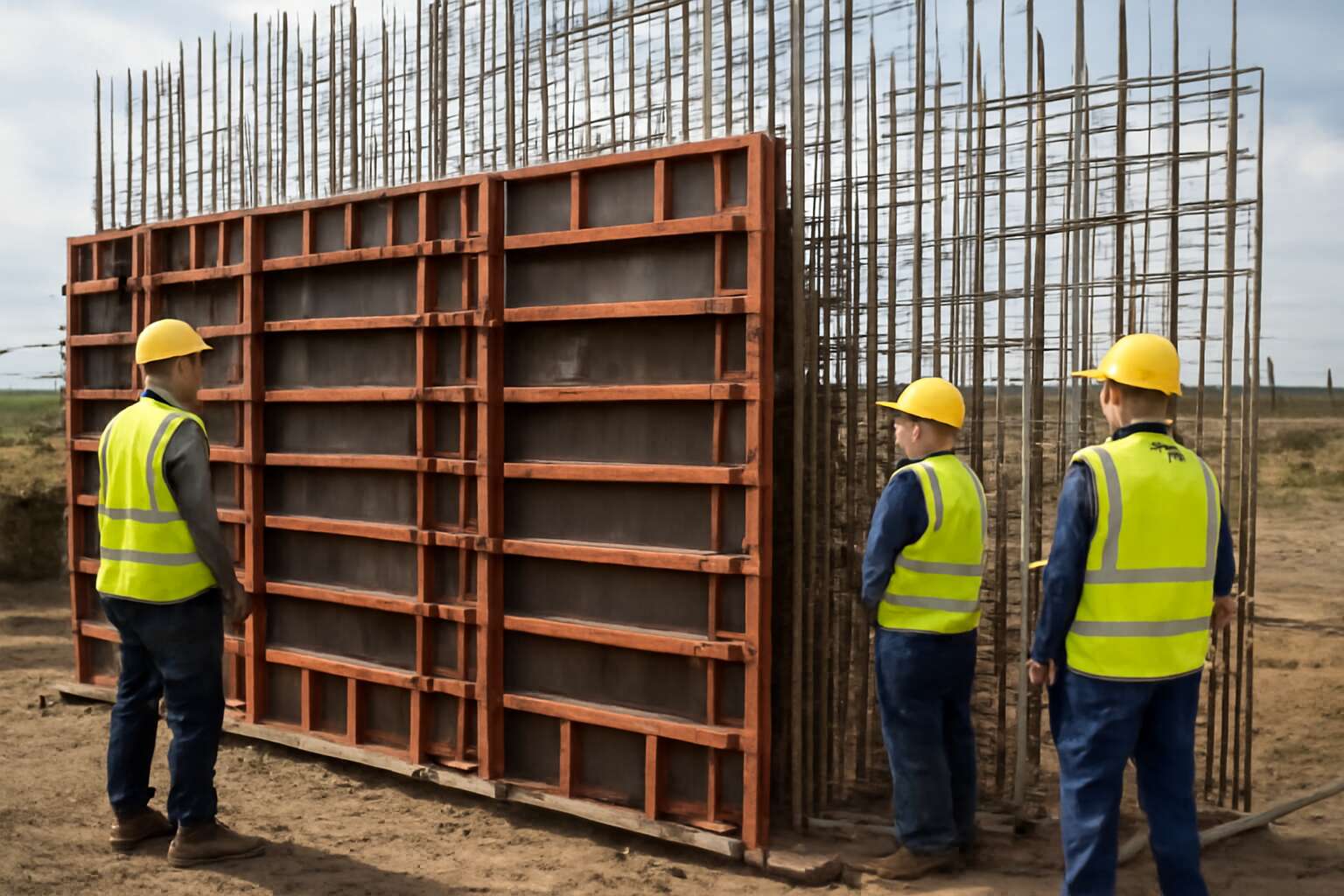
Guide to six hundred millimeter formwork systems
Materials and components for formwork systems
Across South Africa’s growing skylines, a single metric towers above the rest: projects using standardized 600mm formwork report up to an 18% drop in on-site waste. A bold reminder that precision in the frame shapes the story you tell in concrete!
This guide peers into the materials and components that power these systems: modular 600mm formwork panels, robust steel or aluminum frames, and tight-precision connectors that lock in place as if by magic—not chaos. I’ve learned that the aim is a smooth surface and predictable stripping, every time.
- Modular 600mm formwork panels
- Steel or aluminum frames
- Tight-precision couplers and clamps
- Release agents and surface coatings
- Bracing, props, and edge protection
In practice, choosing between steel and aluminum hinges on weight, reusability, and local corrosion risk. Add release agents and edge protection for a flawless finish, and your 600mm formwork system stands ready for the next pour!
Design considerations for six hundred millimeter formwork
Across South Africa’s construction sites, 600mm formwork is changing the pace of build-outs, with projects reporting up to an 18% drop in on-site waste and a clearer path to predictable pours.
Design considerations start with geometry and workflow: modular panels that fit typical floor-to-wall transitions, tight tolerances, and a system that supports smooth stripping without surface damage. In practice, alignment, joint detailing, and a cohesive layout drive quality and pace.
- Geometry flexibility for varying floor layouts and wall angles
- Alignment precision and joint detailing to minimize imperfections
- Surface texture management to ensure a consistent finish
- Site rhythm and stripping timing that fit the project schedule
Locally, climate and coastal exposure influence material choice and maintenance needs. A formwork strategy that accounts for corrosion risk, access for inspection, and reuse cycles helps projects stay resilient beyond the first pour.
Installation and quality control best practices
On South African sites, downtime is devilishly expensive, and 600mm formwork can turn that dollar pain into measurable gain. It delivers cleaner pours and fewer reworks, with crews noting smoother stripping and less surface damage. It isn’t sorcery—it’s modular geometry, tight tolerances, and disciplined alignment working in harmony, like a well-rehearsed choir that actually hits the high note.
Installation and quality control lean on a few universal tenets, applied with a light touch and a steady gaze:
- Visual alignment, joint fit, and panel cleanliness
- Tolerance verification and surface texture consistency
- Inspection traceability and corrosion-ready maintenance planning
When done right, these checks keep the crew smiling and the site supervisor caffeinated, ready for the next pour.
Maintenance and lifecycle economics
“Downtime is the enemy of every budget,” a South African site supervisor says. Maintenance and lifecycle economics for 600mm formwork turn unpredictable pours into dependable workflows, delivering cleaner cycles and clearer cash flows. The trick isn’t sorcery — it’s steady upkeep, modular resilience, and a fleet tuned for reuse. When wear stays in check, projects stay on track.
A lifecycle view shows where value compounds: lower repour costs, higher asset utilisation, and longer service life. To keep the 600mm formwork performing, monitor durability, joint integrity, and wash cycles that protect finish and corrosion resistance across seasons.
Key lifecycle drivers include:
- Durability and corrosion resistance
- Asset utilisation across projects
- Maintenance investment vs downtime cost
Together, these factors shape the total cost of ownership, keeping the 600mm formwork a reliable partner rather than a recurring expense.

0 Comments