
Understanding Formwork Wall
Overview of Formwork Walls
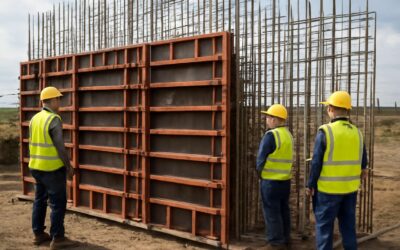
When it comes to building sturdy, reliable structures, few elements hold as much weight—literally and figuratively—as the humble formwork wall. These clever structures are the unsung heroes of concrete construction, shaping the very foundation of our skylines. In essence, a formwork wall is a temporary mould that holds wet concrete in place until it sets, ensuring the final product is both precise and durable. Think of it as the scaffolding of the concrete world—supporting, guiding, and then quietly stepping aside once the job is done.
Understanding the intricacies of a formwork wall reveals why they are indispensable on any construction site. They come in various forms—timber, aluminium, or specialised plastic—each designed to cater to different project needs. The choice often hinges on factors like project size, budget, and the level of finish required. A well-designed formwork wall not only accelerates construction timelines but also minimises material wastage, making it the unsung hero of cost-effective building practices.
Types of Formwork Walls
When it comes to defining the true versatility of a formwork wall, understanding the various types is akin to knowing the different flavours of a well-crafted cocktail — each serving a unique purpose. The choice of formwork wall material can dramatically influence the speed, cost, and finish quality of your project. From traditional timber to cutting-edge aluminium, each type has its own set of advantages and quirks. The key lies in matching the right formwork wall to the specific demands of your construction adventure.
Among the most common varieties are timber formwork walls, known for their affordability and ease of customisation. Aluminium formwork walls, on the other hand, are celebrated for their durability and reusability, making them a favourite for large-scale projects. Specialised plastic formwork walls have also entered the scene, offering a lightweight yet resilient option, especially useful for intricate designs.
For those seeking efficiency, here’s a quick rundown of popular formwork wall types:
- Timber formwork walls – classic, adaptable, but less durable over multiple uses.
- Aluminium formwork walls – lightweight and high-reusability, perfect for repetitive structures.
- Plastic formwork walls – corrosion-resistant, easy to handle, and excellent for complex shapes.
- Steel formwork walls – robust and long-lasting, ideal for large-scale industrial projects.
Choosing the right formwork wall isn’t just about material; it’s about aligning with your project’s vision, timeline, and budget. Each type offers a different flavour in the grand recipe of construction, proving once again that even the simplest formwork wall can be a game-changer in creating reliable, precise structures.
Materials Used in Formwork Walls
Understanding the materials that comprise a formwork wall is akin to appreciating the palette of a master painter; each hue and texture contributes to the final masterpiece. The choice of material not only influences the structural integrity but also dictates the rhythm and flow of construction. Among the most revered are timber, aluminium, plastic, and steel — each with a story to tell and a purpose to serve.
Timber, the age-old artisan’s choice, offers flexibility and ease of customisation, yet its lifespan wanes with relentless reuse. Aluminium, a modern marvel, combines lightweight properties with remarkable reusability, making it ideal for repetitive and large-scale projects. Plastic formwork walls, resilient against corrosion, shine brightest when intricate, complex shapes demand precision. Steel, the stalwart guardian of durability, stands ready for rugged industrial endeavours where longevity is paramount.
- Timber: Classic, adaptable, but less durable over multiple uses.
- Aluminium: Lightweight, high-reusability, perfect for repetitive structures.
- Plastic: Corrosion-resistant, easy to handle, suitable for intricate designs.
- Steel: Robust, long-lasting, ideal for heavy-duty industrial applications.
Each material whispers its virtues and quirks, transforming the humble formwork wall into a vital brushstroke in the grand canvas of construction. The real artistry lies in selecting the material that sings in harmony with your project’s unique demands and ambitions.
Design Considerations for Formwork Walls
Structural Integrity and Stability
When designing a formwork wall, ensuring structural integrity and stability is paramount—after all, these elements form the backbone of any successful construction project. A well-engineered formwork wall must withstand various stresses during the curing process, preventing deformation or failure that could compromise the entire build. The key lies in meticulous planning, considering factors such as load distribution, material strength, and the dynamic forces exerted during pouring.
To optimise stability, engineers often evaluate the following considerations:
- Accurate calculations of load-bearing capacity
- Proper bracing and support systems
- Material compatibility and durability under pressure
Moreover, attention to detail in the design phase can significantly mitigate risks associated with lateral pressure and shifting. The goal is to create a formwork wall that remains steadfast throughout the concrete pour, maintaining precise dimensions and ensuring safety on site. Achieving this balance between robustness and flexibility is what transforms a simple formwork wall into a reliable framework for construction excellence.
Design Flexibility and Customization
When it comes to designing a formwork wall, flexibility isn’t just a buzzword — it’s the secret sauce that turns a rigid, boring structure into a tailor-made masterpiece. In the world of construction, no two projects are quite the same, and the ability to customise formwork walls ensures they fit the unique contours of any build. From adjustable panel sizes to versatile support systems, the goal is to craft a formwork wall that adapts seamlessly without sacrificing stability or safety.
Of course, flexibility shouldn’t come at the expense of robustness. That’s why innovative design considerations often include:
- Modular components for quick reconfiguration
- Interchangeable supports to handle different load requirements
- Materials that can withstand various pressures while maintaining ease of assembly
By embracing customisation, engineers can create formwork walls that not only meet the project’s precise specifications but also streamline the construction process — proving once again that in the realm of formwork, adaptability is king!
Thermal and Acoustic Insulation
In the symphony of modern construction, thermal and acoustic insulation for a formwork wall plays a pivotal role in creating environments that are comfortable and energy-efficient. As buildings become more sophisticated, the importance of integrating insulation directly into the formwork wall design cannot be overstated. It’s not just about meeting standards; it’s about elevating the very experience of space—transforming hollow shells into sanctuaries of serenity.
When considering thermal performance, materials like rigid foam boards or mineral wool are often incorporated to ensure minimal heat transfer. These insulation layers are carefully selected to withstand the rigours of construction while offering long-lasting protection. Acoustic insulation, on the other hand, focuses on dampening unwanted sound transmission, creating a peaceful refuge amid urban chaos.
Design considerations for a formwork wall must also account for insulation thickness and placement. For instance, an embedded insulation layer can enhance thermal efficiency without compromising structural integrity. Sometimes, engineers utilise
- integrated insulation panels
- multi-layered systems
to optimise both soundproofing and energy conservation. The goal is a seamless blend of form and function — a structure that not only stands tall but also whispers comfort and quietness from within.
Aesthetic Finishes and Surface Treatments
In the intricate ballet of modern construction, the aesthetic finish of a formwork wall is the silent testament to craftsmanship and vision. The surface treatment chosen can elevate a utilitarian structure into a visual dialogue—an interplay of textures and tones that resonates with the building’s purpose. As architects push boundaries, the surface treatments for formwork walls become more than mere coverings; they are the final brushstrokes of architectural intent.
From smooth, polished finishes to textured, patterned surfaces, every choice influences not just appearance but also the perception of space. The strategic application of decorative coatings, specialised paint systems, or even exposed concrete textures can transform a mundane wall into a focal point, whispering stories of design innovation. Surface treatments are also crucial in enhancing durability, resisting wear, and facilitating maintenance—key considerations in the lifecycle of a formwork wall.
For those seeking bespoke visual effects, options such as acid etching, colour staining, or integrally coloured concrete offer compelling avenues. These techniques, when combined with thoughtful design considerations for formwork wall finishes, create a harmonious aesthetic that aligns with the building’s character. Ultimately, the surface treatment becomes a vital element—an expressive extension of form and function, echoing the architecture’s soul.
Construction Process of Formwork Walls
Planning and Preparing for Formwork
Construction of a durable and precise formwork wall begins long before the first pour of concrete. Meticulous planning and preparation are essential to ensure the wall can withstand the stresses of construction and maintain its shape. This phase involves detailed measurements, careful selection of materials, and thorough site assessment to identify potential challenges.
Once the groundwork is set, preparing the formwork involves assembling the formwork wall components with precision, ensuring alignment and stability. Proper bracing and support are critical to prevent deformation during concrete placement. At this stage, builders often double-check the formwork wall’s dimensions, levelness, and surface finish to guarantee the final structure meets design specifications.
A well-prepared formwork wall not only simplifies the pouring process but also significantly reduces the risk of defects, making it a cornerstone of high-quality construction.
Setting Up the Formwork Wall
The construction of a formidable formwork wall transforms an architect’s vision into tangible reality, where precision and strength dance in perfect harmony. Setting up the formwork wall is more than just assembling temporary moulds; it’s about crafting a skeleton that will hold the weight of concrete and withstand the relentless forces of construction. The process begins with meticulous alignment, ensuring every panel and support is level, square, and securely braced. During this phase, the integrity of the formwork wall becomes paramount, as any misalignment can ripple into structural defects down the line.
To streamline this delicate operation, many builders follow a structured sequence:
- Positioning the main panels according to detailed plans.
- Securing the formwork with robust supports and braces to prevent deformation.
- Double-checking dimensions and surface smoothness to meet exacting standards.
Every component, from formwork wall panels to support beams, must integrate seamlessly. When set with care, the formwork wall not only simplifies the concrete pouring but also elevates the quality of the finished structure—an invisible guardian of durability and craftsmanship.
Pouring and Curing Concrete
The construction process of pouring and curing concrete within a formwork wall is a ballet of shadows and substance, where patience and precision intertwine. Once the formwork wall has been meticulously assembled, the pouring begins—an act both primal and delicate. As the liquid concrete is introduced, it seeks to fill every crevice, every subtle cavity, forging a bond that will endure the relentless march of time.
During the curing phase, the formwork wall transforms from a mere mould into a resilient barrier, its strength developing beneath a cloak of moisture and time. This stage must be watched carefully, as improper curing can lead to fissures or compromised durability.
To ensure optimal results, many experts follow a structured sequence:
- Pour the concrete steadily, avoiding air pockets and ensuring even distribution.
- Maintain moisture levels to encourage proper curing, often covering the wall with protective sheeting or curing compounds.
- Allow sufficient time for the concrete to reach its full strength before removing the formwork wall, which acts as both guardian and guide for the structure’s future integrity.
Each step in the pouring and curing process is a silent prayer to durability, whispering promises of a construction that will stand resilient against the passage of ages. The formwork wall, in its ephemeral yet vital existence, holds the key to a masterpiece — forged in shadow, destined to endure.
Removing the Formwork
The moment of removing the formwork wall marks a pivotal milestone in the construction journey—like unveiling a sculptor’s masterpiece from a block of marble. This process, often overlooked, demands precision and a keen eye for detail, ensuring the integrity of the newly cast structure remains intact. Typically, the formwork wall is left in place long enough to allow the concrete to reach its full strength, a period that varies based on material and environmental conditions.
Patience is paramount. Rushing the removal can induce stress fractures or compromise the structural stability of the wall. To prevent such mishaps, experts follow a methodical sequence: first, carefully inspecting the formwork for any signs of adhesion or weakness. Next, the formwork is gently loosened—often with hydraulic jacks or hand tools—ensuring no undue pressure is exerted on the freshly cured concrete. For added reassurance, some professionals employ a systematic approach, such as:
- Loosening the formwork’s fasteners evenly to prevent uneven stress.
- Gradually detaching the formwork from the concrete surface, starting from the top and working downwards.
- Monitoring the wall’s condition, watching for any cracks or anomalies during removal.
Once the formwork wall is fully liberated, it reveals a resilient surface that has been forged in shadow and patience, destined to withstand the test of time. This delicate ballet of removal not only preserves the structural integrity but also underscores the craftsmanship involved in every phase of formwork wall construction—transforming temporary moulds into enduring barriers of strength and stability.
Advantages of Using Formwork Walls
Speed and Efficiency in Construction
In the bustling world of construction, time is often the most precious resource. A well-designed formwork wall can dramatically accelerate project timelines, ensuring that milestones are met without compromising quality. The speed and efficiency gained through innovative formwork systems mean fewer delays and a quicker return on investment for builders and clients alike.
One of the key advantages of using a formwork wall is its capacity for rapid assembly and disassembly. Modern systems allow workers to set up and strip down formwork with remarkable speed, reducing labour costs and minimising downtime. Additionally, the uniformity of a quality formwork wall results in consistent concrete finishes, which further streamlines the construction process. This synergy between speed and precision exemplifies the true value of advanced formwork technology in today’s competitive market.
Cost-Effectiveness
In the shadowed realm of construction, where every moment stolen from the ticking clock bears monumental consequence, the formwork wall emerges as an unexpected hero. Its cost-effectiveness is a siren’s call to those seeking to tame the chaos of building schedules. With its modular design and swift assembly, the formwork wall reduces labour costs and diminishes downtime, transforming what once was a labour-intensive ordeal into a dance of efficiency.
Such systems are not merely practical; they are a testament to ingenuity. The ability to reuse formwork walls across multiple projects means savings ripple through every stage of construction. This durability, coupled with simplified logistics, creates a synergy that magnifies profitability—an unspoken promise etched into each concrete surface. In the darkness of the construction site, the formwork wall’s silent efficiency illuminates a path to economic salvation, whispering of future projects where savings and speed intertwine seamlessly.
Quality of Finish
In the delicate dance of construction, the quality of finish can elevate a project from mere structure to a masterpiece of craftsmanship. A well-designed formwork wall offers more than functionality; it provides a pristine surface that reduces the need for costly post-processing. This precision ensures a smooth, flawless appearance, elevating the aesthetic appeal of each poured concrete element. When the finish quality is paramount, the choice of formwork wall becomes a decisive factor, for it directly impacts the visual integrity and durability of the final product.
Advanced formwork wall systems often incorporate innovative surface treatments and mould techniques that deliver superior finishes. The result? Surfaces that require minimal additional intervention, saving both time and money. Furthermore, the ability to achieve consistent surface textures across multiple projects underscores the importance of selecting the right formwork wall—one that marries technical excellence with aesthetic finesse. It’s not just about building; it’s about creating enduring works of art that celebrate both strength and beauty.
Versatility in Construction Projects
Flexibility is the hallmark of a well-designed formwork wall. Its ability to adapt to a wide range of construction projects makes it an indispensable tool on site. Whether shaping complex architectural features or straightforward structural elements, a versatile formwork wall can handle it all. This adaptability accelerates project timelines and reduces the need for multiple formwork solutions, saving both time and resources.
From high-rise buildings to intricate infrastructure projects, the formwork wall’s versatility allows for seamless integration with various construction techniques. Its modular nature means it can be reconfigured to fit different sizes and shapes, accommodating diverse project demands. This flexibility ensures that the formwork wall remains a go-to choice for contractors seeking efficiency and precision.
In fact, many leading construction firms prefer formwork walls that support custom moulds and surface treatments. Such advanced systems enable rapid adjustments, ensuring surfaces meet exact specifications without compromising on quality. This adaptability not only enhances the aesthetic appeal but also contributes to the structural integrity of the final build.
Common Materials for Formwork Walls
Timber Formwork
In the realm of construction, timber formwork for a formwork wall remains a timeless favourite—proving that sometimes, tradition beats tech. Despite the surge of modern materials, timber continues to be the go-to for its versatility, ease of handling, and undeniably charming rustic appeal. Its natural availability and affordability make it an attractive choice, especially for projects where budget and flexibility are paramount.
When selecting timber for a formwork wall, options like pine, hardwood, and plywood are commonly used, each offering unique benefits. Plywood, for example, boasts impressive strength and smooth finishes, reducing the need for surface treatments later. Plus, its lightweight nature means less labour fuss during assembly. For those who appreciate a bit of DIY charm, timber formwork can be customised on-the-fly, adding an extra layer of ingenuity to the construction process.
- Ease of shaping and cutting
- Cost-effective availability
- Reusability with proper treatment
All these factors make timber formwork a perennial favourite, proving once again that good, old-fashioned craftsmanship still has its place amidst the concrete jungle.
Steel Formwork
Steel formwork for a formwork wall exemplifies strength and durability, offering a modern alternative to traditional materials. Its high tensile strength ensures that the formwork wall maintains its shape and stability even under demanding construction conditions. Unlike timber, steel is resistant to pests, rot, and warping, making it a long-lasting investment for large-scale projects.
What sets steel apart in the realm of formwork wall construction is its exceptional precision and ease of assembly. Prefabricated panels can be quickly connected, reducing labour time and increasing overall efficiency on the site. For projects requiring intricate designs or repetitive elements, steel formwork provides a seamless and consistent finish that elevates the aesthetic quality of the final structure.
- Corrosion-resistant coatings extend the lifespan of steel formwork.
- Reusability reduces long-term costs, making it an environmentally sustainable choice.
- Customised panels allow for flexibility in complex architectural designs.
In the end, steel formwork for a formwork wall marries modern engineering with timeless durability, making it an indispensable element in the architect’s toolkit. Its sleek, sturdy presence ensures that ambitious visions take shape with unwavering precision, transforming concrete into art.
Plastic and Modular Formwork
When it comes to constructing a resilient and adaptable formwork wall, the choice of materials can be as crucial as the design itself. Plastic and modular formwork systems are increasingly gaining favour among savvy engineers and architects alike. These materials not only streamline the construction process but also introduce a level of versatility previously reserved for more traditional options.
Plastic formwork, characterised by its lightweight yet durable nature, offers a practical solution for complex or repetitive designs. Its resistance to corrosion and ease of handling make it a favourite for projects demanding swift turnaround times. Meanwhile, modular formwork employs prefabricated units that interlock seamlessly, allowing for rapid assembly and dismantling. This system is particularly advantageous when working on large-scale projects or structures with intricate geometries.
In essence, these materials exemplify the modern evolution of the formwork wall. They enable builders to achieve precision and efficiency without sacrificing flexibility or quality, transforming what once was a labour-intensive process into a harmonious ballet of engineering ingenuity.
Reusable vs. Single-Use Formwork
In the realm of construction, choosing the right materials for a formwork wall isn’t merely about practicality; it is about shaping the very essence of resilience and efficiency. Among the most debated topics is the distinction between reusable and single-use formwork. Reusable formwork offers a sustainable approach, crafted from robust materials like steel or specialised plastics, designed to withstand multiple pours. It embodies an investment in longevity and environmental consciousness, often reducing long-term costs despite higher initial expenses.
Conversely, single-use formwork, frequently made from economically accessible materials such as fibreboard or certain plastics, is tailored for quick deployment and removal. This approach excels in projects with tight deadlines or limited scope, where speed outweighs the need for repeated use. The choice hinges on nuanced factors — project scale, environmental impact, and budget constraints. Ultimately, the decision to employ reusable versus single-use formwork for a formwork wall reflects a deeper understanding of both immediate needs and future sustainability in construction practices.
Maintenance and Longevity of Formwork Walls
Cleaning and Inspection
Maintaining the integrity of a formwork wall is essential to preserving its durability and ensuring safety on-site. Regular cleaning and meticulous inspection can significantly extend the lifespan of these structures, reducing costly repairs and downtime. Over time, dirt, concrete residues, and environmental debris can accumulate, compromising the surface quality and potentially leading to surface defects in the finished concrete. A thorough cleaning process not only restores the aesthetic appeal but also reveals any early signs of damage or wear.
Inspection should be systematic and detailed, focusing on identifying cracks, corrosion, or deformation that could jeopardise the wall’s stability. For example, steel formwork walls are particularly susceptible to corrosion if not properly maintained, while timber formwork requires attention to warping or rotting. Implementing a routine maintenance schedule ensures that minor issues are addressed promptly, preventing them from escalating into major structural problems. In many cases, formwork wall longevity can be dramatically increased through diligent upkeep, making it a wise investment for any construction project.
- Cleaning the surface to remove concrete residue and environmental grime
- Inspecting for cracks, corrosion, or deformation
- Applying protective coatings or treatments when necessary
Ultimately, a well-maintained formwork wall not only guarantees safety but also enhances project efficiency, allowing for faster turnaround times without sacrificing quality. Embracing a proactive approach to maintenance can turn a simple component into a long-lasting asset on any construction site.
Repair and Reinforcement
Durability is often underestimated in construction, yet it’s the backbone of project success. Proper maintenance and reinforcement of a formwork wall can dramatically extend its lifespan, saving both time and money. A well-reinforced formwork wall resists wear and tear, especially under repeated use or challenging environmental conditions. Over time, minor cracks or corrosion can develop, but early intervention is key.
Reinforcement strategies include the application of protective coatings and targeted repairs. For instance, steel formwork walls benefit from anti-corrosion treatments, while timber variants may require structural reinforcement or replacement of compromised sections. Regular inspections—focusing on signs of deformation or deterioration—are essential. An organised maintenance routine ensures that issues are addressed before they escalate, maintaining the formwork wall’s integrity and safety standards.
To optimise the longevity of a formwork wall, some projects adopt a systematic approach:
- Routine visual inspections for early damage signs
- Timely repairs of cracks or corrosion
- Applying protective coatings to prevent environmental damage
This proactive stance not only prolongs the useful life of the formwork wall but also enhances overall construction efficiency, demonstrating how strategic reinforcement is an investment rather than an expense. The reality is simple: a sturdy, well-maintained formwork wall is crucial for safe, cost-effective, and high-quality construction outcomes.
Storage and Handling Tips
In the realm of construction, a meticulously maintained formwork wall transcends mere functionality to become a sentinel of project longevity. Storage and handling, often overlooked, wield profound influence over the durability and performance of these essential structures. Proper storage ensures that formwork wall components remain free from environmental assault—be it moisture, temperature fluctuations, or physical damage—that could compromise their integrity.
Optimal handling techniques—such as organised stacking, protected transport, and careful assembly—prevent deformation and surface imperfections that might otherwise necessitate costly repairs. When dismantling, gentle disassembly preserves the surface quality, reducing the risk of cracks or structural weakness. An organised approach to storage and handling isn’t just about preservation; it’s a strategic move that extends the lifespan of the formwork wall, ensuring a seamless transition from one project phase to the next.
For durability’s sake, consider implementing these steps:
- Designate dedicated storage zones with protective coverings
- Use specialised lifting equipment to avoid unnecessary stress on components
- Regularly inspect stored elements for signs of corrosion or damage
Such meticulous attention transforms handling into an act of safeguarding, transforming a simple formwork wall into an enduring asset—ready to withstand the rigours of repeated use and environmental exposure, and ultimately, ensuring construction excellence that endures through time.
Innovations in Formwork Wall Technology
Modular and Prefabricated Systems
Innovations in formwork wall technology are revolutionising modern construction, unlocking new realms of efficiency and precision. Among these breakthroughs, modular and prefabricated systems stand out as game-changers, offering unparalleled flexibility and speed. These innovative formwork wall solutions enable rapid assembly, reducing labour costs and shortening project timelines—crucial advantages in today’s competitive market.
By harnessing advanced materials and engineering, prefabricated formwork wall systems can be customised to fit complex architectural designs with ease. They also promote sustainability through reusability, decreasing waste and environmental impact. Some systems feature integrated insulation options, enhancing thermal performance without sacrificing durability or surface quality.
For a construction landscape eager for adaptability, these cutting-edge formwork wall innovations provide a seamless blend of innovation and practicality, elevating the craft to new heights.
Eco-Friendly Materials
In a world obsessed with green credentials and reducing carbon footprints, the latest innovations in formwork wall technology are taking sustainability seriously—without sacrificing strength or style. Eco-friendly materials are now at the forefront, transforming construction sites into champions of environmental responsibility. These materials, often crafted from recycled plastics or sustainably sourced timber, not only minimise waste but also promote reusability, making the formwork wall a true hero in eco-conscious building practices.
Advancements in material science have introduced options like biodegradable composites and low-embodied-energy substances, which are revolutionising how we think about construction debris. Some systems even incorporate integrated insulation made from recycled glass or cellulose, enhancing thermal efficiency without adding extra layers or complexity. This seamless integration reduces material waste and environmental impact, aligning construction projects with the global push for greener architecture.
For those seeking to push boundaries, the latest formwork wall innovations often feature modular components made from lightweight, durable materials. These can be assembled swiftly on-site, reducing the need for heavy machinery and cutting down on energy consumption. As the construction industry embraces these eco-friendly solutions, the formwork wall stands as a testament to how sustainability and innovation can go hand in hand—delivering projects that are as kind to the planet as they are robust and reliable.
Automation and Digital Design Tools
In the shadowed corridors of modern construction, innovation whispers through the cracks—silent yet powerful. The latest advancements in formwork wall technology harness automation and digital design tools, transforming how we conceive and craft these vital barriers. Cutting-edge digital modelling software now allows engineers to simulate intricate formwork wall structures with unparalleled precision, reducing waste and errors.
Automated systems, driven by artificial intelligence, optimise installation sequences, minimise human error, and accelerate project timelines. These digital tools enable real-time adjustments, ensuring every formwork wall aligns perfectly with complex architectural visions.
Furthermore, modular components integrated with smart technology facilitate swift assembly and disassembly, echoing the Gothic cathedrals’ grandeur in their seamless, organised construction. The convergence of automation and digital artistry in formwork wall technology not only elevates efficiency but also breathes new life into the age-old craft of building—making it smarter, faster, and more sustainable than ever before.
Choosing the Right Formwork Wall for Your Project
Assessing Project Requirements
Choosing the right formwork wall is a vital step that can significantly influence the success of your construction project. Every project has unique requirements, and understanding these nuances is essential for making an informed decision.
Assessing project requirements involves considering factors such as the scale of the build, the type of concrete used, and the desired finish quality. For instance, projects requiring intricate surface finishes may benefit from specialised formwork walls that accommodate detailed moulds. Conversely, larger commercial structures might prioritise speed and durability, favouring robust steel or modular formwork systems.
It’s also important to evaluate the environmental conditions and load-bearing needs. A well-chosen formwork wall not only ensures structural integrity but also optimises overall efficiency. By weighing these elements carefully, you can select a formwork wall that aligns with your project’s scope, budget, and timeline, ultimately paving the way for a seamless construction process.
Budget and Cost Analysis
Selecting the appropriate *formwork wall* while keeping a keen eye on the budget is an exercise in balancing ambition with pragmatism. It’s no secret that construction costs can spiral faster than a well-poured concrete wall if not managed carefully.
Cost analysis starts with understanding the scope of your project. For smaller, intricate finishes, investing in specialised formwork walls might seem costly upfront but can save money in labour and finishing later. Conversely, larger projects often benefit from the economy of scale offered by modular or steel formwork systems—robust, reusable, and quick to assemble.
A simple yet effective approach involves evaluating the following:
- Material durability and reusability
- Time required for setup and removal
- Maintenance and repair costs
By meticulously weighing these factors, you can optimise your project’s financial efficiency without sacrificing quality or safety. Remember, a *formwork wall* isn’t simply a mould; it’s a strategic investment that can shape both your budget and the success of your construction endeavour.
Project Timeline and Efficiency
Time is the silent architect in every construction project, and choosing the right *formwork wall* can be the difference between a seamless build and costly delays. When deadlines loom like a shadow over your plans, efficiency becomes paramount. The key is to select a *formwork wall* system that aligns with your project timeline while maintaining top-tier quality.
Rapid setup and removal are crucial components of a well-oiled construction process. Modular and steel *formwork walls* excel in this domain, offering quick assembly and straightforward disassembly without compromising stability. These systems often come with features that facilitate swift adjustments, ensuring that even complex designs can be executed within tight schedules.
Evaluating your project’s unique needs involves considering factors such as surface finish quality, structural demands, and the complexity of the formwork. For projects demanding intricate shapes or specialised surface finishes, investing in versatile *formwork walls* might seem like a delay, but it often results in fewer rework and faster overall progress. Conversely, for straightforward structures, opting for reusable, standard *formwork walls* can accelerate construction timelines and optimise resource utilisation.
In the end, selecting the ideal *formwork wall* is a strategic decision that balances the demands of project speed with the pursuit of impeccable quality. When manoeuvred expertly, this choice translates directly into construction success—delivering both efficiency and excellence in record time.
Environmental Considerations
As sustainability becomes an increasingly vital element of modern construction, selecting an environmentally conscious *formwork wall* can significantly reduce your project’s ecological footprint. Eco-friendly materials, such as recycled plastics or sustainably sourced timber, offer a compelling alternative to traditional options. These materials not only minimise waste but also contribute to LEED credits, aligning your project with green building standards.
When evaluating *formwork wall* systems for environmental impact, consider their lifecycle energy consumption and potential for reuse. Modular and steel *formwork walls* often excel in this area, thanks to their durability and capacity for multiple reuse cycles. Additionally, incorporating biodegradable or low-emission materials can make a tangible difference in reducing harmful emissions during assembly and removal.
Furthermore, integrating automation and digital design tools can optimise the formwork process, reducing material waste and improving overall efficiency. For projects prioritising eco-friendliness, selecting a *formwork wall* system that balances performance with environmental considerations not only delivers a greener build but also enhances your reputation as a sustainable developer.


0 Comments