
Understanding Formwork and Its Role in Concrete Construction
What is Formwork?
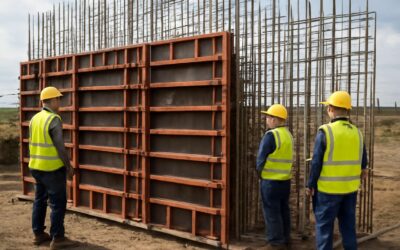
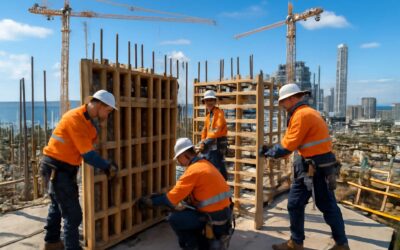
In the intricate dance of concrete construction, formwork acts as the silent guardian, shaping the destiny of each slab with unwavering precision. It is the temporary mould that holds the wet concrete in place, ensuring the final structure bears the mark of meticulous craftsmanship. Understanding when to remove formwork from slab is not merely a matter of time but an art rooted in the concrete’s whispering secrets of strength and setting.
Formwork serves a vital role—without it, slabs would be nothing more than a fleeting dream, collapsing under their own weight before they could solidify. Its strength must be balanced carefully with the curing process. Typically, the decision hinges on the concrete reaching a specific level of strength, often measured through standardized tests or visual cues. In South Africa, local climatic conditions influence this timing, making it essential to observe the concrete’s maturity before the formwork is gently removed.
- Initial strength gain
- Crack formation or lack thereof
- Proper curing practices in place
Understanding these indicators can turn the seemingly mundane question of “when to remove formwork from slab” into a calculated step that ensures durability and safety for years to come.
Importance of Proper Formwork Removal Timing
Understanding formwork and its role in concrete construction is akin to deciphering the ancient runes of durability. It is the unseen force that holds the wet, trembling mass of concrete in perfect shape until it matures into solid strength. The importance of proper formwork removal timing cannot be overstated; a premature release can spell disaster, while lingering too long might cause unnecessary delays. In South Africa’s diverse climate, where humidity and temperature fluctuate like the shifting sands of a desert, this timing becomes even more critical.
To determine when to remove formwork from slab, professionals often watch for key indicators such as initial strength gain and crack formation. Visual cues, combined with standardized testing, guide the decision-making process. The concrete must reach a certain threshold of strength—usually measured through compressive tests—before the formwork can be safely removed. Proper curing practices, ensuring the slab remains moist and protected, play a vital role in this delicate balance.
Factors Influencing When to Remove Formwork from Slab
Concrete Curing Time
Understanding when to remove formwork from slab is a decision that can make or break the structural integrity of a construction project. Several factors influence this critical timing, often lurking beneath the surface of visible progress. The curing time for concrete, for instance, is pivotal—if the slab isn’t sufficiently cured, premature removal may lead to cracks or even failure.
Environmental conditions also play a role; in South Africa’s climate, humidity and temperature fluctuations can accelerate or delay curing, affecting the optimal window for formwork removal. Additionally, the type of concrete used and the thickness of the slab contribute to the decision-making process.
A practical approach involves assessing the concrete’s strength development through testing, ensuring it has reached a safe threshold—typically around 70% of its designed compressive strength—before removing formwork. This balance between patience and precision is essential to avoid costly mistakes down the line.
Strength Gain and Hardness
In the silent gloom of construction, the moment to remove formwork from slab hangs like a specter—delayed beyond reason, it risks haunting the structure with cracks and weakness. The key lies in understanding the delicate dance of strength gain and hardness, which whispers secrets only the patient can decipher. Concrete, much like a living entity, evolves in shadows and light, steadily gaining resilience beneath the surface.
Factors such as the ambient humidity and temperature in South Africa can accelerate or hinder this process, making the decision far from black and white. The concrete’s development of compressive strength is the silent judge in this gothic tableau—testing must confirm it has reached about 70% of its designed capacity before the formwork is cast aside. Sometimes, a simple pull test or a breakage test reveals the truth, exposing whether the slab can stand on its own.
- The type of concrete used
- Slab thickness
- Environmental conditions
- Strength testing results
All these elements weave into the dark tapestry of timing, where patience becomes the only virtue capable of safeguarding the structure’s future from the shadows of premature removal.
Type and Thickness of the Slab
The thickness of the slab and the type of concrete used are pivotal factors in determining when to remove formwork from slab. Thicker slabs, often found in load-bearing structures, require a longer curing period to develop sufficient strength. Conversely, thinner slabs may reach the necessary hardness more quickly, but rushing the process can be disastrous. In South Africa’s diverse climate, the concrete’s composition and environmental conditions intertwine, influencing the timeline even further.
Understanding the specific characteristics of the concrete mixture helps in making an informed decision. For example, high-strength concrete typically demands more curing time before formwork removal. Meanwhile, the structural design dictates the slab’s thickness, which directly impacts the curing duration. Sometimes, a simple visual inspection isn’t enough; a concrete strength test provides tangible proof that the slab has achieved the necessary resilience.
- Assess the concrete’s strength development based on the mix and environmental conditions.
- Consider the slab’s thickness—thicker slabs need patience, thinner slabs might be ready sooner.
- Use strength testing results as a definitive guide to when to remove formwork from slab.
Patience remains the silent guardian in this process—knowing precisely when to remove formwork from slab is an art, balancing science with a touch of superstition. The interplay of concrete type and slab thickness weaves a dark tapestry that only careful observation and testing can unravel.
Environmental Conditions
Environmental conditions can turn the seemingly straightforward task of removing formwork from slab into a complex dance of patience and precision. In South Africa’s unpredictable climate—where scorching sun, sudden rain, or chilly nights can all throw a wrench in the works—knowing *when to remove formwork from slab* becomes an art form.
Temperature and humidity levels directly influence concrete’s curing process. High temperatures can accelerate strength gain, tempting us to tear down formwork prematurely—an act that can spell disaster. Conversely, damp or rainy conditions can delay curing, making it crucial to adjust timelines accordingly. Wind, too, isn’t just an annoyance; it can strip away moisture, affecting the slab’s hardening process.
In these conditions, visual cues can be deceptive, and relying solely on a set timeline might be hazardous. Instead, employing a concrete strength test or monitoring environmental factors ensures the formwork remains in place until the slab is truly ready. Because, let’s face it, rushing the process in South Africa’s climate is as reckless as throwing a boomerang with a blindfold—most likely to come back and hit you!
Type of Formwork Material
The decision of when to remove formwork from slab is often as delicate as a ballet—requiring both instinct and insight. One crucial factor that influences this decision is the type of formwork material used. From traditional timber and plywood to modern and durable steel or plastic options, each material interacts differently with the curing process. Timber, for example, might necessitate a longer wait due to its porous nature, which can absorb moisture and delay hardening. Steel formwork, on the other hand, offers strength and stability, often allowing for a slightly earlier removal, provided the concrete has gained sufficient strength.
Understanding the unique properties of each formwork material can significantly impact the timing. For instance, if using a lightweight plastic formwork, the ease of removal may tempt premature stripping, but patience remains paramount. In South Africa’s climate, where environmental factors add layers of complexity, this becomes even more critical. Always remember—knowing when to remove formwork from slab is a nuanced dance that balances material characteristics, curing advancements, and the specific conditions of your construction site.
Structural Load and Design Requirements
Deciding when to remove formwork from slab hinges not just on curing times but also on the structural load and design requirements that the project demands. A slab’s capacity to bear weight and its intended use directly influence this timing. For instance, slabs designed for heavy-duty use or those supporting substantial loads require extended curing and stability before formwork removal. This ensures that the concrete has achieved its desired strength, preventing costly cracks or failures down the line.
In South Africa’s diverse climate, fluctuating temperatures and humidity levels further complicate the decision. It’s essential to monitor the concrete’s hardness and compliance with engineering specifications rather than relying solely on elapsed time. An accurate assessment of the slab’s load-bearing capacity often involves checking the concrete’s compressive strength through testing. When the concrete reaches the specified strength, and the formwork can safely support the structural load, it’s generally safe to consider removing the formwork. Remember—timing is everything, and rushing the process can jeopardize the integrity of the entire structure.
Standard Guidelines for Formwork Removal
ACI (American Concrete Institute) Recommendations
Understanding when to remove formwork from slab is crucial for ensuring structural integrity. According to ACI recommendations, the timing must balance safety with efficiency. Rushing the process can lead to cracks or deformation, while delaying removal might cause unnecessary delays in construction schedules. The American Concrete Institute emphasizes that proper curing and strength development are key indicators of readiness. Typically, formwork should stay in place until the concrete reaches at least 70% of its design strength, which varies depending on environmental conditions and the type of slab. For example, in South Africa’s climate, warmer weather accelerates curing, influencing the timing.
ACI guidelines recommend monitoring the concrete’s compressive strength through field tests before removing formwork. Once the concrete has achieved sufficient hardness, formwork can be safely removed to prevent damage or deflection. Keep in mind that the removal process should follow a systematic approach, often involving staged removal for thick or complex slabs. Remember, knowing precisely when to remove formwork from slab is a pivotal step that ensures durability, safety, and project efficiency.
Typical Time Frames for Different Slabs
The precise moment to remove formwork from slab is a delicate ballet between patience and prudence, especially within South Africa’s diverse climate. Typically, construction professionals rely on standard guidelines that serve as a compass, guiding the timing of formwork removal. For most slabs, the duration before stripping formwork ranges between 7 to 14 days, but this window is anything but fixed. Environmental factors such as temperature and humidity can accelerate or delay the curing process, making it essential to monitor concrete strength diligently.
In practice, the decision hinges on the concrete reaching at least 70% of its specified compressive strength. As a rule of thumb, slabs with greater thickness or complexity require a longer period before formwork removal. To streamline this process, many contractors adopt staged removal—carefully peeling away formwork in phases to prevent undue stress on the still-curing concrete. This systematic approach ensures structural integrity while aligning with safety standards. Ultimately, understanding when to remove formwork from slab is not merely a matter of timing but a nuanced judgment rooted in both science and experience.
Role of Concrete Maturity and Strength Testing
Determining when to remove formwork from slab is not simply a matter of clock-watching; it’s a dance with the concrete’s evolving strength. Concrete maturity, measured through strength testing, offers an unromantic yet essential insight into this pivotal moment. Instead of relying solely on elapsed time, many professionals in South Africa turn to concrete strength as their guiding star. This approach ensures the safety and durability of the structure, especially in our climate’s unpredictable temperaments.
Concrete strength testing, often using maturity meters or cube tests, reveals the true readiness of the slab. Once the concrete reaches at least 70% of its specified compressive strength, it’s generally safe to consider removing formwork. The process might involve staged removal, which respects the delicate balance of ongoing curing and structural integrity. Remember, patience here isn’t just virtue—it’s an imperative. When to remove formwork from slab, after all, hinges on these real-time indicators rather than mere assumptions or rigid schedules.
Signs That Indicate It’s Safe to Remove Formwork
Concrete Achieved Required Strength
Concrete doesn’t reach its full potential overnight. In fact, it can take up to 28 days to develop its maximum strength. Knowing when to remove formwork from slab isn’t just about a timeline; it’s about observing the signs that indicate the concrete has achieved the required strength.
One clear indicator is the consistent hardness of the surface, which suggests the concrete has poured and cured enough to support its own weight. Additionally, the concrete’s surface should show no signs of deformation or cracking under light pressure.
Monitoring these signs is crucial. If the concrete is still soft or shows signs of surface damage, it’s too early to remove formwork. Usually, structural engineers recommend waiting until the concrete reaches at least 70% of its specified compressive strength before formwork removal. This ensures the slab will withstand loads without risk of failure.
Visual Cues and Surface Hardness
Understanding when to remove formwork from slab is both an art and a science. One of the most reliable visual cues is the surface hardness of the concrete. When the surface feels firm and resists light probing without indentation, it signals that the slab has gained sufficient strength. This tactile feedback acts as a silent testament to the curing process, informing us that the concrete is ready to bear its own weight.
Another critical indicator is the absence of deformation or cracking upon gentle pressure. Cracks or surface deformities suggest that the concrete has not yet fully developed its structural integrity, making premature formwork removal risky.
In practice, observing these signs involves a keen eye and patience. Structural engineers often recommend waiting until the concrete reaches at least 70% of its specified compressive strength, which typically aligns with visible hardness and surface stability. By doing so, the risk of damaging the slab is minimized, ensuring durability and safety for the entire structure. When to remove formwork from slab is truly about listening to the concrete’s silent language—its surface cues and hardness tell the story of its readiness.
Absence of Cracks and Deformations
In the shadowed realm of construction, the moment when the veil of formwork lifts from the slab is fraught with silent tension. A whisper of danger lurks in premature removal—cracks and deformations are the telltale signs the concrete still mourns its youthful fragility. When the surface remains unblemished by surface cracks or deformations, it whispers that the concrete has begun to stand on its own, resilient and strong.
Visual inspection becomes an act of intuition—watchful eyes seeking subtle cues. A surface free of cracks and deformities, coupled with a firm, unyielding texture upon gentle touch, signals that the slab has matured enough to bear its weight. Sometimes, these signs are as delicate as a faint hairline fracture, yet their absence confirms the concrete’s readiness. In essence, knowing when to remove formwork from slab hinges on recognizing these silent, almost supernatural indicators.
Testing and Inspection Protocols
In the intricate dance of construction, the moment to remove formwork from slab is a delicate crescendo. The stakes are high; timing is everything. The key to unlocking this mystery lies in discerning the subtle signs that the concrete has reached its pinnacle of strength and stability. Testing and inspection protocols serve as the silent guardians in this process, revealing the hidden stories within the hardened surface.
One of the most telling indicators is the concrete’s maturity—measured through non-destructive testing methods like maturity meters or core sampling. When these tests confirm that the slab has achieved its required strength, it’s a green light that the formwork can be safely removed. Visual cues also whisper their secrets—no surface cracks, no deformations, and a surface that feels firm and solid under gentle touch. These signs, combined with rigorous inspection protocols, ensure that the decision to remove formwork from slab is both informed and safe.
Risks of Premature Formwork Removal
Structural Damage and Defects
Removing formwork from a slab too soon can have devastating consequences, risking structural damage that may not be immediately visible. Premature removal can cause cracks, deformation, or even partial failure of the slab, jeopardizing the safety of the entire structure. Concrete needs adequate time to develop its full strength; rushing this process often leads to defects that are costly and time-consuming to fix.
Structural integrity hinges on patience and precise timing. If you are unsure about when to remove formwork from slab, consider that concrete must reach a certain level of curing and strength gain before the formwork can be safely stripped away. Ignoring these cues increases the risk of compromising the durability and longevity of the construction. Remember, the initial appearance of surface hardness or the absence of visible cracks isn’t always enough. Proper testing and inspections should confirm the concrete’s readiness, ensuring the slab can bear its designated load without deforming or cracking.
In South Africa, where weather conditions can be unpredictable, understanding the risks of premature formwork removal is crucial. The structural damage and defects resulting from haste can undermine the safety of entire projects, emphasizing the importance of adhering to recommended timelines and testing protocols. Knowing when to remove formwork from slab is a vital decision—one that safeguards not only the building but everyone who will rely on it for years to come.
Surface Damages and Surface Finish Issues
Premature removal of formwork from slab can unleash a cascade of surface damages that threaten the integrity of the entire structure. Surface cracks, pockmarks, and rough patches often emerge as silent witnesses to rushed decisions, betraying the underlying weakness of the concrete before it has fully cured. These superficial imperfections might seem minor initially, but they can escalate into more serious issues, compromising the aesthetic appeal and durability of the finished surface.
In many cases, surface finish issues are a direct consequence of removing formwork too early. When the concrete has not yet developed sufficient strength, the slightest load or stress can cause deformation or surface delamination. This can be particularly insidious in South Africa’s unpredictable climate, where temperature fluctuations and humidity variations exacerbate the risk of surface defects. Recognizing the delicate balance between timing and surface quality underscores the importance of patience—rushing this process often leads to costly repairs and delays.
- Cracking and surface deformation
- Pockmarks and rough patches
- Reduced surface durability
Ultimately, knowing when to remove formwork from slab is not merely about adhering to schedule—it’s about safeguarding the surface finish and ensuring the long-term performance of the structure. Surface damages and finish issues serve as stark reminders that concrete must be given adequate time to reach its optimum hardness and resilience before the formwork is stripped away. Only then can the surface truly fulfill its role, free from the blemishes that premature removal often leaves behind.
Long-term Durability Concerns
Prematurely removing formwork from slab is a gamble with long-term consequences. When concrete is stripped too early, it risks not reaching its full strength and resilience, jeopardizing the durability of the entire structure. This oversight can lead to hidden cracks, surface deformations, and even structural weaknesses that may not surface immediately but threaten safety years down the line.
In South Africa’s fluctuating climate, where temperature swings and humidity levels are unpredictable, the stakes are even higher. The delicate process of curing requires patience; rushing it can undermine the integrity of the slab. To mitigate these risks, consider evaluating concrete maturity and conducting strength testing before deciding when to remove formwork from slab. Such measures ensure that the concrete has achieved adequate hardness and stability, safeguarding the structure’s long-term durability.
Ultimately, understanding the precise moment to remove formwork from slab is crucial. It’s a balancing act—one that demands vigilance and respect for the curing process. Only then can the slab stand resilient against the tests of time, weather, and load, securing a durable foundation for the future.
Best Practices for Safe Formwork Removal
Gradual Removal Procedures
In the delicate dance between strength and vulnerability, knowing when to remove formwork from slab is a pivotal moment that can determine the longevity of a structure. The process demands an intuitive understanding of the concrete’s silent symphony—its curing time, strength gain, and surface hardness—each whispering clues about its readiness. Rushing this step risks structural damage, while hesitation can lead to unnecessary delays, affecting project timelines and costs.
To ensure a safe and effective removal, adopt a gradual approach that respects the concrete’s maturation process. Begin by inspecting for visual cues—no cracks, no deformations, and a firm surface—before proceeding. Implementing a systematic removal schedule, such as removing formwork in stages, not only minimizes stress on the slab but also preserves its integrity. This method aligns with industry best practices and safeguards your project’s durability, especially under varying environmental conditions common in South Africa.
Ensuring Adequate Curing Conditions
Understanding when to remove formwork from slab is a delicate balance—one that hinges on patience and precise judgment. The moment the concrete has achieved adequate curing conditions is crucial; premature removal can compromise structural integrity, while excessive delay risks unnecessary costs. In South Africa’s diverse climate, environmental conditions play a significant role in this decision, making it essential to observe concrete’s visual cues and surface hardness diligently.
Safe formwork removal practices emphasize a gradual approach, ensuring that the slab’s strength and durability are not compromised. Implementing a systematic removal schedule helps distribute stress evenly across the structure, preventing cracks and deformities. Remember, the key is to monitor the concrete’s maturation process continuously, guided by industry standards and local environmental factors. When in doubt, employing concrete maturity testing or consulting structural engineers can provide additional assurance, ensuring that the timing for removing formwork from slab aligns perfectly with its readiness.
Support and Reinforcements During Removal
Ensuring the safety and integrity of a concrete slab hinges on a critical phase—when to remove formwork from slab. This process demands a delicate balance, where haste can jeopardize structural stability, yet unnecessary delay inflates costs. Proper support and reinforcements must be maintained during removal to prevent stress concentrations that might lead to cracks or deformities. Supporting the slab with temporary braces or shoring, especially in larger projects, provides an added layer of security, allowing the concrete to continue gaining strength without undue stress.
In practice, adhering to a systematic removal sequence—often starting with the non-structural formwork and gradually progressing—is essential. This staged approach helps distribute the load evenly, reducing the risk of damage. Additionally, continuous monitoring of the slab’s surface hardness and visual cues, such as the absence of cracks or surface imperfections, plays a vital role in making informed decisions about when to remove formwork from slab. When doubt persists, employing concrete maturity testing or consulting structural engineers ensures that the timing aligns with the slab’s actual strength, safeguarding both durability and safety.
Monitoring During and After Removal
Monitoring during and after formwork removal is critical to maintaining the integrity of a concrete slab. Proper observation ensures that the slab has achieved sufficient strength and that no hidden defects compromise durability. It’s essential to regularly check for surface hardness and look out for hairline cracks or surface deformations. These visual cues are often early indicators that the slab is ready for formwork removal.
In practice, conducting thorough inspections at each stage of the removal process helps catch issues before they escalate. Using concrete maturity testing or consulting structural engineers can provide added assurance, especially in complex projects. Remember, knowing when to remove formwork from slab is not just about timing but about ensuring long-term safety and performance. Vigilance during this phase minimizes risks and supports the construction’s overall success.
Tools and Equipment Used in Formwork Removal
Hand Tools
Knowing when to remove formwork from slab is a delicate dance between patience and precision. The right tools and equipment are essential to ensure this process preserves the integrity of the concrete while maintaining safety standards. Hand tools such as pry bars, hammers, and chisels are commonly used to gently dislodge formwork without causing damage. These tools allow for controlled removal, minimizing the risk of surface imperfections or structural defects.
Specialized equipment like pole prybars or mechanical lifting devices can also be employed when dealing with larger or more complex formwork systems. The key is to work methodically, respecting the curing process and the concrete’s strength gain. For example, a simple
- pry bar
- hammer
- chisel
set often suffices for smaller slabs, while larger projects might require power tools or hydraulic jacks. The correct application of these tools, combined with an understanding of the concrete’s maturity, ensures that formwork removal occurs at exactly the right moment, neither too early nor too late, safeguarding both the structure’s long-term durability and the safety of everyone involved.”
Power Tools
Power tools have revolutionized the art of formwork removal, turning what was once a back-breaking chore into a precise ballet of machinery and finesse. Knowing when to remove formwork from slab isn’t just about timing; it’s about wielding the right equipment at the right moment. Hydraulic jacks, pneumatic breakers, and electric demolition hammers are often the heavy hitters in this process, especially for larger slabs or complex structures. These tools allow for controlled disassembly, reducing the risk of damaging the freshly cured concrete and ensuring surface quality remains pristine.
When the concrete has gained sufficient strength—typically after the curing period—power tools step into the spotlight. They enable swift removal without compromising structural integrity. An ordered approach, guided by visual cues and structural assessments, helps determine the optimal timing for formwork removal. Using specialized equipment, alongside a keen eye for the concrete’s maturity, transforms what could be a perilous task into a safe, efficient operation. After all, knowing exactly when to remove formwork from slab is half the battle won in the pursuit of durable, flawless concrete structures.
Safety Equipment
In the delicate dance of construction, timing is everything—especially when it comes to removing formwork from slab. Safety equipment plays a pivotal role, ensuring that the process does not compromise the integrity of the concrete or the workers’ well-being. Hard hats, steel-toed boots, gloves, and eye protection are non-negotiables, guarding against unexpected falls or debris. For larger slabs or complex structures, harnesses and fall arrest systems become essential, offering that critical safety net.
To facilitate controlled removal, specialized tools such as hydraulic jacks, pneumatic breakers, and electric demolition hammers are employed. These tools allow for a gentle, precise disassembly, minimizing the risk of damaging the freshly cured concrete. When combined with proper safety gear, they transform what could be a hazardous task into a methodical operation rooted in safety and efficiency. Recognizing when to remove formwork from slab is not just about structural timing; it’s about respecting the material’s maturity while prioritizing safety at every turn.
Expert Recommendations and Industry Standards
Consulting Structural Engineers
Expert recommendations and industry standards serve as guiding lights in the complex dance of formwork removal from slabs. Structural engineers, with their wealth of experience and technical acumen, emphasize the importance of adhering to established protocols to ensure both safety and longevity. Their insights reveal that premature removal can compromise the integrity of the concrete, risking long-term durability. Conversely, waiting too long may lead to surface issues and unnecessary delays in construction timelines.
Consulting with structural engineers is essential to determine precisely when to remove formwork from slab, especially considering variables like concrete strength, environmental conditions, and the specific design of the structure. Industry standards, such as those outlined by the South African Bureau of Standards (SABS), offer detailed guidance, often suggesting that concrete should reach a minimum strength—typically around 70% of its intended capacity—before formwork is removed. This careful calibration ensures that the slab maintains its structural integrity while optimizing construction efficiency.
Adhering to Building Codes and Regulations
Adhering to building codes and regulations is crucial when determining when to remove formwork from slab. Industry standards, such as those from the South African Bureau of Standards (SABS), provide specific guidelines that ensure safety and durability. These regulations are not just bureaucratic hurdles; they serve as the backbone of sound construction practices, helping to prevent structural failures down the line.
Expert recommendations underscore the importance of compliance with these standards. Structural engineers often emphasize that premature removal can jeopardize the integrity of the concrete, while waiting too long can cause surface imperfections and delay project timelines. When to remove formwork from slab should be based on a combination of concrete strength, environmental conditions, and design specifics—factors that industry standards help to quantify.
In South Africa, typical guidelines suggest that concrete should achieve at least 70% of its specified compressive strength before formwork removal begins. Ensuring these benchmarks are met not only aligns with legal requirements but also guarantees that the slab can withstand loads without cracking or deforming. Ultimately, strict adherence to building regulations and expert advice ensures the longevity and safety of the structure.

0 Comments