
Understanding the Role of a Formwork Worker
What is a Formwork Worker? – Defining the profession and key responsibilities
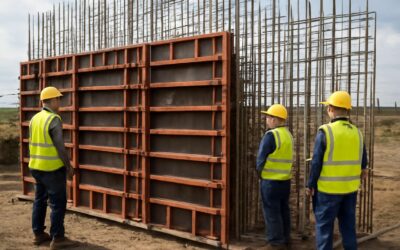
Behind every sturdy building stands a skilled formwork worker, shaping the foundation of South Africa’s skyline. This profession demands precision, strength, and a keen eye for detail. Formwork workers are responsible for constructing temporary molds that support concrete until it hardens, ensuring structures are safe and durable. Their role is critical in construction projects, from residential homes to skyscrapers.
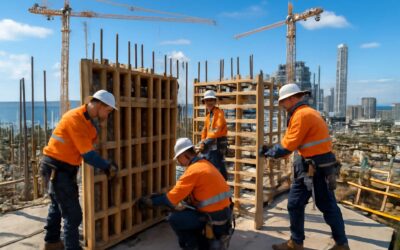
Understanding what a formwork worker does reveals the importance of their craft. They interpret engineering plans, select appropriate materials, and assemble formwork systems efficiently. Their work involves managing formwork forms, scaffolding, and safety protocols to prevent accidents on site. It’s a hands-on role that combines technical knowledge with physical endurance.
- Reading and understanding construction blueprints.
- Assembling formwork systems according to specifications.
- Ensuring safety standards are maintained throughout the process.
In South Africa’s competitive construction environment, a formwork worker’s expertise can make or break a project. Their role is vital in delivering quality structures that stand the test of time.
Importance in Construction Projects – Why formwork workers are essential for structural integrity
In the intricate dance of construction, the formwork worker stands as the silent guardian of structural integrity. Their role is not merely about shaping molds; it is about embedding stability into the very fabric of a building. When concrete hardens, it must do so within a precise form—an invisible promise that the structure will endure. Without skilled formwork workers, this promise shatters, risking failure and catastrophe. Their work ensures that every beam, wall, and foundation maintains its intended form, adhering to meticulous engineering blueprints.
The importance of a formwork worker extends beyond physical labor. It’s about understanding the weight of responsibility, interpreting complex plans, and executing with unwavering accuracy. From selecting proper materials to managing safety protocols, their expertise safeguards countless lives and investments. In South Africa’s competitive construction industry, the mastery of a formwork worker can mean the difference between a towering masterpiece and a costly failure.
- Interpreting blueprints with precision
- Constructing stable formwork systems
- Ensuring safety standards are maintained
Every project, whether it’s a residential home or a skyscraper, depends on the steadfast dedication of a formwork worker. Their craft is an unspoken vow to uphold the structural promise, making them an essential pillar in the future of South Africa’s skyline.
Typical Work Environment – Construction sites, safety protocols, and work conditions
Within the bustling symphony of a construction site, the formwork worker operates as an unsung maestro, orchestrating stability amid chaos. Their typical work environment is a landscape of raw potential—steel, wood, and concrete converging in a dance of transformation. From towering skyscrapers to modest residential developments, each site pulses with energy where safety protocols are the silent commandments guiding every move. The conditions are often demanding, with early mornings and unpredictable weather testing their resilience, yet they persist with unwavering dedication.
On site, a formwork worker navigates a terrain of hazards and opportunities, meticulously interpreting blueprints to craft precise molds. Their work demands agility and vigilance, ensuring safety standards are not merely met but woven into the very fabric of their craft. The environment is a testament to human ingenuity—where every plank and bolt echoes the promise of durability and strength.
- Adherence to strict safety protocols
- Coordination with other tradespeople
- Precision in constructing stable formwork systems
In South Africa’s ambitious construction landscape, the formwork worker’s role is a vital thread in the tapestry of progress, shaping the future one mould at a time. Their work environment is a crucible of challenge and opportunity, demanding both skill and spirit to uphold the integrity of every structure they touch.
Skills and Qualifications of a Formwork Worker
Essential Skills – Physical strength, attention to detail, and teamwork
A formwork worker’s role demands more than just physical labor; it’s a test of resilience and precision under intense conditions. With construction sites often bustling with activity and deadlines looming, the skills of a formwork worker become the backbone of structural integrity. These professionals must combine raw physical strength with acute attention to detail—one missed measurement can ripple into catastrophic failure.
Beyond brute force, teamwork is crucial. Formwork workers operate in tight-knit teams, where coordination can mean the difference between a stable structure and a dangerous flaw. Essential skills for a formwork worker include:
- Physical strength and stamina to handle heavy materials and prolonged work hours
- Meticulous attention to detail for precise measurements and placements
- Effective communication and teamwork to ensure safety and efficiency
In the unpredictable environment of South African construction sites, a formwork worker must adapt swiftly, balancing safety protocols with the relentless pace of progress. This profession demands a rare blend of physical endurance and sharp technical skills—qualities that, when combined, forge the backbone of every lasting structure.
Educational Requirements – Minimum education, vocational training, certifications
Becoming a proficient formwork worker requires more than just physical strength; it demands a foundation of solid educational credentials and targeted vocational training. In South Africa’s dynamic construction landscape, where projects range from towering skyscrapers to complex infrastructure, the qualifications of a formwork worker are vital for ensuring safety and precision on site.
Minimum educational requirements typically include a high school diploma or equivalent. However, specialized training significantly elevates a formwork worker’s capabilities. Vocational courses focusing on formwork techniques, safety protocols, and the use of construction tools are highly valued. Certifications such as the Construction Skills Certification Scheme (CSCS) or local South African safety standards serve as proof of competence and commitment to quality workmanship.
To further refine skills, many employers prefer candidates with hands-on experience or apprenticeships. In fact, a combination of formal training and practical exposure helps formwork workers adapt swiftly to the unpredictable and often challenging environment of construction sites. For those eager to excel in this field, ongoing professional development and certification upgrades remain essential elements of a successful career as a formwork worker.
Technical Skills – Reading blueprints, operating tools and machinery
In the realm of construction, a formwork worker is often the unsung hero behind towering structures and intricate infrastructure. Their technical prowess hinges on a mastery of precise skills that transform raw materials into the skeletons of modern marvels. Among these skills, reading blueprints with unwavering focus is essential—it’s like deciphering an ancient map that guides every step of the process.
Operating tools and machinery is where craftsmanship meets precision. From wielding power drills to setting up formwork panels, a formwork worker must possess a keen understanding of construction equipment. The ability to interpret technical drawings ensures that every form is cast flawlessly, adhering to strict safety and quality standards. For those eager to hone their craft, mastering these technical skills often involves hands-on experience and vocational training.
In fact, many employers value candidates who can confidently navigate the complexities of formwork design and machinery operation. An understanding of the following can make all the difference:
- Blueprint reading and interpretation
- Operation of formwork systems and tools
- Proficiency in safety protocols and standards
Such skills not only streamline the construction process but also reinforce the integrity of the final structure, making the role of a formwork worker both vital and rewarding in South Africa’s diverse construction landscape.
Training and Certifications for Formwork Workers
Common Training Programs – On-site training, apprenticeships
Training and certifications are vital for any aspiring formwork worker. Proper training ensures that workers understand safety protocols, technical skills, and best practices on-site. In South Africa, many companies offer comprehensive on-site training programs that simulate real construction environments, giving formwork workers the practical experience they need.
Apprenticeships are another common pathway, blending classroom learning with hands-on experience. These programs typically last several years and are crucial for developing the expertise required for complex structures.
Some of the most sought-after certifications for a formwork worker include health and safety courses, blueprint reading, and machinery operation. These credentials not only boost a worker’s confidence but also significantly improve job prospects and safety standards on the construction site.
Whether through formal apprenticeships or targeted training programs, continuous learning helps formwork workers stay updated with evolving techniques and regulations. This commitment to skill development is what keeps construction projects efficient and compliant with industry standards.
Safety Certifications – OSHA, fall protection, equipment operation licenses
In the realm of construction, where steel meets sky and concrete dreams take shape, safety certifications are the shield that guards the diligent formwork worker. These credentials are more than mere paperwork; they are the lifelines that ensure a worker’s well-being amid the chaos of the site. OSHA training, renowned for its rigorous standards, arms the formwork worker with the knowledge to navigate hazards and uphold safety with unwavering resolve.
Equally vital is fall protection certification—an essential safeguard for those working at dizzying heights. Equipment operation licenses further empower formwork workers to handle machinery with precision, transforming raw skill into mastery.
- Health and safety courses
- Fall protection certification
- Machinery operation licenses
Together, these certifications forge a fortress of competence, elevating the standards of safety and efficiency on South African construction sites. In this symphony of steel and skill, continuous learning remains the heartbeat—ensuring each formwork worker operates not just with strength, but with unwavering assurance.
Continuing Education – Staying updated with new techniques and safety standards
In the ever-evolving landscape of construction, the role of the formwork worker is akin to that of a master sculptor—crafting the skeleton upon which dreams are built. To remain at the pinnacle of this demanding craft, continuous education is not just advisable—it is imperative. The pursuit of new techniques and safety standards breathes life into the skills of a formwork worker, transforming routine tasks into artistry, precision, and safety interwoven in perfect harmony.
Staying updated through specialized training programs ensures that a formwork worker remains resilient amid the shifting sands of construction technology. Whether refining blueprint reading skills or mastering the latest machinery, ongoing education fortifies their expertise. Consider the importance of embracing safety certifications; they are the armor that shields the diligent worker from harm and elevates the standards of the entire site.
- Engaging in refresher courses on OSHA safety protocols
- Participating in fall protection training to navigate heights confidently
- Gaining new machinery operation licenses to handle advanced tools with mastery
In South Africa’s bustling construction corridors, a formwork worker’s journey of growth is continuous—a relentless pursuit of excellence. By weaving learning into their daily routine, they not only build structures but also resilience, ensuring each project stands as a testament to safety, skill, and unwavering dedication. Because in this realm where steel meets sky, knowledge truly remains the cornerstone of safety and success.
Tools and Equipment Used by Formwork Workers
Basic Tools – Hammers, measuring tapes, levels
A skilled formwork worker relies on a solid arsenal of tools to bring precision and safety to every project. Basic tools like hammers, measuring tapes, and levels are the backbone of their daily tasks. These essentials ensure accurate measurements, proper alignment, and secure fastening of formwork structures. A well-calibrated level, for example, guarantees that walls and slabs are perfectly horizontal or vertical, preventing costly mistakes down the line.
In addition to basic tools, formwork workers often utilize specialized equipment such as screwdrivers, plumb bobs, and chalk lines. These tools help maintain consistency and speed up the workflow. For larger jobs, power tools like drills and saws become indispensable, allowing for faster assembly and disassembly of formwork systems. Whether working on-site in South Africa’s bustling construction zones or in more remote areas, having the right tools makes all the difference in quality and safety.
- Hammers for fastening
- Measuring tapes for accuracy
- Levels for alignment
Specialized Equipment – Formwork panels, scaffolding, concrete vibrators
In the intricate dance of construction, a formwork worker wields more than mere tools— they command an arsenal that transforms raw materials into the skeletal masterpieces of our cities. Among these instruments, specialized equipment such as formwork panels and scaffolding are the silent architects of stability, guiding the precise shaping of concrete structures. The sturdy formwork panels serve as temporary yet vital molds, their seamless surfaces and durable frames ensuring the integrity of every pour.
Scaffolding, like the spine of a towering giant, elevates the formwork worker to new heights, allowing safe access to work areas that seem to touch the sky. Concrete vibrators, often overlooked but indispensable, breathe life into still pools of wet concrete, removing air pockets and guaranteeing a solid, uniform foundation. These tools, combined with the craftsmanship of the formwork worker, forge the backbone of construction projects across South Africa’s bustling urban landscapes and remote rural sites.
- Formwork panels for shaping and support
- Scaffolding for elevation and access
- Concrete vibrators for compaction and strength
This symphony of specialized equipment demands more than just skill; it requires an eye for detail and an understanding of how each element interlocks to produce a resilient structure. When every component works harmoniously, the formwork worker’s artistry is revealed—crafting not just concrete, but the very foundation of progress itself.
Safety Gear – Helmets, harnesses, gloves
Behind every towering skyscraper and resilient foundation in South Africa lies the unwavering dedication of a formwork worker. These artisans of construction do more than wield tools—they embody the silent strength that holds our urban landscapes together. Their safety and efficiency hinge on the precise selection and use of specialized equipment, which demands both expertise and an unwavering sense of responsibility.
Safety gear is the shield that protects these vital workers as they navigate high scaffolding and complex formwork systems. Helmets shield their heads from falling debris, while harnesses prevent falls from dizzying heights. Gloves offer a crucial grip and protect against sharp surfaces and rough materials. In this high-stakes environment, every piece of safety gear is a moral obligation, ensuring that the human element remains intact amid the mechanical chaos.
Moreover, the tools and equipment utilized by a formwork worker extend beyond basic safety. They include formwork panels, scaffolding, and concrete vibrators—each playing a pivotal role in shaping durable, precise structures. The synergy of these tools with the worker’s skill transforms raw concrete into architectural marvels. It’s a delicate dance, where attention to detail and respect for safety standards are paramount. When these elements align, the formwork worker becomes not just a craftsman but a guardian of progress, holding the future in their capable hands.
Work Environment and Safety Considerations
Typical Hazards – Falls, heavy machinery, electrical hazards
The work environment of a formwork worker is as unpredictable as it is vital. High above the ground, construction sites become a theatre of risk, where every movement counts. Falls remain one of the leading hazards — a stark reminder that safety protocols are not mere suggestions, but lifelines. Heavy machinery, from cranes to concrete vibrators, introduces a relentless mechanical force, demanding vigilance and precision from every formwork worker. Electrical hazards lurk in the shadows of exposed wiring and temporary power sources, making awareness and proper training essential.
In this perilous arena, safety considerations are paramount. Employers often mandate safety certifications such as OSHA compliance and fall protection training, which serve as the foundation of a formwork worker’s protective armor. The integration of specialized equipment—scaffolding, formwork panels, and harnesses—further mitigate the inherent dangers. Despite the physicality of the role, a formwork worker’s resilience—mental and physical—becomes their greatest asset in navigating the relentless realities of construction sites.
Safety Protocols – Proper PPE usage, site inspections, emergency procedures
In the high-stakes realm of construction, the environment faced by a formwork worker is a mosaic of unpredictability and precision. Every beam, every panel, every step must be executed with unwavering focus—because safety isn’t just a protocol; it’s the very fabric that sustains life on site. Amidst towering scaffolding and looming machinery, the importance of rigorous safety considerations cannot be overstated.
Proper PPE usage—helmets, harnesses, gloves—serves as the first line of defense, transforming protective gear from mere accessories into vital shields against the chaos of the work environment. Regular site inspections, meticulously conducted, reveal potential hazards before they manifest into disasters. Emergency procedures, clearly outlined and drilled, ensure that each formwork worker knows how to respond swiftly when seconds matter most. In this fiercely demanding environment, vigilance and adherence to safety protocols are the bedrock of every successful project.
In the intricate dance of risk management, it’s crucial for a formwork worker to embrace a culture of safety—where every tool, every maneuver, is underpinned by awareness and discipline. Safety considerations are not an afterthought but an integral part of every moment spent amidst the concrete and steel—an unyielding commitment to safeguarding lives while forging the future of construction in South Africa.
Workplace Safety Regulations – Compliance standards and best practices
In the relentless pursuit of construction excellence, the work environment of a formwork worker is a crucible where safety and precision collide. It’s a space fraught with unpredictability—towering scaffolds, heavy machinery, and the unyielding presence of concrete—demanding unwavering focus. Compliance with workplace safety regulations isn’t just a legal obligation; it’s a moral imperative that underpins every moment on site. Adhering to best practices ensures that risks are minimized and lives are protected amidst the chaos.
In South Africa, safety standards such as OSHA compliance and fall protection protocols serve as the backbone of a secure work environment. For a formwork worker, this means rigorous application of safety gear—helmets, harnesses, gloves—and constant vigilance during site inspections. These inspections act as sentinel measures, revealing unseen hazards before they manifest into disasters. Moreover, understanding and implementing emergency procedures can be the difference between chaos and control when seconds count.
Workplace safety regulations are not static. They evolve with technological advances and deeper insights into human resilience and vulnerability. For formwork workers, staying abreast of these changes through continual education and training is essential. Whether operating formwork panels or navigating scaffolding, compliance standards and best practices are the silent guardians that uphold the integrity of both the project and the human lives involved.
Career Path and Opportunities for Formwork Workers
Advancement Prospects – Supervisory roles, specialize in formwork systems
Every skilled formwork worker knows that their craft is more than just assembling temporary structures — it’s about shaping the future of our cities and communities. As the construction industry in South Africa evolves, so do the opportunities for advancement within the ranks of formwork workers. Career progression often begins with mastering the fundamentals on-site, but it can lead to roles that influence entire projects. For those with a keen eye for detail and leadership qualities, supervisory roles present a natural next step, allowing experienced formwork workers to oversee teams and ensure safety and precision.
Moreover, specialization in formwork systems offers another avenue for growth. A formwork worker might choose to focus on specific techniques, such as slipforming or tunnel formwork, becoming a go-to expert in niche areas. This expertise can open doors to consultancy positions or technical training roles, where sharing knowledge and refining techniques become the new frontier. As the demand for innovative construction solutions rises, formwork workers with specialized skills are increasingly sought after, promising a future rich with opportunity and professional fulfillment.
Benefits of Experience – Higher wages, greater responsibilities
A career as a **formwork worker** is more than just a job; it’s an entry into a world where skill, precision, and dedication shape the very backbone of South Africa’s urban landscape. As experience accumulates, so do opportunities for upward mobility and increased earning potential. In this field, seasoned **formwork workers** often find themselves commanding higher wages, reflecting their invaluable contribution to complex construction projects.
With greater expertise comes greater responsibility. A **formwork worker** who has honed their craft can step into supervisory roles, overseeing entire teams and ensuring that safety protocols and technical standards are met without compromise. The benefits of experience extend beyond financial rewards—professional growth opens doors to specialized niches, such as slipforming or tunnel formwork, where mastery commands respect and higher remuneration. This evolution in a **formwork worker**’s career path promises a future where skilled craftsmanship and leadership intersect, driving both personal fulfillment and industry innovation.
Union and Non-union Workplaces – Differences in work conditions and benefits
In the labyrinthine corridors of construction, the pathway of a formwork worker often diverges into two distinct realms: unionized and non-union environments. This divergence shapes not only the immediate work conditions but also the long-term benefits and career progression opportunities that unfold along the way. Unionized workplaces tend to offer a robust safety net, with standardized wages, comprehensive benefits, and a collective voice that advocates for workers’ rights. Conversely, non-union sites might present a more flexible, albeit unpredictable, landscape where individual negotiation plays a crucial role in determining pay and conditions.
For a formwork worker navigating these contrasting worlds, understanding the nuances can be transformative. Union membership often grants access to exclusive training programs, consistent safety protocols, and a structured hierarchy that fosters professional growth. Meanwhile, non-union workplaces may require a more proactive approach to skill enhancement but can also afford greater autonomy and entrepreneurial avenues. Ultimately, whether union or non-union, the core of a formwork worker’s journey remains rooted in mastery of technical skills, safety diligence, and relentless pursuit of craftsmanship excellence.
Hiring and Employment Tips for Formwork Workers
Where to Find Jobs – Construction companies, staffing agencies
Securing a position as a formwork worker in South Africa’s bustling construction sector often feels like threading a needle in a haystack—challenging yet rewarding. Yet, the right approach can turn this pursuit into a rewarding career move. Construction companies looking to hire value candidates who demonstrate not only physical prowess but also a keen eye for detail and safety consciousness. Staffing agencies, on the other hand, serve as excellent gateways, connecting skilled formwork workers with projects that match their expertise. These agencies are particularly adept at matching talent with the right job, ensuring that both parties benefit from a mutually advantageous arrangement.
To find the most promising opportunities, consider exploring job listings on reputable construction job boards, or directly approaching construction companies renowned for their infrastructure projects. Networking within industry circles and attending trade fairs can also unveil unadvertised vacancies. For those eager to cement their place in the field, maintaining a robust portfolio of safety certifications and technical skills can make all the difference—setting you apart as a sought-after formwork worker in South Africa’s competitive landscape.
Crafting a Strong Resume – Highlighting skills, certifications, experience
Hiring and Employment Tips for Formwork Workers: Crafting a Strong Resume
In the competitive world of South Africa’s construction industry, a well-crafted resume can be your golden ticket to landing that coveted formwork worker role. Think of your CV as your personal billboard—showcasing your skills, certifications, and experience in a way that turns heads. Remember, employers aren’t just after biceps; they want a candidate with a sharp eye for detail, safety consciousness, and a track record of solid work.
Start by highlighting your technical skills, such as blueprint reading, operating formwork panels, or managing scaffolding. Certifications like OSHA safety training or specialized equipment licenses aren’t just showpieces—they’re your proof of professionalism and commitment. List your experience with concrete vibrators, formwork installation, and site supervision to demonstrate your expertise in the field. A compelling resume balances technical prowess with soft skills like teamwork and problem-solving, making you the complete package.
To stand out further, consider including a section dedicated to ongoing education or recent training programs. Employers value workers who stay updated with the latest safety standards and construction techniques. Using an unordered list can neatly organize your key competencies, making it easier for hiring managers to identify your strengths at a glance:
- Blueprint interpretation
- Formwork panel installation
- Safety certifications (OSHA, fall protection)
- Operating concrete vibrators
- Team collaboration skills
Remember, a resume isn’t just about listing skills; it’s about telling your story as a reliable, safety-minded, and skilled formwork worker ready to contribute to South Africa’s bustling construction projects. So, sharpen that CV and let your expertise shine—your next opportunity might just be a well-placed keyword away!
Interview Preparation – Discussing safety record, technical knowledge
In the bustling realm of South Africa’s construction industry, securing a position as a formwork worker demands more than just physical strength; it requires a meticulous approach to interview preparation. Employers place a premium on a candidate’s safety record, viewing it as a reflection of their professionalism and commitment to safeguarding themselves and others on site. Demonstrating a spotless safety record can set you apart from the competition and showcase your dedication to maintaining high safety standards.
Technical knowledge remains the cornerstone of a successful interview. Be prepared to discuss your experience with blueprint interpretation, formwork panel installation, and the operation of specialized equipment like concrete vibrators. A solid grasp of site safety protocols and understanding of relevant safety certifications—such as OSHA and fall protection—are essential for convincing employers of your readiness to contribute effectively. Remember, a knowledgeable formwork worker is an asset who can navigate complex construction environments with confidence.
Employers appreciate candidates who have invested in continuous learning. Highlight recent training programs or on-site apprenticeships that have sharpened your skills and kept you abreast of evolving construction techniques. This ongoing pursuit of knowledge demonstrates your commitment to excellence and safety, qualities that are highly valued in the competitive landscape of South Africa’s construction projects.
Future Trends in the Formwork Industry
Innovative Materials and Techniques – Use of modular formwork, automation
The future of the formwork industry is poised on the cusp of revolutionary change, driven by innovative materials and cutting-edge techniques that redefine traditional boundaries. As urban landscapes in South Africa continue to evolve rapidly, the role of the formwork worker becomes increasingly crucial—standing at the intersection of craftsmanship and technological prowess. The advent of modular formwork systems offers unprecedented efficiency, enabling swift assembly and disassembly that significantly reduces project timelines and labor costs. This shift not only enhances productivity but also elevates safety standards on bustling construction sites.
Meanwhile, automation is gradually infiltrating the realm of formwork, with robotic systems capable of executing repetitive tasks with precision and consistency. These advancements empower the formwork worker to focus on more complex, strategic responsibilities, fostering a safer and more dynamic work environment. As the industry embraces these innovations, those with a keen understanding of new materials and automation technologies will find themselves at a distinct advantage, shaping the future landscape of construction in South Africa.
Impact of Technology – Building information modeling (BIM), digital tools
In the rapidly evolving landscape of South African construction, technology’s influence on the formwork industry is nothing short of transformative. Building information modeling (BIM) and digital tools are now integral to planning and executing projects with surgical precision. For the astute formwork worker, mastering these innovations is akin to wielding a modern-day Excalibur—offering a distinct edge in efficiency and safety.
Advanced digital tools facilitate real-time collaboration, allowing formwork workers to interpret complex blueprints with ease and accuracy. These innovations also streamline the management of formwork systems, reducing waste and optimizing resource allocation. As the industry tilts more towards automation, formwork workers who embrace these technological trends will find themselves at the forefront of a new construction epoch. With sophisticated software and digital workflows, the craft of formwork is no longer solely about physical prowess but also about technological agility.
Sustainable Practices – Eco-friendly materials, waste reduction
The future of the formwork industry in South Africa is taking a bold turn toward sustainability, driven by a collective push for eco-friendly practices. As the construction sector grapples with environmental challenges, formwork workers are increasingly becoming champions of green innovation. The adoption of sustainable materials—such as recycled timber, bamboo, and biodegradable composites—promises to transform traditional practices into more responsible endeavors.
Waste reduction is now a central focus, with new strategies designed to cut down on excess materials and reusables. Formwork systems are evolving to incorporate modular components that can be reused across multiple projects, significantly lowering the ecological footprint of construction sites. This shift isn’t just about environmental consciousness; it’s about forging a resilient, future-proof industry.
In fact, this trend is supported by a growing array of policies and certifications that prioritize eco-friendly construction.
- Recycled materials
- Efficient resource management
- Reduced waste streams
These elements are becoming standard expectations for modern formwork workers, who must stay ahead of the curve in sustainable practices. The fusion of innovative materials and cutting-edge techniques is set to redefine what it means to be a formwork worker in South Africa’s green construction revolution.

0 Comments