
Understanding Formwork Elements: A Complete Guide
Types of Formwork Elements
In the intricate dance of construction, understanding formwork elements is akin to mastering the choreography—each piece has a crucial role, and precision is paramount. Recent surveys reveal that a significant 75% of structural mishaps stem from overlooked or misused formwork elements, underscoring their importance in ensuring safety and efficiency. These components are the unsung heroes that shape the very backbone of concrete structures, transforming raw materials into architectural marvels.
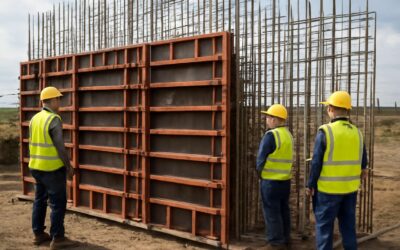
From the sturdy panels that define the form’s face to the versatile braces providing stability, every formwork element serves a purpose. Without them, the entire process risks collapsing into chaos. Common types include:
- Form panels
- Tie rods and wedges
- Support props and shores
- Alignment and bracing systems
Each element must be selected with care, considering factors like load-bearing capacity and ease of dismantling. The nuanced interplay of these formwork elements determines not only the quality of the finished structure but also the safety of everyone involved—making their mastery a non-negotiable skill in the construction arena.
Materials Used in Formwork Elements
Understanding formwork elements is essential for anyone involved in construction. These components serve as the framework that shapes concrete structures, ensuring both precision and safety. The materials used in formwork elements vary based on project requirements, budget, and environmental conditions. Common choices include timber, steel, and plastic, each offering unique advantages. Timber is affordable and easy to work with, making it a popular choice for temporary formwork. Steel, on the other hand, provides durability and strength, ideal for larger or repetitive projects. Plastic formwork elements are lightweight and resistant to corrosion, making them suitable for certain applications.
Choosing the right materials for formwork elements influences the overall quality of the construction and the ease of dismantling after the concrete has set. It’s also important to consider load-bearing capacity and compatibility with other components. When selecting formwork elements, the focus should be on durability, safety, and adaptability to complex designs. This meticulous selection process underscores why understanding the materials behind these elements is as crucial as the elements themselves—especially in a landscape where construction standards continue to evolve.
Design Considerations for Formwork Elements
Formwork elements are the unsung heroes of any concrete masterpiece—silent, sturdy, and often overlooked. They are the scaffolding of precision, ensuring your walls don’t suddenly decide to go all abstract on you. But understanding these components isn’t just about knowing which plank goes where; it’s about grasping how they work together to create safe, durable structures that stand the test of time.
Design considerations for formwork elements involve a careful dance of load capacity, surface finish, and ease of removal. Engineers and builders must ask themselves: Will this element support the weight? Will it leave a smooth finish? Will it come apart without turning the entire wall into a pile of rubble? The answer often lies in the meticulous selection of materials, shapes, and connection methods. When all these factors align, your formwork elements become the backbone of an impeccable build—robust, reliable, and ready to impress.
In essence, selecting the right formwork elements is like choosing the perfect cast for a leading role—crucial for a flawless performance. From modular panels to intricate scaffolds, each element plays a vital part in transforming raw concrete into architectural marvels across South Africa. And yes, a little wit and wisdom go a long way in making the construction process not just efficient but also a tad more enjoyable!
Applications of Various Formwork Elements
In the shadowed corridors of construction, formwork elements serve as the silent architects of stability—mysterious yet indispensable. These components, often unseen by the untrained eye, hold the promise of a flawless concrete surface and unwavering structural integrity. Understanding the applications of various formwork elements reveals their crucial role in transforming raw, unwieldy material into architectural marvels across South Africa.
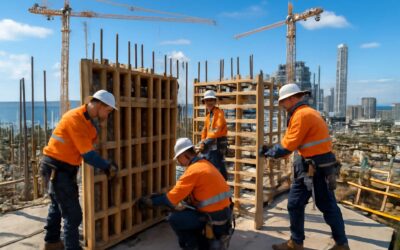
Each piece—be it a panel, prop, or brace—has a purpose rooted in precise application. For instance, vertical formwork elements support towering walls, while horizontal components shape slabs and beams. Their strategic deployment ensures that the weight and pressure of wet concrete are borne with unwavering resilience. When these elements are carefully chosen and arranged, they become the backbone of a resilient, durable structure.
Moreover, the application of formwork elements extends beyond mere support; it influences the surface finish and the speed of construction. For complex projects, modular formwork systems demonstrate versatility, allowing for intricate shapes and rapid assembly. When wielded with expertise, these elements conjure up the very essence of craftsmanship—every detail meticulously crafted in the dark, waiting for the light of completion to reveal their true beauty.
Advantages of Using High-Quality Formwork Elements
Understanding formwork elements is the cornerstone of any successful construction project. These components are not mere accessories; they are the silent guardians that shape the very fabric of our built environment. When chosen with precision, formwork elements seamlessly support wet concrete, ensuring that the final surface is flawless and durable. Their strategic application can mean the difference between a fleeting structure and a lasting masterpiece.
High-quality formwork elements bring a plethora of benefits—chief among them, reliability and efficiency. Their robustness minimizes the risk of deformation under immense pressure, safeguarding the integrity of the formwork during pouring and curing. Moreover, premium materials extend the lifespan of these components, creating a more sustainable and cost-effective solution for construction companies across South Africa.
- Enhanced safety during construction due to stable support systems
- Faster assembly and dismantling speeds, accelerating project timelines
- Superior surface finish, reducing the need for extensive post-processing
Investing in high-quality formwork elements is not just a choice; it’s a strategic decision that elevates construction standards and ensures the longevity of the structure. With their resilience and adaptability, these elements truly embody the artistry and science that underpin modern architecture in South Africa’s dynamic landscape.
Maintenance and Storage of Formwork Elements
In the shadowed corridors of construction, where concrete dreams take shape, the importance of proper maintenance and storage of formwork elements cannot be overstated. These silent sentinels, forged from resilient materials, require meticulous care to preserve their integrity amidst the chaos of a bustling site. Neglecting their upkeep risks structural flaws that could haunt the final masterpiece long after the last bolt is tightened.
Proper storage begins with a controlled environment—protected from moisture, extreme temperatures, and mechanical damage. Stacking formwork elements carefully, avoiding unnecessary stress, prolongs their lifespan and maintains their precision. Regular inspections reveal cracks or deformities, preventing minor defects from snowballing into costly catastrophes. Remember, each element—whether a panel, spacer, or clamp—embodies the backbone of a flawless pour.
To streamline the process, consider implementing a systematic approach:
- Designate specific storage zones, clearly marked and easy to access.
- Keep formwork elements clean and dry after each use.
- Conduct routine checks to identify wear and tear early.
By respecting these principles, construction firms across South Africa ensure their formwork elements remain steadfast guardians of architectural ambition, ready to support future projects with unwavering strength. In this dance of shadows and concrete, the preservation of these vital components sustains the integrity of every structure that emerges from the darkness into the light.
Innovations in Formwork Elements
Understanding formwork elements is essential for any construction project aiming for precision and durability. These components are the silent heroes of concrete casting, shaping the very foundation of our built environment. Each element, from panels to clamps, plays a vital role in ensuring that the formwork system functions seamlessly. Innovations in formwork elements have transformed traditional methods, making processes faster and more efficient while maintaining safety standards.
Modern advancements include lightweight yet robust materials, modular designs, and adjustable components that adapt to complex architectural demands. For instance, some formwork elements now feature quick-release mechanisms, reducing setup time and labor costs. This evolution not only boosts productivity but also enhances the safety and reliability of the entire formwork system.
- Enhanced durability through innovative materials
- Modular systems for flexible configurations
- Integrated safety features to protect workers
By embracing these innovations, construction professionals in South Africa can elevate the quality of their work, ensuring that every concrete pour is supported by formwork elements designed for excellence and longevity. Truly, understanding the nuances of these vital components unlocks the potential for groundbreaking architecture that stands the test of time!

0 Comments