The Role of Formwork in Construction
Importance of Formwork in Structural Integrity
‘A solid form is half the structure,’ goes the saying on many South African sites, and it’s more than folklore. A well-built frame keeps the concrete in place as it cures, protects joints, and makes pours predictable. That certainty saves time, money, and stress when deadlines loom and crews are stretched!
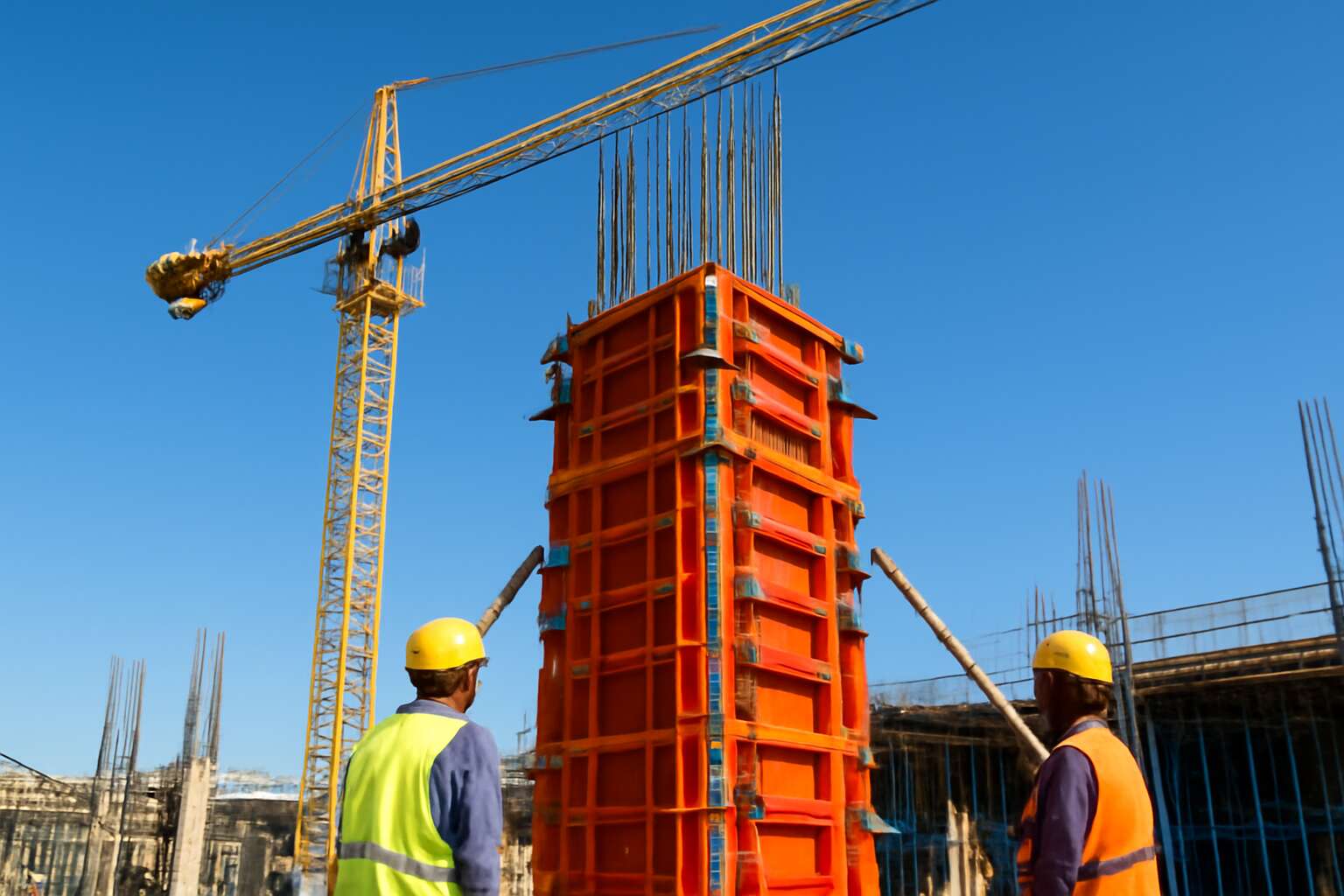
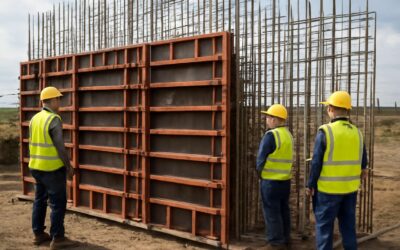
This is where formwork proves its worth in construction. It defines dimensions, supports loads during curing, and prevents leaks or misalignment. On site, I’ve seen how proper formwork keeps pours clean, reduces rework, and protects joints. This is a reminder: why formwork is necessary for accurate dimensions and durable joints on every project.
Key benefits include:
- Dimensional accuracy that reduces rework
- Effective load transfer to the foundation
- Cleaner surfaces and faster handover
- Safety improvements through stable supports
Understanding why formwork is necessary helps teams plan, coordinate, and deliver.
How Formwork Shapes Concrete Strength and Durability
Formwork is the quiet scaffold that turns dry plans into solid, living concrete! It guides how the mixture settles, controls early porosity, and defines the surface that technicians will finally touch. In South African sites, where climate swings can test strength, the formwork set-up determines structural realism from the first pour.
The question: why formwork is necessary becomes clear as curing begins. A rigid, well-seated frame limits lateral movement, directs shrinkage, and shapes internal loads so that the concrete hardens with fewer cracks and more durability. It also supports safe, orderly pours under pressure.
- Dimensional stability that reduces rework
- Controlled load transfer to foundations
- Cleaner finishes and faster handover
On the job in SA, thoughtful formwork design translates into resilience and bottom-line certainty.
Key Benefits of Proper Formwork Systems
On South African sites, every pour is a race against time—formwork is the frame that keeps speed and safety in check. From heat waves to sudden wind, it holds the line so concrete sets true and crews stay on schedule. That’s the core of why formwork is necessary on any project. When the pour starts, the frame guides flow, controls early porosity, and shapes the surface that layers later touch.
When it’s done right, the benefits stack in three clear ways:
- Dimensional stability that reduces rework
- Controlled load transfer to foundations
- Cleaner finishes and faster handover
On SA sites, thoughtful formwork design translates into resilience and bottom-line certainty.
Formwork and Construction Time Efficiency
In South Africa’s heat and shifting winds, formwork does more than hold concrete; it keeps a construction day’s pace honest. When we talk about timing, the frame becomes the pulse that moves crews from trench to pour to cure. This is the core of why formwork is necessary in any project.
A well-planned system on SA sites translates weather and deadlines into fewer delays and faster handovers. Time on site is money, and formwork is the unsung partner that makes every minute count!
- Rapid setup and stripping that fits tight pour cycles
- Controlled sequence to minimize waiting between lifts
- Integrated formwork that supports parallel trades for quicker turnover
When the formwork is designed with time in mind, the concrete flows predictably and crews keep a steady rhythm. A strong frame is a quiet win for safety, productivity, and the bottom line.
Materials and Design Considerations for Formwork
Choosing Materials: Timber vs Steel vs Plastic
On South Africa’s bustling sites, formwork is more than a scaffold—it’s the quiet frame that holds ambition steady. I have learned to listen as timber sighs, steel sings, and plastic glimmers, each choice whispering about durability, reuse, and the rhythm of a project. In this ledger of craft, timber, steel, and plastic each write a different line.
Design considerations include load, climate, reuse cycles, and safety. Timber offers warmth and adaptability; steel delivers rigidity and longevity; plastic keeps weight light and resisting moisture. This is why formwork is necessary.
- Timber: flexible, faster to cut, cost-effective in short runs
- Steel: high strength, reusable across many pours
- Plastic: lightweight, weather resistant, easy to handle
Together, these choices shape the pour’s character, especially in South Africa’s sun and wind, where durability and craft meet in every beam.
Reusability and Lifecycle Costs of Formwork
On South Africa’s busier sites, a smart formwork strategy can turn a hard-won pour into a long-term asset. A commonly cited figure is that reuse-driven design can trim lifecycle costs by up to a third, even in harsh sun and wind. This is why formwork is necessary. The right choice—timber for nimble tweaks, steel for stubborn durability, or plastic for light, weatherproof cycles—shapes the pour’s character before a single cube hits the mould.
- System compatibility across pours
- Ease of stripping and reassembly
- Moisture and UV resistance
- Availability of spares and repair options
Design for reuse isn’t vanity—it cuts waste, reduces crane time, and keeps crews safer by minimizing hurried, fragile setups. In SA’s climate, thoughtful detailing matters as much as the material itself.
Safety and Compliance in Formwork Design
Materials and design choices for formwork safety hinge on more than aesthetics; they anchor a site’s risk profile. In SA sites, moisture, sun, and wind demand formwork systems that resist warping, maintain edge integrity, and keep joints forgiving under vibration. Design for safety means predictable load paths, generous bracing, and durable hardware that survives daily handling. This is why formwork is necessary.
Beyond the basics, compliance requires a deliberate design discipline: clear documentation, safe demolding angles, and moisture and fire considerations baked into every panel and link. For South African crews, local standards and site-specific weather patterns shape every connection. This is the language of safer pours and steadier progress on busy sites.
- Defined load ratings and bracing layouts
- Corrosion resistant fasteners and moisture barriers
- Traceable inspection records and component tagging
Customization and Adaptability for Complex Structures
Materials and design considerations for formwork customization hinge on the ability to bend to complex geometries without sacrificing integrity. For SA projects, that means panels that can morph from a sweeping curve to a tight corner while resisting warping under sun and vibration. Durable timber cores, corrosion-resistant fasteners, and moisture barriers let crews punch above their weight when schedules tighten and forms must stay put. This is where understanding why formwork is necessary becomes practical: the form is the blueprint for concrete precision, surface finish, and safe demolding in challenging sites.
To adapt to complex structures, favor modular, reconfigurable systems and smart joint details. Consider a short list of levers:
- Modular panels with adjustable angles
- Stay-in-place inserts and removable cores
- Integrated moisture barriers and quick-release ties
These strategies support adaptable surfaces and reliable demarcations where geometry runs wild, all while staying true to site realities in South Africa’s diverse environments.
Practical Applications and Use Cases
Formwork in Residential Construction
Formwork is the quiet engine behind every solid residential pour. It shapes walls, slabs, and foundations with precision, turning raw materials into a reliable frame. “Form and function go hand in hand,” a veteran builder once said, and the line sticks. That answers why formwork is necessary on every home project in South Africa—it keeps lines true and pours predictable!
In residential projects, formwork finds purpose across several stages, guiding both timing and accuracy.
- Foundations and footings
- Ground slabs and floors
- Exterior and interior walls
- Stairs, landings and balconies
- Courtyards and terraces with clean finishes
From tight urban plots to compact family homes, proper formwork keeps finishes consistent and reduces rework—the small frame that pays big dividends when the heat is on during construction in SA.
Formwork in High-Rise and Commercial Projects
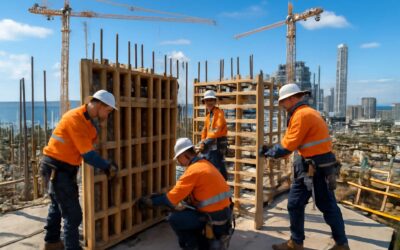
In the bustling heart of South Africa’s cities, high-rise and commercial projects lean on formwork as their unsung backbone. This is where concrete takes shape with clean lines and predictable pours, a prerequisite for safe, efficient towers and campuses! This reality explains why formwork is necessary on tall, complex builds—the frame guides every lift, every slab, every façade interface with unwavering precision.
- Vertical cores and shear walls: guiding loads and aligning openings for elevators and stairwells.
- Podium slabs and transfer floors: enabling multi-level commercial spaces with clean, consistent finishes.
- Balconies, terraces and intricate interfaces: requiring accurate soffits to meet facade tolerances.
Across South Africa’s diverse skylines, these practical applications illustrate how formwork supports speed, safety, and quality in high-rise and commercial builds.
Temporary vs Permanent Formwork Solutions
On South Africa’s bustling building sites, formwork decisions ripple through schedule and budget! Temporary systems fuel rapid cycle pours for slabs and cores, while leaving room for adjustments as the building rises. This is why formwork is necessary to align every level with structural intent and safety.
For practical applications and use cases, consider the following scenarios:
- Temporary formwork enables fast, repeatable pours in slabs and walls, designed for reuse across levels.
- Shoring and transfer formwork supports loads during concrete setting on podiums and floors, preserving tolerances and safety.
- Permanent or stay-in-place formwork panels stay in place where finishes and insulation demand minimal on-site rework.
Together, these use cases illustrate how formwork strategies shape quality and schedule on South Africa’s high-demand projects, balancing asset longevity with cost efficiency.
Specialty Formwork for Curves and Angles
In South Africa’s bustling building sites, curves aren’t decorative flourishes; they’re structural statements. Specialty formwork keeps radii true as concrete sets, handling tight tolerances where generic panels would falter and misalign, turning complex geometry into a reliable, buildable reality.
Practical applications span a few notable scenarios:
- Curved stair cores and radius walls for clean sightlines
- Circular tanks and façades with organic shapes
- Angled balconies and architectural arches requiring tight finish tolerances
This explains why formwork is necessary.
With the right specialty formwork, curves become predictable, not a budget surprise. In SA, that translates to fewer call-backs and more time on the skyline.
Economic and Project Management Perspectives
Cost-Benefit Analysis of Formwork Systems
“The skeleton of every build holds more power than the walls,” a veteran project manager says. It’s not drama; it’s data: formwork sets the limit and the pace. That’s why formwork is necessary—it frames every decision about stability, safety, and schedule.
From a Cost-Benefit lens, the economics of formwork hinge on lifecycle value, not just price tags. Upfront spend must be weighed against reusability, reduced downtime, and smoother handovers. In South Africa’s varied terrains, the right system can shave days off critical paths and safeguard margins.
- Upfront costs versus long-term savings
- Labor productivity and safety impacts
- Reusability and logistics
Adopting a strategic approach to formwork management turns risk into reliability and uncertainty into a clear budget line—a quiet, almost spectral advantage that keeps projects on track and on target.
Scheduling, Labor, and Resource Planning
In the ledger of every build, the skeleton moves the dial on risk and reward. Economic thinking treats timing as currency, and formwork decisions ripple through the entire project timeline. That is why formwork is necessary—it frames stability, safety, and handover with a precision that budget-makers can trust, from the rural towns of the Karoo to the skylines of coastal cities.
From an economic and project-management perspective, scheduling, labor, and resource planning form the three gears that keep budgets honest and timelines intact. This is why formwork is necessary. When formwork sequences align with crane availability and crew fatigue cycles, downtime dwindles, reliability grows, and margins stay intact across varied South African conditions.
- Scheduling: aligning formwork cycles with critical paths
- Labor: boosting productivity while preserving safety and well-being
- Resource Planning: balancing concrete, timber, steel, and equipment across shifts
Risk Management and Quality Assurance
Across South Africa’s building sites, budgets breathe and tensions rise like heat on a tin roof. Time is currency in the boardroom, and formwork choices ripple through every milestone with careful arithmetic. From the Karoo’s quiet horizons to the glitter of coastal skylines, this is why ‘why formwork is necessary’ resonates— it frames stability, safety, and handover with a precision even the sternest estimator can trust.
- Risk register discipline and traceable formwork sequences—why formwork is necessary to guard against schedule drift.
- Quality assurance during erection, inspection, and stripping to prevent rework.
- Materials control and documentation to verify timber, steel, and shuttering across shifts.
When the chain of operations hums in harmony, safety becomes a shared language and costly rework fades. A disciplined formwork plan is not luxury; it protects margins, speeds handover, and respects South Africa’s varied conditions. Indeed!
Environmental Considerations and Waste Reduction
On South African sites, budgets breathe and timelines tighten with the rising sun—an echo that never quite fades. A telling stat lingers in the planning room: projects derail when formwork decisions lag. This is why why formwork is necessary becomes a compass for economic discipline and margin protection.
Economic and project management perspectives demand disciplined sequencing. Formwork dictates cash flow, procurement, and milestone payments; a clear plan trims idle time and preserves margins!
- Staged casting sequences that align with procurement windows
- Efficient resource allocation to minimize equipment idle time
- Predictable cash flow through milestone-based payments
Environmental considerations become a quiet vow: formwork choices curb waste, conserve energy, and keep sites cleaner. Reuse and recycling of timber and shuttering, modular systems, and careful waste segregation shrink landfill and emissions—benefits that travel from the site to the balance sheet, especially across South Africa’s varied climates.
How to Choose the Right Formwork System
Criteria for Selecting Formwork for a Project
Across South Africa’s fast-growing cities, the right formwork system can shave days from a schedule and prevent costly rework. The decision hinges on more than price—it shapes safety, quality, and how smoothly a project progresses from base to balcony. Start with the project footprint, geometry, and expected loads; these fundamentals tell you what the structure must hold and for how long, guiding material choice, quick-install capabilities, and predictable dismantling.
To navigate this, consider criteria that align with real site realities. This is why formwork is necessary for creating safe, accurate pours and reducing waste. Use a concise checklist to compare systems against your project profile:
- Project scale and geometry
- Load tolerance and vibration
- Reuse potential and lifecycle cost
- On-site access, safety, and transport
- Availability of skilled labour and local support
Vendor Evaluation and Warranty
On South Africa’s fast-growing cityscapes, the vendor you choose can shave days from a schedule or cast shadows of delay. A surprising 20% reduction in on-site downtime hinges on reliable formwork partnerships. This is why formwork is necessary for safe, accurate pours that endure the load.
Evaluating a vendor means more than price. Look for a solid warranty that covers both product performance and service response, and for a support network that arrives before the pour begins. The right partner becomes a quiet ally through cure and commissioning, turning rough plinths into certainty.
Consider these non-negotiables:
- Warranty scope and claim process
- Local service network and spare parts
- On-site training and handover
Trust in transfer: a dependable warranty is the skeleton that holds a building from base to balcony, a lantern in the dark corridors of a site’s fleeting hours!
Installation, Maintenance, and Flow of Operations
From the dust of early-morning sites to the gleam of poured concrete under a South African sun, the right formwork system sets the pace. A clean setup keeps pours true and captures daylight in the form of straight lines and true edges. This is why formwork is necessary!
To choose the right system for installation, maintenance, and flow of operations, start with a practical plan that mirrors your site constraints.
- Installation sequence aligned with pour timing
- Durable, climate-suited materials
- On-site maintenance with clear inspection points
- Spare parts and local service access
Finally, involve the crew early—training, handover, and a responsive partner who can adapt to curveballs on site. A well-aligned flow of operations keeps pours honest even when weather or supply chains tighten.
Case Studies: Real-world Outcomes of Proper Formwork
Across South Africa’s construction sites, the right formwork system turns complex plans into clean, accurate pours. Real-world case studies reveal how proper formwork supports predictable vibrations, straight edges, and fewer reworks. This is why formwork is necessary—the scaffold that holds design intent steady from the first pour to the final finish, almost like a whisper guiding the pour under a South African sun.
- Case study outcomes: faster cycle times and reduced waste
- Improved safety and fewer near-misses on busy slab pours
- Enhanced edge quality and fewer chilly joints in exposed concrete
From curves to tight tolerances, these case studies show the value of choosing adaptable, service-backed systems. When formwork aligns with site conditions, outcomes stay solid even as weather or supply chains tighten.

0 Comments