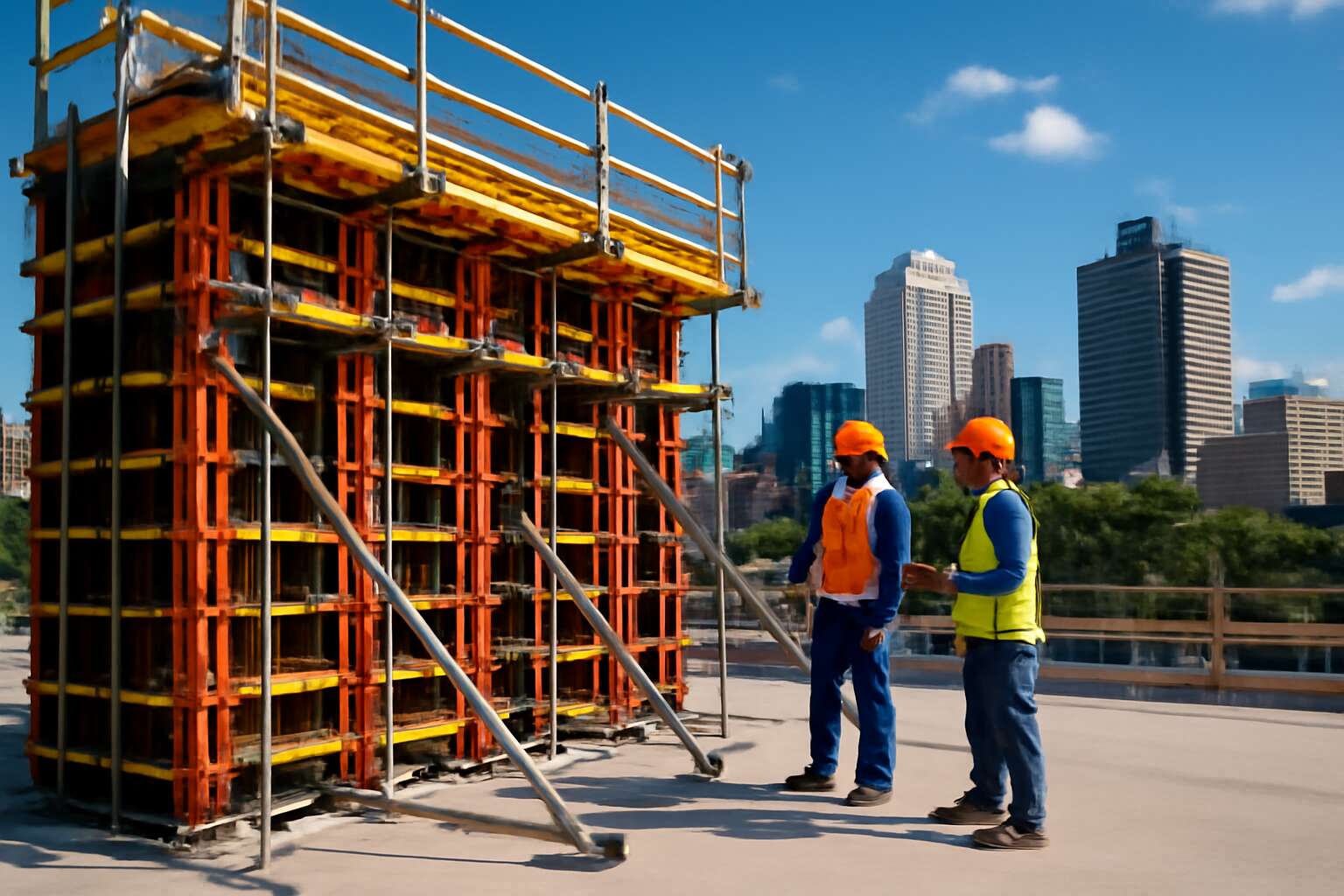
Understanding Formwork Scaffolding
What is Formwork Scaffolding?
Formwork scaffolding in Durban is the silent backbone of modern construction, an intricate dance between stability and precision. It’s more than just a temporary structure; it’s a testament to human ingenuity in shaping the built environment. When we consider the complexity of towering skyscrapers or intricate architectural façades, it becomes evident that formwork scaffolding is essential. It must be reliable enough to hold the weight of wet concrete while flexible enough to adapt to the unique contours of each project.
Understanding what makes formwork scaffolding in Durban so vital involves recognising its core purpose: providing a safe and efficient framework that supports the moulding of concrete structures. It’s an art form rooted in balance, where safety and ingenuity converge. The careful selection of materials and design ensures that each element performs seamlessly, reducing risks and increasing productivity. Ultimately, this scaffolding is an invisible force that enables the visible marvels of Durban’s skyline to rise into the sky.
Types of Formwork Systems
Understanding the array of formwork systems used in Durban’s dynamic construction landscape reveals a fascinating interplay of engineering artistry and practical ingenuity. Each system is tailored to meet the specific demands of diverse structures, from towering skyscrapers to intricate facades, demanding both flexibility and resilience. The importance of choosing the right formwork scaffolding in Durban cannot be overstated, as it directly impacts safety, efficiency, and the overall success of a project.
Among the most prominent types are traditional timber formwork, utilised for its customisable nature and ease of assembly, and modernised systems like modular and tunnel formwork, which offer quick turnaround times and reusability. These systems are often distinguished by their structural configurations, which include:
- Modular panels that can be quickly assembled and adjusted to different shapes
- Slip forms that allow continuous pouring for high-rise concrete cores
- Aluminium systems prized for lightweight durability and ease of handling
Durban’s construction sector embraces these advanced formwork scaffolding options, recognising that each type plays a vital role in shaping its iconic skyline. The delicate balance between stability and adaptability is what elevates formwork systems from mere scaffolding to the silent architects of Durban’s architectural future.
Components of Formwork Scaffolding
At the heart of any successful construction project in Durban lies a robust understanding of the components that make up formwork scaffolding. These elements are the silent pillars supporting the entire structure, ensuring safety and precision at every stage. A typical system includes essential parts such as beams, braces, and panels, each meticulously designed to fit seamlessly together. When combined, they form a cohesive framework that can withstand the pressures of concrete pouring and structural load.
Depending on the complexity of the build, various configurations are employed, from simple modular panels to advanced slip forms. For instance, modular panels are prized for their adaptability, allowing quick adjustments for different architectural designs. Meanwhile, aluminium components are often chosen for their lightweight durability, making them easier to handle on busy Durban construction sites. Recognising the importance of these components is vital, as they are the backbone of reliable formwork scaffolding in Durban’s ever-evolving skyline.
Benefits of Using Formwork Scaffolding in Construction
In the bustling construction scene of Durban, where every building seems to compete with the sky, choosing the right formwork scaffolding can make or break your project—literally! The benefits of using formwork scaffolding in Durban are as impressive as the city’s skyline. Not only does it streamline the construction process, but it also significantly enhances safety, ensuring workers stay on solid ground—figuratively and literally.
Durban’s diverse climate demands adaptable solutions; formwork scaffolding offers just that. Its modular nature allows quick adjustments, reducing downtime and keeping projects on schedule. Plus, these systems are designed to withstand Durban’s maritime humidity and unpredictable weather, giving peace of mind to engineers and builders alike. The real kicker? Proper use of formwork scaffolding can cut costs by minimising material waste and labour hours. When it comes to constructing Durban’s iconic structures, investing in quality formwork scaffolding isn’t just wise—it’s essential!
Factors to Consider When Choosing Formwork Scaffolding in Durban
Durban’s Climate and Weather Conditions
Durban’s climate is as unpredictable as a sudden tropical squall—a factor that every construction professional must consider when selecting formwork scaffolding. With its subtropical weather, high humidity levels, and frequent rain, the durability and resilience of your scaffolding system can make or break a project. Ignoring these elements can lead to costly delays or safety hazards.
In such conditions, choosing the right formwork scaffolding in Durban requires a keen understanding of weather-resistant materials and robust design principles. For instance, galvanised steel components or specialised waterproof coatings can withstand the relentless moisture, ensuring longevity and safety throughout the build.
Additionally, a strategic approach involves considering local weather patterns to determine the most suitable formwork system. This might mean prioritising scaffolding with enhanced stability features or easy dismantling capabilities for quick adjustments during sudden weather changes. In Durban’s dynamic climate, foresight is everything, and selecting the appropriate formwork scaffolding is crucial to navigate these environmental challenges effectively.
Project Scale and Type
When selecting formwork scaffolding in Durban, the scale and nature of the project play a pivotal role. Large-scale commercial developments demand robust, high-capacity systems that can withstand prolonged exposure to Durban’s challenging climate. Conversely, smaller residential builds may benefit from more manoeuvrable, lightweight scaffolding options, allowing for quicker assembly and dismantling.
Understanding the specific needs of your project ensures you choose the most appropriate formwork scaffolding in Durban. For complex structures with intricate designs, specialised systems that offer enhanced stability and customisation are ideal. Meanwhile, straightforward projects might prioritise ease of installation and cost-efficiency.
- Assess the overall project scope and timeline
- Identify the structural complexity and design requirements
- Consider the environmental demands, especially Durban’s weather patterns
- Choose a system adaptable to future modifications or extensions
Matching your project’s scale with the right formwork scaffolding guarantees safety, durability, and efficiency—crucial factors in Durban’s unpredictable climate. Remember, the choice isn’t just about size; it’s about aligning the scaffolding’s capabilities with the environmental and structural demands of your build. Such foresight ensures your construction journey remains on track, despite Durban’s dynamic weather.
Material Durability and Quality
Durban’s vibrant construction scene demands more than just sturdy materials; it calls for durability and quality that can withstand its humid subtropical climate. When choosing formwork scaffolding in Durban, the integrity of the materials becomes paramount. High-quality steel or aluminium components not only prolong the lifespan of the scaffolding but also bolster safety on site, especially during unpredictable weather shifts.
The resilience of your scaffolding directly impacts the success of your project. Opting for suppliers that prioritise certified, durable materials ensures your structure remains stable and reliable throughout the build. Remember, investing in superior quality formwork scaffolding in Durban isn’t just about meeting standards—it’s about peace of mind amid Durban’s sometimes unforgiving weather.
To further enhance safety and efficiency, consider the following:
- Corrosion-resistant coatings to combat Durban’s high humidity
- Flexible systems that can adapt to changing construction needs
- Robust components that support heavy loads without compromise
Safety Standards and Regulations
When selecting formwork scaffolding in Durban, navigating the labyrinth of safety standards and regulatory requirements can feel like walking a tightrope. Durban’s construction landscape is governed by strict adherence to safety standards, ensuring every structure not only stands tall but also safeguards those who build it. Compliance isn’t just a legal obligation—it’s the heartbeat of every successful project.
In Durban, the emphasis on safety standards extends beyond mere compliance; it’s about cultivating a culture of vigilance and responsibility. Key considerations include the certification of materials, adherence to local building codes, and the implementation of safety protocols that align with national standards. Remember, a robust safety framework is the cornerstone of a resilient construction site.
To streamline your decision-making process, consider evaluating suppliers based on their commitment to safety standards, the quality of their components, and their capacity to provide customised solutions. Whether you’re embarking on a high-rise or a complex infrastructure project, prioritising these factors for formwork scaffolding in Durban ensures your project remains on course—safe, compliant, and poised for success!
Cost and Budget Considerations
Cost considerations often influence every decision in construction, and choosing the right formwork scaffolding in Durban is no exception. Budget constraints can tempt project managers to cut corners, but overlooking the true value of quality equipment can lead to costly delays and safety issues down the line. It’s essential to strike a balance between affordability and durability—after all, the cheapest option might not be the safest or most reliable in Durban’s demanding climate.
When evaluating suppliers for formwork scaffolding in Durban, consider not only the initial price but also the long-term costs associated with maintenance, reusability, and potential repairs. A well-constructed system may entail a higher upfront investment but often results in faster assembly and dismantling, reducing labour costs and project timelines.
To simplify decision-making, some professionals prefer to assess:
- The overall quality and certification of the scaffolding components.
- The supplier’s capacity to provide customised solutions that fit specific project needs.
- Flexibility in rental or purchase options that align with your budget cycle.
Understanding these factors ensures your project remains financially viable while adhering to safety standards. In Durban’s competitive construction landscape, selecting affordable yet reliable formwork scaffolding in Durban can make all the difference between a project that stands tall and one that falters under preventable costs.
Top Providers of Formwork Scaffolding Services in Durban
Leading Companies and Their Offerings
In Durban’s bustling construction scene, finding a reliable provider of formwork scaffolding is akin to discovering a needle in a haystack—except here, the haystack is made of steel and the needle is a perfectly constructed building. The top providers of formwork scaffolding in Durban have earned their stripes by delivering versatility, durability, and safety in every project. These companies don’t just supply scaffolding; they craft solutions that elevate construction standards and stand the test of Durban’s unpredictable weather.
Leading companies such as SteelFrame Solutions, Durban Formwork Experts, and Scaffold Masters offer an array of services tailored to the needs of high-rise developments, commercial complexes, and residential estates alike. Their offerings include:
- Customised formwork systems designed for speed and efficiency
- Heavy-duty scaffolding that laughs in the face of Durban’s humidity
- Innovative safety features that keep workers secure and project timelines intact
With these industry trailblazers, construction projects in Durban are not just built—they’re engineered with finesse, ensuring every structure stands tall and proud. When it comes to formwork scaffolding in Durban, these companies are the backbone behind every successful build, proving that quality and reliability are never optional in the city’s construction landscape.
How to Select a Reliable Service Provider
In Durban’s dynamic construction landscape, selecting a reliable provider of formwork scaffolding is a decision that can determine the success of an entire project. With the city’s rapid development and diverse building demands, the right partner offers more than just equipment—they deliver peace of mind. Top providers of formwork scaffolding in Durban distinguish themselves through their unwavering commitment to quality and innovation, ensuring each structure isn’t just built but engineered to endure.
When choosing a service provider, it’s crucial to consider their reputation, experience, and ability to adapt to complex project requirements. An effective way to evaluate potential partners is by examining their portfolio of completed projects and client testimonials. Remember, the right provider should offer tailored solutions that align with your project’s unique scale and scope, ensuring safety, efficiency, and durability at every stage.
For those navigating the challenging terrain of Durban’s construction scene, here are key factors to consider:
- Experience working with local weather conditions, ensuring scaffolding remains secure despite humidity and wind.
- Availability of customised formwork systems that accelerate timelines without compromising safety standards.
- Compliance with industry regulations and safety protocols, vital for maintaining project integrity and worker well-being.
Choosing a dependable provider of formwork scaffolding in Durban isn’t just about equipment; it’s about forging a partnership that elevates your entire project. So, delve deep, ask the right questions, and select a supplier whose expertise and commitment match your ambitions.
Client Testimonials and Case Studies
In the shadowed corridors of Durban’s construction realm, the true architects of stability are often unseen—yet their influence is undeniable. Top providers of formwork scaffolding in Durban boast a legacy forged through client testimonials and captivating case studies that reveal their mastery over the craft. These stories speak of structures that defy the chaos of weather and time, standing as monuments to meticulous design and unwavering reliability.
Clients often recount how their chosen provider’s customised formwork systems accelerated project timelines without sacrificing safety. One such testimonial recounts a towering commercial edifice where durable materials and innovative craftsmanship converged under Durban’s humid sky. The evidence lies not only in the concrete and steel but in the trust woven into every joint and beam.
- Years of experience working within Durban’s unique climate.
- Dedicated adherence to safety standards that seem almost sacred.
- Flexibility in tailoring solutions to fit the enigmatic scope of each project.
Ultimately, these narratives serve as the silent testament to the power of choosing the right partner—one whose expertise in formwork scaffolding in Durban transforms raw ambition into enduring reality, shrouded in the quiet strength of craftsmanship that whispers through every completed project.
Advancements in Formwork Scaffolding Technology
Innovative Materials and Design
In the ever-evolving landscape of construction, advancements in formwork scaffolding technology are revolutionising how developers approach building projects in Durban. Innovative materials and cutting-edge design concepts are enabling safer, more efficient, and environmentally friendly solutions for formwork scaffolding in Durban. These new materials, such as high-strength composites and lightweight alloys, not only extend the durability of scaffolding but also reduce labour time and costs.
Modern formwork scaffolding systems now incorporate modular components that can be swiftly assembled and reconfigured, adapting seamlessly to complex architectural designs. This flexibility is vital for projects requiring precision and speed. Furthermore, the integration of smart sensors into scaffolding components allows real-time monitoring of structural integrity, ensuring safety standards are maintained without interruption.
As the construction sector in Durban embraces these technological innovations, it unlocks new possibilities for ambitious urban development. The future of formwork scaffolding in Durban is bright, driven by continuous innovation that harmonises safety, efficiency, and sustainability. This progress cements the city’s position as a hub of modern construction excellence.
Automation and Equipment Management
Automation is transforming the landscape of formwork scaffolding in Durban. Advanced equipment management systems now streamline the entire process, reducing downtime and increasing safety. Automated cranes and robotic systems enable precise placement of formwork, which accelerates project timelines and minimises errors.
Modern scaffolding companies are adopting integrated digital tools to monitor equipment performance in real time. This not only ensures compliance with safety standards but also extends the lifespan of scaffolding components. Here are some innovations making waves:
- Smart sensors embedded in scaffolding structures provide instant feedback on load and stability.
- Automated inventory management systems track component usage and reorder supplies automatically.
- Remote diagnostics identify potential issues before they escalate, preventing costly delays.
By embracing these technological advancements, builders in Durban are achieving higher efficiency and safer construction sites. The integration of automation and equipment management in formwork scaffolding is setting new standards in urban development, pushing the boundaries of what’s possible in modern construction projects.
Sustainable and Eco-friendly Options
As Durban’s skyline evolves amidst its vibrant coastal charm, so too does the technology behind formwork scaffolding in Durban. Modern innovations are steering construction towards a future that champions sustainability and eco-friendliness. These advancements not only minimise environmental impact but also redefine operational efficiency on construction sites.
One of the most promising developments is the utilisation of recyclable materials that maintain durability while reducing waste. Lightweight components crafted from eco-friendly composites make assembly simpler and less resource-intensive. Additionally, some companies are adopting green practices by integrating renewable energy sources to power automated systems, further reducing carbon footprints.
- Use of sustainable, biodegradable formwork materials
- Implementation of energy-efficient automation systems
- Recycling and reusing formwork components to extend lifespan
These eco-conscious choices are not merely trends but foundational shifts in how Durban’s construction industry approaches urban development. Embracing sustainable and eco-friendly options in formwork scaffolding ensures that growth remains harmonious with the city’s natural beauty, building a resilient future that honours both innovation and environmental stewardship.
Installation and Maintenance of Formwork Scaffolding
Best Practices for Safe Installation
When it comes to the installation of formwork scaffolding in Durban, precision and safety are not just buzzwords—they’re the backbone of every successful project. With the unpredictable Durban weather sometimes throwing a spanner in the works, ensuring your scaffolding is securely installed is paramount. A haphazard setup can lead to delays, costly repairs, or, worse, injuries on site. That’s why following best practices for safe installation isn’t just recommended; it’s essential.
Start by conducting a comprehensive site assessment—know the terrain, anticipate the weather, and understand the load requirements. Proper anchoring and bracing techniques can make all the difference, especially in Durban’s humid climate, which can weaken lesser-quality materials. Regular inspection and maintenance are also key. Implement a routine, for instance, checking for corrosion on metal components or wear on wooden elements. Remember, a well-maintained scaffold not only boosts safety but also prolongs the lifespan of your investment in formwork scaffolding in Durban.
- Ensure all components are correctly assembled according to the manufacturer’s guidelines.
- Conduct safety checks before and after each shift—no exceptions.
- Train personnel thoroughly on safe handling and assembly procedures.
By adhering to these standards, construction teams can avoid mishaps and keep projects on track, turning what could be a logistical nightmare into a showcase of efficiency and safety. After all, in Durban’s bustling construction scene, a sturdy, well-maintained scaffold is your best ally in reaching new heights—literally!
Regular Inspection and Maintenance
In the fast-paced world of Durban’s construction scene, the integrity of your formwork scaffolding can make or break a project. Proper installation isn’t just about quick assembly; it’s about laying a foundation of safety and durability. Ensuring that each component is correctly aligned and securely fastened reduces the risk of accidents and delays. In Durban’s humid climate, choosing materials resistant to corrosion and wear is crucial for longevity.
Regular inspection and maintenance are the silent guardians of safety. They help detect early signs of deterioration—like rust on metal parts or cracks in wooden elements—that could compromise the entire structure. A routine check, especially before and after each shift, can prevent small issues from escalating into costly repairs or dangerous mishaps. Incorporating a systematic approach, such as a simple checklist, can streamline these inspections and keep your project on track.
Consider this: a single bolt loose or a misaligned brace could jeopardise the safety of your team and the project timeline. That’s why adherence to manufacturer guidelines during assembly is non-negotiable. Monitoring for corrosion and wear, especially in Durban’s challenging weather conditions, ensures your formwork scaffolding in Durban remains reliable for the duration of the construction.
Troubleshooting Common Issues
In the bustling construction corridors of Durban, the installation and ongoing maintenance of formwork scaffolding are akin to orchestrating a symphony of precision and resilience. Even the slightest oversight can ripple into costly delays or safety hazards, making troubleshooting a vital skill. When issues arise—be it misaligned panels, loose fittings, or unexpected corrosion—quick, strategic intervention is paramount.
Common problems in formwork scaffolding in Durban often stem from environmental wear and tear, especially given the region’s humid climate. Addressing these challenges involves a keen eye and deliberate action. For instance, inspecting for rust or cracking requires diligent attention, as these signs can quietly undermine structural integrity. Regularly checking bolted connections and bracing ensures your scaffolding remains steadfast throughout the project’s lifecycle.
In some cases, simple corrective measures—like tightening bolts or replacing compromised timber—are enough to restore functionality. For more persistent issues, consulting with specialists can reveal deeper concerns, such as material fatigue or improper assembly. Remember, a vigilant approach to troubleshooting not only preserves safety but also prolongs the lifespan of your formwork scaffolding in Durban, turning a temporary structure into a reliable backbone of your construction venture.
Legal and Safety Compliance in Durban
Regulatory Bodies and Standards
Safety and legal compliance are the backbone of any successful construction project involving *formwork scaffolding in Durban*. With rigorous standards set by South Africa’s regulatory bodies, adherence isn’t just a legal obligation—it’s a moral imperative. Durban’s construction industry is governed by a complex web of standards designed to protect both workers and the public. Non-compliance can lead to hefty fines, project delays, or even catastrophic accidents, which no contractor can afford.
The Occupational Health and Safety Act (OHSA) and local Durban-specific regulations demand that all scaffolding systems undergo thorough inspection and certification before use. This ensures that the materials and assembly meet strict safety benchmarks. For companies specialising in *formwork scaffolding in Durban*, staying current with these standards is paramount. It’s not merely about avoiding penalties but fostering a culture of safety that enhances reputation and trust within the industry.
To streamline compliance, many firms incorporate a systematic approach that includes:
- Regular training sessions for workers on safety protocols
- Routine inspections and maintenance checks
- Proper documentation for every stage of scaffolding deployment
By meticulously aligning their practices with local regulations, contractors not only mitigate risks but also elevate the safety standards of their projects—an essential factor in Durban’s vibrant and fast-paced construction environment.
Safety Protocols for Workers
In the bustling heart of Durban’s construction landscape, ensuring legal and safety compliance is not merely a checkbox—it’s the lifeblood of every project involving *formwork scaffolding in Durban*. With strict adherence to South Africa’s occupational safety standards, workers are enveloped in a shield of protection that transforms towering structures from perilous to secure. The local regulations demand meticulous inspection and certification of scaffolding systems, safeguarding both labourers and the surrounding community.
Safety protocols for workers are woven into the very fabric of the construction process. Regular training sessions, routine inspections, and comprehensive documentation create a safeguard against unforeseen hazards. To illustrate, many firms adopt a systematic approach that includes:
- Continuous safety training for all personnel
- Scheduled inspections and maintenance of scaffolding systems
- Accurate record-keeping at every stage of deployment
By fostering a culture of rigorous compliance, contractors in Durban elevate their safety standards, transforming the city’s skyline into a testament to both innovation and responsibility. In this dance of steel and skill, adherence to safety protocols ensures that every ascent and descent remains a step in a carefully choreographed ballet of safety and excellence.
Documentation and Certification
In the dynamic construction landscape of Durban, legal and safety compliance is the backbone of every successful project involving *formwork scaffolding in Durban*. Proper documentation and certification are not just bureaucratic formalities; they are crucial safeguards that protect workers, contractors, and the community alike. Local authorities require comprehensive records that demonstrate adherence to South Africa’s occupational health and safety standards, ensuring that every scaffolding structure meets strict quality benchmarks.
To maintain these high standards, reputable firms in Durban routinely submit detailed documentation for inspection and certification. This process involves:
- Regular updates of safety inspection reports
- Certification of scaffolding systems before deployment
- Proof of compliance with national construction regulations
Such meticulous record-keeping fosters transparency and accountability, vital for legal compliance and optimal safety. When a construction team invests in certified *formwork scaffolding in Durban*, it signals a commitment not only to project excellence but also to safeguarding the lives of all involved. In this city where every structure tells a story of resilience, ensuring proper certification underscores a dedication to responsible craftsmanship and unwavering safety standards.

0 Comments