
Understanding Formwork Method Statement
Definition and Purpose – Explains what a formwork method statement is and its role in construction projects
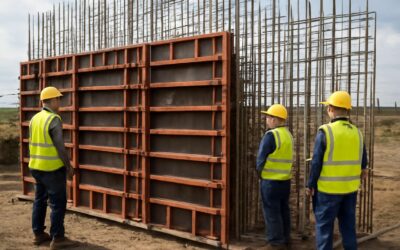
In the intricate dance of construction, where precision and safety are paramount, the **formwork method statement** emerges as the guiding rhythm. It is more than mere documentation; it is a blueprint etched with meticulous care, delineating every step, every material, and every safety measure involved in shaping concrete into enduring structures. This document acts as a compass for engineers and workers alike, ensuring that each phase of formwork installation aligns harmoniously with project specifications.
At its core, the **formwork method statement** serves a vital role in orchestrating the complex symphony of construction activities. It safeguards not only the structural integrity but also the lives of those who bring these blueprints to life. To truly grasp its significance, consider these fundamental aspects:
- It provides detailed procedures for formwork assembly and dismantling.
- It highlights safety protocols tailored to specific formwork systems.
- It ensures compliance with project-specific standards and regulations.
Importance in Construction – Highlights why a detailed formwork method statement is critical for safety and efficiency
In the intricate realm of construction, where the margin for error is razor-thin, a meticulously crafted **formwork method statement** becomes an indispensable cornerstone. Its real significance lies not merely in compliance but in the profound impact on safety and efficiency. When every bolt, plank, and pour is orchestrated under the guidance of a comprehensive plan, the potential for mishaps diminishes dramatically, transforming chaos into precision.
A detailed **formwork method statement** acts as a psychological anchor for the entire team, aligning efforts with unwavering clarity. It anticipates and mitigates risks, ensuring that safety protocols are embedded within each phase of formwork installation and dismantling. This depth of planning fosters a culture of discipline and vigilance—crucial in environments where a single oversight can have catastrophic consequences.
Moreover, such documents serve as a blueprint for maintaining regulatory compliance, which is vital in securing project approval and avoiding costly delays. In essence, the **formwork method statement** is a silent guardian—an invisible yet omnipresent force that elevates construction from mere activity to an exemplar of safety, precision, and professionalism.
Components of a Formwork Method Statement
Project Details – Includes project name, location, and description
Every successful construction project begins with meticulous planning, and at its core lies the formwork method statement — a blueprint that transforms raw ideas into tangible structures. When crafting this essential document, the project details serve as the foundation, anchoring the plan in reality and ensuring alignment across teams. Clear identification of the project name, location, and description allows stakeholders to visualise the scope and scale of the undertaking, fostering a shared understanding that propels progress forward.
A comprehensive formwork method statement must also include precise project details—think of it as the soul of the document. This section not only clarifies the geographical setting but also encapsulates the unique challenges and design specifications of the structure. For instance, the type of formwork used, the height and complexity of the formwork, and the scheduling of formwork installation are all vital components. These details ensure that every element of the formwork method statement is tailored to meet the project’s specific needs, ultimately forging a path toward safety and efficiency.
Material Specification – Details about formwork materials used
Ever wondered what keeps a towering skyscraper from turning into a giant game of Jenga? It’s the meticulous selection of materials detailed within the formwork method statement. Material specification is the backbone of this document, ensuring each component can withstand the rigours of construction while maintaining safety and quality standards. From robust timber to high-performance steel, the choice of formwork materials isn’t just about durability—it’s about precision, adaptability, and sometimes a dash of stubbornness.
In crafting the formwork method statement, engineers often specify key material criteria, such as load-bearing capacity, ease of assembly, and reusability. These details are vital because, let’s face it, a formwork system that collapses under pressure isn’t just an inconvenience; it’s a potential disaster waiting to happen. Consider the following essential materials used in formwork construction:
- Timber panels, prized for their affordability and flexibility
- Steel frames, the heavy-duty heroes of repeated use
- Aluminium components, offering a lightweight yet sturdy alternative
- Plastic and composite panels, for specialised or intricate mouldings
Every choice is tailored to match the specific demands of the project, from height and complexity to environmental conditions. Because at the end of the day, a well-documented formwork method statement isn’t just about materials—it’s a pledge to safety, efficiency, and a little bit of construction artistry.
Design and Layout – Design drawings, layout, and formwork configuration
A clear design and layout are the backbone of an effective formwork method statement. In fact, well-structured drawings can reduce installation time by up to 30%, highlighting their importance. The design drawings serve as the blueprint, detailing every aspect of the formwork system, from dimensions to connection points. These visuals help ensure everyone on site understands the scope and specifics of the formwork configuration.
Formwork configuration must be carefully planned to optimise safety and efficiency. It involves selecting the appropriate arrangement of panels, supports, and bracing to handle the load and environmental conditions. The layout should consider factors such as access, sequence of assembly, and ease of stripping. To streamline this process, many projects utilise:
- 3D modelling software for precise visualisation
- Modular formwork components that allow flexible configurations
- Strategic positioning of supports to minimise material use and reduce risk
Every element detailed within the formwork method statement is designed to minimise errors and maximise safety. The configuration isn’t just about aesthetics—it’s about creating a dependable, adaptable system that supports the structure during every stage of construction. When the design and layout are meticulously planned, the entire project benefits from smoother execution and fewer surprises along the way.
Construction Sequence – Step-by-step procedures for formwork assembly and removal
In the intricate dance of construction, precision and timing are everything—especially when it comes to formwork. A well-orchestrated construction sequence forms the backbone of any successful project, ensuring safety and efficiency go hand in hand. The components of a formwork method statement detail each step, from initial assembly to eventual removal, revealing a hidden choreography that must be executed flawlessly.
The process begins with meticulous planning, where the formwork system is assembled in a sequence that minimises risks and optimises workflow. Typically, this involves a clear step-by-step procedure, such as:
- Preparing the site and ensuring all materials comply with specified standards.
- Assembling the formwork panels according to the design drawings, paying close attention to connection points and support placement.
- Installing supports and bracing to handle the load during concrete pouring.
- Pouring concrete carefully within the established sequence to prevent displacement or defects.
- Allowing adequate curing time before gradually stripping the formwork in reverse order of assembly.
This methodical approach, embedded within the formwork method statement, guarantees that each stage is executed with precision, reducing errors and enhancing safety. It’s the unseen structure supporting the entire project—an intricate system that transforms raw materials into a resilient framework ready to bear the load of progress. The delicate balance of assembly and removal relies heavily on this detailed sequence, making it a cornerstone of effective formwork management.
Safety Measures – Safety protocols and risk mitigation strategies
In the complex world of construction, safety isn’t just a precaution—it’s an obligation that can determine the difference between success and disaster. A well-structured formwork method statement lays the groundwork for risk mitigation, ensuring every phase adheres to stringent safety protocols. This document isn’t merely a formality; it’s a strategic blueprint designed to anticipate and neutralise potential hazards before they manifest.
Critical safety measures embedded within the formwork method statement include detailed risk assessments, specific instructions for personnel, and clear procedures for handling materials and equipment. For instance, supporting and bracing components must undergo regular inspections to prevent unforeseen collapses. Moreover, strict control over concrete pouring helps avoid displacements that could jeopardise the integrity of the formwork system.
- Personal Protective Equipment (PPE) must be worn at all times on site, including helmets, gloves, and safety boots.
- Only trained personnel should operate lifting and support equipment, reducing the risk of accidents.
- Emergency procedures are outlined explicitly, with clear communication channels established for quick response in case of an incident.
By integrating these safety measures seamlessly into the formwork method statement, construction teams can navigate the delicate balance between efficiency and security. The meticulous attention to detail in safety protocols transforms a potentially hazardous environment into one where progress can proceed with confidence, safeguarding lives and ensuring project durability at every turn.
Quality Control – Inspection and compliance requirements
In the intricate world of construction, ensuring quality control through rigorous inspection is paramount. A comprehensive formwork method statement sets the foundation for verifying that every element aligns with specified standards and safety requirements. It serves as a benchmark for assessing compliance throughout the project lifecycle, from initial assembly to dismantling.
Critical components of quality control include detailed inspection protocols that scrutinise material integrity, proper alignment, and stability of the formwork system. Regular checks prevent costly mistakes and reinforce safety. To streamline this process, some projects utilise an inspection checklist that covers key aspects such as formwork strength, support adequacy, and correct placement of reinforcement. This systematic approach ensures adherence to design specifications and reduces the risk of structural failure.
Compliance requirements extend beyond visual assessments. They encompass adherence to legal standards and manufacturer instructions, ensuring that all components meet environmental and safety regulations. When quality control measures are embedded within the formwork method statement, teams maintain a vigilant eye on every detail, transforming a complex operation into a symphony of safety and precision. It’s this meticulous attention to compliance that ultimately safeguards both the workforce and the integrity of the finished structure.
Environmental Considerations – Sustainable practices and eco-friendly materials
In the quest for sustainable construction, environmental considerations within a formwork method statement have never been more crucial. As the construction industry advances, integrating eco-friendly practices not only reduces the carbon footprint but also aligns projects with global green standards. Embracing environmentally conscious materials transforms the traditionally utilitarian process into a celebration of innovation and responsibility.
Incorporating sustainable practices begins with selecting environmentally friendly formwork materials, such as recycled timber, biodegradable plastics, or lightweight metal alloys that minimise waste. These materials often boast longer life cycles and better recyclability, contributing to a reduced environmental impact. Additionally, careful planning of the construction sequence can optimise resource utilisation, minimise waste, and reduce energy consumption during assembly and dismantling.
Some projects elevate their environmental commitment by adopting a few key strategies:
- Utilising reusable formwork systems that can be employed across multiple projects, significantly lowering waste.
- Choosing eco-certified materials that meet strict environmental standards.
- Implementing waste management protocols to recycle or repurpose surplus materials effectively.
Embedding these green practices into the formwork method statement turns a simple process into a pioneering act of ecological stewardship. It’s a delicate dance between functionality and sustainability, ensuring that each element not only upholds safety and quality but also honours the environment. Truly, a well-crafted formwork method statement becomes a blueprint for responsible construction, where progress and preservation walk hand in hand.
Preparation for Formwork Installation
Site Assessment – Evaluating ground conditions and site readiness
Embarking on a construction project without a thorough site assessment is akin to navigating uncharted waters without a compass. Before the first formwork panels are lifted into place, evaluating ground conditions and site readiness is a vital step in crafting an effective formwork method statement. This initial phase ensures that the foundation is solid, stable, and capable of supporting the complexities ahead. Soil composition, moisture levels, and grading must be meticulously examined to prevent future deformations or structural issues.
Assessing the site’s topography and existing infrastructure helps identify potential obstructions or hazards that could compromise the safety or efficiency of formwork installation. A comprehensive site assessment provides the critical insights needed to tailor the formwork method statement precisely to the project’s unique environment. This proactive approach not only safeguards personnel and materials but also streamlines the entire process, saving time and costs in the long run.
- Soil stability and compaction
- Drainage patterns and water flow
- Accessibility for heavy machinery
- Proximity to existing structures or utilities
Ensuring the site is fully prepared and suitable for formwork installation is the cornerstone of a successful construction journey. When ground conditions are thoroughly evaluated, the subsequent steps in the formwork method statement become more predictable, controlled, and safe—transforming a daunting task into a well-orchestrated operation.
Design Approval – Review and approval of formwork design documents
Preparation for formwork installation begins long before the first panel is lifted into place. Central to this phase is the meticulous review and approval of the formwork design documents. This process ensures that every element aligns with project specifications and safety standards, transforming a tentative plan into a blueprint for success.
A comprehensive review involves scrutinising design drawings, layout configurations, and material specifications. It is essential to verify that the proposed formwork method statement conforms to structural load requirements and site-specific conditions. This due diligence helps prevent costly modifications during construction and fosters seamless coordination among teams.
In some cases, an ordered approval process might include stages such as initial review, revisions, and final sign-off—each step reinforcing the integrity of the plan. When the design receives formal approval, it becomes a guiding light, illuminating the path for safe, efficient, and precise formwork installation.
Material Planning – Procurement and storage of formwork materials
Preparing for formwork installation is a critical phase that can make or break a construction project. A well-organised material planning process ensures that all necessary formwork materials are procured and stored efficiently, reducing delays and avoiding costly rework. Proper storage is equally important; it protects materials from damage and deterioration, preserving their integrity for the duration of the project.
To streamline this process, many project managers adopt a systematic approach, such as an ordered list of steps for procurement:
- Assessing material requirements based on the approved formwork method statement
- Engaging reliable suppliers with proven track records
- Scheduling timely deliveries aligned with construction phases
- Implementing secure storage solutions on-site to prevent damage and theft
Effective material planning ensures that the right formwork components are available at the right time, facilitating smooth installation and adherence to safety standards. This meticulous preparation underscores the importance of a comprehensive formwork method statement in achieving a seamless construction process.
Equipment and Tools – List of necessary tools and machinery
Preparation for formwork installation is a dance of precision and power, where the right equipment and tools transform raw materials into the scaffolding of progress. Without these vital instruments, even the most meticulously planned formwork method statement risks falling into chaos. The backbone of the process lies in assembling a suite of specialised tools designed for efficiency and safety.
Essential equipment includes adjustable wrenches, hammers, spirit levels, and plumb bobs—each serving as silent guardians ensuring alignment and stability. Heavy machinery such as forklifts and cranes are indispensable for lifting and positioning formwork panels with grace and accuracy. To aid in assembly and disassembly, power tools like drills and saws are employed, facilitating swift and precise operations.
In addition, safety must never be compromised. Personal protective equipment—helmets, gloves, and harnesses—are as crucial as the mechanical tools themselves. A well-stocked tool kit, aligned with the formwork method statement, ensures that every phase of installation progresses seamlessly, like a symphony of steel and timber harmonising beneath the watchful eye of craftsmanship.
- Adjustable wrenches
- Hammers and screwdrivers
- Spirit levels and plumb bobs
- Power drills and saws
- Forklifts and cranes
- Personal protective equipment (PPE)
In the grand theatre of construction, the equipment and tools are the actors, each with a role that, when performed flawlessly, crafts the foundation for a structure that withstands the test of time. The meticulous selection and preparation of these resources form the silent symphony that underpins every successful formwork installation, woven into the very fabric of the overarching formwork method statement.
Workforce Planning – Staff responsibilities and training requirements
In the labyrinth of construction, the true magic lies in the meticulous preparation of the workforce. A well-orchestrated team transforms technical sketches into tangible reality, breathing life into the formwork method statement. Yet, without dedicated staff responsibilities and rigorous training, even the most detailed plan risks unraveling amidst chaos. The craftsmen behind the scenes must possess not only skill but an intuitive grasp of safety and precision.
Every member, from the seasoned supervisor to the newest apprentice, plays a vital role in weaving the fabric of a successful formwork installation. Responsibilities should be clearly delineated—those handling formwork assembly, safety oversight, or equipment operation must understand their domain intimately. Training sessions, often tailored to specific tasks, are the key to unlocking these skills, ensuring that each worker’s expertise aligns seamlessly with the project’s unique demands. A cohesive team, bolstered by continuous learning, transforms the complex choreography of formwork installation into a symphony of efficiency.
To enhance clarity and accountability, some projects adopt an ordered approach to workforce planning:
- Define precise staff responsibilities aligned with the formwork method statement.
- Conduct comprehensive training on safety protocols, equipment handling, and assembly techniques.
- Implement regular briefings to update team members on project progress and safety measures.
- Monitor performance and provide feedback to uphold quality and safety standards.
In this enchanted dance of construction, each worker’s role is as crucial as the tools they wield. When responsibility and expertise harmonise, the process of formwork installation becomes not merely a task but an art—a testament to craftsmanship and planning intertwined within the grand narrative of building resilient structures.
Step-by-Step Procedure for Formwork Construction
Initial Setup – Preparing the foundation and setting up fixed points
Constructing a robust formwork system begins with meticulous initial setup, where precision can determine the entire project’s success. The foundation must be prepared impeccably, ensuring it is level, stable, and capable of supporting the entire formwork assembly. Setting up fixed points or reference marks acts as the backbone for the entire construction sequence, guiding accurate alignment and ensuring the formwork maintains its intended shape and dimensions throughout the process.
Next, attention turns to establishing the formwork layout. This involves translating design drawings into tangible structures on-site, often using chalk lines, stakes, or laser levels to delineate the boundaries clearly. Proper positioning of these fixed points guarantees that the formwork will fit seamlessly, reducing future adjustments and material wastage. When all initial setup steps are complete, the foundation and fixed points serve as the critical framework, laying the groundwork for a safe, efficient, and high-quality concrete pour.
Formwork Assembly – Joining and securing formwork panels and props
Constructing a sturdy formwork assembly is a ballet of precision and coordination, where each joint and securing method must be flawless. The step-by-step procedure for formwork construction begins with joining and securing formwork panels and props, a process that demands both finesse and strict adherence to safety protocols. Properly connecting these components ensures the formwork remains stable under the weight of concrete and environmental factors, preventing costly deformations or failures.
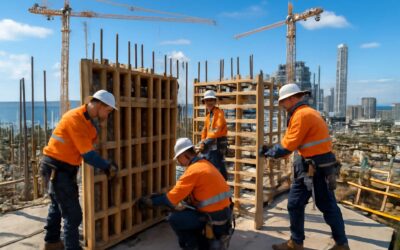
Typically, the process involves first aligning the panels according to the design layout, followed by fastening them using clamps, bolts, or specialised couplers. Props and supports are then carefully adjusted to maintain the correct height and alignment. To enhance stability, a common practice is to use adjustable props that can be fine-tuned on-site, ensuring the formwork stays true to the intended shape. For added security, some projects incorporate tie rods or braces, which act like the skeleton of a well-orchestrated ensemble.
Consider this simplified list to visualise the process:
- Position panels as per layout markings.
- Secure panels with clamps or couplers to prevent movement.
- Attach props and supports, ensuring vertical and horizontal stability.
- Adjust the props to achieve accurate alignment and levelness.
- Double-check all connections for tightness and stability.
By meticulously following these stages, the formwork method statement guarantees a seamless assembly process, paving the way for a safe, efficient, and high-quality concrete pour. The delicate dance of joining and securing components underscores the importance of attention to detail—after all, the integrity of the entire structure depends on the foundation of a well-executed formwork assembly.
Alignment and Leveling – Ensuring correct positioning, alignment, and surface level
In the shadowed realm of construction, where precision is paramount and the slightest flaw can cascade into catastrophe, the step-by-step procedure for formwork construction alignment and leveling becomes an art of meticulous craftsmanship. A flawless formwork method statement guides this intricate dance, ensuring each component finds its rightful place within the grand tapestry of the structure.
At the heart of this process lies the assurance that the formwork panels are positioned with unwavering accuracy according to the design drawings. Employing spirit levels, laser guides, or plumb bobs, craftsmen scrutinise every joint, ensuring the surface level aligns perfectly with the project’s specifications. The importance of surface level cannot be overstated; it defines the very essence of the finished concrete’s aesthetic and structural integrity.
Next, the alignment process involves carefully adjusting the props and supports, maintaining true verticality and horizontal harmony. To aid in this pursuit, an ordered list of steps often unfolds:
- Position panels as per layout markings.
- Secure panels with clamps or couplers to prevent movement.
- Attach props and supports, ensuring vertical and horizontal stability.
- Adjust the props to achieve accurate alignment and levelness.
- Double-check all connections for tightness and stability.
As each element converges into a cohesive whole, the formwork method statement acts as the silent guardian of quality, ensuring that the alignment and levels are not mere approximations but precise reflections of the original blueprint. Only through this rigorous process can the formwork serve as a steadfast mould, capturing the envisioned form and enduring the relentless forces of concrete and time.
Reinforcement Placement – Positioning of reinforcement bars within the formwork
Precision in reinforcement placement is the heartbeat of a flawless concrete structure. As the formwork method statement guides each phase, the positioning of reinforcement bars transforms from a mundane task into a carefully orchestrated ballet. Properly placed reinforcement ensures the structural integrity and durability of the final build, making it crucial to adhere strictly to design specifications.
To achieve this, workers follow a meticulous sequence that begins with verifying the layout on the ground. Reinforcement bars are then positioned according to the detailed reinforcement schedule, ensuring correct spacing and alignment. Using specialised tools such as bar chairs and spacers, the bars are elevated to the specified height within the formwork, preventing corrosion and ensuring proper concrete cover.
Next, the reinforcement is secured with ties and clips, creating a stable cage that maintains its shape throughout the pour. An ordered list can help streamline this process:
- Lay out reinforcement bars as per design drawings.
- Secure bars with ties, ensuring no movement during concrete placement.
- Position spacers and supports to maintain the specified cover distance.
- Double-check the placement with the formwork method statement for accuracy.
- Inspect for any potential obstructions or misalignments before pouring.
Throughout this process, adherence to the formwork method statement guarantees that reinforcement bars are precisely located, reinforcing the overall integrity of the structure. Every step, from initial placement to final inspection, must reflect the blueprint’s intent—creating an unyielding mould that withstands the pressures of time and the forces of nature.
Formwork Inspection – Checking for stability, safety, and conformity to design
In the world of construction, a solid foundation goes beyond just concrete and steel; it hinges on meticulous formwork inspection. Think of it as giving your temporary mould a thorough health check before the real magic begins. A comprehensive formwork method statement isn’t just a bureaucratic box to tick—it’s the blueprint that guarantees safety, stability, and conformance to design standards. Skipping this step is like skipping leg day; the whole structure could wobble or collapse when you least expect it.
During formwork construction, a systematic inspection ensures that every element—be it formwork panels, props, or bracing—is securely anchored and correctly aligned. You want to catch any potential misalignments or structural weaknesses before the concrete is poured. Conducting a formal check involves verifying the stability of the formwork, confirming it matches the approved design, and ensuring all safety protocols are in place. Remember, a well-inspected formwork not only enhances safety but also prevents costly rework down the line.
- Assess the formwork’s anchorage points for firmness and integrity.
- Verify the alignment and levelness with the design drawings.
- Check for any signs of deformation or damage in the formwork panels.
- Ensure all safety measures, such as secure bracing and proper scaffolding, are in place.
- Inspect the formwork’s capacity to withstand the pressure of fresh concrete.
In essence, a diligent formwork inspection is the backbone of a successful construction sequence. It’s about catching issues early, avoiding delays, and ensuring that each pour results in a flawless, durable structure. After all, a well-executed formwork method statement is the unsung hero that transforms a skeletal framework into a resilient masterpiece—proof that even temporary structures demand the same level of scrutiny as the final build.
Pouring Concrete – Executing concrete placement process
The execution of concrete placement is where the true artistry of construction reveals itself; it’s the point where precision and intent converge. Once the formwork construction is complete and inspected, the pouring process begins—an act of faith in the meticulous planning that preceded it. The process demands unwavering focus, for even the smallest oversight can ripple into structural compromise.
Executing the concrete placement involves a carefully choreographed sequence designed to maintain the integrity of the formwork and ensure a durable final product. Typically, the process starts with ensuring the formwork is firmly anchored and level, following the specifications outlined in the formwork method statement. It’s essential to avoid sudden pours, which can cause undue stress on the formwork, risking deformation or failure.
During pouring, workers should work systematically, pouring concrete in layers if necessary, and using vibrators to eliminate air pockets. Properly coordinated flow prevents segregation and ensures a uniform distribution of concrete. In some projects, an ordered numbered list proves helpful in maintaining discipline:
- Start pouring from the lowest point, gradually filling the formwork to prevent trapping air or creating voids.
- Use vibrators to compact the concrete, ensuring full contact with the formwork and reinforcement, which enhances durability.
- Monitor the surface continuously for smoothness and levelness, correcting deviations as they occur.
- Once filled, settle the concrete with a roller or tamping tool to achieve compaction and surface integrity.
- Finally, inspect the poured concrete for any signs of segregation or displacement, documenting any anomalies for immediate rectification.
The key to a successful concrete pour lies in the seamless execution of these steps, all rooted in the guidance of the formwork method statement. It’s a dance of precision, patience, and unwavering attention to detail, ensuring that each phase upholds the safety, stability, and structural integrity of the project. This meticulous process transforms temporary moulds into the backbone of a resilient structure—proof that in construction, as in life, the smallest details forge the greatest strength.
Formwork Removal – Criteria and procedures for removing formwork safely
Removing formwork is a critical phase that often gets overlooked in the rush of construction, yet it demands meticulous attention to detail. An improperly executed formwork removal can compromise the entire structural integrity, leading to costly repairs. The key lies in adhering strictly to the criteria outlined in the formwork method statement, which provides the blueprint for safe and efficient dismantling.
Typically, the process begins once the concrete has gained sufficient strength, as verified through compressive tests. It’s essential to ensure that the formwork has served its purpose without causing undue stress or deformation. The removal should be gradual, starting from the least load-bearing sections, and progressing systematically to prevent any sudden shifts.
- Check for cracks or signs of distress in the concrete before proceeding.
- Remove formwork supports in a sequence that maintains stability.
Safety remains paramount throughout this process. Workers must follow established safety measures, wear appropriate PPE, and use specialised tools for dismantling. Once the formwork is safely removed, a thorough inspection should be carried out to confirm the absence of damage or displacement, ensuring the project remains on track. When properly executed, the formwork removal process exemplifies precision and discipline, cementing the foundation for enduring structures.
Safety and Risk Management
Hazard Identification – Potential risks during formwork installation and removal
Safety during formwork installation and removal isn’t just a checklist—it’s a critical pillar that underpins every successful construction project. The process of identifying potential risks early can prevent catastrophic failures, injuries, and costly delays. A thorough hazard identification ensures that every aspect of formwork method statement is tailored to mitigate these dangers effectively.
Potential risks during formwork installation include structural instability, falling objects, and improper handling of heavy materials. During removal, hazards such as sudden collapses or dislodged panels pose serious threats. Recognising these hazards involves a vigilant assessment of site conditions, equipment, and workforce experience. An emphasis on safety measures—such as ensuring proper bracing, securing formwork panels, and maintaining clear communication—can significantly reduce accidents.
- Structural failure due to incorrect alignment or inadequate support
- Falls from height during formwork removal processes
- Injuries from falling debris or unanchored panels
- Equipment malfunction or improper use of tools
Incorporating comprehensive risk management into the formwork method statement isn’t just good practice—it’s essential. Each hazard identified should lead to targeted mitigation strategies, safeguarding both personnel and project integrity. Only through meticulous hazard identification and proactive safety planning can construction teams ensure a smooth, secure workflow throughout the formwork lifecycle.
Protective Measures – Use of PPE, barricades, and safety signage
Safety and risk management are the bedrock of successful construction projects, especially during the delicate phases of formwork installation and removal. Implementing robust protective measures not only safeguards personnel but also fortifies the integrity of the entire structure. Personal protective equipment (PPE)—such as helmets, gloves, and high-visibility clothing—is indispensable, creating a barrier against unexpected hazards. Barricades and safety signage serve as constant visual reminders of potential dangers, guiding workers to maintain vigilance.
Effective risk mitigation also involves strategic planning of site layout. Clear demarcation of hazardous zones and restricted access points ensures that only authorised personnel are exposed to risks. Incorporating safety measures into the formwork method statement means every phase of work is underpinned by precautionary protocols, reducing the likelihood of accidents. When these protective measures are seamlessly integrated, they foster a culture of safety that resonates throughout the project lifecycle.
- Use of comprehensive PPE to shield workers from falling debris and sharp materials.
- Installation of physical barricades around active work zones to prevent unauthorised entry.
- Visible safety signage to alert workers and visitors about ongoing hazards and safety requirements.
By weaving these safety and risk management measures into the fabric of the formwork method statement, construction teams can confidently navigate the complexities of formwork installation and removal, creating a safer environment for everyone involved.
Emergency Procedures – Plans for accidents or safety breaches
Construction sites are unpredictable theatres where safety must take centre stage—yet accidents can still happen in the blink of an eye. Effective emergency procedures are the armour that shields workers and maintains project integrity when unforeseen safety breaches occur. Every formwork method statement should embed a comprehensive emergency response plan, detailing clear steps to follow in case of accidents or hazards. This ensures swift, organised action, minimising damage and safeguarding lives.
Crucially, the plan must identify potential risks associated with formwork installation and removal, such as falling debris or structural failure. It should specify immediate actions, designate responsible personnel, and outline communication protocols to alert emergency services. To streamline response efforts, consider implementing structured protocols like:
- Immediate evacuation procedures
- First aid and medical response steps
- Reporting and incident documentation processes
Incorporating these elements into the formwork method statement transforms safety from a mere compliance requirement into a vital, living component of project management. When every team member understands their role during crises, the entire operation becomes more resilient—prepared to face the chaos with calm precision, and ultimately, save lives.
Monitoring and Supervision – Continuous safety checks and personnel supervision
In the bustling theatre of construction, safety and risk management monitoring are the vigilant stage managers ensuring every act proceeds without catastrophe. Continuous safety checks are not merely tick-box exercises; they are the heartbeat of a well-orchestrated project, especially when it comes to formwork installation and removal. Regular supervision by qualified personnel guarantees that each component aligns precisely, reducing the likelihood of structural failure or accidents caused by overlooked hazards.
To elevate safety standards, some projects incorporate structured protocols such as daily safety audits or unannounced spot inspections, which serve as a safeguard against complacency. These measures allow supervisors to identify emerging risks—be it unstable formwork panels or improper bracing—before they escalate into serious incidents. An effective formwork method statement integrates these ongoing safety checks seamlessly, embedding a culture of vigilance that keeps workers alert and hazards at bay.
Personnel supervision isn’t solely about oversight; it’s about fostering a safety-conscious environment where every team member understands their role in risk mitigation. By implementing rigorous monitoring regimes, the project not only adheres to compliance standards but also cultivates an atmosphere where safety is instinctual rather than incidental. After all, a well-supervised site is a safer site, and that’s a truth no amount of construction jargon can obscure.
Quality Assurance and Control
Inspection Procedures – Regular checks during each stage of formwork process
Ensuring impeccable quality during the formwork process is vital to the integrity and safety of any construction project. Regular checks at each stage of the formwork method statement serve as the backbone of effective quality assurance and control inspection procedures. These inspections help detect potential issues early, preventing costly rework and delays.
During formwork assembly, visual inspections verify that panels are securely joined and aligned correctly. As the process progresses, checks for stability and conformity to design specifications are carried out meticulously. An essential part of these procedures involves verifying the accuracy of formwork levels and alignment, which directly impacts the final structural quality.
A systematic approach to inspection includes adherence to predefined standards, ensuring compliance with safety protocols and project specifications. By integrating regular quality control inspections into the formwork method statement, construction teams can maintain the highest standards of safety and precision, ultimately delivering a durable and reliable structure.
Documentation and Records – Keeping detailed logs and reports
In the realm of construction, meticulous documentation is the silent guardian of quality and safety. When it comes to the formwork method statement, maintaining detailed records isn’t just good practice — it’s an essential safeguard against unforeseen issues. Precise logs of inspections, material usage, and modifications create a traceable history that proves compliance with industry standards and project specifications.
Quality assurance and control documentation serve as the backbone of a robust construction process. They enable teams to track progress, identify deviations early, and implement corrective actions swiftly. Whether it’s recording the results of stability checks during formwork assembly or noting adjustments made to conform to design changes, these records are invaluable for accountability and transparency.
To streamline this process, many projects adopt a systematic approach:
- Regular inspection reports
- Material delivery logs
- Daily safety and quality checks
These records not only facilitate seamless communication among stakeholders but also prepare the ground for rigorous audits, ensuring the integrity of the entire construction cycle.
Non-conformance Management – Handling deviations from plan and corrective actions
In the intricate dance of construction, deviations from the plan can threaten the entire project’s integrity. Handling non-conformance effectively is crucial to maintaining quality assurance and control within the framework of the formwork method statement. When unexpected issues arise—be it a misaligned panel or material shortfall—rapid identification and corrective action become paramount. Documenting these deviations meticulously ensures that any corrective measures are traceable, promoting transparency and accountability throughout the project lifecycle.
Implementing a structured non-conformance management process can significantly mitigate risks. This involves systematic steps such as:
- Identifying the non-conformance
- Assessing the impact on safety and structural integrity
- Determining root causes
- Executing corrective actions promptly
- Recording all steps taken for future reference
Such a framework not only preserves the quality of the formwork but also reinforces adherence to industry standards. When deviations are logged and addressed with precision, they become lessons rather than setbacks—integral to the evolution of a resilient construction process. This vigilant approach is especially vital in complex projects where the stakes are high, and every detail counts in the overarching narrative of safety and structural excellence.
Environmental and Sustainability Considerations
Eco-friendly Materials – Selecting sustainable formwork materials
In an era where sustainability is no longer optional but essential, selecting eco-friendly materials for formwork is a conscious act that echoes respect for our planet. The formwork method statement must incorporate sustainable practices that reduce environmental impact, safeguarding natural resources while maintaining structural integrity.
Choosing recycled timber, bamboo, or high-performance plastics reduces the carbon footprint associated with traditional materials. These eco-friendly options not only foster greener construction sites but also contribute to healthier work environments. An emphasis on reusability and modular design within the formwork method statement ensures materials can be reused multiple times, diminishing waste and promoting resource efficiency.
Incorporating environmentally conscious materials aligns seamlessly with modern construction’s quest for sustainability. It’s a testament to the craftsmanship that respects both the environment and the future, transforming each project into a beacon of responsible engineering. After all, a well-crafted formwork method statement isn’t just about strength and safety — it’s about weaving sustainability into the very fabric of construction.
Waste Management – Disposal and recycling of excess materials
In the heart of sustainable construction, waste management stands as a vital pillar of responsible practice. Every project generates excess materials, and without proper handling, these remnants can become environmental burdens rather than resources. Implementing a comprehensive waste management plan within your formwork method statement ensures that disposal and recycling are not afterthoughts but core components of the process.
By categorising waste—such as timber offcuts, plastic sheathing, and metal supports—teams can streamline recycling efforts and reduce landfill contributions. For example, materials like high-performance plastics can often be cleaned and reprocessed, extending their lifecycle. An emphasis on reusability and segregation not only minimises waste but also fosters a culture of environmental stewardship on site.
To facilitate this, consider integrating a simple, yet effective, approach:
- Designate specific containers for recyclable materials
- Partner with local recycling facilities
- Train workers to identify and separate waste correctly
Such measures, embedded within the formwork method statement, amplify sustainability ambitions while enhancing operational efficiency. Waste management is not merely about compliance; it is a testament to the construction industry’s evolving commitment to safeguarding natural resources and reducing ecological footprints. Every piece of excess material recycled or repurposed is a step closer to greener, more resilient infrastructure.
Energy Efficiency – Optimizing processes to reduce energy consumption
In an era where sustainable practices are no longer optional but essential, energy efficiency in construction projects has become a vital consideration. Optimising processes to curtail energy consumption not only benefits the environment but also enhances overall project efficiency. A well-crafted formwork method statement can serve as a blueprint for implementing energy-conscious techniques throughout the construction cycle.
By integrating innovative design principles and selecting eco-friendly materials, teams can minimise the use of energy-intensive machinery. For example, streamlining formwork assembly and disassembly reduces the duration of power usage, leading to significant savings. Additionally, employing modular systems allows for quicker setup and removal, which translates into less operational energy expenditure.
- Utilise lightweight, sustainable formwork materials to decrease handling energy
- Schedule construction activities to optimise equipment operation and avoid unnecessary idling
Furthermore, fostering a culture of environmental awareness among workers encourages mindful energy use on site. The strategic planning embedded within the formwork method statement ensures that every step, from site assessment to formwork removal, aligns with energy efficiency goals. As a result, construction projects become more resilient, reducing their ecological footprint while delivering high-quality infrastructure.
Common Challenges and Solutions
Dealing with Site Constraints – Strategies for working in limited or challenging environments
In the shadowy realm of construction, site constraints often lurk like unseen spectres, threatening to derail even the most meticulously crafted plans. When space is limited or environmental challenges loom large, the process of executing a formwork method statement becomes a delicate dance between ingenuity and caution. The narrow confines of urban sites demand adaptive strategies—sometimes requiring bespoke formwork designs that can be assembled in tight quarters.
One of the most effective solutions involves pre-fabrication, allowing elements to be constructed off-site and swiftly installed on-site, minimising disruption and hazards. For uneven terrain or unstable ground, underpinning and reinforcement of the foundation are vital, ensuring stability before any formwork is erected. Flexibility in the approach is crucial—sometimes, a simple yet robust modular system can navigate restricted spaces without compromising safety or quality.
Ultimately, confronting site constraints with strategic foresight ensures that the integrity of the formwork method statement remains unbroken, even in the face of adversity.
Handling Material Delays – Contingency planning for supply chain issues
Material delays can transform a seemingly straightforward construction project into a nightmarish ordeal. When supply chain disruptions strike, they threaten to derail the entire schedule, forcing teams to confront unexpected hurdles. In such moments, contingency planning becomes the guardian of progress, especially within the framework of a comprehensive formwork method statement.
Anticipating potential delays involves more than just ordering extra materials; it requires a strategic approach to sourcing and storage. For instance, maintaining a stockpile of critical formwork materials or establishing relationships with multiple suppliers can serve as a lifeline. When delays occur, a flexible mindset and swift decision-making—like switching to alternative formwork types—are essential to keep the project afloat.
Incorporating a detailed contingency plan within the formwork method statement ensures that, even amidst chaos, safety and quality are preserved. This proactive measure not only mitigates risks but also preserves the integrity of the entire construction process, allowing work to proceed with confidence despite the unpredictable nature of material supply issues.
Ensuring Structural Integrity – Methods to prevent formwork failure or deformation
Ensuring the stability of formwork during construction is both an art and a science. Common challenges such as deformation, misalignment, or failure of formwork can jeopardise entire projects, risking safety and escalating costs. The key to overcoming these obstacles lies in meticulous planning and vigilant execution within the framework of a comprehensive formwork method statement. This document acts as a blueprint, guiding every step to prevent structural compromise.
One effective solution involves strict adherence to design and layout specifications, ensuring that formwork panels are joined and secured with precision. Regular inspection routines—checking for signs of deformation or displacement—are vital. Additionally, employing robust reinforcement placement techniques and verifying alignment and levelness during assembly can significantly reduce risks. For complex structures, an ordered approach, such as:
- Thorough review of design drawings
- Precise measurement of formwork components
- Real-time monitoring during pouring and removal phases
can serve as a safeguard against failure. When these methods are embedded within the formwork method statement, they foster a culture of safety, quality, and resilience—crucial when navigating the unpredictable landscape of construction challenges.

0 Comments