
Comprehensive Guide to Formwork Elements
Types of formwork elements
Skylines rise because a frame insists on precision—and those formwork components are the quiet chorus behind every pour. In this comprehensive guide, the elements that support each pour emerge—without sacrificing the lyricism that makes a skyline sing. From sunlit timber to steel panels snapping into place, these components translate bold design into enduring walls and columns.
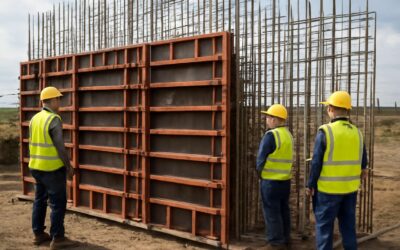
- Panel formwork systems
- Shuttering panels and boards
- Tie rods, wedges and anchors
- Bracing, walings and supports
- Release agents and curing beds
In South Africa’s dynamic build scene, these components quietly sustain ambition, turning blueprints into arches and horizons.
Key roles of formwork elements in construction
In South Africa, construction activity has climbed by about 4% last year, a pulse that keeps skylines rising. Behind every pour, formwork components choreograph precision, safety, and finish!
Their key roles emerge as the frame engages with concrete, guiding flow and shaping the walls and columns.
- Provide stability and alignment for straight walls and true column lines.
- Enable clean release and reuse, cutting waste without compromising finish.
- Support curing and load transfer, distributing weight evenly.
- Protect the surface for a smooth, blemish-free result when stripped.
Materials vary—from sunlit timber to rugged steel panels—each offering a different cadence to the pour and a unique balance of speed and finish, and formwork components adapt to the project tempo, marrying design intent with practical restraint.
In South Africa’s dynamic build scene, these elements sustain ambition, turning blueprints into arches and horizons with quiet, steadfast energy.
Materials and durability considerations
South Africa’s skylines hum with momentum; last year construction activity crept up about 4%, a pulse you can feel in every new high-rise. Behind the pour, formwork components do more than hold concrete; they set the tempo for safety, finish, and speed. The choice of materials, durability expectations, and reuse cycles shapes the outcome from foundation to façade.
From sunlit timber to rugged steel, the material palette sets tempo. Consider these archetypes:
- Timber: light, easy to shape, moisture-vulnerable, and with limited reuse life.
- Steel: stiff, durable, and highly reusable, though heavier and pricier upfront.
- Aluminum or composites: feather-light, corrosion resistant, ideal for rapid cycles and complex forms.
Durability considerations focus on storage, exposure, and care during stripping—nobody wants a panel to bail on a cure. Protective coatings, proper curing ambience, and routine inspection keep surfaces pristine and forms ready for the next cycle.
Installation and safety best practices
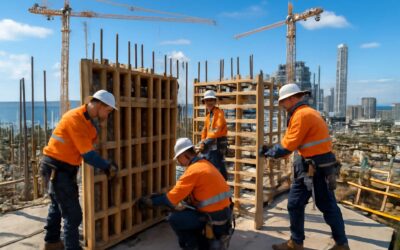
Formwork components are the quiet tempo-setters of a skyline. When installation begins, teams read the site like a conductor reads a score—edges must meet, panels must align, and bracing must hold under the weight of ambition! South Africa’s construction activity climbed about 4% last year, and the rhythm shows in every high-rise that glints at dawn. This comprehensive guide to formwork elements installation and safety best practices spotlights how planning, alignment, and care translate into safer pours and cleaner façades.
Behind that sheen lies a culture of vigilance: clear responsibility, careful storage, and regular inspection of surfaces before they touch concrete. These elements survive and perform because people treat them with respect—from labeling and staging to consistent communication across trades. It’s not magic; it’s craft, and it’s visible in the moment the pour begins and the surface takes its first weather.

0 Comments