
Understanding Formwork Plate
Definition and Purpose
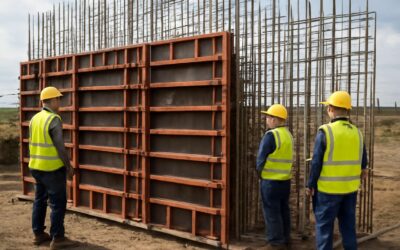
In the realm of construction, the humble formwork plate often remains unseen—yet its impact is profound. These essential components shape the very foundation of modern building projects, serving as the silent guardians of structural integrity. A well-designed formwork plate ensures a flawless surface finish and supports the immense pressure exerted during concrete pouring. Without it, the entire process risks becoming a chaotic ordeal. The purpose of a formwork plate extends beyond mere support; it acts as a barrier that maintains the desired dimensions while facilitating easy removal once the concrete sets.
Understanding the definition of a formwork plate reveals its critical role in construction. It’s a rigid, durable sheet typically made from steel, plywood, or composite materials, engineered to withstand heavy loads. The versatility of a formwork plate is showcased through its various applications—from simple residential foundations to complex infrastructure projects. For optimal performance, selecting the right type of formwork plate is essential, especially considering the unique demands of South African construction sites.
- Durability against environmental factors
- Reusability for cost efficiency
- Ease of installation and removal
Types of Formwork Plates
Understanding the different types of **formwork plates** is crucial for any construction project aiming for precision and efficiency. Each type is designed to meet specific demands, whether it’s the rugged environment of South African construction sites or projects requiring high reusability.
Steel **formwork plates** are renowned for their durability and ability to withstand harsh environmental factors, making them ideal for large-scale infrastructure. Meanwhile, plywood **formwork plates** offer excellent surface quality and ease of installation, which is why they are popular in residential foundations.
For projects demanding longevity and cost-effectiveness, composite **formwork plates** combine the strength of steel with the flexibility of plywood. To choose the right **formwork plate**, consider factors such as load-bearing capacity, environmental exposure, and reusability.
In the end, selecting the appropriate type of **formwork plate** can significantly influence the success of a construction project—ensuring safety, efficiency, and a flawless finish.
Common Materials Used
Understanding the common materials used in formwork plates reveals a fascinating world where strength meets adaptability. In South Africa’s dynamic construction landscape, choosing the right formwork plate can mean the difference between a flawless finish and costly setbacks. Steel, plywood, and composite materials dominate the scene, each offering unique advantages that cater to diverse project demands.
Steel formwork plates are celebrated for their rugged resilience, capable of enduring the relentless forces of heavy loads and harsh environmental conditions. Their durability makes them a preferred choice for large infrastructure projects where longevity is paramount. Plywood formwork plates, on the other hand, shine with their ease of installation and superior surface quality, making them ideal for residential foundations and smaller-scale builds. For projects that require a blend of strength and reusability, composite formwork plates—crafted from a strategic fusion of steel and plywood—offer an innovative solution.
In the end, selecting the appropriate formwork plate hinges on understanding how each material interacts with project variables such as load capacity, environmental exposure, and reusability. This nuanced choice influences not just the structural integrity but also the efficiency and cost-effectiveness of the entire construction process.
Advantages of Using Formwork Plates
In the grand symphony of construction, the humble formwork plate often plays an unsung yet pivotal role—an essential component that can elevate a project from good to exceptional. Its advantages extend beyond mere structural support; it’s about precision, efficiency, and the art of mastering the delicate balance between strength and finesse. A well-chosen formwork plate can significantly reduce construction time, minimize waste, and ensure a flawless surface finish—traits that resonate deeply within South Africa’s competitive building industry.
One of the most compelling benefits of using a high-quality formwork plate is its reusability. In an era where sustainability and cost-efficiency are more than mere buzzwords, formwork plates crafted from durable materials like steel or composite solutions stand out. They withstand the rigors of repeated use, maintaining their integrity and ensuring that each pour is as perfect as the first. This durability translates into tangible savings and a reduction in project delays.
Moreover, formwork plates offer remarkable versatility. They can be tailored to various shapes and sizes, accommodating complex architectural designs with ease. Whether for sweeping curves or sharp angles, a well-designed formwork plate adapts seamlessly, showcasing its adaptability in diverse construction scenarios. For South African builders, this flexibility is invaluable—allowing for innovative designs without compromising on quality or efficiency.
Ultimately, the true advantage of a formwork plate lies in its ability to marry form with function—delivering robust support while enabling precision craftsmanship that leaves a lasting impression. In a landscape where every detail counts, investing in the right formwork plate is not just wise; it’s essential for achieving construction excellence.
Key Features and Specifications of Formwork Plates
Material Strength and Durability
When it comes to constructing resilient structures, the strength and durability of the formwork plate are paramount. These plates must withstand the relentless pressure of wet concrete and the rigors of repeated use without losing their integrity. The most advanced formwork plates feature a high tensile strength, ensuring they resist warping and cracking over time, even under demanding conditions. This durability is not just a bonus; it’s a necessity for projects that demand precision and longevity.
Material selection plays a crucial role in enhancing the robustness of formwork plates. Steel and high-quality plywood are popular choices, each offering unique advantages in strength and surface finish. Steel formwork plates, in particular, boast exceptional durability, making them ideal for large-scale infrastructure projects across South Africa. Their resistance to wear and tear guarantees a longer lifespan, reducing overall project costs. For those seeking versatility, composite formwork plates combine lightness with remarkable resilience, standing up to the toughest construction environments.
To better understand the core specifications of a top-tier formwork plate, consider these features:
- High tensile strength for enduring concrete pressure
- Corrosion-resistant coatings suitable for South Africa’s climate
- Consistent surface smoothness for flawless finishes
- Lightweight design for easier handling and installation
- Reusability across multiple projects, ensuring cost-effectiveness
Surface Finish and Quality
In the realm of structural mastery, the surface finish and quality of a formwork plate are the silent architects of perfection. An impeccable surface ensures that the concrete’s final visage is flawless—smooth, even, and devoid of blemishes that could mar the integrity of the construction. For South African projects, where climate and environmental factors pose unique challenges, selecting a formwork plate with superior surface qualities is more than a preference—it’s a strategic necessity.
High-quality formwork plates boast a consistent, refined surface that reduces the need for extensive finishing work post-concrete setting. This precision not only accelerates project timelines but also enhances the aesthetic appeal of the final structure. The surface roughness is meticulously engineered to facilitate effortless release, preventing adhesion and ensuring reusability without compromising quality. For added resilience, many formwork plates feature corrosion-resistant coatings, vital for enduring South Africa’s diverse climate zones.
In the quest for excellence, some manufacturers incorporate advanced surface treatments that provide a smoother finish and extend the lifespan of the formwork plate. Whether crafted from steel or composite materials, these plates are designed to meet exacting standards, with specifications such as:
- Surface smoothness for flawless concrete finishes
- Durability against wear and tear from repeated use
- Corrosion resistance tailored for South Africa’s climate
- Consistent thickness and surface uniformity for precision casting
By prioritizing surface finish and quality, builders unlock the true potential of their formwork plates—transforming raw materials into enduring marvels of construction craftsmanship! Such attention to detail ensures that every concrete pour tells a story of durability, elegance, and technical mastery—hallmarks of the finest formwork plates in the industry.
Dimensions and Thickness
In the symphony of construction, the dimensions and thickness of a formwork plate are the silent yet vital notes that dictate the melody of precision and strength. A meticulously measured formwork plate ensures that each cast piece aligns flawlessly, transforming raw materials into architectural poetry. The standard thicknesses—ranging from 12mm to 25mm—are carefully chosen to balance durability with ease of handling, allowing builders to craft with confidence and finesse.
Key features of a high-quality formwork plate include uniformity in thickness, which guarantees a consistent surface finish and prevents imperfections that could compromise structural integrity. The dimensions, often tailored to project specifications, influence the ease of assembly and reusability, making every formwork plate a versatile tool in the builder’s arsenal. For South African conditions, where environmental factors can accelerate wear, selecting plates with reinforced edges and corrosion-resistant coatings becomes paramount.
- Precision in measurements ensures seamless integration with other structural components.
- Optimal thickness provides resilience against repeated use and mechanical stress.
- Tailored dimensions enhance adaptability to complex architectural designs.
In essence, the dimensions and thickness of a formwork plate are the backbone of durability and efficiency, empowering construction professionals to turn visions into enduring realities. Every carefully chosen measurement echoes the commitment to excellence, transforming simple materials into enduring masterpieces of craftsmanship and innovation.
Weight and Handling
When it comes to handling a formwork plate, the weight and ease of handling are crucial factors that can make or break a construction project’s efficiency. A well-designed formwork plate balances strength with manageable weight, allowing workers to maneuver and position it with confidence, even in challenging South African conditions. Heavy plates might promise durability but can slow down progress and increase labor fatigue, while lighter options facilitate quicker setup and removal.
In terms of specifications, the weight of a typical formwork plate varies depending on the material and thickness but generally ranges from 15 to 25 kilograms per square meter. This range ensures that plates are sturdy enough for repeated use yet light enough for safe handling. For added resilience, many high-quality formwork plates feature reinforced edges and corrosion-resistant coatings, vital for enduring South Africa’s diverse climate and environmental factors.
To streamline the selection process, the following features are often considered:
- Material composition—favoring those that combine strength with lightweight properties.
- Edge reinforcement—preventing damage during lifts and reuses.
- Surface finish—ensuring a smooth, defect-free surface for high-quality concrete casting.
Ultimately, choosing the right formwork plate with optimal weight and handling capabilities ensures a smoother workflow, less fatigue, and a more durable finished product—cornerstones of construction success in South Africa’s vibrant building landscape.
Reusability and Longevity
When it comes to selecting a formwork plate for your construction project, reusability and longevity are critical factors that can significantly impact overall costs and efficiency. A high-quality formwork plate is engineered not just for a single use but to withstand the rigors of multiple pours, maintaining its integrity over time. This durability ensures that each reuse provides consistent results, saving both time and resources on busy South African sites.
Key features that bolster the longevity of a formwork plate include reinforced edges and corrosion-resistant coatings. These elements protect the surface from damage during lifting and handling, especially in environments with high humidity or exposure to harsh weather conditions. Some manufacturers incorporate advanced material blends that provide exceptional resilience against wear and tear, making the formwork plate an invaluable asset on any project.
- Enhanced material composition for increased strength and lighter weight.
- Robust edge reinforcement to withstand repeated lifts.
- Surface treatments that resist corrosion and surface defects.
Ultimately, investing in a formwork plate with proven reusability and durability translates to a more sustainable construction process, where each plate supports the creation of enduring structures that stand the test of time. It’s this blend of resilience and practicality that truly defines the best formwork plates for South African builders and contractors alike.
Applications of Formwork Plates in Construction
Concrete Casting and Molding
In the bustling heart of South Africa’s construction industry, formwork plates have emerged as the unsung heroes of concrete casting and molding. These versatile components serve as the essential mold surfaces that shape the future skyline, offering a seamless blend of strength and precision. When a project demands impeccable surface quality and efficient turnaround times, the application of formwork plates becomes not just advantageous but indispensable.
From high-rise complexes to intricate architectural features, formwork plates facilitate complex geometries with remarkable fidelity. Their role extends beyond mere containment; they influence the aesthetic and structural integrity of the finished concrete. Skilled builders recognize that selecting the appropriate formwork plate—whether reusable steel, aluminum, or specialized composite—directly impacts the success of their project.
In practical terms, formwork plates find application in casting foundations, beams, walls, and slabs. Their capacity for repeated use, combined with ease of handling, makes them a cost-effective choice for large-scale development. As the demand for innovative and sustainable construction rises, the role of high-quality formwork plates continues to evolve, underpinning South Africa’s ambitious infrastructural aspirations.
Commercial and Residential Projects
In the shadowed corridors of South Africa’s burgeoning construction landscape, the application of formwork plates casts a silent yet profound influence on the skyline’s evolution. These formidable panels breathe life into concrete visions, transforming raw materials into architectural marvels. Their role in commercial and residential projects is nothing short of pivotal, shaping everything from towering skyscrapers to humble abodes with unwavering precision.
Within the realm of construction, the versatility of formwork plates is both awe-inspiring and indispensable. They are the unseen artisans, carving out foundations, walls, and slabs that endure the test of time. For large-scale developments, the strategic use of formwork plates—be it steel or aluminum—ensures a seamless, high-quality surface finish that elevates the entire project. Their capacity for reuse and durability makes them a cost-effective choice, especially in projects where consistency and speed are paramount.
In essence, formwork plates serve as the backbone of modern construction, supporting the intricate dance of design and engineering. Their application in complex geometries and delicate architectural features underscores their importance—not just as tools, but as silent witnesses to South Africa’s infrastructural ambitions.
Bridge and Infrastructure Construction
When it comes to bridging the gap—literally—in South Africa’s ambitious infrastructure projects, formwork plates play a starring role. These sturdy panels are the unsung heroes behind every concrete bridge and highway that connects communities and fuels economic growth. Their application in bridge construction ensures that every arch and viaduct is cast with precision, durability, and a dash of that construction magic. From massive river crossings to intricate overpasses, the versatility of formwork plates makes them indispensable in shaping our nation’s infrastructure.
In infrastructure projects, the use of formwork plates isn’t just about holding concrete in place; it’s about creating a seamless, high-quality finished surface that can withstand the test of time and traffic. Whether employing steel or aluminum formwork plates, engineers appreciate their ability to handle complex geometries and ensure uniformity in large-scale castings. For those intricate bridges and elevated structures, the durability and reusability of formwork plates streamline the process, reducing costs and construction time. After all, in South Africa’s fast-paced construction environment, efficiency isn’t just a bonus—it’s a necessity.
To maximize their potential, some projects opt for a combination of formwork plate techniques, like:
- Precast segmental bridges using formwork plates for precise molds.
- Continuous casting of reinforced concrete spans with reusable formwork plates.
- Structural supports for large infrastructure hubs, where formwork plates shape the foundation and superstructure with unwavering accuracy.
By harnessing the power of formwork plates in bridge and infrastructure construction, South Africa continues to push the boundaries of what’s possible—one sturdy, beautifully cast concrete element at a time!
Industrial Settings
In industrial construction settings across South Africa, the application of formwork plates has become a cornerstone of efficient and precise concrete work. These versatile panels are essential not only for large-scale infrastructure but also for smaller commercial projects that demand high-quality finishes. From factories to warehouses, formwork plates facilitate rapid, cost-effective construction by providing reliable molds that can be reused multiple times, significantly cutting down project timelines.
One of the key advantages of using formwork plates in these environments is their adaptability. They easily conform to complex geometries, ensuring that every concrete element, from beams to foundations, maintains uniformity and structural integrity. For instance, in industrial facilities, formwork plates are employed to cast heavy-duty supports and floors that will bear substantial loads for years to come.
- Pre-fabricated components that require precise detailing.
- Custom molds for unique architectural features.
- Rapid deployment for large-scale commercial developments.
In essence, formwork plates streamline the entire process, enhance safety, and uphold quality standards—making them indispensable in South Africa’s bustling construction industry. Their ability to handle diverse project demands exemplifies their pivotal role in shaping the country’s industrial landscape. Truly, when it comes to modern construction, formwork plates are more than just molds—they’re the backbone of durable, efficient infrastructure development.
Choosing the Right Formwork Plate for Your Project
Factors to Consider
Choosing the right formwork plate is a decision that echoes long after the concrete has set. It’s not merely about selecting a surface that holds the form together; it’s about understanding the nuanced dance between strength, flexibility, and the project’s specific demands. In South Africa, where construction sites often face unpredictable conditions, the importance of a reliable formwork plate cannot be overstated.
Factors such as load-bearing capacity and surface finish are crucial. A well-chosen formwork plate should balance durability with ease of handling, enabling workers to manipulate it efficiently without compromising safety. Consider the project’s scope—whether it’s a sprawling infrastructure or a delicate residential build—and match the formwork plate’s specifications accordingly. Sometimes, a simple ordered list can clarify the essentials:
- Material properties
- Size and thickness
- Reusability potential
Ultimately, selecting a formwork plate is an act of foresight—an investment in the integrity of the structure and the integrity of the craft itself.
Cost Effectiveness
In the high-stakes world of construction, every rand counts—especially when it comes to choosing the right formwork plate. Cost-effective solutions don’t just save money; they ensure the project’s longevity and safety. A well-selected formwork plate can be reused multiple times, significantly reducing long-term expenses and minimizing material waste. This is crucial in South Africa’s diverse construction landscape, where unpredictable conditions demand resilience and adaptability.
To optimize your investment, consider the project’s scale and complexity. For instance, a large infrastructure project may benefit from a durable, high-reusability formwork plate, while a residential build might prioritize ease of handling and surface finish. Analyzing these factors helps in making an informed decision that balances upfront costs with future savings. Ultimately, choosing the right formwork plate is about foresight—aligning quality with budget for a seamless, efficient build.
Compatibility with Different Formwork Systems
Choosing the right formwork plate for your project hinges on compatibility with various formwork systems. Each construction site presents unique challenges, from the rugged terrains of rural South Africa to the bustling urban developments. Ensuring your formwork plate integrates seamlessly with your existing system can save both time and money. For example, modular formwork systems often require plates with precise dimensions to fit together effortlessly, preventing costly delays.
To streamline your selection process, consider these factors:
- The type of formwork system in use — whether it’s traditional timber, steel, or plastic panels.
- The specific project requirements — such as load capacity, surface finish, and ease of handling.
- The adaptability of the formwork plate to different construction stages, especially in complex structures like bridges or industrial facilities.
Compatibility ensures your formwork plate performs optimally, enhancing safety and efficiency on site. When the formwork system and plate work in harmony, the entire construction process flows more smoothly, turning what might seem like a simple choice into a vital decision for project success.
Supplier and Brand Recommendations
Choosing the right formwork plate from a reputable supplier can transform a construction project from a chaotic endeavor into a symphony of precision and efficiency. In South Africa’s diverse construction landscape, selecting a trusted brand ensures not only durability but also a seamless integration with existing formwork systems. Leading suppliers often offer a curated range of formwork plates designed to meet rigorous standards, providing peace of mind amid the unpredictable demands of urban and rural sites alike.
When evaluating potential suppliers, consider their reputation for quality and innovation. Renowned brands in the industry often stand out by offering formwork plates that excel in surface finish, strength, and ease of handling. A trusted supplier will also provide comprehensive technical support, helping you navigate compatibility issues and choose the optimal plate for your project’s unique needs. Remember, investing in high-quality formwork plates from reputable brands can significantly reduce downtime and maintenance costs, ensuring your project stays on track and within budget.
Installation and Maintenance Tips for Formwork Plates
Proper Installation Techniques
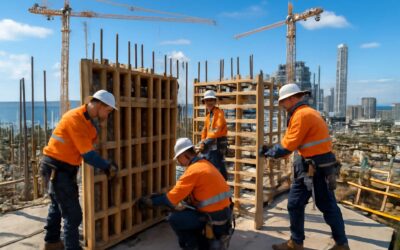
In the realm of construction, the mastery of installation techniques for a formwork plate can mean the difference between a flawless structure and a costly setback. A well-installed formwork plate ensures the integrity of the concrete mold, providing a smooth surface finish and preventing leaks or deformations. Proper handling begins with meticulous alignment—each plate must be positioned with precision, ensuring tight joints that eliminate gaps which could compromise the mold.
To achieve optimal results, it’s essential to follow a systematic approach: first, inspect the formwork plate for any signs of damage or deformities. Next, secure the plates firmly using appropriate fasteners, maintaining consistent pressure along the joint lines. When stacking or connecting multiple plates, consider the following:
- Use compatible bridging components to distribute load evenly.
- Ensure tight connections with minimal gaps for seamless concrete surfaces.
- Employ spacers or shims where necessary to align plates accurately.
Regular maintenance, such as cleaning the surface after each use and inspecting for wear, prolongs the life of your formwork plate. Remember, the key to a durable, reusable formwork system lies in the delicate balance of precise installation and diligent upkeep—transforming raw materials into the foundation of architectural marvels.
Cleaning and Storage
In the high-stakes world of construction, a meticulously maintained formwork plate can spell the difference between a flawless pour and costly delays. Proper installation and diligent maintenance are the unsung heroes behind durable, high-quality concrete structures. After each project, cleaning your formwork plate isn’t just about appearance—it preserves its integrity and prolongs lifespan. A simple yet essential step involves removing residual concrete and debris immediately after use, preventing surface damage and buildup that can compromise future molds.
Storage plays a crucial role in safeguarding your investment. Store formwork plates in a dry, sheltered environment away from harsh elements. This prevents corrosion and warping, especially when dealing with steel or aluminum variants. Implementing a structured storage system, such as stacking with spacers, ensures that plates do not bend or deform over time. Regular inspections for wear or damage, combined with proper cleaning routines, can extend the usable life of your formwork plate exponentially.
- Use mild detergents to clean surfaces without causing corrosion.
- Apply protective coatings or lubricants to minimize rust and wear.
- Ensure plates are completely dry before stacking or storage.
By adhering to these simple yet effective cleaning and storage practices, construction professionals in South Africa can maintain the integrity of their formwork plates, ensuring each pour remains precise and reliable. The longevity of your formwork system hinges on consistent upkeep—because in this game, details matter as much as the grand design itself!
Inspection and Repair
Proper installation and ongoing maintenance are crucial for maximizing the lifespan of your formwork plate. A solid foundation ensures the accuracy of your concrete pour and reduces costly rework. When installing, ensure the plates are aligned correctly and securely fastened to prevent movement during pouring. Loose or misaligned plates can lead to surface imperfections and weaken the final structure.
Regular inspection is key to catching early signs of wear or damage. Look for warping, corrosion, or cracks that could compromise the formwork plate’s integrity. In case of damage, repair should be swift and precise. Minor dents or surface wear can often be remedied with surface grinding or patching, but deeper issues might require replacing the plate altogether. Keeping a detailed record of inspections helps track deterioration patterns and plan timely repairs.
For repair, use compatible materials—such as epoxy or specialized welding—to restore the surface and structural stability of the formwork plate. Implementing a routine of diligent checks and repairs not only extends the life of your formwork system but also ensures each concrete pour remains flawless. Remember, a well-maintained formwork plate is an investment in quality and safety on every project!
Maximizing Reusability
In the realm of construction, a well-installed and meticulously maintained formwork plate can be the difference between a flawless finish and costly rework. Proper installation begins with ensuring that each formwork plate is aligned precisely to maintain the integrity of your concrete pour. Secure fastening is paramount—loose plates can shift under pressure, leading to surface imperfections that mar the final product.
Maximizing reusability hinges on routine maintenance practices. Regular cleaning removes debris and prevents corrosion, while inspections reveal early signs of wear. An effective way to manage upkeep is through a systematic approach:
- Check for warping, cracks, or corrosion during each inspection.
- Address minor damage promptly with surface grinding or patching.
- Replace severely compromised plates—it’s a small investment for long-term savings.
Additionally, storing formwork plates in a dry, covered environment extends their lifespan. When handling, always use appropriate lifting equipment to avoid unnecessary stress on the plates. These simple yet essential tips ensure your formwork plate remains resilient, offering a robust foundation for every concrete project. After all, in the pursuit of excellence, every detail—no matter how small—counts!
Environmental Impact and Sustainability of Formwork Plates
Eco-Friendly Materials
In an era where environmental impact often feels like a distant afterthought, the humble formwork plate emerges as an unlikely hero—combining strength with sustainability. With the construction sector accounting for a significant chunk of global carbon emissions, choosing eco-friendly materials for formwork plate can make a genuine difference. These plates, often made from recycled plastics or sustainably sourced timber, help reduce landfill waste and lower the carbon footprint of building projects.
Moreover, the push towards sustainability isn’t just a moral obligation; it’s also smart business. Reusable formwork plates, designed to withstand multiple concrete pours, exemplify this ethos. They not only cut costs but also promote a circular economy, where materials are valued beyond a single use. In South Africa’s quest for greener infrastructure, eco-conscious formwork plates serve as a testament that construction can be both robust and environmentally responsible.
To further enhance the eco-friendly nature of formwork plate, some manufacturers incorporate biodegradable coatings or produce plates from rapidly renewable resources. This innovative approach ensures that construction projects leave behind a lighter environmental footprint, aligning economic growth with ecological stewardship. Truly, the future of construction hinges on these small yet significant choices—where formwork plate becomes a symbol of sustainability and resilience in every build.
Recycling and Waste Management
Construction waste is a pressing concern in South Africa, with landfills overflowing and environmental standards tightening. Formwork plates, when managed properly, can significantly reduce this impact. Recycling and waste management strategies for formwork plates are crucial for sustainable building practices. Reusable formwork plates, in particular, extend their lifecycle through careful inspection and repair, minimizing the need for new materials. This approach not only conserves resources but also cuts costs over time.
Eco-conscious manufacturing methods are gaining traction, incorporating biodegradable coatings or utilizing rapidly renewable resources. These innovations ensure that formwork plates leave behind a lighter environmental footprint. Additionally, some suppliers offer take-back programs, promoting a circular economy that values each formwork plate beyond a single use. Such initiatives exemplify how sustainable waste management can be seamlessly integrated into construction projects, making formwork plates an integral part of eco-friendly infrastructure development in South Africa.
Carbon Footprint Reduction
In an era where environmental concerns are no longer optional but imperative, the construction industry in South Africa faces mounting pressure to reduce its carbon footprint. Formwork plates, when produced and managed responsibly, can play a pivotal role in lowering overall environmental impact. By choosing eco-friendly materials and embracing recycling initiatives, construction companies can significantly diminish waste and energy consumption associated with formwork plate manufacturing.
One of the most effective ways to enhance sustainability is through the reuse of formwork plates. Their durability allows for multiple cycles of use, but regular inspection and repair are essential to maximize longevity. This approach not only conserves resources but also reduces the need for new materials, cutting down on the carbon footprint linked to production and transportation.
Innovations in manufacturing, such as biodegradable coatings and the use of rapidly renewable resources, further lessen the environmental impact. Some suppliers even offer take-back programs, fostering a circular economy where formwork plates are seen as valuable assets rather than disposable items. Such strategies make sustainable waste management an integral part of modern construction, elevating the role of formwork plates in eco-conscious infrastructure development across South Africa.
Market Trends and Innovations in Formwork Plate Technology
Recent Material Advancements
The evolution of formwork plate technology mirrors the relentless pursuit of innovation in construction, driven by a desire for efficiency and sustainability. Recent material advancements have unlocked new potentials, transforming how professionals approach concrete molding. Modern composites, such as fiber-reinforced plastics, now offer unparalleled strength-to-weight ratios, making formwork plate lighter without sacrificing durability. This leap forward not only expedites project timelines but also reduces labor costs, a boon for large-scale infrastructure like bridges and industrial facilities.
Emerging trends favor eco-friendly materials, with manufacturers prioritizing recycling and waste reduction. Innovative surface treatments enhance the finish of formwork plate, ensuring a smoother concrete surface and fewer imperfections. As the market continues to evolve, a shift toward modular, reusable formwork systems is evident—signaling an era where sustainability and performance go hand in hand. Such advancements are reshaping the landscape of construction in South Africa, where resilience and adaptability remain paramount.
Smart Formwork Systems
Market trends in formwork plate technology reveal a fascinating shift—one driven by the relentless quest for innovation and sustainability in South Africa’s evolving construction landscape. As the industry grapples with rising project complexities, a move toward smart formwork systems is unmistakable. These advanced systems integrate digital monitoring and real-time feedback, elevating precision and safety on site. By embracing such innovations, construction professionals are not only enhancing efficiency but also reducing waste, aligning with eco-conscious objectives.
One of the most compelling trends is the development of modular, reusable formwork plates. These systems foster a culture of sustainability, allowing for rapid assembly and disassembly across multiple projects. The result? Lower costs and minimized environmental impact. Manufacturers are also pioneering surface treatments that improve the finish of formwork plate, ensuring superior concrete surface quality. As South Africa’s infrastructure demands grow, so does the adoption of these cutting-edge techniques, which seamlessly blend performance with ecological responsibility.
In essence, the future of formwork plate technology is rooted in innovation that challenges traditional methods. The industry is increasingly leaning into eco-friendly materials and smart systems, transforming how concrete is molded while honoring the moral imperative of sustainability. This evolution underscores a profound truth: progress in construction isn’t merely about building structures—it’s about forging a resilient, conscious future.
Automation and Robotics in Formwork Setup
In the relentless march of construction innovation, automation and robotics are now wielding a transformative influence on formwork plate technology. These advancements are not mere embellishments but fundamental shifts that redefine precision and efficiency on South African job sites. Imagine robotic arms meticulously positioning reusable formwork plates with unwavering accuracy—an orchestration of engineering prowess that minimizes human error and accelerates project timelines.
In this brave new world of concrete molding, smart systems are seamlessly integrated into formwork plate setups, capturing real-time data that guides adjustments mid-operation. This synergy between automation and intelligent monitoring heralds a new era where formwork setup is faster, safer, and more sustainable.
- Enhanced safety protocols
- Reduced labor costs
- Accelerated project completion
The industry’s embrace of these technological marvels echoes a future where formwork plate is not just a passive component but an active participant in constructing resilient, eco-conscious structures across South Africa.
Future Outlook
Market trends in formwork plate technology are revealing a fascinating shift towards innovation-driven solutions across South Africa’s construction landscape. As the industry gravitates toward smarter, more adaptable systems, the future outlook suggests a landscape where formwork plate plays a pivotal role in revolutionizing project delivery. The integration of cutting-edge materials and design methodologies ensures that these components not only meet rigorous standards but also push the boundaries of what is possible in concrete construction.
Emerging innovations include lightweight yet durable formwork plates, which significantly reduce handling effort and associated costs. Additionally, the advent of modular formwork plate systems allows for faster assembly and dismantling, minimizing project timelines. The future of formwork plate technology hinges on sustainability, with eco-friendly materials and recycling initiatives gaining momentum. This evolution promises a construction environment where efficiency and environmental responsibility go hand-in-hand, shaping resilient structures across South Africa’s diverse terrains.
- Enhanced material science leads to longer-lasting, more versatile formwork plates.
- Integration with smart monitoring systems ensures optimal performance during concrete casting.
- Automation continues to refine the precision and speed of formwork setup, making the process more seamless than ever.
As these trends unfold, the role of formwork plate is set to become more dynamic—transforming from a mere supporting component into an active element of innovative construction practices. The ongoing evolution in formwork plate technology not only boosts productivity but also aligns with South Africa’s broader goals of sustainable development and infrastructural excellence.

0 Comments