
Formwork fundamentals and basics
What is formwork and its purpose in construction
Hidden in the skeleton of every concrete structure, formwork sets the stage for what follows. A recent industry survey suggests formwork issues can push rework costs by up to 15%, turning a simple pour into a cascading delay. This formwork guide sheds light on the basics and keeps projects on a steady course in South Africa!
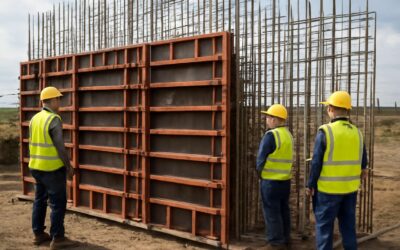
Formwork is a temporary mold used to shape concrete until it cures. Its purpose is to hold and support the wet concrete, maintain geometry and surface finish, and keep workers safe during pours.
Key fundamentals include:
- Materials and surface quality
- Tolerances, alignment, and joints
- Shoring, bracing, and safe stripping
In the right hands, a formwork system becomes a silent partner, shaping futures with quiet confidence!
Key terms and definitions in shuttering
Within every sturdy structure, a formwork guide acts as a quiet navigator on South Africa’s busy building sites. The fundamentals cover materials and surface quality, tolerances, and alignment, with shoring, bracing, and safe stripping forming the choreography. On SA sites, inefficiencies in formwork can push schedules by days—yet the right setup keeps pours steady and crews moving with confidence.
- Shuttering: form panels that define the concrete shape
- Shoring and bracing: temporary supports for stability
- Joints and alignment: keeping edges straight and true
- Stripping: removing forms after the concrete cures
These terms create a common language on site, turning materials into a reliable rhythm that sustains the cure and growth of every structure.
Common formwork mistakes and how to prevent them
Formwork fundamentals are the quiet frame that steadies a project. This formwork guide illuminates planning, panel fit, and the timing of stripping before concrete begins its slow cure. On South Africa’s busy sites, well-set forms translate into predictable pours, safer workers, and less rework when sudden heat or rain moves across the day.
Common formwork mistakes bite into schedule; here’s how to prevent them.
- Weak bracing or misrouted load paths invite movement; prevent with validated bracing schedules and test fits.
- Crooked edges from misaligned panels; prevent with careful alignment, plumb checks, and jigging.
- Open joints or leaks at interfaces; prevent with proper seals, gasketing, and mockups.
- Premature stripping or delayed curing; prevent by following curing windows and temperature protections.
A steady formwork guide turns potential chaos into a measured, rhythmic pour.
Benefits of proper formwork planning and execution
On South Africa’s busiest sites, the rhythm of a successful pour begins with a quiet, patient frame. A leanly engineered formwork guide reveals how planning can shave days from a schedule and keep workers safer when heat and sudden showers chase the day!
Fundamentally, success rests on planning the sequence, aligning panels, bracing with validated schedules, and timing any removal to the concrete’s patient cure. Mockups and test fits guard against misfits, while seals and gaskets keep joints watertight.
Consider these benefits in a well-executed formwork cycle:
- Predictable pours with fewer surprises
- Safer workflows through validated bracing
- Reduced rework and material waste
- Faster progression to finishing stages
That careful choreography shapes more than a slab; it builds trust, turning timber and steel into a quiet partner in the build, where timing, precision, and care co-create the concrete’s enduring surface.
Formwork systems and types for construction
Traditional timber formwork advantages and limitations
On South Africa’s busiest construction sites, formwork failures push schedules and budgets. In many projects, up to 15% of rework costs stem from formwork issues—a sobering reminder of how crucial early decisions are. This formwork guide explores how system choices shape outcomes.
Formwork systems and types span from traditional timber to engineered modular panels. Timber formwork offers flexibility for irregular shapes and low upfront material costs, but its drawbacks include labour demands, quality variability, and moisture distortions.
- Advantages: flexibility for irregular shapes; low upfront material cost
- Limitations: labor-intensive; variability in quality; moisture risks
For larger projects or standardised components, engineered forms—steel, aluminum, and precision plywood panels—deliver faster cycles and a smoother surface, though they demand upfront design work and a higher initial investment.
In South African practice, coordinating formwork with safety standards and site logistics is essential; timber remains valuable for bespoke sections, while modular systems unlock speed when used strategically, as noted in the formwork guide.
Metal and aluminum formwork options for efficiency
In the silhouette of a fast-moving city, metal and aluminum formwork offer precision as constant as a heartbeat—speeding up cycles and leaving a flawless surface that withstands inspection. This formwork guide highlights how modular metal systems excel on repetitive layouts where timber frays.
- Durability and reusability
- Tight tolerances and smoother surfaces
- Faster cycle times with modular components
- Higher upfront design and fabrication requirements
These forms require upfront design and careful fabrication, but on South African sites the payoff shows in reduced rework and smoother turnover between pours. Aluminium options strike a balance between lightness and rigidity, easing handling on crowded sites.
Reusable plastic formwork solutions and considerations
On fast-forward construction sites where cranes sketch the city sky, this formwork guide reveals a quiet revolution! Reusable plastic formwork, graced in HDPE and polypropylene, offers light handling, rugged durability, and a flawless face after many cycles—perfect for South Africa’s repetitive layouts and crowded sites. The promise: cleaner pours, less recoil, and a surface ready for inspection without the drama of constant reworks.
- Cleaning and inspection protocols between pours.
- Proper joint alignment and sturdy supports to prevent leakage.
- Surface finish quality durability across cycles and weather exposure.
- Storage, transport, and refurbishment considerations to maximize life.
With careful care and staging, RPF can stretch a budget and a schedule, turning each pour into a calm crescendo rather than a clatter of delays.
Specialized systems like slip form and jump form basics
The city breathes in steel and shade, and on South African sites the formwork guide reads like a weathered map. Specialized systems—slip form and jump form—move with the rhythm of a late-night engine, lifting slabs in near-continuous pours and turning delay into a rumor of the past.
Specialized systems at a glance:
- Slip form: continuous vertical pours that sculpt tall walls in a single motion.
- Jump form: modular cycles that leap up floors as the work progresses.
- Climbing formwork: ascends with the structure, maintaining form without stripping.
On South Africa’s crowded sites, these techniques must harmonize with logistics, weather, and safety. They offer efficiency and pristine facades, while the discipline of setup preserves the surface for inspection and fits neatly into a modern narrative.
Choosing the right formwork type for concrete projects
On South Africa’s crowded building sites, misjudging formwork can add weeks and push schedules toward the 20% mark of delay. The right choice acts like a silent conductor, guiding pours with precision and keeping surfaces pristine.
A careful formwork guide begins by reading the job: geometry, exposure, and the rhythm of the concrete pour. It weighs finish quality, stripping effort, and reuse potential against upfront cost to reveal the best path.
- Site logistics and access
- Weather, curing times, and safety
- Lifecycle cost and reuse opportunities
- Surface finish and inspection requirements
The story of choosing formwork type is a balance of craft and restraint, a hidden plot behind every column, wall, and slab.
Formwork materials and hardware
Plywood and timber selection criteria for formwork
South Africa’s climate can turn a simple pour into a saga—heat, humidity, and termites test formwork daily. In our formwork guide, plywood and timber choices determine surface quality and structural fit more than you might think. Get this right, and your pours stay square, slick, and on schedule.
Moisture control and surface finish drive plywood selection. For formwork, exterior or marine grades with smooth faces withstand SA weather and repeated use.
- Moisture content under 15%
- Exterior or marine-grade veneer
- Smooth face with minimal knots or voids
- Appropriate thickness for your shutter size
Timber selection criteria balance moisture content with straight grain and load-bearing needs. Select treated softwoods like pine or compatible hardwoods with minimal warp, clean faces, and sound edges; inspect for splits, checks, and insect damage before buying.
Release agents and shuttering oil essentials
Across South Africa’s dramatic climate, a single pour can hinge on the quiet discipline of formwork materials. In this formwork guide, the choice of panels, release agents, and shuttering oil determines the surface you see before the concrete speaks. When faces are smooth and edges true, pours glide toward schedule and safety.
- Oil-based release agents for durability and glide
- Water-based options for quick clean-up
- Wax-based formulations to extend reuse cycles
Release agents and shuttering oil are the quiet custodians of texture and release. They deserve thoughtful selection—oil-based for durability, water-based for cleanliness, wax-based for reuse—and a regime that keeps panels clean and ready for the next cycle. This is the essence of the formwork guide: materials that translate plans into lasting surface quality.
Bracing, ties, and supports for stability
Stability isn’t glamorous, but in formwork it’s the quiet backbone of every pour. In South Africa’s dramatic climate, a single misalignment can turn a clean schedule into a struggle with wind and vibration. The formwork guide reminds us that bracing, ties and supports translate plans into surfaces you can trust—and that trust lets concrete speak clearly. “If the frame isn’t sound, the pour isn’t free,” a veteran foreman likes to say.
For stability, consider these core hardware elements that quietly carry the load:
- Adjustable steel props (ACRO or screw props) to align with varying heights
- Ties and anchors to maintain panel alignment under pressure
- Ledger lines, base spacers and wedge sets to distribute loads evenly
Used together, they form the backbone of a dependable formwork guide that translates design into a solid, observable reality on site.
Waterproofing membranes and protective coatings for formwork
In the formwork guide, the quiet workhorse isn’t the pour but the materials and hardware that hold it together. Timber and plywood yield shape and texture; steel and aluminum panels offer brutal longevity; reusable plastics cut weight and cycle time without sacrificing finish. In South Africa’s climate, the chosen mix matters for surface quality and on-site ergonomics. Tiny decisions, big outcomes!
- Timber framing and plywood panels
- Steel and aluminium modular forms
- Reusable plastic formwork systems
- Phenolic-laminate faced panels
Waterproofing membranes and protective coatings for formwork extend that life and protect the pour. Bituminous, PVC, or HDPE membranes shield against moisture and bleed, while protective coatings—melamine or phenolic faces on panels—deliver smoother releases and fewer scars on the concrete. A prudent formwork guide keeps these choices in view.
Fasteners, clips, and connectors for durable assemblies
Power lies in the quiet hardware—the fasteners, clips, and connectors that bind a formwork system into a durable truth. On South African sites, the wind, sun, and soil test every joint, and a single strong bolt can save a thousand moments of misalignment. The formwork guide honours this hidden force, weaving efficiency and reliability into the frame with each connection.
Assemble with these dependable companions:
- Stainless steel fasteners (316 or A4) for coastal or humid environments
- Hot-dip galvanised steel clips and ties for rugged durability
- Aluminum connectors and corner clamps for lightweight, repeated assemblies
- High-density polymer clamps and spacers that resist moisture and reduce surface marks
Beyond membranes and panels, the right hardware harmonizes climate, reuse, and finish—so the pour emerges with the clarity of carved stone.
Formwork design, engineering, and safety considerations
Structural calculations and load paths for formwork design
On South Africa’s dynamic construction sites, a single miscalculation in formwork design can ripple into delays and unsafe days. It’s estimated that up to 20% of concrete rework stems from faulty load predictions. A well-crafted formwork guide turns these risks into a confident plan, translating hydrostatic pressure, pour sequence, and real-world conditions into steady, controllable forms. By framing the challenge as a load-path journey, engineers trace every force from fresh concrete to ground, securing stability with precision rather than brute force!
Core steps in structural calculations and load paths include:
- Model hydrostatic pressures and placement loads to confirm panel and support capacity
- Define load paths from formwork surfaces to permanent supports to prevent hidden overstress
- Plan safe access, clear stripping zones, and contingency provisions to protect workers
Ultimately, this guide serves as a living map, aligning design with safety, scheduling, and quality. It helps teams anticipate risks and make informed decisions before the first panel goes up, turning complex engineering into a readable blueprint for success.
Shoring design and bracing strategies
Across South Africa’s busy sites, every pour begins as a whispered promise to gravity. In this formwork guide, shoring design emerges not as a vexed calculation but a narrative of balance—where bracing strategies, panel capacity, and placement loads converge into a single, steady heartbeat. Designers trace the load as it travels from fresh concrete to ground, weaving safety into every joint and support with quiet confidence.
Key elements rise from the text as quiet reminders:
- Redundant supports and clean load paths
- Accessible stripping zones and clear lines of sight for inspectors
- Quiet redundancy and maintenance of clearances to allow safe movement
The narrative keeps pace with risk, turning complex engineering into legible decisions.
When the last panel stiffens, the story remains a map that links engineering with human certainty.
Safety protocols, PPE, and site practices for formwork work
On South Africa’s bustling sites, solid formwork is the quiet architect of safety. The formwork guide treats design, engineering, and people as a single heartbeat—turning bracing, panel capacity, and load paths into confident, safe pours. It’s not about heavy jargon; it’s about making every joint and clamp a decision you’d stake your badge on when the concrete starts to sing.
Safety protocols, PPE, and site practices aren’t afterthoughts. They’re the margin where risk stays at bay and productivity keeps pace with caution.
- Hard hats, safety boots, high-visibility gear
- Eye protection and gloves; hearing protection as needed
- Respiratory protection when dust or fumes are present
- Lockout/tagout for heavy lifting and equipment
- Pre-pour checks on bracing, ties, and spacing
- Clear stripping zones and unobstructed lines of sight
With these provisions, the flow from fresh concrete to ground stays predictable and legible for inspectors and crews alike. This is how a formwork guide becomes a living map on a South African jobsite.
Inspection, quality control, and compliance checks
On South Africa’s busy sites, the formwork guide is the quiet architect behind every successful pour. Good formwork design and engineering translate plans into safe, stable structures, guiding load paths, panel capacity, and bracing in one coherent flow. It’s people-focused, turning each joint and clamp into a decision you’d stake your badge on when the concrete begins to sing!
- Design cohesion across geometry, materials, and construction sequence
- Clear interfaces for safety-critical connections and clamps
- Documentation that proves compliance with standards
- Integrated review by design and site teams
Inspection, quality control, and compliance checks keep the formwork guide alive on the ground. Regular reviews verify alignment, deformations, and bracing integrity, with traceable records that satisfy inspectors and clients alike. In practice, this living map helps crews move from form to finish with confidence.
Risk assessment and contingency planning in formwork projects
A robust formwork guide translates design into safe, stable pours on South Africa’s busy sites. It aligns geometry, materials, and sequence into a single, actionable plan. When load paths are clear and bracing is on point, every joint feels like a decision you’d stake your badge on as concrete begins to sing!
In the realm of design and safety, risk assessment and contingency planning keep projects flexible. Anticipate weather shifts, ground movement, and unknown loads; pin down who acts, when, and how adapters or bracing can be swapped without losing sequence. Consider these essentials:
- Weather and ground movement contingencies
- Unanticipated load changes and deflection monitoring
- Access, sequencing, and supply disruptions
This formwork guide on site stays alive through clear interfaces between design and field teams and documented decisions that stay accessible to all stakeholders.
Formwork installation, removal, and maintenance practices
Site setup, sequencing, and coordination for efficient installation
In South Africa’s building sites, a misaligned shoring frame can cost more than a full extra week of concrete curing—statistically painful, but undeniable. This formwork guide isn’t just theory; it’s a practical reminder that smart setup saves time and money on every pour.
Getting formwork in place means clean site setup, clear access routes, and proper sequencing so pours flow smoothly. Coordination with rebar teams, concrete suppliers, and crane operators avoids bottlenecks and last-minute shuffles.
- Site accessibility and safety checks
- Alignment, levelness, and edge protection
- Documentation and status handover
Removal should be planned to minimize damage to panels and edges; routine maintenance includes checking bracing, ties, and surface finishes to keep forms reusable and dry; view maintenance as a quality gate rather than a chore.
Formwork removal timing and methods to minimize damage
On South Africa’s building yards, a single misaligned shoring frame can cost more than a full extra week of concrete cure—painful in the ledger, inevitable in reality. This formwork guide threads those shadows into daylight, a reminder that precision today saves time and money on every pour.
Formwork in place requires a clean site, clear access routes, and measured sequencing, so pours flow like a measured march. Coordination with rebar teams, concrete suppliers, and crane operators keeps bottlenecks at bay and prevents last-minute shuffles that haunt schedules.
Removal timing and methods should minimize damage to panels and edges; routine maintenance invites scrutiny of bracing, ties, and surface finishes, turning upkeep into a quiet guardian of durability and reuse.
Cleaning, storage, and reuse planning for sustainability
On South African sites, a dented edge can stall a pour for days and drain the budget by up to 20%. Precision becomes habit, not a one-off check.
Installation: keep the site clean, create clear access, and sequence operations so pours flow like clockwork. Coordination with rebar, suppliers, and crane teams prevents bottlenecks.
Removal and maintenance: when panels come out, check edges for damage and plan reuse with routine bracing and surface checks. Cleaning, drying, and proper storage sustain durability.
- Clean with non-corrosive cleaners
- Dry thoroughly; store off ground
- Inspect for cracks and warping
- Plan reuse by condition and schedule
Sustainability: reuse planning reduces waste and lowers costs per pour, supporting a lean, durable South African build cycle. Storage and handling keep the formwork guide practical.
Cost, lifecycle, and efficiency considerations in formwork management
On South African sites, installation unfolds like a nocturne of order: clean edges gleam, access is carved, and sequences bend time to purpose. A well-tuned formwork guide keeps pours flowing, turning potential bottlenecks into a steady, cathedral-like rhythm.
Site discipline matters: keep the ground clean, routes clear for rebar, suppliers, and crane teams, and let the workflow resemble clockwork.
- Edge damage risk management during seating and alignment
- Reuse viability tracking by project phase
- Documentation of movements to minimize idle time
Removal and maintenance follow with a hushed severity: as panels yield, edges are inspected for bruises and cracks, and plans for reuse are weighed against bracing and surface checks. Storage remains off the ground and dry to keep shape honest.
In cost, lifecycle, and efficiency terms, formwork management on SA sites rests on discipline, reuse, and foresight—the formwork guide mapping every pour toward durability, a quiet guardian of the build.
Common maintenance tasks to extend formwork life
Formwork installation, removal, and maintenance are the backbone of any project. This formwork guide treats each phase as a coordinated sequence—panels set true, edges clean, and bracing intact so pours meet quality expectations. When removal comes, timing is a quiet control, reducing nicks and surface damage. A well-tuned approach keeps crews moving with confidence!
- Inspect edges and corners for bruises or cracks
- Clean concrete residues and dust from faces
- Seal joints and fasteners; replace damaged clips
- Evaluate reuse viability with surface and brace checks
- Store panels off the ground in dry, shaded areas
Documentation matters. Maintain a simple log of maintenance tasks and findings to support durability and reuse across phases.


0 Comments