
Understanding Formwork and Its Importance in Construction
Definition of Formwork – What is formwork and how does it function in construction?
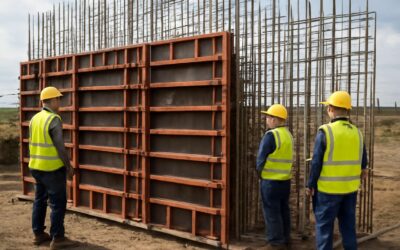
Formwork is the silent backbone of any solid structure, supporting the weight of concrete until it hardens into a durable form. Its importance often goes unnoticed until a project faces delays or safety concerns, reminding us just how vital this component truly is. In essence, formwork functions as a temporary mould, shaping the concrete while ensuring it remains in the correct position during setting. Without reliable formwork, architectural visions can falter, and construction can become perilous.
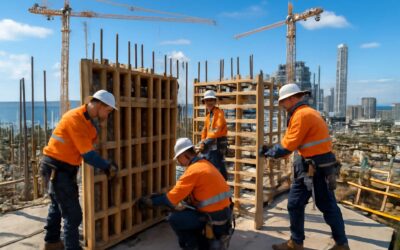
Understanding the role of formwork in construction reveals its complexity and the skill required to execute it flawlessly. Skilled workers, often organised through a dedicated formwork union, collaborate to assemble these intricate frameworks efficiently. The union not only champions fair wages but also promotes safety standards that keep workers protected during demanding tasks. Whether working with traditional timber or modern metal systems, the craftsmanship involved demands precision and experience.
In the broader scope of building, the importance of a formwork union cannot be overstated. It ensures the integrity of the construction process, fostering collaboration among skilled artisans who share a common goal: creating safe, lasting structures. Their collective expertise transforms raw materials into the foundations of communities, reminding us that even the most utilitarian elements carry a profound significance in shaping our world.
Types of Formwork Systems – Various types of formwork used in construction projects
Understanding the myriad forms that shape our built environment reveals an intricate ballet of engineering precision and human craftsmanship. In the realm of construction, the choice of formwork system is not merely about moulding concrete but about orchestrating stability and safety amid chaos. Various types of formwork used in construction projects—including traditional timber, steel, and modern modular systems—each bring unique virtues to the table. Timber formwork offers flexibility and rapid assembly, ideal for custom or complex designs, while steel formwork provides durability and reusability for high-volume projects. Modular systems, with their swift setup and customisable configurations, exemplify the evolution of construction technology.
The role of a formwork union becomes even more critical when navigating this diverse landscape. Skilled unionised workers ensure that each system is executed with unwavering precision and adherence to safety standards. Their collective expertise guarantees that intricate forms are assembled seamlessly, reducing the risk of structural flaws or delays. It is through this collaboration—where craftsmanship meets discipline—that the true potential of these formwork systems is realised, cementing the union’s importance in delivering enduring and safe structures.
Role of Formworkers – Responsibilities and skills of formwork workers
In the vast symphony of construction, the role of formwork is often misunderstood, yet it is the silent backbone of every durable structure. The integrity of a building hinges on the craftsmanship of those who shape concrete—formworkers. Their responsibilities extend beyond mere assembly; they are the custodians of safety, precision, and excellence. The formwork union stands as a testament to collective discipline, ensuring that each worker adheres to the highest standards.
Formwork workers possess a unique blend of skills, combining technical know-how with an almost intuitive understanding of materials and spatial reasoning. Their tasks include measuring, cutting, and securing formwork components—whether timber, steel, or modular systems—while maintaining rigorous safety protocols. It is a demanding role that tests both physical endurance and mental acuity. The formwork union plays a pivotal role here, fostering a community where shared expertise elevates standards and reduces risks.
- Meticulous attention to detail in formwork assembly
- Adherence to safety regulations and best practices
- Proficiency in operating diverse tools and machinery
- Collaborative communication within team environments
At its core, the formwork union embodies a moral commitment—an unspoken vow to uphold the integrity of every structure and protect the lives of those building it. In this collective effort, the union’s influence extends beyond craftsmanship; it becomes a moral imperative for excellence and safety in construction. The true artistry of formwork lies not just in the materials but in the human hands that shape them—hands united under the banner of the formwork union.
The Concept of Formwork Union
What Is a Formwork Union? – Definition and objectives of a formwork union
In the grand theatre of construction, the concept of a formwork union functions as both the conductor and the chorus, harmonising the efforts of skilled artisans behind the scenes. A formwork union is essentially an organised body representing workers specialised in formwork — the temporary moulds that shape the very skeleton of our skyline. Its primary objective? To safeguard workers’ rights, promote safety standards, and ensure fair wages—fundamentals that keep the construction orchestra in tune.
More than mere labour advocacy, a formwork union aims to elevate craftsmanship and negotiate conditions that reflect the complexity and physical demands of modern formwork systems. It also acts as a vital conduit between workers and project managers, fostering a collective voice that can influence industry standards and working conditions. Here’s a quick glance at their core objectives:
- Advocate for fair compensation and working hours
- Uphold safety protocols and training standards
- Promote continuous skills development
- Negotiate with employers for better working conditions
In essence, a formwork union is the backbone of a well-organised construction site, ensuring that those who mould our future are protected, empowered, and appreciated for their craftsmanship. After all, without their precision and dedication, our skylines would remain mere sketches on a blueprint — less art, more chaos.
History and Evolution – Historical development of formwork unions in the construction industry
The history of the formwork union is a compelling narrative woven into the broader tapestry of construction’s evolution. As skyscrapers and complex infrastructure projects began to dominate cityscapes in the early 20th century, workers recognised the need for organised representation to navigate the increasing technical and physical demands of modern formwork systems. These unions emerged as vital entities, advocating for workers’ rights while fostering a culture of safety and craftsmanship.
Initially, formwork unions were localised and often informal, driven by the shared experiences of labourers who sought better conditions and fair wages. Over time, this grassroots movement grew into structured organisations, with national and international bodies championing industry standards. The development of specialised skills and the recognition of the physical rigours of formwork work prompted the union movement to push harder for continuous skills development and safer working environments.
- Organised labour movements began to formalise in the mid-20th century, establishing clear negotiations channels with employers.
- Their influence expanded as construction projects grew in complexity, demanding more specialised expertise from formwork workers.
- Today, the formwork union remains a cornerstone for fostering industry-wide standards, ensuring that craftsmanship is protected and valued in an ever-evolving construction landscape.
Through decades of advocacy and resilience, the formwork union has become more than just a collective – it is a symbol of professionalism and social justice within the construction industry, shaping the way we build our world.
Key Functions and Roles – Main functions performed by a formwork union
At the heart of every successful construction site is a powerhouse of organisation and advocacy — enter the formwork union. These organisations are not just about handing out a few safety tips; they are the cornerstone of ensuring that formwork workers have a voice, fair wages, and proper conditions. Their main functions revolve around safeguarding workers’ rights while championing industry standards that push the entire construction sector forward.
A critical role of the formwork union is negotiating with employers to secure better wages, safer working conditions, and continuous training opportunities. These unions also serve as a vital bridge between workers and management, facilitating dialogue that helps prevent disputes before they even start. In addition to collective bargaining, a formwork union often provides legal support and ensures compliance with health and safety regulations, making sure that workers are protected from the physical rigours of demanding formwork tasks.
To keep pace with the ever-evolving construction landscape, formwork unions actively promote skills development and certifications, recognising that a highly skilled workforce is both safer and more efficient. By doing so, they foster a culture of craftsmanship, innovation, and resilience — traits every towering skyscraper or sprawling infrastructure project needs. Ultimately, the formwork union acts as a guardian of professionalism, ensuring the craft’s integrity endures amidst modern challenges.
Benefits of Joining a Formwork Union
Advocacy and Representation – Protection of workers’ rights and interests
In an industry where the stakes are as high as the structures we build, the power of a formwork union becomes undeniable. Through collective advocacy and steadfast representation, workers gain a voice that cannot be ignored. This unity transforms individual concerns into a formidable force, ensuring that workers’ rights and interests are always front and centre.
Protection of workers’ rights and interests is the cornerstone of a formwork union’s purpose. It acts as a shield against unfair labour practices, unsafe working conditions, and unjust wage policies. When workers band together, they foster a community rooted in mutual support and shared accountability. Such solidarity not only elevates individual morale but also amplifies their influence within the construction industry.
By joining a formwork union, members benefit from robust advocacy, legal assistance, and access to training programmes designed to uphold safety standards and skill levels. This collective strength fosters a more equitable environment—one where human dignity and craftsmanship are honoured above all else. Embracing union membership isn’t just about protection; it’s about asserting the value of every worker’s contribution to the construction of our future.
Negotiation Power – Impact on wages, benefits, and working conditions
In the realm of construction, where every beam and column tells a story of precision and strength, the influence of a formwork union extends beyond mere camaraderie. It is a formidable force that amplifies negotiation power, transforming individual voices into a chorus that commands attention. When workers unite within a formwork union, they gain leverage to negotiate wages, benefits, and working conditions that reflect their vital contribution to the industry.
Through collective bargaining, a formwork union ensures that standards are not just set but upheld—creating an environment where fair pay and safe, humane working conditions are the norm. This unity allows workers to push for improvements that might be elusive when operating solo. In essence, a formwork union acts as a shield, safeguarding the dignity of each worker while fostering an environment where craftsmanship and safety are paramount.
- Enhanced negotiation power naturally leads to better wages, ensuring workers are compensated fairly for their expertise.
- Benefits such as health insurance, pension schemes, and paid leave become standard expectations rather than aspirations.
- Working conditions are elevated, with safety protocols reinforced and risks mitigated through collective advocacy.
In the dance of construction, where precision and safety are intertwined, a formwork union’s negotiation prowess is the key to unlocking a more equitable future—one where every worker’s voice shapes the skylines of tomorrow. The collective strength of a formwork union doesn’t just influence individual salaries; it transforms the entire fabric of the industry, ensuring that the craftsmanship behind every structure is protected and valued.
Skill Development and Training – Access to training programs and professional growth opportunities
Joining a formwork union unlocks a world of skill development and professional growth that can elevate a worker’s craft to new heights. In this realm, training programs are not mere routines but gateways to mastery, offering access to specialised workshops, certifications, and hands-on learning opportunities. These initiatives ensure that formworkers remain at the forefront of industry standards, continually sharpening their expertise.
Moreover, a formwork union often advocates for ongoing education, fostering an environment where knowledge is cultivated like a rare gemstone—polished and refined through experience and formal instruction. This collective pursuit of excellence helps members stay ahead in a competitive industry, translating to better job security and career longevity.
To exemplify, many unions provide structured pathways for professional growth, including:
- Advanced safety training to navigate complex construction sites
- Leadership programmes that prepare workers for supervisory roles
- Technical courses on emerging formwork systems and materials
Participation in these programmes not only enhances individual skillsets but also bolsters the reputation of the entire formwork union, creating a legacy of craftsmanship built on continuous learning and adaptation. When workers unite through a formwork union, they gain access to a vault of knowledge—an invaluable asset in the ever-evolving landscape of construction technology and safety standards.
Job Security and Stability – Ensuring consistent employment and safe work environments
In the bustling world of construction, stability isn’t just about concrete—it’s woven into the very fabric of workforce organisation. Joining a formwork union offers more than collective bargaining; it provides a fortress of job security and stability that many workers dream of. When you become part of a formwork union, you tap into a network dedicated to ensuring consistent employment, even during industry fluctuations. This solidarity means fewer surprises and a more predictable career path in a landscape often marked by unpredictability.
Safety is paramount in construction, and a reputable formwork union champions this cause fiercely. By advocating for rigorous safety standards, unions foster secure work environments that prioritise worker well-being. This focus not only reduces accidents but also cultivates peace of mind, allowing workers to perform at their best without the constant worry of hazards. The collective strength of a formwork union empowers members to negotiate better wages, benefits, and favourable working conditions—solidifying their position in a competitive industry.
Moreover, membership often grants access to structured employment opportunities and a support system that bolsters resilience in turbulent times. For many, being part of a formwork union isn’t just about the present; it’s an investment in a future where craftsmanship is honoured, safety is guaranteed, and job stability is a right, not a privilege. The union’s influence acts as a safeguard, ensuring that every brick laid is backed by the assurance of collective strength and shared responsibility.
Challenges Faced by Formwork Unions
Industry Competition – Balancing union presence with industry demands
Amidst the shadowed corridors of construction, the formwork union stands as both sentinel and spectre—its presence a haunting reminder of collective strength in a realm driven by relentless industry demands. Yet, this union faces an eternal struggle: balancing the needs of its members with the merciless pace of modern construction.
In an environment where project deadlines loom like dark clouds, the formwork union must navigate the treacherous waters of industry competition, where the drive for efficiency often threatens to drown out the voices of workers. This delicate dance involves safeguarding job security and fair wages while remaining flexible enough to adapt to rapid technological shifts.
The challenge lies in maintaining a robust union presence without alienating industry stakeholders who seek seamless, profit-driven progress. For many, it becomes a battle of shadows—asserting rights while respecting the relentless march of construction’s relentless evolution.
Technological Changes – Adapting to new formwork technologies and methods
In the rapidly evolving landscape of construction, technological change poses one of the most significant challenges for a formwork union. As new formwork systems and methods emerge, unions must adapt swiftly to ensure their members remain competitive and protected. The advent of modular and automated formwork has revolutionised the industry, demanding new skills and knowledge from workers. This shift can cause friction within traditional union structures, which often rely on established practices and standards.
To stay relevant, a formwork union must embrace continuous skill development. Training programmes now need to incorporate digital tools and innovative techniques, fostering a culture of learning. Some unions have begun implementing
- specialised workshops
- certification courses
aimed at bridging the gap between legacy methods and cutting-edge technology. This proactive approach is essential to safeguarding job security and ensuring members can thrive amid industry transformation.
While technological advances improve efficiency, they also threaten to marginalise workers who lack up-to-date skills. The delicate balance for a formwork union lies in negotiating industry-wide adoption of new methods while protecting their members from displacement. As construction evolves at a dizzying pace, the union’s role as both advocate and guardian becomes ever more vital in navigating this brave new world.
Legal and Regulatory Issues – Compliance challenges and labor laws
In the labyrinthine world of construction, the formwork union stands as both a shield and a compass, guiding workers through the complex maze of legal and regulatory demands. Navigating compliance challenges is no small feat—labour laws fluctuate across regions, often shrouded in intricate legislation that can threaten to entangle even the most seasoned union representatives. The delicate dance of adhering to safety standards, wage regulations, and contractual obligations demands an eagle eye and unwavering vigilance.
Unforeseen legal pitfalls can cast long shadows over a formwork union’s efforts to protect its members. For instance, changes in health and safety legislation or employment rights can create ripple effects, forcing unions to adapt swiftly. Sometimes, this involves grappling with an array of compliance issues, such as ensuring proper documentation or meeting industry-specific standards.
- Legislative updates that impact working hours
- Wage and benefits regulations
- Health and safety compliance mandates
These hurdles require a union’s proactive engagement and meticulous attention to detail, lest they risk marginalising their members or facing legal repercussions.
Moreover, labour laws often evolve faster than union policies can keep pace, creating an ongoing challenge to maintain relevance and authority. The balancing act becomes even more complex when considering industry-wide negotiations, where legal frameworks influence everything from dispute resolution to collective bargaining. In this grand tapestry of regulation and rights, the formwork union’s role as both advocate and guardian becomes essential—fighting tirelessly to uphold the rights of workers while navigating the labyrinth of legal formalities that govern the construction realm.
Membership Engagement – Maintaining active and committed union members
In the bustling realm of construction, maintaining an engaged and committed membership within a formwork union is akin to nurturing a vibrant, living organism. The challenge lies not just in recruiting members, but in igniting a steadfast passion that sustains their involvement amidst a landscape of shifting priorities and industry upheavals. The allure of job security, fair wages, and safe working conditions must be continually reinforced, lest the union’s influence wane.
One of the most formidable hurdles is combating the sense of detachment some workers feel from union activities, often born from a misconception that union efforts are distant or disconnected from daily realities. To bridge this divide, unions frequently implement innovative engagement strategies, such as targeted training sessions, community-building events, and transparent negotiations. These initiatives serve to foster loyalty and cultivate a shared sense of purpose among members.
In an industry where technological advancements evolve at breakneck speed, a formwork union must also adapt to ensure members remain relevant and motivated. Embracing new formwork systems and innovative construction techniques becomes a rallying point, reinforcing the union’s role as both protector and pioneer.
- Regular communication channels
- Recognition of member achievements
- Inclusive decision-making processes
create a fertile ground for sustained engagement and collective strength.
How to Join a Formwork Union
Membership Requirements – Eligibility criteria and necessary qualifications
Joining a formwork union is a pivotal step for those seeking to forge a resilient career within the construction industry’s intricate tapestry. To become a member, candidates must satisfy specific eligibility criteria that affirm their commitment and skill level. Typically, applicants should possess a recognised qualification in formwork or a substantial track record in formwork systems, demonstrating both competence and dedication.
The necessary qualifications often include a recognised apprenticeship or equivalent experience in formwork installation and safety protocols. In addition, many unions require prospective members to undergo a practical skills assessment or interview, ensuring they meet industry standards.
Eligibility criteria may also encompass age restrictions and proof of legal right to work within the UK. For aspiring members, engaging with union training programmes not only enhances their skills but also aligns with union requirements. Ultimately, becoming part of a formwork union demands a blend of proven expertise and an unwavering commitment to upholding safety, professionalism, and industry standards.
Application Process – Steps to become a union member
Embarking on the journey to join a formwork union can feel like stepping into a world of opportunity and professional growth. The application process is designed to ensure that only dedicated and skilled workers become part of this vital industry community.
The first step involves gathering proof of your qualifications—be it a recognised apprenticeship in formwork or substantial hands-on experience with formwork systems. Once you meet the eligibility criteria, you’ll typically need to submit an application form through your chosen union’s website or office.
In many cases, prospective members are invited to attend a practical skills assessment or interview, providing a chance to demonstrate their competency and understanding of safety protocols. Some unions also require proof of legal right to work within the UK and adherence to age restrictions. Engaging with union training programmes early on can be a strategic move, as these courses often serve as a stepping stone towards full membership.
Understanding the application process for a formwork union reveals the importance of showcasing your expertise and commitment—elements that will ultimately determine your place within the industry’s intricate network.
Costs and Dues – Financial obligations involved in joining
Joining a formwork union often involves more than just a handshake and a nod of agreement; it is a commitment that carries financial responsibilities. The costs and dues associated with membership are designed to sustain the union’s vital functions—advocacy, training, and safeguarding workers’ rights.
Typically, new members are required to pay an initiation fee, a one-time payment that signifies your entrance into this clandestine network of skilled artisans. Beyond this, monthly or annual dues are levied to fund ongoing activities, including safety programmes and wage negotiations.
Some unions also impose additional charges for specialised training courses or certification renewals. The financial obligation might seem formidable—yet it is a small price to pay for the stability and protection that a formwork union provides in an industry riddled with uncertainty.
For many, the true cost lies in the investment of time and dedication to the craft, but the dues ensure the collective strength needed to face the industry’s shadows and challenges.
Membership Benefits – Additional advantages of union membership
Joining a formwork union unlocks a realm of benefits that extend far beyond mere financial savings. The sense of camaraderie and collective strength fostered within these unions creates a powerful shield against industry uncertainties.
Membership provides access to exclusive training programmes, equipping workers with the latest skills and technological know-how in formwork systems. This ongoing education not only boosts individual confidence but also elevates industry standards.
Furthermore, being part of a formwork union ensures your voice is heard during wage negotiations and policy discussions. The union’s collective negotiation power translates into better wages, improved safety protocols, and enhanced job security.
For those seeking a sense of purpose and community, union membership offers an unparalleled network of skilled professionals committed to mutual growth. Engage with experienced comrades, share knowledge, and stand united—because in the world of formwork, strength truly lies in unity.
The Future of Formwork Unions in Construction
Influence of Industry Trends – Impact of automation and innovation on union roles
The future of the formwork union in construction is poised at an intriguing crossroads, shaped by rapid industry trends and technological innovation. As automation becomes increasingly prevalent, traditional roles within the formwork union are evolving, demanding a fresh skill set from members. Instead of manual labour alone, union workers are now engaging with advanced machinery and digital tools, transforming the landscape of construction site management.
This shift not only impacts daily operations but also influences the influence of the formwork union itself. Embracing these changes, unions are leveraging new platforms to advocate for workers’ rights in a more dynamic environment. The integration of cutting-edge technology fosters a more collaborative approach, where union members can participate actively in training programmes that prepare them for future demands. Furthermore, industry trends highlight a move towards specialised roles, making union membership more valuable than ever for those seeking job security and professional growth.
Legal and Policy Changes – Potential regulatory reforms affecting unions
The landscape of construction is shifting at an unprecedented pace, with legal and policy reforms poised to redefine the role of the formwork union. As governments and industry regulators recalibrate labour laws to better address technological advancements, union influence faces both challenges and opportunities. New regulations may impose stricter safety standards, mandate advanced training for formwork workers, or introduce licensing requirements that elevate professionalism within the craft.
In some regions, legislative bodies are exploring reforms that could enhance union bargaining power or, conversely, limit certain collective rights. For example, proposals for flexible labour laws aim to balance industry demands with worker protections, directly impacting how a formwork union operates on-site and in negotiations. The evolving legal framework underscores the importance of proactive adaptation; unions that engage early in policy discussions can shape regulations to safeguard their members’ interests.
Furthermore, potential reforms might involve the introduction of new compliance obligations, such as digital record-keeping and oversight of machinery use, which will influence union activities. The dynamic interplay between legal reforms and industry needs ensures that the future of the formwork union remains a captivating arena—full of potential and strategic manoeuvring. Staying abreast of these regulatory shifts is essential for unions seeking to maintain influence and secure a stable future for their members.
Strategies for Sustainability – Adapting union strategies for future relevance
The future of formwork unions in construction hinges on their ability to adapt strategically to a rapidly evolving industry landscape. As sustainability becomes a non-negotiable pillar of modern building practices, unions must innovate to stay relevant. Embracing green technologies and advocating for eco-friendly materials can position formwork unions as leaders in sustainable construction.
To thrive in this new era, formwork unions may consider implementing forward-thinking strategies such as promoting renewable energy use on sites or supporting the integration of smart, digital tools for project management. These initiatives not only enhance operational efficiency but also demonstrate a commitment to environmental responsibility—an increasingly vital aspect for industry reputation and member retention.
Furthermore, fostering collaboration with technology providers or industry innovators can open doors to new training programmes that empower members with skills in sustainable construction methods. This proactive approach ensures that the formwork union remains an indispensable advocate for workers amidst the shift towards greener building practices.
Collaborations and Partnerships – Working with industry stakeholders for mutual benefits
In an industry where innovation often feels like a fleeting breeze, the future of the formwork union hinges on forging alliances that transcend traditional boundaries. Industry collaborations with stakeholders—architects, technology providers, and environmental advocates—are not merely beneficial; they are vital for shaping resilient, adaptive unions. When formwork unions embrace strategic partnerships, they unlock avenues for shared knowledge, resource pooling, and collective influence that amplify their voice in the evolving construction landscape.
By fostering relationships built on mutual benefits, formwork unions can champion groundbreaking initiatives such as sustainable building practices and digital transformation. For example, working closely with industry innovators allows unions to advocate for eco-friendly materials and green technologies—cornerstones of modern, sustainable construction. Moreover, alliances with regulatory bodies and policymakers ensure that worker rights and safety standards evolve alongside industry advancements, safeguarding the interests of their members.
One compelling approach involves establishing formal collaborations through structured initiatives such as joint training programmes or innovation forums. These partnerships not only enhance skill development but also position the formwork union as a pivotal player in pioneering industry standards. Such strategic alliances serve as a conduit for the union’s voice to resonate louder in the corridors of industry influence, ensuring that workers’ welfare remains at the heart of progress and innovation.

0 Comments