
Understanding Formwork and Falsework
Definition of Formwork – What is formwork in construction?
Constructing the skyline of South Africa’s bustling cities relies heavily on the unseen yet vital backbone of any project: formwork or falsework. These engineering marvels serve as the temporary molds and supports that shape the very essence of concrete structures, transforming raw materials into architectural masterpieces. Without them, the dream of towering skyscrapers and sprawling bridges would remain just that—a dream.
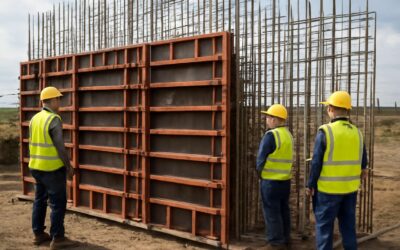
At its core, formwork is the framework that holds wet concrete in place until it hardens, maintaining the desired shape and surface finish. Meanwhile, falsework provides the necessary temporary support for structures like bridges, arches, or slabs during construction. Think of it as the scaffolding of the construction world—hidden yet indispensable. The delicate balance between strength and flexibility in formwork or falsework ensures safety, efficiency, and precision throughout the building process.
In practice, selecting the right type involves understanding the project’s complexity and scale. For instance, innovative forms like modular systems or lightweight timber frames can expedite construction timelines and reduce costs. After all, every structure begins with a carefully engineered formwork or falsework system—an invisible blueprint that makes the extraordinary possible.
Definition of Falsework – What is falsework and its role?
In the grand tapestry of construction, falsework emerges as the silent guardian—an invisible yet essential force that sustains the weight of dreams before they touch the sky. Unlike the temporary scaffolding that climbs the sides of a building, falsework serves as a crucial support system, holding up arches, bridges, and slabs with unwavering strength. It is the unseen foundation that ensures safety and precision in complex structures, often overlooked but never underestimated.
Understanding falsework involves appreciating its role as the temporary framework that bears the load during construction. It’s a carefully engineered support that can be tailored from timber, steel, or modular systems—each chosen for their ability to adapt to the unique demands of a project. The artistry lies in balancing strength with flexibility, allowing builders to craft architectural marvels that seem to defy gravity.
For structures of increasing complexity, the role of falsework becomes even more pivotal. Some projects require a sequence of supports—each precisely positioned—to create seamless curves or expansive spans. The intricate dance of these supports transforms raw materials into iconic landmarks, all while ensuring safety and efficiency on the construction site. Truly, falsework is the backbone of innovation, quietly shaping the skyline of South Africa’s bustling cities.
Differences Between Formwork and Falsework – Key distinctions and similarities
Understanding the dance between formwork and falsework is like deciphering the secret language of construction—both are support systems, but each has its own personality and purpose. While formwork or falsework might sound interchangeable, they play very different roles on the construction stage. Think of formwork as the artist’s canvas—an inner shell that shapes the concrete into its final form—while falsework is more like the scaffolding that holds everything in place during the creative process.
One could say that formwork is the temporary mold that captures the architect’s vision, whereas falsework is the sturdy backbone that keeps that mold intact during the demanding process. They often work hand in hand, yet their core distinction lies in their function: formwork creates the shape, and falsework provides the support. For example, in constructing an arched bridge, the falsework might be the intricate network of supports holding the formwork in perfect alignment—each element essential for safety and precision.
- Formwork typically remains in place until the concrete hardens and can support itself.
- Falsework often acts as the temporary skeleton, ensuring safety during construction of complex or large structures.
In South Africa’s ever-evolving skyline, the savvy builder recognizes that selecting the right formwork or falsework system can make or break a project. Their roles are intertwined yet distinct, like a well-choreographed ballet—each supporting the other to deliver architectural marvels with a flourish. Whether it’s the elegant curves of a stadium or the towering heights of a commercial skyscraper, understanding these differences is the secret ingredient to construction success.
Types of Formwork
Traditional Timber Formwork – Advantages and applications
In the intricate ballet of construction, where precision is paramount and every moment counts, traditional timber formwork remains a steadfast partner—an age-old solution rooted in craftsmanship and adaptability. Its enduring appeal lies in its ability to mold concrete into complex shapes with a tactile immediacy that modern materials often struggle to replicate. In South Africa’s diverse construction landscape, timber formwork continues to be favored for its cost-effectiveness and ease of customization, particularly in residential projects and small-scale commercial structures.
The advantages of timber formwork extend beyond simplicity; it offers a remarkable degree of flexibility, allowing workers to modify and adjust forms during construction—a vital trait when dealing with unpredictable site conditions. Applications range from simple slabs to intricate architectural features, where the visual and structural integrity of the final product hinges on the quality of the formwork. Its natural insulative properties also help control concrete curing, reducing crack formation and ensuring durability.
Despite the rise of metal and plastic alternatives, timber formwork’s raw, tactile nature fosters a connection to craftsmanship that many builders cherish. When meticulously assembled and maintained, it provides a reliable, reusable solution that can be tailored to unique project demands, embodying the enduring spirit of traditional construction methods in a modern world.
Modular Formwork Systems – Flexibility and reuse
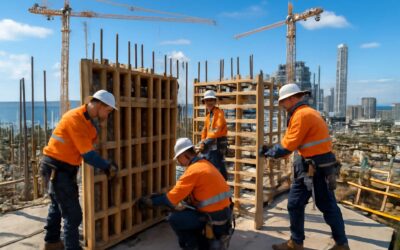
Among the myriad options available in the realm of formwork or falsework, modular formwork systems stand out as epitomes of innovation and efficiency. Their inherent flexibility allows for rapid assembly and disassembly, making them a preferred choice in projects requiring swift turnaround times. Unlike traditional methods, modular formwork offers a seamless integration of components that can be adapted to a variety of shapes and sizes, accommodating complex architectural visions with remarkable ease.
The beauty of these systems lies in their reusability; with proper maintenance, they endure countless cycles, translating into significant cost savings over the lifespan of a project. For construction companies in South Africa seeking to optimize resource utilization, modular formwork systems are a game-changer. They foster a sustainable approach by reducing waste and minimizing environmental impact. Whether for high-rise buildings or intricate structural elements, these systems exemplify the marriage of adaptability and durability, reinforcing the foundation of modern construction’s relentless pursuit of precision and efficiency.
Slide Formwork – Efficiency for high-rise structures
When it comes to towering skyscrapers that seem to scrape the sky, slide formwork is a game-changer for high-rise projects in South Africa. Its efficiency lies in the ability to move seamlessly, allowing concrete to be poured in continuous bands without interruption. This method minimizes downtime and maximizes productivity—think of it as the conveyor belt of construction, but for building walls and cores.
Slide formwork systems are particularly adept at handling the vertical demands of modern architecture. They are designed for speed, precision, and safety, making them the preferred choice for structures that demand both grandeur and complexity. For construction companies aiming to push boundaries while maintaining tight schedules, employing slide formwork or falsework ensures the job gets done faster and with impeccable quality. After all, in the world of construction, time is money—and slide formwork delivers both in spades.
Fly Form or Flying Formwork – Speed in continuous casting
In the shadowed corridors of modern construction, speed is a silent specter that haunts every decision. When towering structures pierce the South African skyline, the choice of formwork or falsework can spell the difference between fleeting grandeur and eternal stagnation. Enter fly formwork—an ethereal marvel of engineering that transforms the daunting task of continuous casting into a ballet of precision and swiftness.
Unlike traditional methods, fly formwork glides effortlessly from one section to the next, creating a seamless flow that minimizes downtime. Its design allows for rapid disassembly and reinstallation, making it an invaluable asset for large-scale projects where time is as precious as the steel and concrete that bind these monoliths. Builders often employ fly formwork in high-rise development, where speed and accuracy are paramount, enabling the vertical ascent with unmatched efficiency.
- The modular nature of fly formwork ensures that sections can be lifted and repositioned swiftly, reducing labor costs and enhancing safety.
- Its versatility accommodates complex architectural designs, making it suitable for both simple and intricate structures.
- Continuous casting becomes an almost poetic process, where concrete flows uninterrupted, and the building’s silhouette emerges with breathtaking fluidity.
In the realm of formwork or falsework, the allure of fly formwork lies not only in its speed but also in its capacity to bring a touch of the sublime to the often brutal world of construction—an ephemeral dance of steel and concrete, choreographed with precision and purpose.
Types of Falsework
Shoring Systems – Types and uses
In the world of construction, the true artistry lies in the delicate dance of support—where formwork or falsework serve as the silent architects of stability. Among the myriad types, the shoring systems stand out as vital tools, each tailored to specific structural symphonies.
For intricate projects, **adjustable steel props** provide a versatile backbone, effortlessly adapting to varying heights and loads. Meanwhile, **cantilever falsework** stretches its support outward, ideal for bridging over obstacles or creating cantilevered slabs. The choice of falsework depends largely on the project’s scope and the unique demands of the construction site.
In essence, the spectrum of falsework shoring systems—from traditional timber to modern modular assemblies—embodies the harmony of innovation and necessity. Each system plays its part, ensuring that the grand design of a building stands tall, safe, and true to its envisioned form.
Bending and Framework Systems – Supporting complex structures
Within the shadowed corridors of construction, the true artistry of supporting complex structures unfolds through the mastery of bending and framework systems. Falsework, often overlooked, becomes the silent guardian of architectural dreams—its strength woven into the very bones of towering edifices. Supporting intricate designs demands a symphony of precision, where formwork or falsework must bend to the will of innovation and necessity.
One cannot ignore the ingenuity behind modular formwork systems, which allow for the swift assembly of formidable shapes, adapting seamlessly to the dynamic contours of modern design. Meanwhile, slide formwork, a marvel of efficiency, glides up vertical surfaces with ghostly grace, perfect for high-rise structures that pierce the South African skyline. These systems exemplify how modern falsework supports the daring ambitions of today’s architects and engineers.
Supporting complex structures often involves a meticulous ballet of framework systems, such as adjustable steel props and cantilever falsework, each chosen to withstand the unique demands of the project. Their ability to support bending loads and distribute forces with eerie precision ensures stability and safety in every phase of construction. In this dark dance of construction, falsework is the unseen force that transforms blueprints into tangible reality, holding the future aloft with unwavering resolve.
Temporary Support Structures – Design considerations and safety
The backbone of any ambitious construction project lies in the intricate web of falsework—an often unseen yet vital component that sustains the weight of dreams rising skyward. When designing these temporary support structures, engineers must navigate a labyrinth of considerations—stability, load capacity, adaptability, and safety—each demanding meticulous attention. In South Africa’s dynamic landscape, the choice of falsework becomes a strategic decision, influencing not just safety but also the pace of progress.
Among the most crucial design considerations are the materials chosen and the configuration of support systems. For example, adjustable steel props offer versatility, accommodating shifting loads and uneven terrains with ease. Meanwhile, the selection of falsework must harmonize with the specific demands of the project, whether supporting a complex arch or a high-rise concrete pour. The safety of workers and structural integrity hinge on these decisions, underscoring the importance of precision and foresight in falsework design.
- Structural stability
- Load distribution capabilities
- Ease of assembly and disassembly
- Compatibility with project timeline and budget
In this delicate dance of construction, the integrity of formwork or falsework depends on rigorous safety standards, detailed planning, and an unwavering commitment to quality. These temporary structures, though transient, form the silent yet steadfast guardians of progress—holding the future aloft with resilience and grace.
Materials Used in Formwork and Falsework
Wood – Traditional material and its benefits
Among the myriad materials used in formwork or falsework, wood remains a steadfast favorite—an age-old resource that continues to impress with its versatility and natural strength. From seasoned timber to plywood panels, wood offers an unmatched combination of ease of handling, affordability, and adaptability on construction sites across South Africa. Its organic properties allow for precise customization, making it ideal for intricate molds and bespoke structures. Furthermore, wooden formwork provides excellent surface finishes, reducing additional work once the concrete sets, saving both time and cost.
For projects demanding rapid assembly and removal, engineered timber products like cross-laminated timber (CLT) have gained popularity. These materials boast superior durability and consistency, ensuring safety and precision. When considering the benefits of wood in formwork or falsework, it’s worth noting its environmentally friendly aspect—especially when sourced sustainably. The renewable nature of wood, combined with its natural insulating properties, makes it a compelling choice for sustainable construction in South Africa’s evolving building landscape.
Steel – Durability and strength
Steel remains a cornerstone material in the realm of formwork or falsework, prized for its unparalleled durability and extraordinary strength. When structural stability and safety are non-negotiable, steel formwork systems deliver, standing up to the rigors of heavy loads and repeated use. Its robustness minimizes the risk of deformation, ensuring precise alignment and a flawless finish. For high-rise buildings and large-scale infrastructure projects across South Africa, steel’s resilience makes it indispensable.
Furthermore, steel formwork components can be fabricated into complex shapes, accommodating intricate architectural designs with ease. The versatility of steel also extends to modular systems, which allow for quick assembly and disassembly—saving valuable construction time. An often-overlooked advantage is its recyclability, making steel an environmentally friendly choice for sustainable construction. With proper maintenance, steel formwork or falsework can serve multiple projects, lowering overall costs and reducing waste in the construction process.
Aluminum – Lightweight and corrosion resistance
Among the array of materials used in formwork or falsework, aluminum stands out as a beacon of innovation. Its lightweight nature makes handling and installation remarkably easier, especially on complex construction sites where speed and efficiency are paramount. Engineers and contractors in South Africa increasingly favor aluminum components for their agility, allowing for swift assembly and disassembly without sacrificing structural integrity.
Corrosion resistance is another compelling advantage. Aluminum’s natural oxide layer shields it from the harsh elements, ensuring longevity even in humid or coastal environments. This durability extends the lifespan of formwork or falsework systems, translating into significant cost savings over multiple projects. Its malleability also enables fabrication into intricate shapes, accommodating architectural designs that demand precision and finesse.
For projects requiring adaptability, modular aluminum formwork systems are a game-changer. They facilitate quick adjustments, reduce waste, and support sustainable construction practices. Whether for high-rise buildings or infrastructure developments, aluminum’s properties make it an essential material in the modern construction landscape of South Africa.
Plastic and Composite Materials – Innovative options
In the ever-evolving landscape of construction technology, innovative materials are transforming the way we approach formwork or falsework. Plastic and composite materials, once considered mere novelties, now stand at the forefront of efficiency and sustainability. Their inherent versatility allows for seamless integration into complex architectural designs, offering a blend of lightweight properties and exceptional durability. This makes them particularly appealing in South Africa, where diverse environmental conditions demand resilient solutions.
Unlike traditional materials, these advanced composites can be molded into intricate shapes, reducing waste and accelerating project timelines. Their resistance to corrosion and weathering ensures longevity, even in coastal regions where salt and humidity pose persistent challenges. For construction firms seeking eco-friendly options, plastic-based formwork or falsework systems often incorporate recycled elements, aligning with sustainable development goals.
Furthermore, modular systems made from composite materials facilitate rapid assembly and disassembly, fostering a more agile construction process. This adaptability is crucial for projects with tight deadlines or evolving designs. As the construction industry continues to embrace innovation, plastic and composite materials are reshaping expectations, proving that the future of formwork or falsework is as much about ingenuity as it is about strength and resilience.
Design Considerations for Formwork and Falsework
Structural Load and Safety – Ensuring stability and safety compliance
When it comes to the world of construction, the backbone of any successful project is undoubtedly the meticulous design of formwork or falsework systems. Imagine a skyscraper reaching into the clouds—without proper structural load considerations, it’s just a fancy pipe dream. Ensuring stability isn’t just about stacking materials; it’s about a calculated dance of load-bearing capacities, safety margins, and compliance with strict regulations.
The safety of workers and the integrity of the structure hinge on rigorous analysis of how loads are distributed through formwork or falsework. Structural engineers must factor in not only the weight of the concrete but also unexpected loads like wind, seismic activity, or the occasional rogue construction worker’s misstep. To keep everything upright and operational, a blend of material strength and innovative design principles must be employed, often culminating in the use of shoring systems or modular formwork systems for added security.
In the end, a carefully engineered falsework setup isn’t just a construction necessity; it’s the silent guardian that ensures stability and safety compliance—making sure that every building stands tall without a wobble or a whisper of danger.
Ease of Assembly and Disassembly – Efficiency in construction schedules
In the fast-paced realm of construction, time is more precious than gold—especially when erecting towering skyscrapers or complex structures. That’s where the elegance of design considerations for formwork or falsework truly shines. Ease of assembly and disassembly isn’t just a matter of convenience; it’s the heartbeat of efficiency in construction schedules. When formwork or falsework systems are streamlined, you cut down on downtime, reduce labor costs, and keep projects humming along like a well-oiled machine.
Imagine a scenario where a team of builders can assemble a complex formwork setup in record time, then dismantle it without breaking a sweat. Modular formwork systems excel here, offering quick setup and effortless disassembly. This not only accelerates progress but also minimizes the risk of damage to materials, ensuring longevity and reusability. The key to success lies in designing formwork or falsework with clever interlocking mechanisms and lightweight materials, making the entire process more manageable and less labor-intensive.
Achieving this level of efficiency involves careful selection of materials and innovative engineering. Incorporating features like adjustable panels, quick-release clamps, and standardized components transforms what could be a cumbersome task into a swift, almost artful operation. In South Africa’s bustling construction landscape, where time is money and safety is paramount, optimizing ease of assembly and disassembly for formwork or falsework is no longer optional; it’s essential for staying competitive and compliant.
Cost-effectiveness – Balancing quality and budget
In the high-stakes world of South African construction, balancing quality with budget is no trivial feat. When it comes to formwork or falsework, cost-effectiveness hinges on strategic material choices and innovative engineering solutions. Every rand saved on materials can translate into faster project turnaround and increased profitability, but not at the expense of safety or durability.
Achieving this delicate equilibrium requires meticulous planning. Selecting the right combination of materials—whether lightweight aluminum for ease of handling or durable steel for long-term reuse—can dramatically influence costs. Incorporating modular design features and standardized components further reduces labor hours and minimizes waste.
- Optimal design considerations for formwork or falsework focus on reusability and adaptability, which are keys to long-term savings.
In South Africa’s dynamic construction environment, innovative solutions not only streamline assembly and disassembly but also extend the lifespan of formwork or falsework systems. This strategic approach ensures projects stay within budget while maintaining the highest safety standards, making it an essential aspect of cost-effective construction management.
Environmental Impact – Sustainable practices and materials
In today’s construction landscape, sustainability isn’t just a buzzword—it’s an imperative. When designing formwork or falsework systems, environmental impact must be front and center. Choosing eco-friendly materials can significantly reduce the carbon footprint of each project while enhancing overall sustainability. Recycled steel and aluminum, for example, offer durable, reusable options that minimize waste and lower lifecycle emissions.
Innovative practices such as incorporating biodegradable plastics and composite materials in formwork or falsework enhance environmental stewardship. These materials not only promote reusability but also facilitate easier disassembly, reducing waste and disposal concerns. Additionally, integrating modular design principles allows for adaptable systems that can be reused across multiple projects, amplifying cost savings and ecological benefits.
- Opt for materials with high recyclability and low embodied energy.
- Design for reusability to extend the lifespan of formwork or falsework systems.
- Prioritize low-impact manufacturing processes that adhere to environmental standards.
Balancing these sustainable practices with safety and efficiency isn’t just wise—it’s essential. As South Africa’s construction industry evolves, environmentally conscious choices in formwork or falsework will define the vanguard of responsible building, ensuring projects are not only structurally sound but also aligned with global ecological goals.
Installation and Removal Processes
Step-by-Step Installation – Best practices
In the world of construction, the installation and removal of formwork or falsework can make or break your project—figuratively, of course, unless your structure actually does break, in which case, you’re probably not reading this. The process demands precision, a dash of patience, and a healthy respect for gravity’s relentless pull. After all, a poorly installed formwork or falsework can lead to catastrophic collapses or, at the very least, a hefty bill for repairs.
Step-by-step, the installation begins with ensuring the ground or supporting structure is perfectly level and capable of handling the load. Then, the formwork or falsework panels are assembled, often using a combination of clamps, braces, and sometimes a bit of handyman’s magic. For efficiency, many builders now prefer modular formwork systems, which can be swiftly assembled into complex shapes with minimal fuss. Once the concrete is poured and has set sufficiently, the removal process kicks in. This is a delicate dance—removing supports too early can cause deformation, while waiting too long might delay the project unnecessarily.
- Verify that the concrete has achieved the necessary strength—patience here is key.
- Carefully disassemble the formwork or falsework, starting from the supports and working systematically.
- Inspect the newly formed structure for any signs of stress or cracking—better safe than sorry.
Remember, the goal is to strike a balance between speed and safety, ensuring that the formwork or falsework is removed without compromising the integrity of the freshly cast structure. It’s an art form that, when mastered, turns a chaotic construction site into a symphony of precision and efficiency.
Safety Measures During Installation and Removal – Worker safety and accident prevention
The installation and removal of formwork or falsework are critical moments that determine the safety and success of any construction project. In South Africa’s dynamic building landscape, mishandling these processes can lead to delays, costly repairs, or even accidents. Ensuring worker safety during these phases isn’t just a matter of protocol—it’s a moral imperative. Proper safety measures not only protect lives but also uphold the integrity of the structure being cast.
During installation and removal, adherence to safety protocols is paramount. Personal protective equipment (PPE) such as helmets, gloves, and harnesses should always be mandatory. Supervisors must conduct thorough risk assessments, especially when working at heights or with heavy equipment. To prevent accidents, a systematic approach is essential:
- Secure all formwork or falsework panels tightly before pouring concrete.
- Ensure all supports are correctly aligned and capable of bearing loads.
- Maintain clear communication among team members to coordinate movements and support disassembly.
When it comes to removal, patience is key. The concrete must reach its required strength—skipping this step can cause catastrophic failure. Carefully disassembling supports in a systematic order reduces the risk of sudden collapse. Always inspect the newly formed structure for signs of stress or cracking before proceeding with removal. Safety isn’t just about following a checklist; it’s about respecting the process and understanding that a single oversight can have serious consequences.
In the vibrant construction sector of South Africa, prioritizing safety during the handling of formwork or falsework fosters a culture of care and professionalism. It’s this attention to detail—paired with a respect for the forces at play—that elevates a project from good to outstanding, ensuring every structure stands tall and true for generations to come. Safety measures during installation and removal are the backbone of every successful build, after all, because a safe site is a productive site.
Timing and Sequencing – Planning for minimal delays
In the realm of South Africa’s bustling construction sector, timing isn’t just a luxury—it’s an absolute necessity. Proper sequencing of installation and removal processes for formwork or falsework can spell the difference between a seamless build and costly delays. When these steps are rushed or misaligned, the entire project risks structural compromise or schedule overruns. That’s why meticulous planning is the backbone of every successful formwork or falsework operation.
Achieving optimal efficiency involves understanding the precise timing for each stage. For example, pouring concrete must be synchronized with support removal, which depends on the concrete reaching its required strength. To streamline this, many teams adopt a phased approach: first, installing formwork or falsework systems to support the casting; then, carefully monitoring curing times before disassembly begins.
- Schedule installation during periods of minimal weather disruption.
- Coordinate crew shifts to ensure continuous progress.
- Plan removal only after confirming concrete has attained necessary compressive strength.
By respecting these sequences, crews reduce downtime and enhance safety. In South Africa’s dynamic construction landscape, where timelines are tight and safety is paramount, mastering the timing and sequencing of formwork or falsework installation and removal is essential. Every phase must be aligned with structural and safety considerations to prevent costly setbacks and ensure the integrity of every built element.
Advantages of Using Formwork and Falsework
Ensuring Structural Integrity – Precise shaping and support
In the intricate dance of construction, where precision and safety are paramount, the advantages of using formwork or falsework become vividly apparent. These systems serve as the silent architects of stability, shaping the very essence of concrete and ensuring it remains true to design. Without them, the grand visions of high-rise skylines or sprawling bridges would remain but dreams in blueprint form.
Ensuring structural integrity is not merely about strength but about harmony—aligning every support with meticulous care. Formwork or falsework provides that unwavering support, allowing builders to achieve precise shaping with unwavering confidence. This support minimizes the risk of deformation or collapse, safeguarding lives and investments alike. The beauty of modern formwork systems lies in their adaptability and efficiency, transforming complex architectural visions into solid reality with remarkable ease.
Speed of Construction – Time-saving benefits
In the symphony of construction, time is both an unforgiving maestro and a fleeting muse. When precision and efficiency dance in harmony, the symphony reaches its crescendo—thanks, in part, to the strategic deployment of formwork or falsework. These systems do more than support; they accelerate the entire process, transforming what once took painstaking days into a matter of hours. The remarkable speed of modern formwork or falsework dramatically reduces construction timelines, allowing projects to reach completion with breathtaking agility.
By employing modular or slip-form systems, builders gain the advantage of swift assembly and disassembly, ensuring minimal delays and maximum productivity. Not only does this efficiency benefit project schedules, but it also curtails costs—making the integration of formwork or falsework a prudent choice for ambitious developments across South Africa. The rapid turnaround doesn’t compromise safety or structural integrity; instead, it exemplifies how innovative systems optimize every moment on site, turning architectural visions into reality at an unprecedented pace. Truly, the speed of construction is no longer a mere aspiration but an achievable marvel, powered by the silent strength of formwork or falsework.
Cost Savings – Reducing labor and material costs
In the grand architecture of construction, where every rand counts and efficiency is paramount, the choice of formwork or falsework can spell the difference between a dream realized and a project delayed. These systems are not merely scaffolding or temporary supports—they are silent architects of cost savings, wielding the power to transform budgets and timelines with subtle mastery. By leveraging innovative formwork or falsework solutions, builders in South Africa can significantly reduce labor and material costs, turning the often chaotic dance of construction into a choreographed marvel of economy.
One of the most compelling advantages lies in the streamlined process of assembly and disassembly. Modular formwork systems, for instance, are designed for rapid deployment, allowing teams to swiftly erect and dismantle supports, thus minimizing downtime and labor expenses. This agility not only accelerates project schedules but also curtails the need for excessive material use—saving resources and reducing waste. Such efficiency exemplifies how thoughtful application of formwork or falsework results in tangible financial benefits, making ambitious developments more accessible and sustainable.
Furthermore, the durability and reusability of modern formwork or falsework materials—such as steel, aluminum, or advanced composites—enhance long-term cost-effectiveness. With proper maintenance, these systems can be reused across multiple projects, amortizing initial investments over years of construction activity. The ability to reuse formwork or falsework reduces the recurring expenditure on temporary supports, allowing project managers to allocate funds more strategically.
In a landscape where every second and every rand matter, the intelligent deployment of formwork or falsework becomes an art form—balancing safety, quality, and economy. As the construction industry in South Africa continues to evolve, these systems stand as testament to innovation’s role in delivering not only spectacular structures but also remarkable cost savings that echo through every completed project.
Versatility – Adapting to various project types
In construction, versatility is everything. When it comes to formwork or falsework, the ability to adapt to various project types is a game-changer. From high-rise towers to intricate foundations, these systems are the backbone of efficient building. Their modular nature allows for quick adjustments, making complex designs feasible without delays.
Modern formwork or falsework systems are designed with flexibility in mind. For example, slip-form or flying formwork can speed up continuous casting, reducing project timelines significantly.
- They accommodate different shapes and sizes
- Reuse across multiple projects
- Support both simple and complex structures
This adaptability ensures that construction teams can meet unique challenges head-on, without sacrificing safety or quality.
In South Africa’s diverse construction landscape, the versatility of formwork or falsework is crucial. It enables builders to handle everything from residential buildings to large infrastructure projects seamlessly. When choosing the right system, understanding its ability to adapt to various project scopes can lead to substantial savings and faster completion times.
Challenges and Risks
Structural Failures – Causes and prevention
In the world of construction, even the most meticulously planned formwork or falsework can face the chaos of unforeseen failures. Structural failures are not just a matter of cracked walls or awkward angles—they can pose serious safety risks and hefty financial consequences. The root causes often lie in poor design, inadequate materials, or overlooked load calculations. When falsework isn’t properly supported or if the formwork isn’t aligned with the structural load, it can give way, leading to catastrophic collapse. Such incidents emphasize the importance of rigorous inspection and adherence to safety standards, especially in South Africa’s dynamic construction landscape.
Preventing these risks hinges on understanding the common pitfalls and implementing proactive measures. Regular maintenance checks, using high-quality materials like steel or aluminum, and ensuring proper sequencing during installation are vital steps. Remember, a well-engineered falsework system not only supports the structure but also safeguards lives. To mitigate potential hazards, consider the following:
- Thorough load analysis before installation
- Choosing the right type of formwork for the project
- Training workers on safety protocols and assembly procedures
- Continuous monitoring throughout the construction process
In essence, the longevity and safety of your project depend on meticulous planning and execution of formwork or falsework—because no one wants a building to come crashing down on their watch!
Material Waste – Minimizing waste and improving sustainability
In the pursuit of building dreams, the challenge of material waste often lurks as an unseen adversary, threatening both sustainability and project profitability. Every piece of formwork or falsework that is improperly managed or overused contributes to unnecessary waste, which not only inflates costs but also leaves a significant environmental footprint. In South Africa’s rapidly evolving construction landscape, minimizing waste is more than a trend—it’s a necessity for responsible growth.
Implementing precise planning and efficient reuse strategies can drastically reduce excess material. Modular formwork systems, for example, are designed with reusability in mind, allowing for multiple cycles of use without compromising integrity. Moreover, choosing the right materials—such as aluminum or high-grade steel—can extend the lifespan of falsework, ensuring fewer replacements and less debris.
- Optimizing design to prevent over-specification
- Adopting eco-friendly and recyclable materials
- Encouraging detailed inventory management
- Training teams on waste reduction practices
Every step taken towards minimizing material waste not only enhances project sustainability but also elevates the reputation of construction firms committed to greener practices. When formwork or falsework systems are approached with a mindset of conservation, the entire construction process becomes a testament to efficiency, innovation, and respect for the environment—qualities that resonate deeply in South Africa’s vibrant construction sector.
Coordination and Scheduling Issues – Managing complex workflows
In the intricate dance of construction, managing the workflow around formwork or falsework can become a labyrinth of challenges. The complexity of coordinating multiple teams, materials, and timelines often leads to scheduling pitfalls that threaten to derail progress. When timing slips or miscommunication occurs, the entire project risks costly delays and safety hazards. In South Africa’s dynamic construction environment, these risks are magnified by fluctuating supply chains and tight deadlines.
One of the most insidious issues is the misalignment of installation and removal schedules. If falsework is not dismantled promptly after supporting the pour, it can cause unnecessary congestion at the site, limiting movement and increasing safety risks. Conversely, premature removal compromises structural integrity, risking expensive rework. To navigate this, many contractors adopt detailed scheduling systems that meticulously track each phase of formwork or falsework deployment.
Implementing these strategies not only minimizes construction delays but also ensures that safety standards are upheld. When workflows are properly coordinated, the entire process of formwork or falsework becomes a seamless operation, reducing the risk of structural failures and enhancing overall project efficiency. It’s a delicate balance, but mastering it is vital for responsible growth in South Africa’s competitive construction sector.
Cost Overruns – Keeping projects within budget
In the bustling world of South African construction, sticking to the budget can sometimes feel like chasing a mirage. Cost overruns are the sneaky gremlins that threaten to turn a well-planned project into a financial quagmire. When dealing with formwork or falsework, these issues are magnified—unforeseen delays, material wastage, or structural mishaps can quickly inflate expenses beyond initial estimates.
One of the primary culprits is poor planning. Without meticulous cost control measures, the expenses related to formwork or falsework can spiral out of control. For instance, over-ordering materials or inefficient reuse of formwork panels leads to unnecessary expenditure. Moreover, delays in installation or removal often result in idle labor and equipment costs that pile up faster than a stack of timber in a carpenter’s workshop.
Precise coordination and real-time monitoring of workflows are vital. Here’s a quick rundown of common pitfalls that cause cost overruns:
- Extended project timelines due to scheduling misalignments
- Material wastage from improper handling or storage
- Premature removal of falsework, risking structural integrity and costly rework
- Labor inefficiencies stemming from disorganized workflows
All these factors underscore the importance of diligent cost management in projects involving formwork or falsework. When budgets spiral, the ripple effect hampers not only the bottom line but also the reputation of contractors navigating South Africa’s competitive construction sector.
Innovations in Formwork and Falsework
Modular and Reusable Systems – Latest designs and benefits
Innovation in formwork and falsework has taken a giant leap forward, transforming construction sites into playgrounds of efficiency and sustainability. The latest modular and reusable systems are not just a nod to modern engineering—they are a revolution in how we approach building with precision and eco-consciousness. These designs, crafted with lightweight yet durable materials like aluminum and advanced composites, enable quick assembly and disassembly, reducing labor time and waste. Imagine a formwork system that adapts seamlessly to complex structures, offering flexibility that traditional timber or steel could only dream of.
One of the most captivating advancements is the development of modular formwork systems that can be reused across multiple projects. Not only do they promote sustainability by minimizing material waste, but they also accelerate project timelines—saving both time and money. For high-rise constructions, innovative slide formwork and flying formwork solutions have become invaluable, enabling continuous casting with minimal interruption. These latest designs exemplify how formwork and falsework are evolving into smarter, more efficient tools that support the dynamic demands of modern South African construction. The future of formwork is indeed modular, reimagined, and bursting with potential!
Automation and Robotics – Future trends in installation
Automation and robotics are beginning to redefine the landscape of formwork and falsework, promising a future where construction becomes faster, safer, and more precise. Advances in these technologies are making installation and dismantling processes more efficient, reducing reliance on manual labor and minimizing human error. For instance, robotic systems can now handle repetitive tasks like aligning panels or tightening fasteners, freeing workers to focus on more complex aspects of construction.
One exciting trend is the integration of automated systems that can adapt to the geometry of intricate structures. These innovations are not just about speed—they enhance safety and consistency across projects. A notable development is the use of automated cranes equipped with AI, capable of positioning formwork with millimeter accuracy. This leap forward in formwork or falsework technology will be especially valuable in high-rise projects, where precision is paramount.
Furthermore, some companies are experimenting with
- drones for site inspections
- automated robotic arms for formwork assembly
and disassembly tasks. These tools promise to revolutionize installation efficiency by reducing setup times and improving safety standards. Future trends point toward fully integrated, smart systems that can communicate seamlessly and optimize workflow in real time—an exciting prospect for the South African construction sector eager to boost productivity and sustainability.
Smart Materials – Self-healing and adaptive forms
Innovation in formwork or falsework isn’t just about faster construction; it’s about redefining the very essence of adaptability and resilience in the face of complex architectural visions. Imagine self-healing, adaptive forms that respond dynamically to structural demands—these are no longer distant fantasies but emerging realities shaping South Africa’s construction landscape. The advent of smart materials introduces a new era where formwork can self-repair minor damages, ensuring safety and durability without halting progress.
In tandem, the development of flexible, self-adjusting forms enhances precision, especially for intricate geometries. These adaptive forms utilize embedded sensors and responsive materials that modify their shape or stiffness in real-time, accommodating design nuances effortlessly. Such innovations significantly diminish the need for manual intervention, boosting efficiency and safety during installation and dismantling phases.
- Self-healing concrete
- Responsive composites
- Embedded sensor technology
Furthermore, emerging trends in formwork or falsework involve the integration of lightweight, durable composites that combine strength with ease of handling. These materials not only facilitate rapid assembly but also contribute to sustainable practices by reducing waste and minimizing environmental impact. The fusion of smart materials with modular systems creates an ecosystem where reusability and adaptability are paramount, making construction both economically and environmentally sustainable in South Africa’s evolving infrastructure needs.
Digital Design and BIM – Enhancing accuracy and planning
Digital design and Building Information Modeling (BIM) are revolutionizing how we approach formwork or falsework in South Africa. These technologies enhance accuracy and streamline planning, reducing errors that often cause costly delays. With BIM, engineers can visualize complex structural systems in 3D, ensuring every formwork component fits perfectly before construction begins.
Advanced software allows for detailed scheduling and clash detection, making the installation of formwork or falsework more efficient. This digital precision minimizes material waste and accelerates project timelines. In fact, BIM integration has become a game-changer, especially for intricate projects requiring high levels of customization and safety assurance.
- Design optimization through virtual simulations
- Improved coordination among construction teams
- Accurate quantity take-offs and cost estimates
South African contractors are increasingly adopting these innovations to meet the demands of modern infrastructure projects. The synergy between digital design and traditional formwork or falsework methods is paving the way for safer, faster, and more sustainable construction practices across the country.
Regulations and Standards
International Building Codes – Compliance requirements
Regulations and standards governing formwork or falsework are critical to ensuring safety, durability, and compliance in construction projects. International building codes set the minimum requirements for structural stability, load-bearing capacity, and material quality. These standards aim to mitigate risks associated with temporary supports and formwork systems, especially in high-stakes environments like South Africa’s rapidly growing urban landscape.
Compliance with these codes isn’t optional; it’s a legal obligation that protects workers and guarantees the integrity of the finished structure. In many cases, authorities require that formwork or falsework systems meet specific certifications or undergo periodic inspections.
Furthermore, adherence to standards such as the Eurocode, ASCE, or local South African regulations ensures that construction practices align with internationally recognized safety benchmarks. For project managers and contractors, understanding and implementing these regulations is essential to avoid costly delays and potential liabilities.
In essence, strict compliance isn’t just good practice—it’s the backbone of responsible construction, safeguarding lives and investments alike.
Safety Regulations – Worker and structural safety
In the intricate dance of construction, safety regulations serve as the silent choreographers, guiding every movement and decision. When it comes to formwork or falsework, adherence to rigorous safety standards is not merely a bureaucratic checkbox—it is a vital safeguard that underpins the integrity of both workers and structures. The stakes are high; a single lapse can cascade into catastrophic failures, especially in South Africa’s bustling urban centers where rapid development demands uncompromising precision.
International safety regulations emphasize comprehensive protocols for the installation and removal of formwork or falsework, ensuring that temporary supports can withstand unpredictable load variations. These guidelines often include specific certification processes and periodic inspections, which serve as checkpoints for compliance and quality assurance. The importance of these standards cannot be overstated—they form the backbone of responsible construction practices that prioritize human life and structural durability.
To bolster safety, many jurisdictions employ a layered approach to regulations, integrating local standards with globally recognized frameworks such as the Eurocode or ASCE. For project managers, understanding these layered standards is crucial. They must navigate a complex web of legal and technical requirements, often balancing cost, efficiency, and safety with meticulous care. This ensures that formwork or falsework systems not only meet safety benchmarks but also contribute to the longevity of the final structure.
In essence, compliance with safety regulations is the invisible armor that protects everyone involved. It demands vigilance, expertise, and a proactive mindset—elements that transform a construction site into a bastion of safety and precision. When the legal and safety standards for formwork or falsework are met, construction projects evolve from risky endeavors into exemplars of engineering excellence and human ingenuity.
Material Standards – Quality assurance for formwork and falsework materials
In the realm of construction, the strength and safety of formwork or falsework hinge on meticulous adherence to material standards that ensure quality and durability. The integrity of these temporary structures depends on rigorous material assurance protocols, which guarantee that every component can withstand the unpredictable forces encountered during concrete curing and load shifts. Certified suppliers often provide traceability, ensuring materials meet global and local standards, critical for projects across South Africa’s bustling urban landscapes.
To maintain impeccable quality, many experts rely on a combination of standards like SANS 10162 and international benchmarks such as Eurocode or ASCE. These guidelines specify essential criteria for materials used in formwork or falsework, including strength, flexibility, and corrosion resistance. A typical checklist might include:
- Steel reinforcement quality
- Timber moisture content and grade
- Aluminum alloy specifications
- Plastic composite durability
Implementing these standards not only ensures safety but also optimizes the lifespan and reuse potential of formwork or falsework systems. When standards are meticulously followed, construction teams can confidently push the boundaries of efficiency while safeguarding structural integrity, transforming what could be a chaotic process into a symphony of precision and reliability.
Case Studies and Real-world Applications
High-rise Building Projects – Formwork and falsework strategies
In the realm of towering skylines and architectural marvels, the true magic lies in the unseen—the strategic orchestration of formwork or falsework that breathes life into concrete giants. High-rise building projects, especially within South Africa’s diverse urban landscape, demand innovative solutions that blend strength with agility. Real-world applications reveal a tapestry of ingenious formwork strategies that not only expedite construction timelines but also elevate safety standards.
Take, for instance, the deployment of modular formwork systems on a recent Johannesburg skyscraper. These systems, celebrated for their reusability and rapid assembly, allowed crews to streamline operations and minimize material waste. In dense city environments where every minute counts, such efficiency can spell the difference between a delayed deadline and a groundbreaking achievement. Furthermore, integrating advanced falsework techniques ensures that the towering structures maintain their integrity during the complex phases of construction, safeguarding workers and the project’s longevity.
- Implementing slide formwork for continuous vertical casting, reducing time and labor costs.
- Utilizing high-strength steel falsework to support heavy loads in the core sections of high-rise developments.
- Adapting lightweight aluminum falsework for rapid disassembly and repositioning across multiple levels.
These case studies illuminate the vital role that well-planned formwork or falsework strategies play in transforming ambitious architectural visions into reality. As construction in South Africa continues to evolve, the mastery of these systems remains a cornerstone for delivering structural excellence and safety at every height.
Bridge Construction – Support systems and challenges
Bridge construction in South Africa presents unique challenges that demand innovative use of support systems like formwork or falsework. One notable project involved the construction of a major span across the Vaal River, where the complexity of the terrain tested the limits of traditional support methods. Engineers had to devise a system that balanced strength with flexibility, ensuring the safety of workers while maintaining tight project timelines.
In this case, modular formwork systems proved invaluable. Their ability to be quickly assembled and disassembled allowed crews to adapt seamlessly to the fluctuating demands of the site. Supporting heavy loads over the river’s fluctuating water levels, high-strength steel falsework was employed to maintain structural integrity during the pouring phases.
- The team faced logistical issues with access routes, which were mitigated through lightweight aluminum falsework, facilitating rapid repositioning across different spans.
- Use of advanced falsework techniques minimized downtime, ensuring the project stayed on schedule despite unexpected weather delays.
Such real-world applications showcase how meticulous planning and innovative use of formwork or falsework support systems are crucial for overcoming the complexities of bridge construction in South Africa’s diverse landscape. Every challenge met with a bespoke solution underscores the importance of tailored support systems in delivering durable, safe, and efficient infrastructure.
Infrastructure Developments – Innovative formwork solutions
In the realm of infrastructure development, few tales are as compelling as the integration of innovative support systems like formwork or falsework in complex projects across South Africa’s diverse landscape. One remarkable case involved the construction of a sprawling bridge over the Vaal River, where traditional methods faltered against the terrain’s unpredictability. The project demanded support solutions that could adapt swiftly, withstand heavy loads, and maintain safety standards amidst fluctuating water levels.
Engineers turned to modular formwork systems, renowned for their rapid assembly and reusability, transforming what could have been a logistical nightmare into a seamless operation. To support the towering spans, high-strength steel falsework was employed, ensuring the structural integrity needed for pouring concrete over the river’s dynamic environment. Lightweight aluminum falsework further enhanced mobility, allowing crews to reposition supports efficiently across multiple spans. This strategic use of formwork or falsework minimized downtime, even when weather threatened to delay progress.
Such real-world applications highlight how tailored formwork or falsework support systems are not merely construction tools but vital components in overcoming geographic and logistical hurdles. They exemplify the ingenuity required to deliver durable, safe infrastructure that stands the test of time, showcasing the profound impact of innovative falsework solutions in South Africa’s infrastructure landscape.

0 Comments