
Overview of Formwork and Shuttering
Definition and Purpose of Formwork
Concrete rarely shows its true character until the formwork is set. In the SA skyline, a precise mould isn’t just about aesthetics—it’s a timing device for every pour. When the alignment is off, the project pays in rework and delays, a kind of quiet omen that haunts the site.
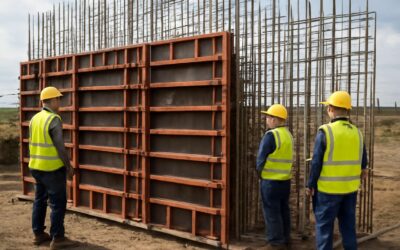
Formwork or shuttering is the temporary mould that shapes fresh concrete and holds it in place until it gains sufficient strength. It must resist loads, control the surface finish, and allow for efficient stripping and reuse.
- Materials include timber, steel, aluminum, or fibre-reinforced plastics
- System types range from traditional timber to modular steel and slip-form
- Primary roles cover shaping, supporting loads and delivering a smooth surface finish
What Is Shuttering in Construction
South Africa’s skyline is a test of timing and temperament. In SA projects, formwork or shuttering can dictate the pace of a pour—misalignment and rework can shove a schedule back by as much as 30%. That heartbeat keeps the site awake, counting down to the next pour.
Shuttering is the temporary mould that holds fresh concrete and keeps its shape as it gains strength. Beyond containment, it must resist loads, deliver a consistent surface and be built for reuse across cycles.
- Timber
- Steel
- Aluminium
- Fibre-reinforced plastics
System types range from traditional timber to modular steel and slip-form. The choice can impact speed, finish, and stripping ease.
Key Differences Between Formwork and Shuttering
On South Africa’s construction sites, every pour is a test of tempo. The rhythm hinges on the alignment of formwork or shuttering; a misstep can push the schedule back by as much as 30%, turning precision into a waiting game.
Formwork or shuttering describes what holds and shapes concrete. Formwork is the broader framework—moulds and supports—while shuttering emphasizes the panels and joints that define each face and release after a pour. The distinction matters for reuse and finish.
From timber to modular steel and slip-form, choices shift cycle time and surface quality. When weighing formwork or shuttering options, consider stripping speed, surface consistency, and reuse across pours.
- Speed of cycle and readiness for the next pour
- Surface quality and uniformity
- Ease of stripping and reuse across cycles
These subtleties shape the skyline as surely as any pour.
Core Materials and Reusable Systems
Across South Africa’s construction sites, a single pour reads like a heartbeat—timing and texture rising in quiet accord. A well-tuned formwork or shuttering choreography can shave minutes or even days from the schedule, turning risk into rhythm!
The backbone of any project lies in its core materials and reusable systems. When we speak of formwork or shuttering, the selection centers on durability, surface finish, and the ease of reuse. The leading choices include:
- Timber systems that breathe with traditional warmth and straightforward stripping
- Modular steel frames that stand up to repeated pours and swift adjustments
- Plywood-faced panels and foam cores that deliver slick surfaces and predictable release
With careful joint design and easy access for stripping, these materials become more than walls; they are the tempo of the build, shaping reuse cycles and long-term cost efficiency.
Types of Formwork and Shuttering Systems
Timber Formwork Basics
Across South Africa, formwork or shuttering inefficiencies can inflate project costs by noticeable margins. A well-planned system keeps pours on schedule, reduces rework, and protects workers. The choice of system shapes everything from concrete finish to site safety!
Timber formwork basics reveal why this traditional material remains common in SA projects. Flexible, affordable, and easy to source, timber demands skilled handling and precise drying to avoid warping.
Types of formwork or shuttering systems vary by project. The landscape includes timber, steel, aluminum, modular formwork systems, and plastic variants for rapid cycles.
- Timber formwork
- Steel formwork
- Aluminum formwork
- Modular formwork systems
- Plastic formwork
Each option has trade-offs between cost, reuse, and surface finish, guiding decisions on site conditions and timelines.
Steel and Aluminum Formwork
In SA, mistimed pours can push a project budget up by around 20%. When it comes to formwork or shuttering, the right system is velocity, safety, and a cleaner concrete finish—all in one package.
Steel formwork remains the workhorse for long runs: durable, reusable, and delivering a fine finish. It handles pours but is heavy and awkward to move on SA sites.
Aluminum formwork keeps things nimble: lighter panels, faster cycling, and easier handling—ideal for tight corners and modular schemes. The upside is speed and less manpower; the downside is higher upfront cost and wear if cycles are few. In the end, formwork or shuttering choices set the tempo.
- Steel formwork: durability, solid surface, and cost efficiency over multiple uses
- Aluminum formwork: lightweight, quick setup, high reuse in modular systems
Plywood and Plastic Formwork
On South African sites, a mis-timed pour can bleed up to 20% from the budget; precision is not a nicety, it’s a mandate. Talk of formwork or shuttering here becomes a study in tempo—how fast the concrete flows, how clean the finish appears, and how safely the crew moves through the day.
Two common systems anchor this choice: plywood and plastic formwork.
- Plywood formwork: dense sheets, a smoother surface, and high reuse with careful sealing; rugged enough for long pours but heavier to move.
- Plastic formwork: modular panels, ultra-light handling, and rapid cycle times; best for tight geometries but with finite reuse in heavy-duty work.
In South Africa, siting, climate, and crew dynamics all tilt the balance toward the system that delivers both surface quality and speed without sacrificing safety.
Stay-in-Place Concrete Forms
On South African sites, mis-timed pours can bleed up to 20% from the budget; precision is not optional, it’s the rhythm of the day. When formwork or shuttering is discussed, stay-in-place concrete forms shape the tempo of pours—smoothing the flow and the finish while keeping crews moving safely.
- Insulating concrete forms (ICFs) using foam panels that stay in place for thermal efficiency.
- Foam-core stay-in-place panels deliver fast cycles with reduced handling.
- Composite FRP stay-in-place skins offer durability in tight geometries.
- Modular plastic stay-in-place shells enable rapid enclosure of complex shapes.
In SA climate and siting realities, these stay-in-place systems balance surface quality with speed and safety.
Slipform and Modular Formwork
Across South Africa, a striking statistic punctuates the skyline: slipform cycles can shave up to 30% off typical pour times on mid-rise cores, turning the day’s rhythm into a measured heartbeat. That tempo demands precision; mis-timed pours burn budgets, yet elegance remains possible when the right system leads the flow.
In the world of formwork or shuttering, two luminous paths emerge: Slipform formwork sustains a continuous vertical pour, reducing joints and accelerating high-rise progress. Shuttering yields to a steady envelope, guiding flow and keeping crews safer as weather tests the horizon.
- Slipform formwork: uninterrupted vertical pours and reduced joints for tall cores.
- Modular formwork: flexible panels that reconfigure quickly for curves and tight sites.
On SA sites, these systems answer heat, wind, and dust with consistency, delivering surface quality alongside speed and safety. The result is a resilient envelope that moves with confidence, shaping ambitious projects without compromising detail.
Materials, Design, and Engineering Considerations
Load Calculations and Concrete Pressure
On SA sites, formwork issues can stretch a pour by a day or two—that’s more than just a coffee break. Materials set the stage for dependable formwork or shuttering, balancing strength, surface finish, and reuse cycles. In South Africa’s diverse job sites, durable, compatible materials cut maintenance costs and keep pours moving—especially under heat and afternoon storms.
Design translates a sketch into a stable load path. Proper jointing, precise alignment, and smart bracing preserve geometry as concrete floods in. The aim is predictable surfaces and clean release without rework.
- Load paths and reaction forces
- Bracing and alignment integrity
- Release and inspection cycles
Engineering considerations revolve around load calculations and concrete pressure. Take spans, pour rates, and wetting effects into account; the formwork must withstand hydrostatic pressure and lateral forces while preserving safety margins on site.
Formwork Design Standards and Codes
In South Africa, the right formwork or shuttering material sets the tempo. Durable, heat-tolerant panels and fasteners reduce waste, extend reuse cycles, and cope with sun, wind, and afternoon showers. Compatibility with coatings and release agents keeps cycles smooth and surfaces clean.
Design translates a sketch into a stable load path. Precise jointing, alignment, and bracing preserve geometry as concrete floods in, while clean release and surface finish emerge from careful timing and simple, effective connections.
Engineering considerations demand robust load calculations and respect for local standards. Formwork Design Standards and Codes guide spans, rates, and safe margins, ensuring hydrostatic pressure is contained and assemblies perform under heat and wind.
Safety and Labor Considerations
Materials for formwork or shuttering sit at the intersection of strength, lightness, and a lasting finish. In South Africa, smart formwork reduces cycle waste by up to 20% under harsh sun and rain; coatings and release agents must work together to keep cycles clean and reuse life long.
Safety and labor considerations are not afterthoughts—they set the tempo on every site, shaping how teams move, communicate, and retain balance under pressure on a South African project.
Design and engineering considerations blend function with durability. Precise jointing, alignment, and bracing preserve geometry as concrete floods in, while orderly release and surface finish arise from careful connections and predictable cycles. Formwork or shuttering must endure hydrostatic pressure, heat, and wind!
Seen in Cape Town’s dawns and Johannesburg’s skylines, the right balance makes formwork or shuttering a quiet ache turned architecture.
Durability, Reuse, and Cost Optimization
Smart formwork reduces cycle waste by up to 20% under South Africa’s sun and rain, a quiet calculator for budgets and pride. A well-tuned formwork or shuttering system shapes every contour with calm motion.
Materials chosen for durability become partners in reuse. Steel, timber, and composites arrive with heat- and moisture-resistant coatings; paired with clean-release agents, cycles stay swift and the finish remains pristine.
- Durable, modular panels that survive multiple cycles
- Corrosion-resistant fixings ideal for coast and flood zones
- Low-adhesion coatings that speed release and minimize waste
Design and engineering considerations blend function with endurance. Precise joints, alignment, and bracing preserve geometry as concrete floods in, while predictable release and surface texture arise from thoughtful connections.
Durability, reuse, and cost optimization walk hand in hand: every reused form reduces embodied energy, every well-made joint trims downtime, and every smart choice extends life on South Africa’s projects.
Installation, Maintenance, and Best Practices
Site Prep and Erection Sequence
Across South Africa’s growing towns and rural sites, the formwork or shuttering you choose becomes the quiet hinge of a project. Installation demands plumb, level, and square frames, with careful bracing and properly seated joints. When panels are aligned and braced, the pour flows smoothly and the mass below holds its shape!
Maintenance is the everyday stewardship: inspect joints and shims, loosened ties, or cracked edge boards after each shift; seal timber to resist moisture; keep formwork clean to protect reuse and performance through South Africa’s bright sun and rare rain!
Best practices in Site Prep and Erection Sequence keep the process calm under pressure. Prepare level ground, clear debris, and establish drainage for formwork or shuttering to sit true. Erection sequence: corners first, then edges, then panels, with checks for plumb, alignment, and seal integrity before the pour.
- Prep site and access
- Brace panels securely
- Check plumb and seals
Inspection and Maintenance
Install formwork or shuttering with care. Precise alignment—plumb, level, and square frames—comes first. Bracing holds the shape; joints sit properly. When panels align and braced, the pour flows smoothly and the mass below holds its shape!
Maintenance is daily stewardship: inspect joints and shims, loosened ties, or cracked edge boards after each shift; seal timber to resist moisture; keep formwork clean to protect reuse and performance under South Africa’s bright sun!
- Joints, shims, and ties checked for looseness
- Timber sealed to resist moisture and sun exposure
- Surfaces cleaned to protect reuse and performance
Best practices in inspection and maintenance keep the process calm under pressure. Establish a simple checklist for after-shift checks, monitor moisture content of timber, and rotate components to extend life. Routine attention to alignment, seals, and bracing sustains performance.
De-molding and Cleaning
Across South Africa, premature de-molding trims margins and stretches schedules: up to 30% of formwork delays trace to stripping mistakes. The moment to act is now—installation sets the course, but careful de-molding keeps the project honest and on track.
Installing formwork or shuttering requires care. Frames must be plumb, level, and square; bracing holds the shape; joints sit true. When panels align and are braced properly, the pour flows smoothly and the mass below holds its form, even under the sun’s glare.
- Joint tightness and panel alignment checked before stripping
- Edges and surfaces protected to resist moisture and sun exposure
- Clean panels ready for reuse to maintain performance
Best practices in de-molding and cleaning emphasize patience and discipline: allow cure time, strip with appropriate tools, rinse and air-dry, then store components carefully to extend life in formwork or shuttering systems.
Common Pitfalls and How to Avoid Them
In South Africa, a simple misalignment can sap a project’s tempo—installation mishaps push schedules by as much as 30%. In formwork or shuttering, frames must be plumb, level, and square; bracing holds shape; joints sit true. When panels align and are braced, the pour flows smoothly and the mass beneath holds its form, even under the sun’s bright glare.
Maintenance keeps the system honest: inspect for shifted alignments, protect edges from moisture and sun, rinse and air-dry panels after use, and store components properly to extend life. Regular vigilance prevents wear from compromising geometry.
Best practices honour patience and discipline: allow cure time, choose appropriate stripping tools, and treat surfaces with care. Pitfalls—rushed stripping, skipped cure, and neglected joints—strain both schedule and safety, so restraint sustains quality.


0 Comments