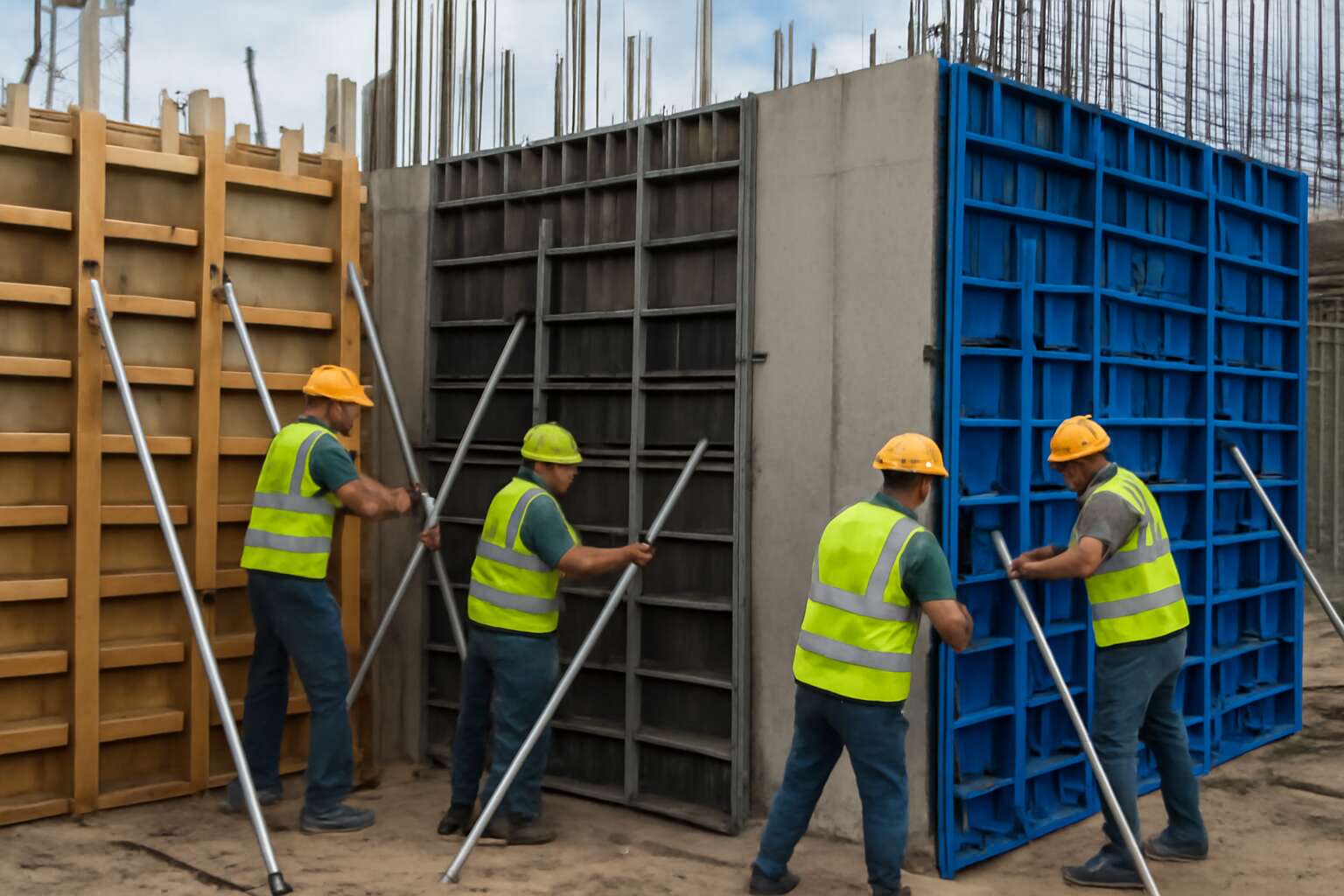
Formwork Systems and Their Types
Timber Formwork: Key Features and Use Cases
In South Africa’s busy construction scene, timber formwork acts as a quiet accelerator—many projects report up to a 25% faster cycle on mid-rise builds. Within formwork and its types, timber formwork stands out for its warmth, adaptability, and immediate on-site usability.
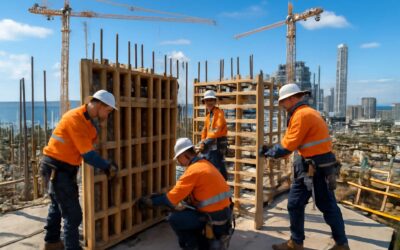
Timber formwork is celebrated for its ease of customization, light weight, and cost-effective reuse. Locally sourced timber can reduce transport time on SA sites and tailor forms to odd angles with intuitive cuts. It yields a warm, textured surface on exposed concrete. With proper care and drying, it resists warping.
- Residential and small-scale commercial slabs
- Educational facilities and public works where speed matters
- Temporary supports for garden walls and landscaping features
In the grand mosaic of formwork, timber remains a trusted, adaptable thread across South Africa.
Steel and Modular Formwork Systems
In South Africa’s bustling building sites, steel and modular formwork systems quietly underpin the skyline. When you consider formwork and its types, these two standouts combine strength with speed, turning poured concrete into predictable, pristine slabs on mid- to high-rise projects.
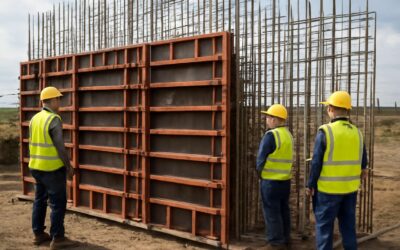
Steel formwork systems deliver rugged durability, superb reuse potential, and precise finishes. They shoulder demanding loads and resist coastal humidity when properly treated.
- High load-bearing capacity with tight tolerances
- Long service life across multiple cycles
Modular formwork systems offer speed, flexibility, and simplified logistics. Standardized panels snap together to conquer complex geometries, shaving cycle times on crowded SA sites and easing transport between crowded suburbs and coastal yards.
On South African projects, these systems choreograph concrete’s tempo with discipline and flair.
Plastic and Composite Formwork Solutions
On South Africa’s bustling construction sites, efficient formwork can trim cycle times by up to 30%, turning poured concrete into predictable progress—and a lot less guesswork for the crew.
Plastic formwork solutions are light, corrosion-resistant, and surprisingly forgiving on crowded sites, delivering rapid repetition for mid-rise cores and repetitive bays. When you map out formwork and its types, plastic and composite options shine for versatility, cost-efficiency, and surface quality.
- Lightweight handling reduces heavy-lift injuries on dense SA sites
- Reusability across multiple pours improves project value
- Flexible shapes and modular connectors conquer tight geometries
Composite formwork adds durability and thermal stability against coastal humidity; ideal for stacks of apartments and hotel blocks. In this market, they’re not gimmicks—just practical tools that keep schedules honest.
Formwork for Complex Geometries and Specialty Applications
On South African sites, the right formwork cuts cycle times dramatically—some operators report up to 25% faster pours. Formwork and its types aren’t just scaffolding; they’re the project tempo. A solid system keeps concrete stable, surfaces predictable, and crews focused from pour to strip!
Formwork systems come in families designed for different jobs. Here are common types that fit varied geometries and schedules:
- Modular steel frames for repeatable bays
- Slip-form for continuous vertical elements
- Stay-in-place formwork for complex skins
Complex geometries and specialty applications demand adaptable tooling. For curved cores and irregular footprints, flexible interlocks and custom panels keep tolerance and finish tight—coastal SA sites also benefit from formwork that holds shape through humidity spikes.

0 Comments