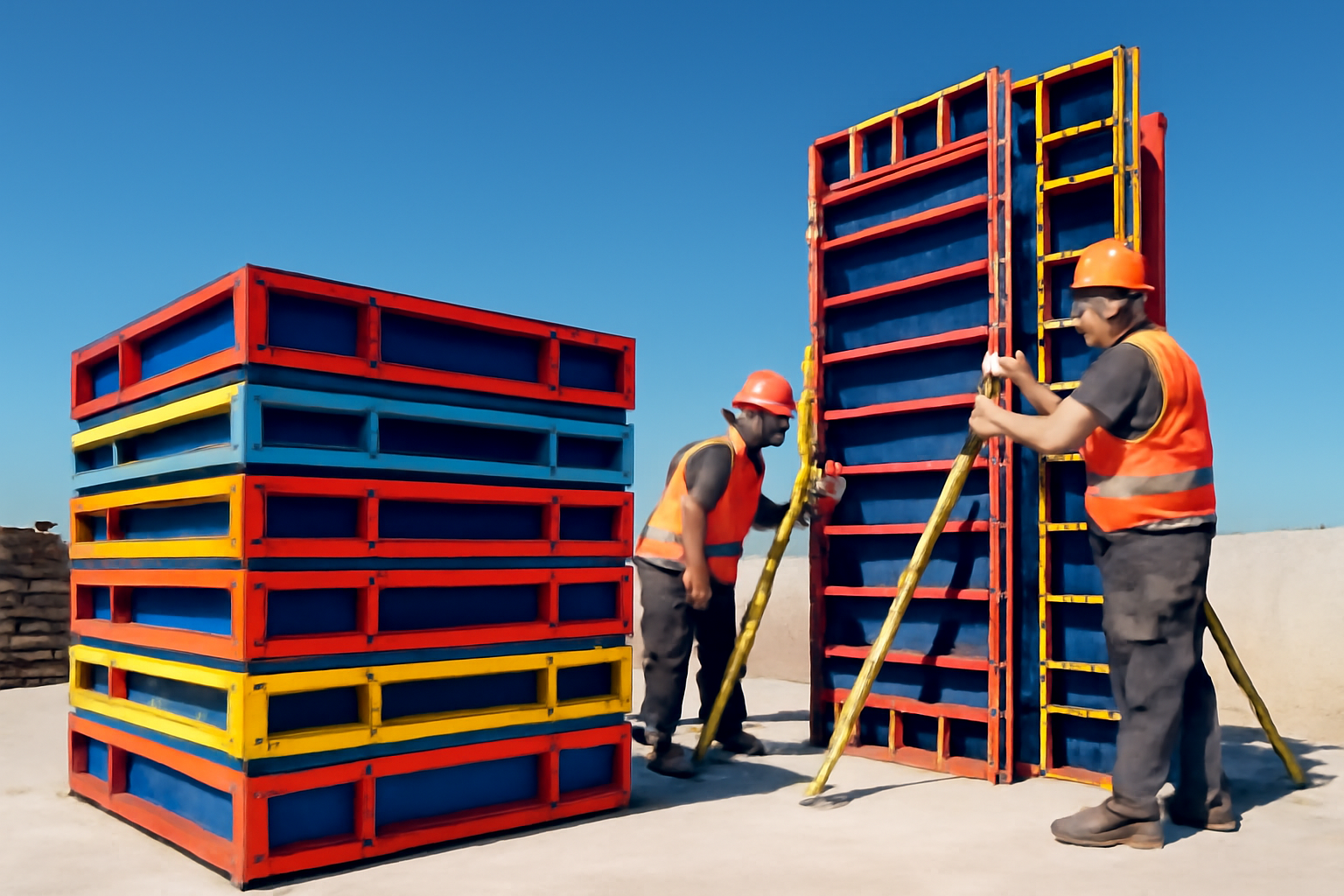
Understanding Formwork in Construction
Definition and Purpose of Formwork
In the intricate dance of modern construction, understanding formwork is essential for anyone aiming to optimize project efficiency. Formwork, often shrouded in technical jargon, is essentially the temporary mold that shapes concrete until it hardens. Its primary purpose? Ensuring precision, safety, and structural integrity during the pouring process. But beyond its immediate function lies a question that sparks curiosity: is formwork reusable?
Reusability of formwork isn’t just a matter of economics; it’s a strategic choice that impacts sustainability and project timelines. Many modern formwork systems are designed with durability in mind, allowing them to withstand multiple uses. This not only reduces waste but also accelerates construction cycles. When considering whether a specific formwork system is reusable, factors such as material quality, design, and maintenance come into play.
For instance, formwork made from high-grade plywood or modular systems can often be reused several times, provided they are properly maintained. This reusability is a game-changer, especially in large-scale projects where cost-efficiency and environmental impact are critical. The question of is formwork reusable becomes less about possibility and more about strategic planning, ensuring maximum utility from each formwork component.
Types of Formwork Systems
Understanding formwork in construction reveals a tapestry of ingenuity that transforms raw materials into enduring structures. The elegance of this temporary molding lies in its ability to shape concrete into architectural marvels that stand the test of time. As construction evolves, so do the systems designed to enhance efficiency and sustainability. Among these, formwork systems offer a fascinating glimpse into the future of eco-conscious building practices in South Africa.
There are various types of formwork systems, each tailored to specific project needs and material considerations. Some of the most prominent include traditional timber formwork, which boasts versatility but often lacks reusability, and innovative modular systems that are engineered for multiple uses. Modular formwork, in particular, exemplifies the question of is formwork reusable, as its robust design allows for repeated cycles of deployment, provided proper maintenance is observed.
Additionally, slip formwork and system formwork have gained traction due to their remarkable durability and ease of reuse. These systems often involve high-grade materials such as aluminum or steel, which can withstand the rigors of repeated use—making them an ideal choice for large-scale projects striving for sustainability. The ability of these systems to be reused reduces waste and accelerates project timelines, aligning perfectly with the modern emphasis on environmental responsibility and cost-effectiveness in South African construction. The question of is formwork reusable becomes less about limitations and more about strategic planning to maximize utility and minimize ecological footprint.
Materials Used in Formwork
In the mystical realm of construction, the materials that forge our built environment are as vital as the spells woven into ancient architecture. When pondering whether is formwork reusable, one must delve into the very essence of what sustains these temporary yet transformative structures. Typically, the core materials used in formwork include high-grade timber, aluminum, steel, and sometimes innovative composites that possess both strength and flexibility.
Timber, once revered for its versatility, often faces the challenge of limited reusability due to wear and tear. Conversely, modern systems leverage the durability of aluminum and steel—metals that withstand countless cycles of reuse without losing their structural integrity. These robust materials embody the future of eco-conscious building practices in South Africa, where sustainability is no longer an option but a necessity. The question of whether is formwork reusable hinges on strategic maintenance and the choice of materials, transforming what was once a disposable element into a long-lasting asset.
Reusability of Formwork: Key Factors
Material Durability and Quality
In the intricate dance of construction, the question of whether formwork is reusable often determines the rhythm of project efficiency. The longevity of reusable formwork hinges on the material durability and quality—factors that transform humble panels into resilient workhorses of the building site. When crafted from high-grade timber, steel, or advanced composites, these materials withstand the relentless pressure and exposure that come with repeated use, often surpassing initial expectations.
The secret lies in the meticulous maintenance and inspection routines that accompany reusable formwork. Proper care ensures that each component retains its integrity, preventing cracks, warping, or corrosion that could jeopardize the safety or precision of the pour. In fact, some formwork systems are engineered for dozens of reuse cycles, making them a cost-effective and sustainable choice in South Africa’s evolving construction landscape.
To maximize reusability, it’s essential to evaluate:
- Material durability
- Quality of manufacturing
- Frequency of maintenance
- Environmental exposure
When these elements align, the answer to whether formwork is reusable becomes a resounding yes—an investment that pays dividends in both time and resources, while also reducing environmental impact. The durability of formwork materials transforms a simple tool into a cornerstone of sustainable construction practices, proving that quality truly endures.
Design and Construction Quality
In the bustling realm of construction, the question “is formwork reusable?” resonates deeply with project managers aiming for efficiency and sustainability. The answer hinges on a careful blend of design ingenuity and construction quality. Well-designed formwork systems are not only easier to strip and reposition but also minimize waste, making them ideal for multiple uses. High-quality construction ensures that these systems maintain their integrity through repeated cycles, which is vital for projects across South Africa’s diverse landscape.
Several key factors influence whether formwork can truly be reused, including:
- Material resilience against environmental exposure
- Precision in manufacturing that guarantees consistent performance
- Robust maintenance routines that extend lifespan
When these factors are aligned, the durability of the formwork transforms it from a temporary tool into a long-term asset—proving that, indeed, it is possible to get multiple uses from a single set of formwork panels. This reusability not only reduces costs but also bolsters sustainable building practices, making it an essential consideration for modern South African construction.
Maintenance and Handling Practices
Reusability of formwork hinges on meticulous maintenance and handling practices—an often overlooked yet critical aspect of sustainable construction. When formwork is subjected to rough handling or neglect, its ability to be reused diminishes rapidly, transforming what could be a long-term asset into a disposable item. Careful inspection after each cycle reveals cracks, warping, or other signs of wear that could compromise structural integrity.
Proper storage is equally vital. Formwork panels should be stored in dry, covered environments to prevent exposure to moisture and environmental elements that accelerate deterioration. Regular cleaning removes concrete residues and debris, which, if left unchecked, can cause surface damage and reduce reusability. Implementing strict routines for inspection, cleaning, and storage ensures that formwork remains resilient and ready for reuse across multiple projects.
- Consistent inspection to identify damage early
- Gentle handling during stripping and repositioning
- Proper storage in dry, protected environments
- Routine cleaning to prevent surface deterioration
These practices not only extend the lifespan of formwork but also elevate the ethical standards of construction—highlighting a commitment to resourcefulness and sustainability in South Africa’s diverse landscape. When handled with care, the question of whether is formwork reusable becomes less about chance and more about deliberate craftsmanship—an essential ethos for modern builders seeking to reconcile efficiency with environmental responsibility.
Type of Construction Project
The versatility of formwork reusability hinges heavily on the type of construction project at hand. Large-scale commercial developments often demand extensive formwork systems designed for multiple reuse cycles, making them highly cost-effective over time. Conversely, smaller or bespoke projects might only require single-use or limited-reuse solutions, especially if the formwork is subjected to complex shapes or tight deadlines.
Understanding whether is formwork reusable depends on several factors, including project size, complexity, and timeline. For instance, high-rise buildings benefit from durable, reusable formwork panels that withstand repeated stripping and reinstallation. Industrial projects, with their repetitive structures, also favor reusable systems to maximize efficiency. Meanwhile, residential construction may lean toward more flexible and easily handled options, which still can be reused if proper handling practices are followed.
- Type of construction project
- Expected number of reuse cycles
- Structural complexity and design
- Project timeline and budget constraints
In the South African context, selecting the right formwork system tailored to the project type can significantly influence overall sustainability. When formwork is carefully chosen to match project demands, it becomes a long-term asset rather than a disposable expense. The question of whether is formwork reusable transforms from uncertainty into a strategic decision—one rooted in the specific needs of each construction task.
Advantages of Using Reusable Formwork
Cost Efficiency
In a world where construction costs can skyrocket faster than a Johannesburg skyline, the question of whether is formwork reusable emerges as a beacon of economic wisdom. Reusable formwork doesn’t just whisper promises of savings; it roars with the potential to transform your entire project’s financial landscape. Imagine a system that, after each pour, rests patiently, ready to serve again—its durability a testament to craftsmanship and innovation.
By harnessing the power of reusable formwork, construction firms can significantly cut down on material expenses, reducing waste and fostering sustainability. The key lies in the longevity of high-quality formwork, which, with proper maintenance, can endure numerous cycles of use. This not only optimizes budget allocations but also aligns with South Africa’s growing push for eco-conscious building practices. Is formwork reusable a cornerstone of modern, cost-effective construction—an investment that pays dividends in efficiency and environmental stewardship.
Environmental Benefits
Choosing to embrace reusable formwork in construction isn’t just a smart business move—it’s a statement of environmental responsibility. Reusable formwork significantly reduces construction waste, which is a pressing concern across South Africa’s burgeoning urban landscapes. By utilizing durable systems that can withstand multiple cycles, projects shrink their ecological footprint while maintaining structural integrity.
This sustainable approach offers tangible environmental benefits, such as lowering the demand for raw materials and decreasing landfill contributions. Additionally, the reduction in waste aligns seamlessly with South Africa’s growing push for eco-conscious building practices. Is formwork reusable truly a game-changer? Absolutely. Its ability to be recycled and repurposed makes it an essential element in modern construction that values both efficiency and environmental stewardship.
Furthermore, the use of reusable formwork supports a circular economy within the construction industry. It encourages innovation in material technology and design, fostering a landscape where environmental impact is minimized at every stage. For those committed to sustainability, this approach is not just advantageous—it’s inevitable.
Consistent Quality and Finish
In the bustling world of South African construction, where every square meter counts, consistency is king. Reusable formwork doesn’t just save money—it guarantees a level of precision that disposable options simply cannot match. When you invest in quality reusable formwork, you’re essentially purchasing a tool that delivers a reliably smooth finish on every project. This isn’t some flaky promise; it’s a proven advantage that keeps your concrete surfaces looking sharp and professional, project after project.
What makes reusable formwork truly stand out is its ability to maintain consistent quality over multiple cycles. Unlike traditional one-use systems that wear down and compromise surface integrity, durable materials used in reusable formwork—such as high-grade steel or engineered plastics—ensure that each pour looks as pristine as the last. For construction firms in South Africa aiming to impress clients while minimizing rework and delays, this consistency is nothing short of a game-changer.
Moreover, the benefits extend beyond aesthetic appeal. Reusable formwork is designed with precision in mind, reducing the likelihood of imperfections or uneven surfaces. This means less time spent on corrective work, faster project turnaround times, and ultimately, a more efficient build process. It’s a win-win—saving both time and resources, with the added perk of a flawless finish every time.
Time Savings in Construction Projects
In the realm of South African construction, where time is as precious as the finest gold, the advantage of reusable formwork becomes undeniable. The swift rhythm of project timelines demands solutions that not only uphold quality but also accelerate progress. Reusable formwork, with its ability to be employed multiple times, transforms the construction process into a seamless ballet of efficiency.
One of the most compelling benefits is the significant time savings. Unlike traditional disposable systems that require constant setup and teardown for each pour, reusable formwork can be quickly repositioned and adjusted. This means less downtime, faster cycle times, and a more streamlined workflow. As structures rise from the ground, the repetitive use of formwork reduces delays, ensuring that projects stay on schedule and budgets remain intact.
For those who ask, “is formwork reusable,” the answer is a resounding yes—when crafted from robust materials like high-grade steel or engineered plastics, it becomes a resilient partner in every build. The durability of these materials guarantees that formwork can withstand the rigors of multiple pours, making it an invaluable asset for ambitious projects that demand both speed and precision.
Types of Reusable Formwork Materials
Steel Formwork
Steel formwork is renowned for its durability and reusability, making it a top choice for many construction projects. Unlike traditional timber, steel formwork can withstand multiple cycles of use without significant wear and tear, leading many to ask: is formwork reusable? The answer is a resounding yes—when properly maintained, steel formwork can be used repeatedly, often hundreds of times, ensuring a better return on investment. This longevity not only cuts costs but also reduces waste, aligning with sustainable construction practices.
Steel formwork’s strength lies in its resistance to corrosion and deformation, which are common issues with other materials. To maximize its reusability, it’s essential to handle steel formwork with care and conduct routine inspections. Some projects benefit from prefabricated steel panels that are easy to clean and store, further boosting their reuse potential. As a result, steel formwork offers a practical, environmentally friendly solution that supports efficient, high-quality construction in South Africa’s evolving infrastructure landscape.
Aluminum Formwork
When it comes to reusable formwork materials, aluminum stands out as a champion in the construction arena. Light enough to handle with a smile, yet robust enough to endure the rigors of multiple pours, aluminum formwork offers a compelling blend of flexibility and durability. Its resistance to corrosion makes it an ideal candidate for projects that demand repeated use without sacrificing quality. Plus, aluminum’s ease of assembly and disassembly significantly cuts down on time and labor costs, making it a favorite among builders who value efficiency.
For those pondering whether aluminum formwork is truly reusable, the answer is a confident yes! In fact, aluminum formwork can often be reused hundreds of times if properly maintained, which not only boosts cost-efficiency but also aligns with eco-friendly construction practices.
- Lightweight yet sturdy design
- High resistance to corrosion
- Simple handling and storage
It’s no wonder that many construction projects in South Africa are turning to aluminum for their formwork needs, ensuring a sustainable and productive workflow that stands the test of time.
Plastic and Polymer-based Formwork
Plastic and polymer-based formwork materials offer a compelling alternative in the world of reusable formwork. These materials are lightweight, which makes handling and installation easier—saving valuable time on busy construction sites. Unlike traditional timber or steel, plastic formwork resists moisture and chemical exposure, ensuring longevity through multiple uses.
Because of their durability, plastic formwork systems can often be reused hundreds of times, especially when properly maintained. This not only enhances cost efficiency but also aligns with eco-friendly construction practices. Their smooth surfaces contribute to a superior finish, reducing the need for extensive cleaning or finishing work after removal.
Here’s what makes plastic or polymer-based formwork stand out:
- High resistance to corrosion and chemicals
- Lightweight and easy to handle
- Reusable across multiple projects with minimal wear
In South Africa, the adoption of plastic formwork is growing rapidly, driven by the demand for sustainable, reusable solutions that do not compromise on speed or quality. So, when considering if formwork is reusable, polymer-based options are undeniably a smart choice for modern construction projects.
Plywood and Timber Formwork
Plywood and timber formwork have long been staples in the construction industry, celebrated for their versatility and availability. Their natural properties make them a practical choice for many projects, especially when considering whether formwork is reusable. These materials are typically crafted from high-quality timber or marine-grade plywood, designed to withstand the rigors of multiple uses. However, their reusability hinges on meticulous maintenance—factors like proper cleaning, timely repairs, and careful handling can extend their lifespan significantly.
Unlike modern composite or polymer-based systems, plywood and timber formwork are more susceptible to moisture and damage over time. Yet, when properly treated and stored, they can be reused for several cycles, reducing waste and cost. For instance, in South Africa, where sustainable building practices are gaining momentum, many contractors opt for timber formwork because of its natural reusability and ease of customization.
To enhance durability, some projects incorporate:
- Protective coatings against moisture and pests
- Reinforced joints and edges
- Careful storage and handling practices
While plywood and timber formwork may not match the longevity of steel or plastic options, their reusability is undeniable when managed properly. This makes them a viable and eco-friendly choice, aligning with the growing demand for sustainable construction solutions in South Africa and beyond.
Best Practices for Reusing Formwork
Proper Cleaning and Maintenance
In the grand tapestry of construction, where each element must perform with precision and resilience, understanding whether formwork is reusable becomes paramount. The secret to unlocking its full potential lies not only in selecting quality materials but also in mastering the art of proper cleaning and maintenance. When formwork is handled with care, it transforms from temporary scaffolding into a lasting investment, echoing sustainability and efficiency.
To ensure formwork remains a steadfast partner on every project, meticulous cleaning after each use is essential. Removing residual concrete, debris, and dust with targeted techniques preserves the integrity of the formwork’s surface, preventing deterioration. Regular inspections for cracks, warping, or corrosion—particularly in steel or aluminum formwork—can extend its lifespan significantly. In fact, adopting a routine maintenance schedule can make all the difference, allowing formwork to be reused multiple times without compromising quality or safety.
Remember, a proactive approach — like lubricating joints, tightening fasteners, and storing components properly — can safeguard the structural integrity of your formwork. After all, when it comes to reusability, it’s the diligent care and attention to detail that turn fleeting utility into enduring value, ensuring that the question of whether formwork is reusable remains a resounding yes! Proper cleaning and maintenance are the silent architects behind sustainable construction that stands the test of time.
Damage Inspection and Repair
When considering whether formwork is reusable, one cannot overlook the importance of damage inspection and timely repair. In the bustling realm of South African construction, where every project demands efficiency, overlooking these critical facets can lead to costly setbacks. An astute inspector will scrutinize for any signs of wear—cracks, warping, or corrosion—that might compromise the formwork’s integrity. This is especially crucial for steel or aluminum systems, which are highly durable but not invincible.
Addressing damage promptly extends the lifespan of formwork and ensures it remains a reliable component of future projects. Minor repairs, such as welding small cracks or replacing worn fasteners, often prove more economical than replacing entire panels. For instance, a simple routine of
- cleaning
- checking fasteners
- lubricating joints
can keep formwork in prime condition, reinforcing its reusability. When damage is beyond repair, however, it’s wise to retire the compromised elements to prevent safety hazards.
Many seasoned contractors in South Africa advocate a proactive repair regime, recognizing that maintaining the formwork’s structural integrity is fundamental to sustainable construction. After all, understanding that is formwork reusable hinges on diligent damage inspection and swift, effective repair — the silent yet indispensable guardians of reusability in this industry.
Storage and Handling
In the vibrant landscape of South African construction, proper storage and handling of formwork significantly influence whether it is reusable. Ensuring that formwork is stored correctly can prevent unnecessary damage and extend its lifespan. A well-organized storage area, free from moisture and direct sunlight, helps preserve the integrity of materials like steel, aluminum, or timber, making them ready for future projects.
Handling formwork with care is equally vital. When moving panels or components, use appropriate equipment and avoid dragging or dropping, which can cause cracks or warping. For optimal reusability, some contractors adopt a systematic approach—such as:
- Labeling each piece for easy identification
- Stacking panels neatly to avoid warping or bending
- Implementing protective coverings to shield against environmental elements
By adhering to these practices, construction teams can maintain the quality of formwork and ensure that it remains a reliable, reusable asset—saving costs and reducing waste in the long run. After all, the question of is formwork reusable truly hinges on diligent storage and handling, embodying both efficiency and sustainability in South African construction projects.
Periodic Replacement and Upgrading
In the symphony of construction, where every note counts and harmony is forged through precision, the question often echoes—is formwork reusable? The answer lies not merely in the materials but in the deliberate choreography of renewal. Best practices for reusing formwork transform fleeting scaffolding into a resilient, enduring asset—an ode to sustainability and ingenuity.
Periodic replacement and upgrading breathe new life into formwork, ensuring it remains a steadfast partner in the dance of building. Regular inspection reveals cracks or warping, whispering tales of fatigue that demand attention. When repairs are needed, meticulous patching and reinforcement preserve the integrity of the formwork, extending its useful life and cementing its role in future projects.
Implementing a systematic approach, such as:
- Assessing the condition after each use
- Reinforcing vulnerable joints or panels
- Upgrading outdated components with modern, durable alternatives
ensures longevity and reliability. With each cycle of reuse, formwork not only saves costs but also champions environmental stewardship, embodying the spirit that is formwork reusable—a testament to innovation in South African construction. The mastery lies in knowing when to refresh, refurbish, or retire, transforming routine maintenance into an art form that sustains progress and preserves resources.
Limitations and Challenges of Reusable Formwork
Initial Investment Costs
While the allure of reusing formwork promises significant savings and environmental benefits, the initial investment costs can be a stumbling block for many construction projects in South Africa. The question remains—is formwork reusable worth the upfront expenditure? Not all formwork systems are created equal, and the costs associated with high-quality, durable materials like steel or aluminum can be substantial. These materials demand a careful calculation of long-term gains against immediate expenses, especially when factoring in the need for proper storage and handling.
However, the challenge extends beyond mere cost. The durability of reusable formwork hinges on meticulous maintenance and timely repairs. Damage inspection and repair become integral to preserving the formwork’s reusability, yet these procedures can be resource-intensive. For projects with fluctuating schedules or limited budgets, the initial costs may overshadow the potential benefits, raising the question: is formwork reusable truly a viable option in every scenario?
- High initial capital expenditure for premium materials
- Additional costs for maintenance and periodic upgrades
- Need for skilled handling to maximize reusability
In essence, the decision to invest in reusable formwork involves weighing these challenges against the long-term operational efficiencies—making it a complex puzzle for contractors across South Africa’s evolving construction landscape.
Wear and Tear Over Time
While the promise of sustainable construction and long-term savings makes the question of is formwork reusable increasingly relevant, the reality of wear and tear over time cannot be ignored. Reusable formwork systems are subject to the harsh conditions of construction sites, where exposure to elements, concrete residues, and handling stress gradually erode their integrity. This deterioration, if unchecked, compromises the safety and quality of future pours, raising doubts about their viability after multiple uses.
In particular, high-quality materials like steel or aluminum do offer impressive durability, but even these can suffer from structural fatigue, deformation, or surface damage. The challenge lies in balancing the cost of ongoing maintenance and periodic upgrades against the benefits of reusability. For example, damage inspection and repair become crucial, yet resource-intensive, tasks that require skilled handling and strategic planning. Without proper care, the long-term advantages diminish, making it essential for contractors to evaluate whether the initial investment truly pays off in their specific context.
- Repeated exposure to concrete and environmental conditions can accelerate wear.
- Surface abrasions and minor deformations may lead to compromised finishes in subsequent projects.
- Neglecting regular maintenance can result in costly replacements sooner than anticipated.
Ultimately, the durability of reusable formwork depends on a combination of material quality, handling practices, and the frequency of use. For projects in South Africa where budgets and schedules often fluctuate, understanding these limitations is vital to making an informed decision about whether is formwork reusable truly a sustainable and economically sound choice.
Compatibility with Different Construction Designs
When pondering whether is formwork reusable, one must consider the intricate dance between design adaptability and material limitations. Reusable formwork systems often excel in standardized projects, but they can face significant hurdles when accommodating complex or bespoke construction designs. Adaptive forms that fit a wide array of architectural nuances are rare, making compatibility a challenge. This is particularly true in South Africa, where diverse building styles demand flexible solutions.
For instance, intricate curves or unconventional geometries may require custom modifications or entirely different formwork types. In such cases, the rigidity of certain reusable systems can become a barrier, leading to increased costs or even the need for temporary, single-use alternatives. A straightforward list of common issues includes:
- Limited flexibility for complex shapes
- Difficulty in adjusting reusable systems to unique designs
- Potential for damage when forcing incompatible forms
Therefore, understanding the nuances of compatibility is crucial. While reusable formwork offers long-term benefits, its limitations in handling diverse construction designs should not be underestimated. This challenge highlights the importance of strategic planning and choosing the right system tailored to project-specific needs, especially in environments like South Africa where construction demands are continually evolving.
Environmental Conditions Impact
Environmental conditions can significantly impact whether is formwork reusable over multiple projects. South Africa’s climate, characterized by high humidity and frequent rainfall, often poses challenges to the durability of formwork materials. Moisture exposure accelerates wear and increases the risk of mold, warping, or weakening of the formwork surfaces. This, in turn, reduces the lifespan of reusable systems and can lead to costly replacements.
Additionally, extreme temperature fluctuations—common in many South African regions—may cause materials like plywood or timber to expand and contract, compromising their structural integrity. To mitigate these effects, proper storage and handling are essential. For instance, storing formwork in covered areas and ensuring thorough cleaning after each use can extend its usability.
Environmental factors not only influence the physical condition of reusable formwork but also affect overall project efficiency. Poorly maintained systems or those exposed to harsh conditions may require frequent repairs or upgrades, increasing the total cost of ownership. Therefore, understanding these environmental limitations is crucial for construction professionals seeking sustainable and cost-effective solutions in South Africa’s diverse climate.
Eco-Friendly Construction and Formwork Reuse
Reducing Waste through Reuse
In a world increasingly mindful of its carbon footprint, the question “is formwork reusable?” isn’t just a matter of convenience—it’s a cornerstone of eco-friendly construction. Reusing formwork reduces waste significantly, transforming what could be discarded into a valuable resource. It’s no secret that the construction industry generates mountains of debris, but innovative practices are turning the tide. Reusable formwork systems, like steel or aluminum, are designed with durability and longevity in mind, allowing them to withstand multiple pours without losing their integrity.
This sustainable approach not only minimizes environmental impact but also offers economic benefits. Contractors can save substantially on material costs and waste disposal, making reuse an intelligent choice. Moreover, the ability to reuse formwork aligns perfectly with green building standards and sustainable development goals, especially in South Africa where resource efficiency is paramount. The answer to “is formwork reusable?” is a resounding yes, and it’s a vital step towards greener, cleaner construction practices.
Lowering Carbon Footprint
In the grand theater of eco-conscious construction, the question “is formwork reusable?” takes center stage as a vital plot twist. Reusing formwork isn’t just about saving a few bucks—it’s a seismic shift towards lowering our carbon footprint. By repurposing sturdy materials like steel and aluminum, we’re effectively turning waste into wealth in the building process. This approach not only curtails the mountain of debris typical of construction sites but also champions resource efficiency—an absolute necessity in South Africa’s quest for sustainable development.
Embracing formwork reuse means adopting a mindset where durability and longevity are prized over disposability. The process involves meticulous inspection, cleaning, and maintenance, but the payoff is a significantly reduced environmental impact. And in a region where resource conservation is more than just a buzzword, reusing formwork aligns seamlessly with green building standards. So, when you ask, “is formwork reusable?” the answer is a resounding yes—proving that greener, cleaner construction is not just possible, but profitable too.
Supporting Sustainable Building Certifications
In the vibrant tapestry of sustainable building practices, the question of “is formwork reusable?” resonates profoundly. Eco-conscious construction in South Africa hinges on innovative strategies that minimize environmental impact. Reusing formwork not only preserves valuable resources but also elevates a project’s green credentials, earning coveted sustainable building certifications. These standards—such as Green Star or LEED—recognize the importance of resource efficiency and waste reduction, aligning perfectly with the principles of formwork reuse.
By embracing the concept of reusable formwork, developers and builders champion a future where construction footprints are lighter and more harmonious with nature. The process of reusing formwork, especially materials like steel and aluminum, supports the overarching goal of lowering carbon footprint. This approach transforms what might have been waste into a vital component of the building lifecycle, reinforcing the idea that sustainability isn’t merely a trend but a fundamental necessity.
Furthermore, formwork reuse supports the quest for certification excellence. It demonstrates a commitment to reducing embodied energy and advancing green building standards—an essential factor for projects seeking environmental accreditation. When the question “is formwork reusable?” is answered with an emphatic yes, it becomes clear that green building isn’t just feasible; it’s profitable and responsible. The magic lies in the seamless integration of durability, efficiency, and eco-friendly innovation—making every construction endeavor a step closer to a sustainable future.
Choosing the Right Reusable Formwork System
Project Scale and Complexity
Choosing the right reusable formwork system hinges significantly on the scale and complexity of your construction project. Larger, more intricate projects demand durable, versatile formwork capable of withstanding multiple reuse cycles without compromising on safety or finish. For instance, high-rise buildings or expansive infrastructure projects benefit from systems like steel or aluminum formwork, renowned for their robustness and reusability. Conversely, smaller residential developments might find plywood or timber formwork more suitable, offering flexibility yet still supporting the question, is formwork reusable?
Understanding the specific demands of your project ensures you select a system that maximizes efficiency and longevity.
- Project size and scope
- Structural complexity
- Environmental conditions
These considerations help optimize the investment in formwork, ultimately answering the vital question: is formwork reusable in your unique construction environment?
Budget Considerations
Budget considerations play a pivotal role when selecting a reusable formwork system that aligns with your construction project. The initial investment can vary significantly depending on the type of formwork chosen—steel, aluminum, plywood, or plastic—each offering different levels of durability and reusability.
In South Africa’s competitive construction environment, understanding the long-term cost efficiency of your formwork system is essential. Reusable formwork, when properly maintained, can be used multiple times, reducing waste and lowering overall project costs. However, it’s important to factor in expenses related to storage, handling, and periodic refurbishment.
Choosing a system that balances upfront costs with longevity ensures your project remains within budget while maximizing the benefits of reusability. After all, the question isn’t just “is formwork reusable?” but rather, how can it deliver enduring value throughout your construction journey?
Material Suitability
Choosing the right reusable formwork system hinges on selecting a material that seamlessly aligns with your project’s needs and environmental conditions. South Africa’s diverse climate demands materials that can withstand not just wear and tear but also the unpredictable whims of weather. Steel formwork, renowned for its robustness, offers exceptional durability, making it a top contender for long-term reuse. Aluminum, lightweight yet sturdy, provides a versatile alternative that’s easier to handle and transport. Meanwhile, plastic or polymer-based formwork brings a splash of innovation—resistant to moisture and easy to clean, it’s perfect for projects requiring frequent reuse.
When contemplating whether a formwork is reusable, consider these key factors:
- Material resilience against environmental stressors
- Ease of cleaning and maintenance
- Cost-efficiency over multiple cycles
In South Africa’s bustling construction landscape, the choice of material can make or break your project’s sustainability and budget. The question isn’t just “is formwork reusable?” but how well the material can deliver consistent quality, withstand wear, and contribute to a greener footprint through repeated use. Selecting a material suited to your specific construction environment ensures your investment remains resilient, reusable, and ultimately, a wise choice for enduring value.
Long-term Cost Implications
Choosing the right reusable formwork system is an act of strategic foresight—an investment that can redefine project sustainability and financial viability. The long-term cost implications are profound; an initial higher expense can translate into significant savings when the formwork withstands numerous reuse cycles. But it’s not merely about the upfront cost. The true value lies in the durability and resilience of the material, ensuring that it remains serviceable over time without frequent repairs or replacement.
In South Africa’s dynamic construction environment, it’s crucial to assess how well a formwork material can adapt to environmental stressors. Steel formwork, for example, offers exceptional longevity, often serving multiple projects if properly maintained. Aluminum, with its lightweight nature, reduces handling costs and accelerates assembly, amplifying cost-efficiency. Plastic or polymer-based systems, though initially more expensive, often prove economical over extended use due to their resistance to moisture and ease of cleaning.
When evaluating if a formwork is reusable, consider these key aspects:
- Initial investment versus lifecycle durability
- Ability to withstand South Africa’s weather variations
- Cost savings through repeated reuse over multiple projects
The true measure of a formwork system’s value is its capacity to deliver consistent quality, reduce waste, and support sustainable building initiatives—traits that elevate the entire construction process beyond mere functionality. Reusability isn’t just a feature; it’s a moral compass guiding us toward more responsible, cost-effective building practices in South Africa’s vibrant construction landscape.


0 Comments