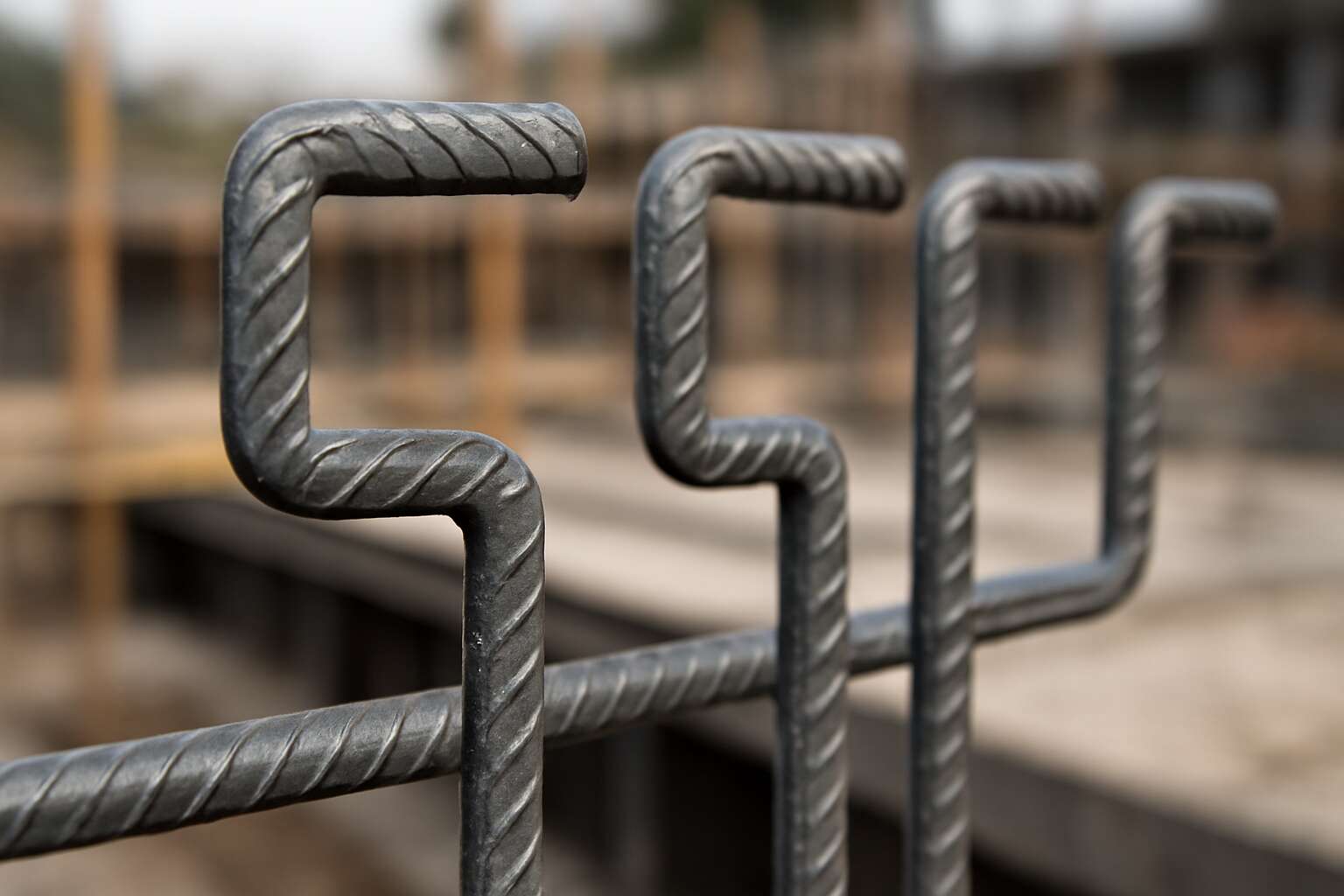
Understanding Formwork Z Bars
What Are Formwork Z Bars?
In the grand theatre of construction, where strength and precision are paramount, formwork z bars emerge as silent heroes—standing tall amidst the chaos of concrete and steel. These sturdy, meticulously designed components are the backbone of formwork systems, ensuring each mould retains its perfect shape with unwavering stability. Their unique Z-shaped profile isn’t just a marvel of engineering; it’s a testament to the ingenuity behind modern construction techniques.
What exactly are formwork z bars? They are specialised reinforcement elements crafted from high-grade steel, engineered to optimise the alignment and support of formwork panels. Their versatility allows them to seamlessly connect, reinforce, and stabilise sections of formwork, making them indispensable for complex structures. To better understand their role, consider how they function within the framework of a building’s skeleton:
- They facilitate quick assembly and disassembly, saving valuable labour hours.
- They provide flexibility to adapt to various formwork configurations.
- They enhance the overall strength and durability of the formwork system.
In the realm of construction, where every second counts and precision is king, formwork z bars wield their magic—transforming raw materials into the sturdy foundations of future skylines. Their strategic use ensures that every poured slab and wall remains true to design, standing resilient against the test of time and element.
Material Composition and Types
Formwork z bars are more than mere steel components; they embody a meticulous dance of material science and engineering precision. Crafted predominantly from high-grade steel, these reinforcement elements are designed to withstand the rigours of concrete pressure, environmental exposure, and structural demands. Their composition isn’t just about durability—it’s about resilience. The steel used often includes alloying elements that enhance corrosion resistance, ensuring longevity in diverse construction settings.
Within the realm of formwork z bars, there exists a variety of types, each tailored for specific applications. Commonly, you’ll encounter hot-rolled steel z bars, renowned for their strength and ability to bear heavy loads, and stainless steel variants, which excel in environments prone to moisture or corrosive elements. The selection hinges on factors like project scope, environmental conditions, and load requirements. These choices underscore the importance of understanding the nuanced differences among the types of formwork z bars, as each brings a unique set of properties to the construction process.
- Hot-rolled steel z bars – robust, ideal for heavy-duty applications
- Stainless steel z bars – corrosion-resistant, suited for moist or chemically aggressive environments
- Galvanised z bars – enhanced durability with a protective zinc coating
By recognising the material composition and diverse typologies of formwork z bars, construction professionals can elevate their projects’ precision and longevity, ensuring that every moulded element stands as a testament to engineering mastery.
Design Features of Z Bars
Understanding the design features of formwork z bars reveals a fascinating interplay of functionality and innovation. These steel components are meticulously engineered to ensure seamless integration into complex moulding systems, where precision is paramount. The distinctive Z-shape isn’t merely aesthetic; it provides optimal support and stability during concrete pouring, preventing deformation and ensuring a flawless finish.
The strength of formwork z bars lies in their unique geometric configuration, which allows for versatile applications across different construction scenarios. They are often designed with specific dimensions and hole patterns that facilitate quick assembly and disassembly, saving valuable time on site. The durability of these elements hinges on their precise fabrication, reducing the risk of fatigue under heavy loads or environmental stressors.
Here are some key design features that make formwork z bars indispensable in modern construction:
- High tensile strength for supporting substantial loads
- Corrosion-resistant coatings to withstand moisture and chemical exposure
- Pre-drilled holes for easy attachment and alignment
- Flexible lengths and angles to adapt to varied moulding requirements
From their robust construction to their clever geometric design, each element of a formwork z bar is crafted to elevate the precision and efficiency of concrete formwork. It’s this meticulous attention to detail that transforms a simple steel piece into a cornerstone of structural integrity and architectural excellence!
Advantages of Using Z Bars in Formwork
Enhanced Structural Support
In the intricate dance of construction, the elegance of formwork z bars lies not just in their design but in their ability to transform raw materials into enduring masterpieces. Their enhanced structural support ensures that each pour of concrete is held with unwavering precision, elevating the integrity of the entire project. When properly aligned, formwork z bars act as silent guardians, resisting the relentless forces that threaten to distort the delicate balance of freshly poured concrete.
The beauty of using formwork z bars extends beyond mere support. They facilitate a cleaner, more efficient construction process, reducing labour time and minimising material waste. Their versatility allows for seamless integration into complex moulds, supporting intricate architectural visions with quiet grace. Whether in high-rise feats or foundational structures, formwork z bars serve as the backbone of safety and stability, quietly underpinning the aspirations of every structure we admire.
Easy Installation and Handling
In the fast-paced world of construction, time is money, and efficiency can make or break a project. The ease of installation and handling of formwork z bars is a game-changer, allowing builders to streamline their workflows without compromising safety or quality. These versatile elements are designed with user-friendly features that facilitate quick setup, saving valuable labour hours on-site.
One of the standout advantages of using formwork z bars is their adaptability. They can be swiftly manoeuvred and inserted into complex moulds, enabling seamless integration into intricate architectural designs. This flexibility not only accelerates construction timelines but also enhances precision, ensuring that each pour of concrete is optimally supported. For a smoother, more efficient process, the straightforward handling of formwork z bars truly sets them apart.
Durability and Longevity
In the grand tapestry of construction, where every thread must withstand the test of time, the durability and longevity of formwork z bars are nothing short of legendary. These sturdy elements serve as the backbone of many a resilient structure, enduring the relentless pressure of concrete pours and environmental assault. Their robust design ensures that, even after multiple uses, they maintain their integrity, acting as silent guardians of quality and safety.
One of the hidden marvels of formwork z bars lies in their resistance to corrosion and deformation. Crafted from high-grade materials, they withstand the harsh rigours of construction sites, reducing the need for frequent replacements and repairs. This durability translates into significant cost savings over the lifespan of a project, making them an economical choice that doesn’t compromise on strength.
To optimise their performance, some formwork z bars incorporate features such as galvanised coatings or protective finishes, further extending their operational life. When used correctly, these elements become a vital part of a construction’s framework—lasting through multiple cycles of assembly and disassembly, echoing the mythic resilience of legendary fortresses. Truly, their enduring nature makes formwork z bars an investment in both immediate efficiency and long-term structural integrity.
Cost-Effectiveness
In the intricate dance of construction, balancing quality with budget constraints often determines project success. Formwork z bars emerge as a game-changer, offering remarkable cost-effectiveness without sacrificing strength. Their versatile design allows for multiple reuses, reducing the need for frequent replacements and cutting down on material wastage. This not only streamlines the workflow but also translates into tangible financial savings, making them an economical choice for large-scale projects.
Moreover, the inherent resilience of formwork z bars facilitates faster assembly and disassembly processes. Time saved on site means lower labour costs and quicker project turnaround times. As a result, investing in high-quality formwork z bars can accelerate project schedules, ultimately delivering substantial value. The combination of durability and reuse potential positions these elements as essential components in modern construction, where efficiency and economy are paramount.
In essence, the true advantage of formwork z bars lies in their ability to offer enduring performance while simultaneously reducing overall project costs. Their strategic utilisation becomes a reflection of thoughtful planning—an investment that pays dividends in both immediate savings and long-term structural integrity.
Applications of Formwork Z Bars in Construction
Commercial Building Projects
In the bustling realm of commercial construction, where visions of towering edifices are realised brick by brick, formwork z bars emerge as silent guardians of precision and strength. Their application in large-scale projects transforms the mundane act of moulding concrete into an artful dance of engineering mastery. These robust steel components are integral to creating stable, secure formwork systems that withstand the relentless force of poured concrete, ensuring flawless finishes and structural integrity.
Within expansive commercial building projects, formwork z bars are often employed to reinforce wall partitions, support slab edges, and secure complex moulding geometries. Their versatility allows for seamless integration into diverse architectural designs, accommodating the dynamic demands of modern construction. The adaptability of formwork z bars means they can be customised to fit unique project specifications, streamlining installation processes and reducing labour time.
For large projects, the strategic utilisation of formwork z bars not only bolsters durability but also optimises resource efficiency, turning what could be a chaotic assembly into a symphony of organised effort. When precision and resilience are paramount, these steel stalwarts stand ready to elevate any construction enterprise to new heights.
Residential Construction
In the delicate dance of residential construction, where the subtlety of design meets the robustness of engineering, formwork z bars play a pivotal role. These steel marvels are not merely supporting cast; they are the silent architects that shape the very bones of a home. Their application in residential projects often involves reinforcing wall partitions, stabilising foundation forms, and supporting intricate moulding geometries that bring a house to life.
With their adaptable nature, formwork z bars can be customised to fit the unique contours of each project, streamlining the installation process and reducing labour time. Their ability to seamlessly integrate into diverse architectural visions means that even the most complex domestic structures can be realised with precision and stability.
For residential builders, the strategic utilisation of formwork z bars ensures that every brick laid and every slab poured is held firmly in place, transforming construction sites into organised symphonies of craftsmanship. Their resilience underpins the safety and durability of the finished home, making them indispensable in creating spaces that withstand the test of time.
Infrastructure and Civil Engineering
In large-scale infrastructure projects and civil engineering endeavours, the strategic application of formwork z bars proves indispensable. These versatile steel elements are often employed to reinforce complex concrete elements, ensuring stability during the curing process and maintaining precise dimensions under heavy loads. Their adaptability makes them particularly effective in constructing bridges, tunnels, and retaining walls where structural integrity cannot be compromised.
Formwork z bars excel in scenarios requiring intricate moulding and high-strength support. For instance, when forming curved or irregular surfaces, their customisable nature allows engineers to shape reinforcement contours that align perfectly with architectural demands. This precision reduces material wastage and accelerates construction timelines, all while upholding safety standards.
In civil engineering projects, the durability of formwork z bars under harsh environmental conditions ensures long-term performance. Their ability to withstand corrosion and mechanical stress makes them ideal for outdoor infrastructure, where exposure to moisture and fluctuating temperatures is inevitable. Incorporating formwork z bars into foundational and load-bearing structures guarantees stability that endures through decades of use.
Specialized Formwork Situations
In the shadowed realm of construction, where precision meets resilience, formwork z bars emerge as silent guardians of structural integrity. Their application in specialised formwork situations transforms mere concrete into enduring works of art, capable of withstanding the relentless march of time. When complex moulding demands a steadfast backbone, these steel elements are summoned to shape the unseen skeleton beneath the surface.
From intricate curved surfaces to irregular architectural features, formwork z bars offer unparalleled customisation. Their versatility allows engineers to craft contours that echo the architect’s vision, all while maintaining the strength necessary for long-term stability. In scenarios where traditional reinforcement falters, these Z-shaped reinforcements excel, providing support where it is needed most.
Particularly in challenging environments, their durability proves vital. Whether stabilising foundations in corrosive conditions or supporting heavy loads in high-rise projects, formwork z bars stand resilient against the elements. Their strategic utilisation in specialised formwork not only accelerates construction timelines but also ensures safety and longevity, turning the macabre into the magnificent with every pour of concrete.
Selecting the Right Z Bars for Your Project
Factors to Consider
Choosing the right formwork z bars can significantly influence the success of your construction project. With so many options available, it’s essential to consider factors like load-bearing capacity, compatibility with your formwork system, and environmental conditions. A well-selected z bar not only ensures structural integrity but also streamlines installation and reduces waste.
For example, thicker z bars may be necessary for heavy-duty applications, while lighter variants suit residential jobs where ease of handling is a priority. Additionally, assessing corrosion resistance and material quality can save time and costs in the long run.
When selecting formwork z bars, it’s useful to evaluate the specific demands of your project through a simple checklist:
- Structural load requirements
- Environmental exposure
- Compatibility with existing formwork components
- Ease of installation and handling
Ultimately, choosing the appropriate formwork z bars involves balancing these elements carefully — a decision that can make or break your overall construction timeline and quality.
Size and Thickness Options
Choosing the right formwork z bars is a critical decision that can determine the success of your project. When selecting z bars based on size and thickness, it’s vital to consider the specific demands of your construction. Smaller, lighter z bars are ideal for residential projects where ease of handling and swift installation are paramount. Conversely, larger, thicker variants are better suited for heavy-duty applications, offering increased load-bearing capacity and durability.
The range of options available means that tailoring your choice to the project’s scale and environmental conditions can lead to significant savings and heightened safety. For example, in environments prone to corrosion, opting for coated or stainless steel formwork z bars can extend longevity and reduce maintenance costs.
A simple evaluation of your project’s size and complexity can help determine the ideal thickness and dimensions, ensuring the formwork z bars provide optimal support without unnecessary excess.
Compatibility with Other Formwork Components
Choosing the right formwork z bars isn’t just a matter of size and strength; it’s about ensuring seamless compatibility with your entire formwork ensemble. Think of it as assembling a Swiss watch—every component must fit perfectly to keep everything ticking smoothly. When integrating formwork z bars into your setup, compatibility with other formwork components, such as panels, spacers, and ties, becomes paramount. Mismatched parts can turn a straightforward pour into a chaotic circus act, complete with misplaced supports and sagging expectations.
To streamline your process, consider the specific requirements of your project—be it a towering commercial skyscraper or a modest residential extension. Opt for formwork z bars that align with your chosen formwork system. For instance, some z bars are designed with specialised hooks or slots to snugly fit into modular formwork panels, reducing installation time and enhancing safety. A quick checklist might include:
- Assessing the size and shape of your formwork components.
- Matching the thickness of the z bars to the load demands.
- Ensuring the material and coating are compatible with environmental conditions.
When your formwork z bars play nicely with other components, construction becomes less of a juggling act and more of a well-rehearsed ballet. After all, compatibility isn’t just about avoiding mishaps; it’s about creating a harmonious symphony of structural support that stands the test of time and weather. So, whether you’re stacking formwork panels or securing intricate concrete moulds, selecting compatible formwork z bars is the secret ingredient to a resilient, efficient build.
Quality and Certification Standards
Selecting the right formwork z bars is an exercise in discerning quality and adhering to rigorous certification standards. In a landscape where structural integrity is non-negotiable, the significance of sourcing certified formwork z bars cannot be overstated. Such standards—often mandated by industry regulators—serve as the gold seal of reliability, ensuring that your chosen z bars meet or exceed safety and performance benchmarks.
Manufacturers boasting ISO or CE certification typically guarantee consistent material quality and manufacturing processes. When evaluating options, scrutinise specifications for adherence to these standards, as subpar materials—no matter how alluring—can compromise the entire project.
For added reassurance, seek out products that display detailed test reports and compliance certificates, which vividly demonstrate the z bars’ capacity to withstand environmental stresses and load demands. After all, selecting premium formwork z bars is not merely about meeting minimum requirements but about investing in a resilient, long-lasting construction framework.
Installation and Maintenance Tips
Proper Handling and Placement
In the world of construction, a well-executed installation of formwork z bars can make the difference between a flawless pour and a costly mess. Proper handling and placement are essential; mishandling can lead to deformation or compromised structural integrity. When installing formwork z bars, ensure they are levelled accurately and securely fastened to prevent any shifting during concrete pouring. Remember, a firm grip and correct orientation are vital for optimal support.
Maintenance, often overlooked, plays a crucial role in prolonging the lifespan of formwork z bars. Regular inspection for signs of corrosion or fatigue is advisable—nothing derails a project faster than unexpected failure. Cleaning after each use with appropriate solvents and storing in a dry, sheltered environment will keep your formwork z bars in prime condition. For busy sites, consider a routine checklist:
- Check for rust or wear
- Ensure all fasteners are tight
- Store in a dry, protected location
Handling these steel marvels with care ensures they retain their structural support without compromising safety. A touch of attention to detail guarantees your formwork z bars remain reliable, supporting every project with unwavering strength and precision. After all, in construction, as in life, it’s often the smallest gestures that uphold the greatest achievements.
Securing Z Bars Safely
Securing formwork z bars properly is a critical step that can’t be overlooked in the quest for a flawless concrete pour. The integrity of your entire structure hinges on how well these steel marvels are installed and maintained. When fixing formwork z bars, ensure they are tightly fastened and levelled precisely—any misalignment can compromise the entire formwork system. Using the right tools and techniques, such as clamps and specialised fasteners, makes the process smoother and safer.
Maintenance is equally vital for prolonging the lifespan of formwork z bars. Regular inspection for signs of rust, fatigue, or deformation helps catch issues early, preventing costly delays. Cleaning with appropriate solvents after each use keeps corrosion at bay, while storing the bars in a dry, sheltered environment ensures they remain in prime condition for future projects. An effective routine checklist might include:
- Checking for rust or wear
- Ensuring all fasteners are tight
- Storing in a dry, protected location
When handling formwork z bars, a careful approach guarantees their reliable support during concrete pouring. Remember, safety and precision during installation and maintenance are the backbone of enduring construction projects. Properly secured and well-maintained formwork z bars are the silent heroes behind every successful build—supporting innovation and excellence in construction!
Inspection and Maintenance Practices
Installing and maintaining formwork z bars is a critical phase that can determine the success of your concrete project. Proper installation ensures that these steel marvels provide the necessary support during the pour, preventing costly setbacks. When fixing formwork z bars, use specialised fasteners and clamps to ensure they are tightly secured and perfectly level. Any misalignment may lead to uneven surfaces or structural flaws, so patience and precision are paramount.
Maintenance practices extend beyond initial installation. Regular inspection is essential to catch early signs of rust, fatigue, or deformation that could weaken the formwork system. A simple routine can include checking fasteners, cleaning with appropriate solvents, and storing the bars in a dry, sheltered environment. To streamline this process, consider a routine checklist like:
- Checking for rust or wear
- Ensuring all fasteners are tight
- Storing in a dry, protected location
Remember, vigilant inspection and meticulous handling of formwork z bars not only prolong their lifespan but also uphold the safety and integrity of your entire construction. The hidden strength of these steel components lies in their maintenance — a vital, often overlooked step that ensures every pour is flawless and every structure stands the test of time.
Troubleshooting Common Issues
Ensuring the correct installation of formwork z bars is vital for a safe and successful concrete pour. When fixing these steel components, precision and patience are essential. Use specialised fasteners and clamps to secure the z bars tightly, ensuring they are perfectly level. Misalignment can result in uneven surfaces or structural flaws that compromise the entire project.
Common issues during installation often include loose fasteners or improper positioning. Troubleshooting these problems involves a close inspection of each connection point and verifying the alignment before pouring. Regular maintenance after installation is equally important. Simple steps such as checking for rust, cleaning with appropriate solvents, and storing the z bars in a dry environment can dramatically extend their lifespan.
To streamline maintenance, consider a straightforward approach:
- Check for rust or wear
- Ensure all fasteners are tight
- Store in a protected, dry location
Maintaining the integrity of formwork z bars is not just about durability; it’s about safeguarding every structure built with their strength and precision.
Where to Buy Quality Formwork Z Bars
Trusted Manufacturers and Suppliers
In the shadowed corridors of construction mastery, finding the right source for premium formwork z bars becomes paramount. When the integrity of your project hinges on the strength and reliability of these crucial components, only trusted manufacturers and suppliers will suffice. They stand as silent guardians, ensuring each formwork z bar is forged with precision, adhering to the highest standards of quality and durability.
For those seeking the finest, it’s wise to turn to reputable companies known for their adherence to strict certification standards and rigorous inspection practices. Such suppliers often provide a diverse array of size and thickness options, tailored to fit the specific demands of your project.
- Certification and compliance with industry standards
- Availability of customised sizes and specifications
- Proven track record in delivering durable, high-quality formwork z bars
The quest for optimal formwork z bars leads many to trusted manufacturers who blend cutting-edge technology with traditional craftsmanship, ensuring your structures stand the test of time—dark, unwavering, and resilient.
Factors Affecting Price and Value
In the realm of construction, securing high-quality formwork z bars is a decisive factor that can either elevate a project’s integrity or compromise its longevity. When seeking where to buy these essential components, the choice of supplier becomes a pivotal decision. Reputable manufacturers often stand out because they maintain rigorous adherence to industry standards, ensuring each formwork z bar is manufactured with precision and care. Their offerings typically include a range of size and thickness options, catering to diverse project requirements.
Price and value for formwork z bars are influenced by multiple factors, including material quality, manufacturing process, and certification standards. For instance, premium-grade steel and customised dimensions naturally command higher prices but deliver unmatched durability and performance. It’s worth noting that suppliers with a proven track record in delivering durable, high-quality formwork z bars often justify their premium pricing through reliability and consistency.
- Material strength and composition
- Certification and compliance standards
- Customisation options available
- Supplier’s reputation and reliability
Ultimately, the decision hinges on balancing initial expenditure against long-term value. When you choose a supplier who combines advanced technology with traditional craftsmanship, the quality of your formwork z bars becomes an investment in the resilience of your structure—an unyielding backbone that withstands the test of time. The secret is in knowing where to buy quality formwork z bars, ensuring your project is built on a foundation of strength and trust.
Ordering and Delivery Tips
In the quest for enduring construction, the journey to sourcing top-tier formwork z bars is as vital as the blueprint itself. Finding the right supplier can seem akin to navigating a labyrinth—yet, the secret lies in recognising those who uphold the highest standards of quality and precision. When ordering formwork z bars, it’s imperative to partner with manufacturers renowned for their strict adherence to industry standards, ensuring every piece is crafted with meticulous care. Reliable suppliers not only offer a variety of sizes and thicknesses but also provide customised options tailored to your project’s unique demands.
To secure the best value, consider these key aspects:
- Verify certification standards and material composition to guarantee durability.
- Assess the supplier’s reputation for reliability and consistent delivery.
- Ask about their logistics and delivery options to ensure timely arrival of your order.
Choosing where to buy formwork z bars is more than a transaction—it’s an investment in structural integrity. A smooth ordering process paired with prompt, secure delivery transforms the pursuit of quality into a seamless experience, ensuring your project’s foundation is both steadfast and resilient from first pour to final finish.
Environmental and Safety Considerations
Eco-Friendly Materials and Recycling
In a world increasingly haunted by the spectres of environmental degradation, the construction industry stands at a crossroads. The use of eco-friendly materials in formwork z bars whispers a promise of redemption—a chance to build without sacrificing the earth’s fragile veneer. These sustainable choices not only lessen the carbon footprint but also extend the life cycle of formwork z bars, reducing waste and conserving natural resources.
Recycling becomes a vital ritual in this gothic symphony of construction. Reclaimed steel and environmentally certified alloys forge a path towards a greener future, transforming discarded materials into sturdy allies in our architectural pursuits. Embracing recycling practices, such as reusing formwork z bars after inspection, ensures that each project honours both innovation and nature’s silent plea for preservation.
The integration of eco-conscious techniques in formwork z bars embodies a conscious effort to harmonise human ambition with the planet’s delicate balance—an enduring testament that even in the shadows, progress can thrive with conscience.
Safety Standards and Precautions
In the intricate dance of modern construction, safety and environmental stewardship are no longer mere optional accessories but essential partners. When working with formwork z bars, adherence to rigorous safety standards ensures that every cast and every structure stands firm—both literally and ethically. An unspoken rule of thumb is that proper handling and secure placement of these steel marvels minimise risks on site, preventing accidents that could scar reputations and lives alike.
To uphold the highest safety standards, it is prudent to implement regular inspection routines and maintenance practices. This proactive approach catches issues before they escalate, safeguarding workers and ensuring the longevity of the formwork z bars. Remember, the integrity of your project hinges on the integrity of your materials—so never underestimate the importance of diligent oversight.
In terms of safety precautions, the use of personal protective equipment (PPE) such as gloves, helmets, and eye protection remains non-negotiable. Additionally, clear communication among team members about handling procedures fosters a culture of caution. After all, even the most robust formwork z bars can become hazards if mishandled or improperly secured. Embracing these safety measures not only preserves human life but also elevates standards within the construction industry—championing a future where safety and sustainability walk hand in hand.
Best Practices for Sustainable Construction
In the evolving landscape of sustainable construction, environmental and safety considerations are more than just regulatory requirements—they are a moral imperative. When working with formwork z bars, integrating eco-friendly practices not only minimises environmental impact but also elevates safety standards on site. The use of recycled steel in formwork z bars, for example, reduces waste and conserves natural resources, aligning construction practices with green principles.
To truly champion sustainability, it’s essential to implement best practices such as proper handling, secure placement, and routine inspections of formwork z bars. These measures prevent accidents, extend the lifespan of the materials, and support a safer working environment. Moreover, fostering a culture of environmental awareness among workers ensures that everyone understands the importance of reducing waste and avoiding damage during installation and removal.
Embracing these eco-conscious methods not only safeguards workers’ well-being but also contributes to a more resilient and responsible construction industry. When formwork z bars are used thoughtfully, they become a symbol of both strength and sustainability—standing as a testament to craftsmanship that respects the planet and its people.

0 Comments