
Understanding Formwork for Concrete Beams
Definition and Purpose of Formwork
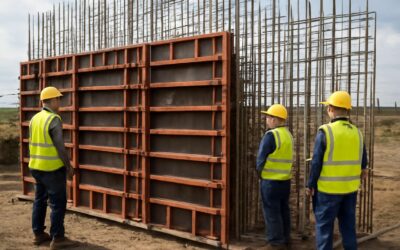
In the intricate dance of construction, formwork for concrete beam emerges as both an art and a science—an essential framework that shapes the very foundation of our structures. It’s more than just a mold; it’s a silent guardian that holds the weight of our ambitions, ensuring each beam is cast with precision and stability. Without it, the delicate balance of strength and durability collapses into chaos, risking the integrity of entire edifices.
Understanding the purpose of formwork for concrete beam reveals a deeper truth: it’s a temporary yet vital component that guides the hardening process, maintaining the desired shape while the concrete gains strength. This process involves meticulous planning and execution, where the formwork must withstand the immense pressure exerted by wet concrete. Proper formwork guarantees not only dimensional accuracy but also safety on-site, making it the backbone of every successful construction project.
- Structural stability during curing
- Shape and size enforcement
- Ease of removal and reusability
Types of Formwork for Concrete Beams
Understanding formwork for concrete beam is akin to exploring the enchanted scaffolding of a mythical fortress; it is the guardian that shapes the very soul of our structures. The realm of formwork is diverse, each type crafted for specific needs, landscapes, and architectural visions. Among these, the most prevalent are traditional timber formwork, steel formwork, and modular systems—each bringing its own blend of strength, versatility, and ease of reuse.
Timber formwork, often hailed for its adaptability, molds itself seamlessly to complex shapes and is favored in projects where intricate detailing is paramount. Steel formwork, on the other hand, provides unparalleled durability and precision, making it ideal for large-scale, repetitive casting. Modular formwork systems, with their quick assembly and disassembly, bring a touch of modern magic—shortening construction timelines and reducing waste.
In the grand tapestry of construction, selecting the appropriate formwork for concrete beam transforms a mere blueprint into a living, breathing monument. The choice hinges upon factors such as project scale, budget, and the desired finish, weaving practicality with artistry in every pour. As the story unfolds, the mastery of formwork becomes the cornerstone upon which dreams are cast into reality.
Materials Used in Formwork
The materials used in formwork for concrete beams are as diverse as the landscapes they shape, each chosen for its unique properties and compatibility with specific project requirements. The integrity of the concrete beam hinges on the quality and suitability of the formwork materials, ensuring a flawless finish and structural stability. Timber remains a popular choice, valued for its flexibility and ease of customization, especially when intricate detailing is needed. Steel formwork, with its robustness and precision, offers an enduring solution for large-scale projects requiring repetitive casting and superior surface quality.
Modern construction also embraces modular systems, which are designed for quick assembly and disassembly, reducing labor costs and accelerating timelines. These systems often combine materials such as aluminum and high-strength plastics, creating a lightweight yet durable formwork for concrete beam. To streamline the process, some projects incorporate a combination of these materials, tailoring the formwork to meet complex architectural visions while maintaining cost-effectiveness.
- Timber for its adaptability and ease of shaping
- Steel for durability and precision
- Modular systems for efficiency and speed
Understanding the nuances of formwork for concrete beam materials is essential for achieving the desired aesthetic and structural integrity. When selecting the perfect materials, factors like environmental conditions, project scale, and budget come into play, guiding the architect’s hand toward a masterpiece that endures through time’s relentless march. In South Africa’s vibrant construction landscape, the right formwork material transforms visions into tangible reality, celebrating both craftsmanship and innovation.
Design Considerations for Concrete Beam Formwork
Structural Requirements and Load-Bearing Capacity
In the intricate dance of constructing a sturdy concrete beam, the design considerations for the formwork for concrete beam are paramount. South African builders know that a well-engineered formwork ensures not only the structural integrity but also the safety of the entire project. The load-bearing capacity of the formwork must be meticulously calculated to withstand the weight of wet concrete and the pressure exerted during pouring. Overlooking these factors can lead to catastrophic failures, causing delays and soaring costs.
Structural requirements go beyond mere strength; they demand precision in alignment, surface finish, and ease of removal. The formwork must support the concrete until it gains sufficient strength—normally around 28 days—without deforming or collapsing. For complex beam designs, incorporating adjustable and reusable components can significantly enhance efficiency. When designing the formwork for concrete beam, it’s essential to consider the specific load scenarios, including live loads, dead loads, and environmental influences like wind and seismic activity prevalent in South Africa’s diverse landscape.
Beam Dimensions and Reinforcements
Crafting the perfect formwork for concrete beam is an art that balances precision with ingenuity. The dimensions of the beam—not just its length and width, but also its depth—must be meticulously designed to accommodate structural reinforcements and load demands specific to South African construction standards. In many cases, the beam’s reinforcement bars are the backbone of its strength, ensuring it can resist tension and shear forces effectively.
When planning the formwork for concrete beam, consider incorporating reinforcement details into the design early on. This involves creating cavities or channels within the formwork to house steel reinforcements, which must be positioned accurately to prevent future structural issues. The formwork must also allow for the installation of these reinforcements without compromising its integrity. For complex beams, adjustable formwork components can be invaluable, enabling modifications during construction and ensuring the precise placement of reinforcements.
To streamline this process, many South African builders prefer a methodical approach, often utilizing an ordered list:
- Determine the beam’s cross-sectional dimensions based on load calculations.
- Design reinforcement placement to optimize structural performance.
- Incorporate reinforcement channels into the formwork to facilitate accurate positioning.
- Ensure the formwork for concrete beam is capable of supporting the combined weight of wet concrete and reinforcements during pouring.
Ultimately, the harmony between beam dimensions and reinforcements within the formwork setup not only guarantees safety but also enhances efficiency on site—turning a complex task into a seamless symphony of construction mastery. This is where the true magic of formwork for concrete beam unfolds, laying the foundation for resilient and enduring structures across South Africa’s diverse landscapes.
Ease of Installation and Removal
In the intricate dance of construction, the ease with which formwork for concrete beam can be installed and removed often determines the rhythm of progress. An elegant design transforms what could be a cumbersome ordeal into a seamless ballet—saving time, reducing labor costs, and ensuring precision at every stage. When formwork is thoughtfully conceived, it acts as both a sturdy stage and a delicate mold, holding the wet concrete in perfect harmony until it sets.
Flexibility is paramount. Incorporating adjustable components within the formwork allows for modifications during construction, accommodating unforeseen adjustments without compromising structural integrity. This adaptability is especially vital in South African landscapes, where projects often demand innovative solutions amidst diverse environmental challenges.
To optimize installation and removal, consider these key aspects:
- Design for quick assembly with modular elements that lock into place effortlessly.
- Ensure the formwork is lightweight yet durable, facilitating safe handling by crews.
- Use high-quality, reusable materials to streamline dismantling, reducing waste and expense.
Ultimately, the sculpting of formwork for concrete beam—crafted with both foresight and finesse—elevates a routine task into an artful process. When the formwork’s design aligns with the demands of installation and removal, it paves the way for resilient structures that stand the test of time across South Africa’s vibrant terrains. The secret lies in the harmony between form and function, where practicality meets poetic precision in every pour.
Safety and Compliance Standards
In the intricate craftsmanship of building durable structures, safety and compliance standards for formwork for concrete beam are not just formalities—they are the very foundation of trust and resilience. South African construction sites, with their unique blend of terrains and climates, demand meticulous attention to these standards. Ensuring that formwork design adheres to local safety regulations protects workers and guarantees the integrity of the finished structure.
When considering design elements for formwork for concrete beam, focus on stability and the ability to withstand the load of wet concrete. Incorporating features like secure fastenings and robust anchoring points minimizes the risk of accidents during installation and removal. Compliance with standards such as SANS 10160 and Occupational Health and Safety Act ensures that every step aligns with national safety protocols.
Striking a balance between safety and efficiency involves selecting high-quality, reusable materials that meet environmental and safety criteria. A thoughtful approach to formwork design—emphasizing safety, durability, and adherence to compliance standards—transforms a routine task into a testament of craftsmanship and care. In South Africa’s vibrant construction landscape, such conscientiousness is the key to building not just structures, but a legacy of safety and excellence.
Types of Formwork Systems for Concrete Beams
Traditional Timber Formwork
In the shadowed corridors of construction, where the essence of stability is forged in the darkness, traditional timber formwork for concrete beam remains a venerable choice. Its rustic charm belies a quiet resilience, offering a tactile connection to the craftsmanship of bygone eras. This formwork for concrete beam, crafted from seasoned timber, provides a tangible, adaptable solution that has withstood the test of time, especially in regions like South Africa where versatility is paramount.
While modern innovations emerge with sleek steel and reusable plastics, the timeless allure of timber persists. Its ease of shaping allows for intricate designs and bespoke detailing, making it an invaluable asset for custom projects. The process involves carefully selecting timber planks, which are then assembled into formwork for concrete beam, ensuring a snug fit that holds the concrete in place until it reaches its full strength. For those seeking reliability and a touch of tradition, timber formwork offers both function and a whisper of the past in every beam cast.
Modular Formwork Systems
Modular formwork systems for concrete beams have revolutionized the way construction professionals approach formwork for concrete beam projects. Unlike traditional setups, modular systems offer unmatched speed, precision, and adaptability, making them ideal for both small-scale and large-scale developments. These systems consist of pre-engineered panels and components that can be quickly assembled and disassembled, significantly reducing labor time and costs.
What makes modular formwork for concrete beam stand out is its versatility. The standardized components can be configured to accommodate a variety of beam sizes and shapes, ensuring a perfect fit every time. This flexibility is especially crucial in South Africa, where diverse architectural styles demand adaptable solutions. The durability of high-quality materials used in modular formwork guarantees a safe, reliable, and reusable formwork for concrete beam, capable of withstanding multiple cycles of use.
- Speedy installation and removal
- Enhanced safety features
- Cost efficiency over time
With modular formwork systems, construction projects can achieve faster turnaround times without compromising structural integrity. Whether for residential, commercial, or infrastructure projects, these systems are shaping the future of formwork for concrete beam—delivering precision, reliability, and innovation in every pour.
Slip Formwork
When it comes to formwork for concrete beams, slip formwork emerges as an elegant solution—particularly suited for projects demanding continuous, seamless pours. Unlike traditional systems that require painstaking assembly, slip formwork glides upward as the concrete sets, dramatically reducing construction time. This technique is especially beneficial in large-scale infrastructure projects across South Africa, where efficiency and safety are paramount.
Slip formwork operates on a simple yet sophisticated principle: a continuous, self-propelling mold that moves in tandem with concrete curing. Its design minimizes joints and defects, ensuring a smooth, uniform beam surface. For those seeking to elevate their construction game, this method offers a remarkable combination of speed and precision. Here are some advantages:
- Rapid installation and removal, saving valuable time
- Fewer joints translating into enhanced structural integrity
- Reduced labor costs and safety risks
In the vast and diverse landscape of South African construction, slip formwork for concrete beams exemplifies innovation—delivering impeccable results while respecting tight schedules and budgets. Truly, it’s the epitome of modern formwork technology—refined, reliable, and ready to meet the demands of any project size or complexity.
Lift and Drop Formwork
When it comes to formwork for concrete beams, the options are as diverse as the landscapes of South Africa itself. Among the various systems, lift and drop formwork stand out as a dynamic solution, especially suited for projects where speed and adaptability are crucial. This type of formwork allows for rapid elevation and lowering, making it ideal for repetitive tasks in multi-story constructions or large infrastructure projects. The flexibility it offers can significantly cut down construction timelines while maintaining precision.
Lift and drop formwork operates through a systematic process: sections of the formwork are lifted to the next level once the concrete has gained sufficient strength, then dropped or repositioned for the subsequent pour. This cyclical movement is powered either manually or mechanically, depending on project scale. It’s an efficient method that minimizes downtime and enhances safety, crucial components in the demanding construction environment of South Africa.
- Ease of installation and dismantling, which accelerates project schedules
- Reusable components that reduce overall costs
- Design adaptability for various beam shapes and sizes
For contractors seeking innovative and reliable solutions for their concrete beam projects, lift and drop formwork offers a compelling blend of practicality and performance. Its versatility ensures it can adapt to complex architectural demands while upholding the safety standards vital in South African construction sites. Truly, this system exemplifies the evolution of modern formwork for concrete beam, combining efficiency with meticulous craftsmanship.
Step-by-Step Process of Installing Formwork for Concrete Beams
Preparation and Site Setup
Setting up formwork for concrete beams is a meticulous process, vital to ensuring the structural integrity of any construction project. In South Africa’s rugged terrain, where every beam must withstand the weight of both nature and progress, proper site setup becomes an art form. The first step involves clearing the site and establishing a level foundation that will support the formwork for concrete beam securely. This preparation phase is crucial to prevent any shifts or misalignments during pouring, which could compromise the entire structure.
Once the foundation is ready, the next phase is assembling the formwork itself. This involves carefully measuring and cutting materials, often timber or modular systems, to match the specific dimensions of the beam. For added safety and efficiency, some projects incorporate temporary bracing and support structures. To streamline the process, consider these key steps:
- Marking the layout according to engineering drawings
- Constructing the formwork panels with precise measurements
- Securing the formwork with appropriate supports and braces
- Checking for levelness and alignment before pouring
This step-by-step approach ensures that the formwork for concrete beam is not only stable but also capable of delivering a flawless finish. When each stage is executed with care, it transforms raw materials into the backbone of resilient infrastructure—a testament to the craftsmanship behind every sturdy South African building.
Formwork Assembly and Securing
Installing formwork for concrete beam is akin to orchestrating a ballet—precision, timing, and a dash of patience are essential. The process begins with assembling the formwork, which demands meticulous measurement and cutting of materials, whether timber or modular systems. This ensures the formwork for concrete beam fits like a glove, ready to handle the weight of the poured concrete without trembling in its boots.
Securing the formwork is the next critical step. Supports and braces are employed to keep everything in perfect alignment—think of them as the unsung heroes holding up a stage during a drama performance. To avoid any unwelcome surprises, it’s wise to double-check the levelness and alignment before the concrete makes its grand entrance. This step guarantees that the final beam is flawlessly shaped and structurally sound.
- Measure and mark the layout precisely according to engineering drawings.
- Construct the formwork panels, ensuring dimensions match the beam specifications.
- Secure the formwork using appropriate supports and braces for added stability.
- Check for levelness and alignment—no shortcuts here!
When each step is executed with the finesse of a master craftsman, the formwork for concrete beam transforms from mere wooden or modular panels into the backbone of resilient infrastructure. Because in South Africa’s rugged terrain, a sturdy formwork isn’t just a luxury—it’s the foundation of every dependable building project.
Placement of Reinforcements
The process of installing formwork for a concrete beam is an intricate dance that transforms raw materials into the skeletal framework of sturdy infrastructure. Once the layout is precisely measured and marked according to engineering drawings, the next step is to construct the formwork panels, ensuring they match the dimensions specified for the beam. This step is crucial, as accuracy here directly influences the final structural integrity.
Securing the formwork involves employing supports and braces—these are the silent guardians that uphold the formwork for concrete beam during the pour. With everything firmly in place, a thorough check for levelness and alignment ensures perfection before the concrete is introduced.
Placement of reinforcements is the next vital phase, where steel bars are carefully positioned within the formwork to strengthen the beam. To streamline this process, consider the following steps:
- Position the reinforcement bars according to design specifications.
- Use spacers to maintain proper cover and prevent steel from touching the formwork.
- Secure the reinforcements firmly to prevent displacement during concrete pouring.
This meticulous orchestration guarantees that the formwork for concrete beam not only holds its shape but also plays a pivotal role in ensuring the durability and load-bearing capacity of the finished structure. In South Africa’s diverse terrain, such precision in formwork installation is essential to building resilient and lasting structures.
Concrete Pouring and Curing
Installing formwork for concrete beams is a critical step that demands precision and attention to detail. Once the reinforcement is securely placed, the formwork panels are carefully assembled to match the beam’s exact dimensions. This ensures the structural integrity of the final product. Proper securing with supports and braces keeps the formwork stable during pouring, preventing any movement that could compromise the shape.
Before pouring concrete, a thorough check for levelness and alignment must be conducted. This step guarantees the formwork for concrete beam maintains its intended position. When everything is set, concrete is poured in stages, often using a vibratory method to eliminate air pockets and ensure compaction. Curing begins immediately after pouring, maintaining moisture levels for optimal strength development. The entire process hinges on meticulous formwork installation, which directly influences the durability and load-bearing capacity of the finished structure.
Removing Formwork After Curing
Once the concrete has been given its time to set and cure, the moment of revelation draws near—removing the formwork for concrete beam. This phase demands a delicate balance of patience and precision, as premature removal can jeopardize the entire structure. Carefully, the supports and braces are gradually detached, revealing the freshly cured beam beneath. It’s a process that transforms a temporary mold into a testament of craftsmanship.
Typically, the formwork for concrete beam is removed in stages, starting from the top and working downward. This controlled dismantling preserves the integrity of the beam, preventing any undue stress. In some cases, employing a systematic sequence, such as:
- Detaching formwork from the sides first, then
- Removing the bottom formwork last,
ensures that the beam retains its shape and load-bearing capacity. Once the formwork is fully peeled away, a detailed inspection follows—checking for surface defects or cracks that may have developed during curing. The meticulous removal process not only preserves the structural qualities but also ensures the longevity of the concrete beam in its final application.
Best Practices and Tips for Effective Formwork
Ensuring Proper Alignment and Leveling
Amidst the shadowed corridors of construction, the integrity of a concrete beam hinges on the unseen but vital artistry of proper formwork. Ensuring proper alignment and leveling is no mere task; it is an act of precision that transforms raw materials into a testament of engineering mastery. When formwork for concrete beam is meticulously secured, the resulting structure stands as a silent guardian against the chaos of collapse and disarray.
Diligent attention to detail during assembly can mean the difference between a flawless beam and a wretched failure. To maintain the integrity of your formwork for concrete beam, employ these best practices:
- Use tight, uniformly spaced ties to prevent displacement.
- Regularly check levels with a laser or spirit level to maintain perfect horizontality.
- Adjust supports incrementally, ensuring the formwork remains true to the design specifications.
- Seal joints meticulously to avoid leaks that can compromise the concrete’s surface and structural integrity.
In the darkness of complex projects, a steady hand and an eye for detail forge the backbone of enduring structures—where the formwork for concrete beam becomes both shield and scaffold, guiding the concrete into its destined form.
Managing Formwork Supports and Stakes
Mastering the art of managing formwork supports and stakes is where precision meets patience. A well-supported formwork for concrete beam not only ensures stability during the pour but also preserves the integrity of the final structure. When supports are carefully planned and meticulously positioned, they act as silent sentinels, holding the formwork in perfect alignment against the relentless force of wet concrete.
Effective management hinges on understanding the subtle interplay between temporary supports and the inherent weight of the material. To streamline this process, consider implementing a systematic approach such as:
- Assessing load distribution meticulously to prevent any sagging or displacement.
- Using adjustable supports for incremental fine-tuning, especially in complex or uneven terrains.
- Securing stakes tightly and at consistent intervals to maintain uniform support, which is vital for the structural fidelity of your formwork for concrete beam.
In the demanding environment of construction, the role of stakes and supports extends beyond mere stability—they act as an invisible framework that guides the concrete into its precise form. Paying close attention to these elements transforms raw support into a backbone of durability, ensuring every beam emerges flawless and true to design.
Preventing Formwork Leakage and Damage
Effective formwork for concrete beam isn’t just about the initial setup—it’s about safeguarding the entire construction process. One of the most overlooked aspects is preventing formwork leakage and damage, which can compromise the final structure and lead to costly repairs. Ensuring tight seals between formwork panels and meticulous inspection before pouring are crucial steps. Small gaps can cause concrete to seep out, weakening the beam’s integrity and increasing the risk of future cracking.
To minimize these issues, consider using high-quality sealants and gaskets designed specifically for formwork systems. Regularly checking the formwork before and after each pour helps catch potential weaknesses early. Remember, sturdy formwork for concrete beam must withstand the lateral pressure of wet concrete—any damage or leakage can cause misalignment or collapse.
Implementing these best practices promotes durability and precision in every beam cast. Proper handling of formwork for concrete beam ensures a safer build, saving time and resources in the long run. When formwork is managed with care, it becomes a silent guardian—supporting the structural integrity of your project from start to finish.
Monitoring During Concrete Curing
Monitoring formwork for concrete beam during the curing process is often overlooked, yet it is essential for ensuring structural integrity. Proper oversight helps identify potential issues early, preventing costly mistakes down the line. Regular visual inspections can reveal small cracks or deformation, which, if left unchecked, may compromise the entire beam’s stability.
One effective best practice is to establish a routine check schedule—both during and after the curing phase. Pay close attention to the alignment and support systems, as any shifts here can lead to uneven curing or misalignment. Using proper monitoring tools, such as level gauges and strain sensors, can provide real-time insights into the formwork’s condition. This proactive approach ensures the formwork for concrete beam remains secure and intact, supporting the concrete as it sets.
In some cases, employing a simple numbered checklist can streamline the process:
- Inspect for any signs of leakage or seepage from the formwork for concrete beam.
- Verify the alignment and levelness against project specifications.
- Check the stability of formwork supports and stakes.
- Assess the condition of sealants and gaskets for potential deterioration.
By maintaining vigilant oversight and embracing these best practices, construction teams can significantly reduce the risk of deformities and ensure that the final concrete beam meets the desired standards of quality and safety. Effective formwork monitoring isn’t just about craftsmanship; it’s a safeguard for durable, long-lasting structures on South African sites and beyond.
Maintenance and Reusability of Formwork
Cleaning and Storage Procedures
Maintaining the integrity of formwork for concrete beam is essential for ensuring safety and durability on the construction site. Proper cleaning and storage procedures can significantly extend the lifespan of reusable formwork, reducing overall costs and material waste. A well-maintained formwork system not only guarantees precise alignment during future projects but also minimizes the risk of structural failures caused by compromised materials.
After each use, it’s crucial to thoroughly clean all components to remove concrete residue, dirt, and debris. Neglecting proper cleaning can lead to surface imperfections in subsequent pours, jeopardizing the quality of the finished beam. Once cleaned, formwork for concrete beam should be stored in a dry, covered area to prevent weather-related damage, such as warping or corrosion. Implementing a systematic storage procedure ensures that formwork remains in optimal condition for reuse, maintaining consistent results across projects.
For long-term durability, some companies opt for a reusability assessment, checking for cracks, deformations, or weakened joints before reusing the formwork. This proactive approach can prevent costly repairs and delays. Here are key steps to keep in mind:
- Inspect all surfaces for damage or deterioration
- Use appropriate cleaning agents that do not compromise material integrity
- Store formwork vertically or on racks to avoid deformation
- Label and organize components for easy identification and quick reassembly
Adhering to these cleaning and storage procedures ensures that every formwork for concrete beam remains a reliable component of your construction process, supporting both safety standards and project efficiency. It’s a small investment that pays off in seamless reusability and structural excellence.
Inspecting for Wear and Damage
In the intricate dance of construction, the longevity and performance of formwork for concrete beam hinge profoundly on vigilant inspection for wear and damage. Each component bears the silent testimony of countless pours, and over time, subtle fractures or deformations can erode the structural fidelity required for a flawless beam. Recognizing these telltale signs is not merely routine; it’s essential to preempt failures that could compromise entire projects.
Inspecting for damage involves a meticulous eye—searching for cracks, warping, or weakened joints that might not be immediately apparent but threaten the integrity of the formwork for concrete beam. If left unchecked, such flaws can lead to surface imperfections, misalignments, or even catastrophic failure during the subsequent pouring process. The process becomes even more critical when considering reusable formwork systems, where minor damage can cascade into costly repairs and delays.
To foster durability and reusability, some companies adopt a systematic approach, including:
- Regular visual assessments after each use
- Checking for deformation or cracks in essential components
- Assessing joint stability and connection tightness
This proactive vigilance ensures that every piece of formwork for concrete beam remains a trustworthy element of the construction cycle, supporting both safety standards and project efficiency. In the end, the true artistry lies in the careful stewardship of these materials—transforming raw components into the silent architects of structural excellence.
Refurbishing Used Formwork
In the world of construction, the longevity of your formwork for concrete beam can make or break the project’s budget—and reputation. Reusing formwork is not just a matter of saving money; it’s about sustainability, efficiency, and keeping your construction timeline intact. Proper maintenance transforms worn-out components into reliable allies, ensuring each pour is as perfect as the first.
Refurbishing used formwork for concrete beam involves a systematic approach—cleaning off residual concrete, inspecting for cracks or warping, and repairing minor damages before storage. Some companies even implement a
- routine assessment schedule
- replacement of compromised components
to prolong the lifespan of their formwork systems. This proactive attitude ensures that formwork remains a trustworthy element, ready to support the weight of the next concrete pour without a hitch.
By investing in proper refurbishment techniques and diligent storage practices, construction teams in South Africa can maximize their formwork for concrete beam’s reusability. It’s not just about avoiding costly replacements; it’s about turning raw materials into silent heroes of structural integrity—ready for the next project with minimal fuss and maximum durability.
Cost-Effectiveness and Sustainability
In the bustling realm of South African construction, the true value of formwork for concrete beam lies in its reusability and maintenance. When properly looked after, these sturdy molds can stretch their lifespan, turning what might seem like disposable scaffolding into a long-term investment. This isn’t just about saving a few rand; it’s about championing sustainability while keeping project costs in check.
Effective maintenance of formwork for concrete beam involves routine inspection, cleaning off residual concrete, and repairing minor damages before storage. By adopting a proactive approach—think of it as giving your formwork a spa day—you ensure each component remains dependable for multiple pours. Some contractors even create scheduled assessments, replacing worn parts before they turn into costly nightmares. This approach not only prolongs the lifespan but also guarantees safety and precision during each pour.
Embracing reusability isn’t just eco-friendly; it’s downright economical. When formwork for concrete beam systems are kept in prime condition, construction teams in South Africa can significantly reduce waste and material costs. Plus, the effort invested in refurbishing these systems pays off by minimizing downtime and maintaining project timelines. After all, a well-maintained formwork system is the silent hero supporting the structural integrity of every project—ready to perform flawlessly, pour after pour.
Advantages of Using Quality Formwork Systems
Enhanced Structural Integrity
When it comes to constructing sturdy and reliable concrete beams, the advantages of employing a high-quality formwork for concrete beam cannot be overstated. These systems not only streamline the construction process but also significantly bolster the structural integrity of the final product. With precision-engineered formwork, the risk of misalignment diminishes, ensuring that each beam adheres to exact specifications—an essential factor in South Africa’s diverse building landscape.
Enhanced structural integrity is achieved through superior formwork, which guarantees uniform load distribution and minimizes the likelihood of cracking or deformation. This is particularly crucial in regions prone to seismic activity or heavy load requirements. The durability of the formwork itself directly influences the longevity of the concrete beam, making it a vital investment for long-term stability.
- Accurate shaping and smooth finishes
- Reduced labor costs due to easier installation and removal
- Consistent quality across multiple projects
By choosing advanced formwork systems for concrete beams, construction professionals in South Africa can enjoy a seamless blend of efficiency and resilience—an essential combination in today’s competitive construction industry. The result? Concrete beams that stand the test of time, built on the foundation of impeccable formwork.
Reduced Construction Time
In the fast-paced world of construction, time is money—especially when building durable concrete beams that must withstand South Africa’s diverse climate. One of the most significant advantages of utilizing high-quality formwork for concrete beam is the drastic reduction in construction time. These advanced systems enable quicker setup and removal, allowing projects to progress seamlessly without sacrificing precision or safety.
By streamlining the process, skilled workers spend less time on intricate assembly and disassembly, leading to substantial labor cost savings. Moreover, formwork for concrete beam systems, such as modular and slip formwork, facilitate continuous pouring cycles, further shaving down project timelines. This efficiency doesn’t just benefit the bottom line—it also accelerates project completion, ensuring that infrastructure, commercial, or residential developments are ready for use sooner. Ultimately, choosing the right formwork system translates to faster delivery times and more competitive bids in South Africa’s bustling construction market.
Cost Savings
Investing in high-quality formwork for concrete beam systems is a game changer when it comes to cost savings on construction projects. These innovative systems are designed to maximize efficiency, reducing the need for extensive labor and minimizing material wastage—two critical factors in South Africa’s competitive construction landscape. By choosing durable, reusable formwork, contractors can significantly cut down on expenses associated with single-use materials and frequent replacements.
Furthermore, superior formwork systems streamline the entire construction process. They allow for faster assembly and disassembly, decreasing overall project timelines and lowering overhead costs. In addition to direct financial benefits, this efficiency translates into less site congestion and reduced equipment rental durations. For projects aiming for optimal cost-effectiveness, selecting the right formwork for concrete beam is essential—delivering not only savings but also enhanced project quality and safety.
Safety Improvements
Choosing high-quality formwork for concrete beam not only enhances efficiency but also significantly improves safety on the construction site. When formwork systems are designed with precision and durability, they create a stable environment that minimizes the risk of accidents caused by failure or collapse. This reliability is crucial, especially in South Africa’s dynamic construction sector, where safety standards are increasingly prioritized.
Superior formwork systems incorporate advanced features such as robust supports and secure fastening mechanisms, which help prevent unexpected shifts or detachment during the pouring process. This stability reduces the likelihood of injuries to workers and ensures that the concrete beam is formed accurately, maintaining the structural integrity of the entire project. In essence, investing in quality formwork for concrete beam is an investment in safety—protecting both personnel and project timelines.
Moreover, modern formwork for concrete beam often includes safety enhancements like easy-to-access release points and clear assembly instructions. These features facilitate quicker, safer installation and removal, reducing the risk of mishaps during these critical stages. When safety is built into the design, it fosters a culture of caution and responsibility that resonates throughout the construction process.
Innovations and Future Trends in Formwork Technology for Concrete Beams
Automated and Mobile Formwork Solutions
Innovations in formwork technology are revolutionizing the way construction professionals approach concrete beam projects in South Africa. Automated and mobile formwork solutions are setting new standards for efficiency and precision, reducing labor costs and accelerating project timelines. These advancements enable rapid deployment, seamless adjustments, and enhanced safety, all while maintaining the structural integrity required for durable concrete beams.
One of the most exciting trends is the integration of automation, allowing formwork for concrete beam to be remotely controlled or programmed for repetitive tasks. This minimizes human error and boosts productivity on busy construction sites. Additionally, mobile formwork systems, equipped with modular components, facilitate quick setup and dismantling, making them ideal for projects requiring frequent changes or complex geometries.
- Robotic formwork systems for complex beam shapes
- Self-climbing formwork integrated with IoT sensors for real-time monitoring
- Lightweight, high-strength materials that extend the lifespan of formwork for concrete beam
As the construction sector in South Africa evolves, these innovative solutions promise to deliver unmatched versatility, safety, and cost-effectiveness, shaping the future of formwork for concrete beams beyond traditional methods. The push towards automation and mobility heralds a new era where construction becomes faster, smarter, and more sustainable than ever before.
Sustainable and Eco-Friendly Materials
In the relentless pursuit of sustainable construction, the evolution of formwork for concrete beams is driven by an urgent need to marry durability with ecological responsibility. Innovations in eco-friendly materials are charting a new course, where the environmental footprint of formwork systems diminishes without compromising structural integrity. Recycled plastics, bamboo composites, and high-strength biodegradable polymers are increasingly replacing traditional timber, offering a compelling synergy between resilience and sustainability.
These advancements aren’t merely about green credentials; they translate into tangible benefits such as extended lifespan, reduced waste, and lower carbon emissions. As South Africa’s construction sector embraces these eco-conscious options, the future of formwork for concrete beam becomes inherently more resilient and aligned with global sustainability goals.
Furthermore, integrating sustainable materials with high-tech features like IoT sensors and modular design principles paves the way for smarter, greener construction practices. The focus is shifting from mere efficiency to a holistic approach—where innovation, environmental stewardship, and economic viability coalesce seamlessly. This evolution signifies a pivotal moment, transforming traditional formwork into a vital component of sustainable infrastructure development!
Smart Monitoring and Safety Features
In the shadowed corridors of modern construction, innovations in formwork for concrete beam are emerging like spectral whispers from the future. Smart monitoring systems now embed IoT sensors directly into the formwork, providing real-time data on stress, temperature, and curing progress. These technological marvels elevate safety standards and prevent catastrophic failures before they manifest—transforming the formwork for concrete beam into a vigilant guardian rather than a mere mold.
As the industry leans into the promise of automation, mobile and modular formwork systems are becoming more prevalent, offering unparalleled flexibility and efficiency. These advancements not only reduce labor costs but also minimize human error, ensuring the structural integrity of each beam. The future of formwork for concrete beam hinges on integrating these high-tech features seamlessly with sustainable, eco-friendly materials—enabling the construction of resilient infrastructure that whispers of both innovation and responsibility.
Customization and Prefabrication Advances
Innovation in formwork for concrete beam is no longer confined to incremental improvements; it’s evolving into a symphony of customization and prefabrication that redefines efficiency on construction sites. Advanced digital modeling now allows for bespoke formwork designs tailored precisely to complex beam geometries, reducing waste and accelerating setup times. Prefabricated modules, engineered off-site, are swiftly assembled on-site, dramatically cutting down labor costs and minimizing delays. These innovations facilitate a level of precision that was once the realm of imagination, ensuring each concrete beam emerges flawlessly aligned and perfectly cured.
Looking ahead, the trajectory of formwork technology leans into automation—where robotic systems and modular components converge to deliver unparalleled flexibility. The integration of sustainable, eco-friendly materials into these systems not only supports green building initiatives but also enhances durability and lifespan. As the industry gravitates toward highly adaptable solutions, the focus on customization and prefabrication in formwork for concrete beam will continue to grow, promising a future where construction is faster, safer, and more resilient than ever before.


0 Comments