
Understanding the Importance of Formwork Systems
Definition and Role of Formwork in Construction
In the grand symphony of construction, the formwork system stands as the silent conductor, orchestrating the shape and stability of our built environment. It is more than mere scaffolding; it is the very blueprint brought to life—an intricate dance of engineering precision and creative vision. Without a robust formwork system, the majestic structures we admire would remain but dreams, fleeting and unformed.
Understanding the role of a formwork system in construction reveals its vital importance. It acts as the temporary mold that supports wet concrete until it gains enough strength to stand alone, echoing the delicate balance between chaos and order. This system ensures that every pillar, beam, and wall emerges with unwavering accuracy, defining the form and function of the final masterpiece.
- Provides structural support during the curing process
- Ensures dimensional accuracy and surface quality
- Allows for efficient reuse, reducing waste and cost
Benefits of Using Modern Formwork Systems
In the world of construction, the allure of modern formwork systems lies in their ability to transform raw ambition into durable reality with astonishing finesse. These systems are not just temporary molds; they are the silent architects of precision, ensuring every curve and corner aligns seamlessly. When harnessed correctly, a formwork system can dramatically elevate the quality and speed of building projects, especially in South Africa’s dynamic construction landscape.
One of the most enchanting benefits of using modern formwork systems is their versatility. They adapt to complex architectural designs, allowing for intricate structures that once seemed impossible. Furthermore, these systems are engineered for reuse, making them an eco-friendly choice that reduces waste and cuts costs. This aspect is particularly vital in our resource-conscious environment, where sustainability and efficiency walk hand in hand.
Did you know that advanced formwork system innovations can reduce construction timelines by up to 30%? This acceleration not only boosts productivity but also minimizes disruption within bustling urban areas. For engineers and builders alike, the strategic deployment of a formwork system becomes an art form—balancing durability, speed, and aesthetic finesse in a symphony of construction mastery.
Types of Construction Projects That Rely on Formwork
In the intricate ballet of construction, the formwork system emerges as both a silent conductor and an unsung hero, shaping not just concrete but the very essence of architectural vision. Its importance transcends mere utility, embodying a strategic keystone in projects that demand precision and ingenuity. Particularly in South Africa, where urban landscapes evolve at a frenetic pace, understanding the diverse types of formwork systems becomes paramount for developers and engineers alike.
Various construction projects hinge on the versatility of the formwork system—ranging from towering skyscrapers piercing the skyline to intricate bridge supports weaving through bustling cityscapes. For high-rise developments, the formwork system must withstand immense vertical loads while allowing rapid cycle times. In residential or commercial complexes, adaptable formwork systems facilitate complex curves and unique facades that elevate the aesthetic appeal. Here, the choice of formwork system can be the decisive factor between a project that is merely completed and one that is celebrated.
- Reinforced concrete structures
- Bridges and overpasses
- Foundations and basements
Each of these construction endeavors relies heavily on the precision, efficiency, and durability of the formwork system. Its role is not just to mold concrete; it embodies the architectural intent, ensuring that every line, curve, and detail aligns flawlessly. As the construction sector in South Africa continues to push the boundaries of innovation, the strategic deployment of a well-designed formwork system becomes both an art and a science—integral to transforming blueprints into resilient realities.
Types of Formwork Systems
Traditional Timber Formwork
Traditional timber formwork remains a stalwart in the realm of construction, especially within South Africa’s vibrant building landscape. Its timeless appeal lies in the natural versatility of wood, allowing craftsmen to craft intricate shapes and seamless finishes that modern materials often struggle to replicate. This formwork system offers a tangible connection to craftsmanship, where each timber plank tells a story of precision and durability.
While contemporary formwork systems have gained popularity, traditional timber formwork is praised for its cost-effectiveness and ease of customization on-site. Its eco-friendly nature, when sourced responsibly, aligns well with sustainable building practices. For projects requiring a delicate touch or complex geometries, timber formwork provides an unmatched level of control, making it a preferred choice for many local builders.
Key advantages of this formwork system include:
- Ease of assembly and dismantling
- Availability of materials across South Africa
- Ability to adapt to unique architectural designs
Modular and Panel Formwork
When it comes to efficient and adaptable construction, modular and panel formwork systems have become game changers. These modern formwork systems are designed for speed, precision, and reuse, making them ideal for large-scale projects across South Africa. Unlike traditional methods, they offer a level of consistency that reduces waste and minimizes on-site labor.
Modular formwork systems consist of pre-fabricated units that can be easily assembled and adjusted to fit various shapes and sizes. This flexibility allows for quick modifications, saving valuable time during construction. Panel formwork, on the other hand, uses large, flat panels that create smooth, high-quality finishes with minimal effort. Both systems are favored for their ability to streamline workflows and improve safety on site.
Here are some reasons why these formwork systems are becoming increasingly popular:
- Reduced construction time due to faster assembly and dismantling
- High level of precision resulting in better-quality finishes
- Cost efficiency through reusable components
As South Africa’s construction industry evolves, integrating innovative formwork system solutions not only enhances productivity but also aligns with sustainable building practices. Whether it’s for skyscrapers or residential complexes, modular and panel formwork systems bring a new level of professionalism and practicality to the craft.
Accelerated and System Formwork
In the realm of construction, the evolution of the formwork system has unlocked new dimensions of efficiency and artistry. Among the most captivating variants are accelerated and system formwork, each weaving innovation into the fabric of building projects across South Africa. These systems transform what once was painstaking and time-consuming into a ballet of speed and precision.
Accelerated formwork system techniques harness the power of rapid assembly and dismantling, dramatically reducing construction timelines. With specially designed components that snap into place like a well-rehearsed performance, this approach allows for swift progress, especially in high-rise developments and urban landscapes. Meanwhile, system formwork offers a modular architecture—each piece interlocking seamlessly—culminating in a resilient, reusable structure that ensures consistent quality with every pour.
Imagine a construction site where the dance of concrete and steel is choreographed with effortless grace. Here, the formwork system becomes more than just a supporting actor; it evolves into the very heart of modern construction, promising sustainability, speed, and superior finishes at every turn. Whether for sprawling infrastructure or intricate residential complexes, these innovative systems are reshaping the skyline of South Africa with their silent promise of progress.
Flexible and Custom Formwork Solutions
In the enchanting realm of construction, flexibility is the key to transforming visions into reality. The **formwork system** offers a tapestry of solutions that adapt seamlessly to the unique contours of each project. For those seeking bespoke craftsmanship, flexible and custom formwork solutions are nothing short of magic—tailored to fit curves, intricate designs, and unconventional structures with ease.
These adaptable systems open a world of possibilities, allowing architects and engineers to push the boundaries of creativity. They can be designed to accommodate complex geometries or to replicate historic facades, all while maintaining the highest standards of safety and precision. The beauty of custom formwork lies in its ability to morph according to the project’s needs, ensuring that every pour is a masterpiece of accuracy.
For large-scale infrastructure or unique residential developments, these solutions often involve a combination of traditional craftsmanship and modern innovation. Here, the **formwork system** becomes a silent partner—flexing and shifting in harmony with construction demands. Whether it’s curved walls or intricate archways, flexible formwork solutions turn complex ideas into tangible, awe-inspiring structures.
Components and Materials Used in Formwork
Common Materials (Plywood, Steel, Aluminum)
When it comes to constructing a reliable formwork system, the components and materials used are the unsung heroes behind every sturdy wall and resilient slab. These materials must balance strength, durability, and ease of assembly — no small feat! If you’re picturing a haphazard pile of timber, think again. Modern formwork systems rely on a carefully curated selection of materials that ensure safety and precision on South African construction sites.
Among the most common materials are plywood, steel, and aluminum, each bringing its own set of advantages. Plywood, with its flexible and cost-effective nature, is a favorite for intricate shapes and quick setups. Steel, on the other hand, offers unmatched strength and longevity, making it ideal for large-scale projects where durability is paramount. Aluminum strikes a sweet spot — lightweight yet robust, perfect for modular systems that need to be assembled and disassembled with military efficiency.
- Durability
- Ease of handling
- Cost-effectiveness
- Reusability
Understanding these core components helps project managers optimize their formwork system, ensuring each project is finished on time, within budget, and with the kind of precision that makes engineers smile. After all, choosing the right materials isn’t just about saving costs — it’s about building trust, one formwork system at a time!
Key Components (Panels, Beams, Supports)
When it comes to constructing a robust and efficient formwork system, understanding the key components is essential. These components—panels, beams, and supports—serve as the backbone of any successful formwork setup. They must work seamlessly together to create precise molds for concrete, ensuring safety and stability during the pour. In South Africa, where construction demands can vary dramatically, selecting the right components can significantly influence project outcomes.
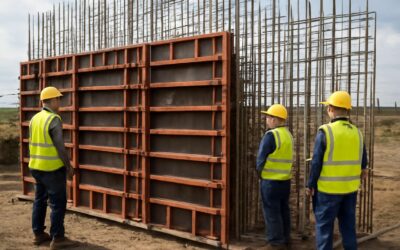
Panels are the visible surface that shapes the concrete structure, and they come in various materials, including plywood, steel, or aluminum. Beams provide horizontal stability, supporting the panels and distributing loads evenly. Supports, on the other hand, are the vertical elements that hold everything in place, preventing movement and ensuring alignment. These components are often designed for reusability, making them a cost-effective choice over multiple projects.
In modern formwork system design, the integration of these core components demands precision and adaptability. For example, modular panels can be quickly assembled and disassembled, reducing labor time and costs. To streamline operations, many projects incorporate formwork system components that are easily adjustable, allowing for complex shapes and sizes without sacrificing durability or safety. This flexibility is crucial in South Africa’s diverse construction landscape, where environmental conditions and project specifications vary widely.
Innovative Materials and Technologies
In the ever-evolving landscape of South African construction, the marriage of innovation and tradition fuels the future of formwork systems. Modern materials are transforming the way structures rise from the earth, creating a realm where durability and versatility reign supreme. Among these, advanced composites and hybrid materials are making their mark—offering lightweight strength and superior resistance to environmental stressors.
Innovative technologies such as high-performance polymers and fiber-reinforced plastics are now integral to cutting-edge formwork systems. These materials not only extend the lifespan of formwork components but also enhance safety and ease of handling. For instance, modular panels crafted from these advanced materials can be swiftly assembled into complex geometries, accommodating the diverse demands of South African construction projects.
Additionally, some formwork system manufacturers are incorporating smart features—like integrated sensors to monitor load and stability—ushering in a new era of precision and reliability. Such advancements ensure that every pour is executed with unwavering confidence, even amid South Africa’s unpredictable weather conditions.
Advantages of Modern Formwork Systems
Enhanced Safety and Efficiency
Modern formwork systems are revolutionizing the construction landscape, blending safety with efficiency like a well-choreographed dance. Gone are the days of cumbersome timber setups that tested patience and stamina. Today’s formwork system offers a streamlined approach, reducing construction time without sacrificing quality or safety standards.
One of the standout benefits of advanced formwork systems is their ability to elevate safety protocols on-site. Innovative locking mechanisms and lightweight materials mean fewer accidents and less downtime—keeping workers’ spirits high and injuries low. Plus, the increased precision of modern formwork ensures that concrete structures are perfectly aligned, which saves costly rework and boosts overall efficiency.
For those looking to maximize productivity, here’s a quick peek at how a top-tier formwork system can make a difference:
- Faster project turnaround times, allowing for tighter schedules and happier clients.
- Reduced labor costs thanks to easier handling and quicker assembly.
- Enhanced safety features that protect workers from common job-site hazards.
In the high-stakes world of construction, investing in a robust formwork system isn’t just smart—it’s essential for pushing projects forward with confidence and precision. After all, in the realm of concrete and steel, safety and efficiency aren’t just buzzwords—they’re the foundation of success!
Cost-Effectiveness and Time Savings
Modern formwork systems are transforming construction projects across South Africa, unlocking unprecedented levels of cost-effectiveness and time savings. By leveraging innovative materials and intelligent design, these systems drastically reduce the labor-intensive nature of traditional methods. The result? Shorter project timelines and a leaner budget, both crucial in today’s competitive landscape.
With a well-engineered formwork system, construction teams can achieve remarkable efficiency. For instance, the rapid assembly and disassembly of modular panels cut down on downtime, enabling projects to progress at a swift pace. This efficiency translates to fewer delays and lower labor costs, making every rand invested stretch further.
To illustrate, many high-rise developments now rely on a formwork system that combines speed with precision, ensuring that each concrete pour aligns perfectly without costly rework. Here’s how these systems excel:
- Accelerated construction timelines, allowing for quicker project completion and faster returns on investment.
- Reduced labor costs through simplified handling and quicker installation processes.
- Enhanced safety features that minimize hazards and protect workers on site.
In essence, embracing a sophisticated formwork system is not merely a choice but a strategic move—one that elevates the entire construction journey while safeguarding the precious resources of time and capital.
Quality of Finished Structure
When it comes to the final appearance of a construction project, the advantages of modern formwork systems are undeniable. They significantly influence the quality of the finished structure, providing a level of precision that was once thought impossible with traditional methods. A well-designed formwork system ensures that each concrete pour is flawlessly shaped, resulting in smooth, durable surfaces that require minimal rework.
One of the key benefits of contemporary formwork systems is their ability to produce consistent, high-quality finishes across large-scale projects. This consistency not only enhances aesthetic appeal but also boosts the structural integrity of the building. Thanks to innovative materials and engineered components, formwork systems now deliver superior surface quality, reducing the need for extensive surface treatment or finishing work—saving time and money.
Additionally, the flexibility of modern formwork system designs allows for intricate architectural elements and complex geometries to be achieved with ease. This adaptability opens new horizons for architects and engineers, enabling the creation of visually striking and structurally sound buildings. The precision and reliability of these systems make them an indispensable part of cutting-edge construction in South Africa’s competitive landscape.
Flexibility and Reusability
Modern formwork systems stand as the chameleons of the construction world, their flexibility transforming visions into tangible masterpieces with astonishing ease. These systems are engineered to adapt, allowing architects and engineers to push the boundaries of design, crafting intricate arches or sweeping curves that once belonged solely to dreams. The ability to customize formwork solutions ensures that no project is too complex, no detail too delicate to resist the precision of contemporary technology.
Reusability is the heart of their brilliance. Crafted from durable materials like steel, aluminum, or innovative composites, a single formwork system can serve multiple projects, weathering the rigors of repeated use without losing its integrity. This sustainability not only reduces waste—an ever-pressing concern in South Africa’s construction landscape—but also translates into significant cost savings over time. Imagine a formwork system that, after each cycle, remains as reliable as the first, ready to shape the future with unwavering consistency.
In essence, the true strength of a modern formwork system lies in its ability to marry adaptability with resilience. Whether it’s creating complex architectural elements or large-scale concrete structures, these systems empower construction professionals to achieve excellence while optimizing resources and timelines. The result? Structures that stand tall with grace, precision, and enduring quality—testaments to the magic of innovation in formwork.
Design Considerations for Effective Formwork
Load-Bearing Capacity and Structural Stability
When designing a formwork system, ensuring load-bearing capacity and structural stability is crucial for the safety and longevity of any construction project. A well-engineered formwork system must withstand the weight of wet concrete, environmental forces, and construction loads without compromising integrity. This requires careful consideration of material strength, connection points, and support placement. In South Africa, where diverse climatic conditions can challenge structural stability, it’s vital to select a formwork system that adapts seamlessly to local needs.
One way to enhance load distribution and stability is through strategic support positioning and the use of robust materials like steel or aluminum, which offer superior strength and durability. Moreover, understanding the project’s specific load requirements helps in choosing an appropriate system that offers both safety and efficiency. For complex structures, integrating adjustable supports and modular components can provide the flexibility needed for dynamic load conditions, ensuring the formwork system remains stable throughout the construction process.
Ease of Installation and Removal
Design considerations for an effective formwork system extend beyond mere structural integrity; they embrace the delicate dance of ease of installation and removal. In South Africa’s bustling construction landscape, where time is often as precious as the materials themselves, a well-conceived formwork system can dramatically influence project timelines. The secret lies in balancing robustness with finesse—selecting components that are both sturdy and lightweight enough for swift assembly.
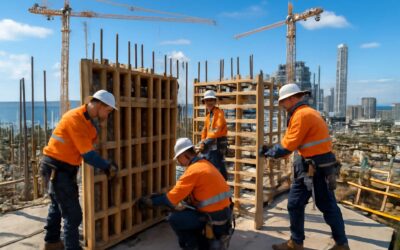
Incorporating features such as quick-release mechanisms and adjustable supports not only simplifies installation but also ensures seamless removal without damaging delicate surfaces. For larger, complex projects, modular formwork systems with interlocking panels allow for rapid setup and dismantling, reducing labor costs and downtime. When choosing your formwork system, consider the sequence of removal—timing is everything in preserving the integrity of the freshly cast concrete and maintaining safety on site.
Ultimately, an elegant formwork system harmonizes strength with simplicity, transforming what could be a logistical nightmare into a smooth, almost artistic process. The right design choices elevate construction efficiency, underscore safety, and uphold the craftsmanship that transforms raw materials into enduring structures—a testament to the timeless pursuit of excellence in building.
Compatibility with Construction Methods
Choosing the right formwork system is crucial to aligning with various construction methods. Different projects demand tailored solutions, whether they involve cast-in-place concrete or precast elements. Compatibility ensures that the formwork system integrates seamlessly into the construction process, reducing delays and labor costs. For instance, using modular and panel formwork can expedite large-scale projects, allowing quick assembly and dismantling with minimal disruption.
Understanding the specific needs of your project helps in selecting components that fit the construction method. For example, flexible and custom formwork solutions are ideal for intricate designs, while system formwork accelerates repetitive tasks. Incorporating innovative materials and technologies enhances adaptability, ensuring your formwork system can handle complex geometries without compromising safety or quality.
- Structural stability
- Ease of installation
- Reusability for multiple cycles
- Material compatibility with construction methods
Matching the formwork system with your construction approach ultimately boosts efficiency, cuts costs, and elevates craftsmanship. The right choice makes a tangible difference in project outcomes, transforming raw materials into durable, precise structures—South Africa’s builders’ secret weapon for success.
Environmental and Sustainability Factors
In the quest for sustainable construction, environmental and sustainability factors are no longer afterthoughts—they are the very backbone of an effective formwork system. As South Africa’s construction industry embraces greener practices, selecting materials and designs that minimize ecological impact becomes paramount. A thoughtfully designed formwork system can significantly reduce waste, conserve resources, and lower carbon footprints, aligning with global efforts to build responsibly.
Innovative solutions, such as reusable components and eco-friendly materials, transform traditional formwork into a tool for sustainability. For example, opting for aluminum or steel formwork not only enhances durability but also promotes multiple reuse cycles, thereby decreasing landfill waste. Moreover, integrating modern technologies like lightweight composites allows for easier handling and faster installation, further reducing energy consumption during construction.
Incorporating these considerations into your formwork system elevates your project’s environmental stewardship—turning construction sites into champions of sustainability without sacrificing safety or quality. The harmony between eco-conscious design and structural integrity is what truly elevates a formwork system from merely functional to a catalyst for a greener future!
Installation and Maintenance of Formwork Systems
Best Practices for Setup
The installation and maintenance of a formwork system require meticulous attention and a delicate touch, transforming raw concrete into breathtaking architecture. Precision during setup ensures that each component—panels, beams, and supports—aligns perfectly, creating a seamless foundation for the structure. The process demands a keen eye and a steady hand, as improper installation can compromise structural integrity and safety.
To optimize performance, professionals often follow best practices for setup, such as verifying the load-bearing capacity and ensuring compatibility with the construction method. Regular inspections during the construction phase help identify potential issues early, safeguarding against costly errors. Employing innovative materials and techniques not only extends the lifespan of the formwork system but also enhances reusability and environmental sustainability. Proper maintenance, including timely repairs and cleaning, preserves the system’s efficiency and structural stability, making it a vital investment in the construction journey.
Inspection and Quality Control
In the intricate dance of construction, the installation and maintenance of a formwork system can spell the difference between a masterpiece and a structural nightmare. Every bolt, panel, and support must be scrutinized with precision—errors here ripple through the entire build. Inspections serve as the vigilant guardian, catching flaws before they morph into costly flaws that threaten safety and stability.
Regular quality control checks are essential, especially when working with complex formwork systems that demand flawless alignment. An effective inspection process includes verifying load-bearing capacity, checking for material integrity, and ensuring that all components are correctly positioned. This proactive approach minimizes downtime and safeguards the longevity of the formwork system, ultimately enhancing the safety of the finished structure.
To ensure top performance, many professionals adopt a systematic approach—an ordered checklist that might include:
- Visual inspection of panels and supports for damage or deformation
- Verification of proper alignment and secure fastening
- Assessment of stability during concrete pouring
- Routine cleaning to prevent material buildup that could weaken the system
Employing innovative materials and advanced technologies in the formwork system not only prolongs its operational lifespan but also simplifies maintenance routines. As the construction landscape evolves, so does the importance of meticulous installation and ongoing inspections—key ingredients that uphold structural integrity and elevate safety standards on site. When executed with precision, the formwork system becomes more than just a temporary mold; it transforms into a silent guardian of architectural excellence.
Troubleshooting Common Issues
Installation and maintenance of a formwork system demand meticulous attention to detail, especially when troubleshooting common issues that can compromise structural integrity. A seemingly minor oversight—such as misaligned panels or loose supports—can escalate into costly delays or safety hazards. Vigilant oversight during setup ensures that every component functions harmoniously, minimizing the risk of failure during concrete pouring.
One of the most frequent challenges encountered is material deformation, often caused by improper handling or storage. To combat this, routine visual inspections are vital, catching damage before it affects the entire formwork system. In some cases, uneven support placement may lead to instability; here, an ordered checklist can streamline troubleshooting efforts, ensuring proper alignment and secure fastening. This proactive approach preserves the formwork system’s load-bearing capacity and prolongs its operational lifespan.
For more complex projects, employing innovative materials and advanced technologies can mitigate issues related to wear and tear. Regular cleaning routines prevent material buildup that could weaken the formwork system’s components. When issues do arise, quick identification and targeted repairs—such as replacing warped panels or reinforcing supports—are essential to maintain safety and efficiency. Ultimately, the art of troubleshooting is about anticipating potential pitfalls, ensuring the formwork system remains a silent guardian of structural excellence at every stage of construction.
Innovations and Future Trends in Formwork Technology
Automation and Robotics
Innovation in formwork system technology is not just about shiny new materials or flashy designs; it’s a revolution driven by automation and robotics that promises to transform construction sites into futuristic playgrounds. Imagine a world where formwork system setup and dismantling happen with the flick of a button—no sweat, no human error, just sleek efficiency. As our construction landscapes grow more complex, the integration of automation in formwork system design becomes not just a luxury but a necessity.
Robotics are now taking center stage, with autonomous cranes and robotic arms precisely installing and removing formwork panels at speeds that would make even the most seasoned builder’s head spin. This shift not only accelerates project timelines but also enhances safety by reducing manual labor in hazardous environments.
- Smart sensors track structural integrity in real-time
- AI-driven systems optimize material usage and placement
The future of formwork system technology leans heavily into these innovations, promising a new era of construction that’s faster, safer, and more sustainable than ever before. South Africa’s bustling construction industry is well-positioned to embrace these cutting-edge advancements—because who doesn’t want a bit of sci-fi magic in their concrete jungles?
Smart and Digital Formwork Solutions
In the realm of construction innovation, smart and digital formwork solutions are revolutionizing how projects come to life. These advancements are not merely enhancements; they are redefining the very essence of efficiency and precision in formwork system design. Cutting-edge technologies like AI-driven systems and IoT sensors enable real-time monitoring of structural integrity, ensuring safety and quality without sacrificing speed.
Imagine formwork systems that adapt seamlessly to complex architectural demands, utilizing modular components that can be reconfigured effortlessly. This level of flexibility allows construction teams in South Africa to optimize resources, reduce waste, and accelerate timelines—transforming ambitious visions into concrete realities with elegance and ease.
- Integration of digital tools for precise alignment and placement
- Use of smart sensors to track load capacity and structural health
- Automation in panel installation and removal processes
These innovations are more than just technological marvels; they are catalysts for a sustainable future. As the industry leans into the potential of digital formwork solutions, the promise of safer, faster, and more environmentally conscious construction projects becomes increasingly tangible. South Africa’s construction landscape stands at the cusp of this transformation—where the future of formwork system technology is not just imagined, but actively realized.
Sustainable and Eco-Friendly Materials
As the construction industry in South Africa advances, the horizon of formwork system technology expands with innovative materials and sustainable solutions. The future beckons with the promise of eco-friendly materials that not only meet structural demands but also diminish environmental impact. Recycled plastics, bamboo composites, and high-performance bioplastics are increasingly integrated into formwork systems, reducing reliance on traditional timber and steel. These materials offer a harmonious blend of strength, reusability, and biodegradability, paving the way for greener construction practices.
Emerging trends hint at the integration of smart material technologies—self-healing composites and adaptive surfaces that respond to environmental conditions—making formwork system installation more resilient and sustainable. Meanwhile, digital tools facilitate meticulous planning, ensuring minimal waste and optimized resource use. In South Africa’s evolving landscape, embracing these innovations not only enhances project efficiency but also aligns with global sustainability goals, transforming how we conceive, design, and realize structures.
Modular Design for Rapid Construction
In the ever-evolving symphony of construction, innovations in formwork system design are heralding a new era of rapid, efficient, and sustainable building. Modular design, in particular, stands as a beacon of ingenuity—allowing for swift assembly and disassembly, transforming the tempo of project timelines. This approach not only accelerates construction phases but also minimizes waste, aligning perfectly with South Africa’s push towards greener development.
Emerging trends showcase the integration of digital technologies, where automated systems and digital planning tools orchestrate precise, resource-efficient operations. The future of formwork system technology incorporates flexible and adaptable modules, capable of reshaping to meet complex architectural ambitions with ease. Such innovations promise to revolutionize how structures are conceived and realized, making the process more resilient and environmentally conscious.
- Streamlined logistics through prefabricated, lightweight panels.
- Enhanced reusability with durable materials designed for multiple uses.
- Smart systems that adapt to environmental conditions, ensuring stability and safety.
As South Africa charts its construction course forward, these futuristic advancements in formwork system technology are not mere enhancements—they are the catalysts that will redefine modern infrastructure. The convergence of modularity, digital precision, and sustainable materials paints a compelling picture of a resilient, resourceful, and innovative construction landscape.

0 Comments