
Understanding the Importance of Quality Formwork
Definition and Role of Formwork – Explains what formwork is and its significance in construction projects
In the grand tapestry of construction, formwork is the silent architect, shaping the very soul of a structure. It is more than just a temporary mold; it’s the foundation of precision and safety, ensuring that every beam and slab finds its rightful place in the blueprint of progress. The significance of quality formwork can’t be overstated—without it, even the most ambitious projects risk collapsing into chaos.
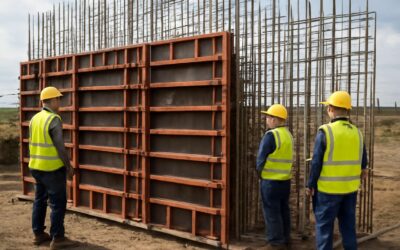
Understanding what formwork is and its role in construction projects reveals its true importance. Essentially, formwork is a carefully crafted framework that holds wet concrete in place until it hardens, sculpting the desired shape and size. It acts as the invisible hand guiding the concrete’s transformation from a viscous mixture into a sturdy, enduring element of the building. When formwork meets the criteria of quality, it guarantees not only the integrity of the structure but also the efficiency of the entire construction process.
- Strength and stability to withstand the pressure of wet concrete.
- Accurate dimensions aligned with design specifications.
- Durability to endure multiple uses without deformation.
- Ease of assembly and disassembly to streamline workflow.
- Surface finish that meets aesthetic and functional standards.
- Cost-effectiveness without compromising safety or quality.
Impact of Quality Formwork on Construction Success – Highlights how quality formwork influences safety, efficiency, and final outcomes
In the intricate dance of construction, the quality of formwork is the silent conductor guiding each movement towards harmony. When formwork fails to meet the highest standards, the entire symphony risks discord—cracks, delays, and compromised safety loom ominously on the horizon. The impact of quality formwork extends beyond mere aesthetics; it strikes at the heart of structural integrity and operational efficiency.
Imagine a framework so precise and resilient that it withstands the relentless pressure of wet concrete, ensuring every beam, every slab, aligns perfectly with the blueprint. This level of excellence in formwork is not accidental but cultivated through adherence to the fundamental requirements. The question remains—what are the 6 requirements for quality formwork? These criteria serve as the blueprint for success, weaving safety, durability, and efficiency into every project.
- Strength and stability to withstand the pressure of wet concrete without deformation or failure.
- Accurate dimensions aligned with design specifications, ensuring the final structure is true to the architect’s vision.
- Durability to endure multiple uses without deformation, reducing costs and environmental impact over time.
- Ease of assembly and disassembly, streamlining workflow and minimizing construction delays.
- Surface finish that meets aesthetic and functional standards, leaving a smooth, defect-free concrete surface.
- Cost-effectiveness without compromising safety or quality, balancing budget constraints with structural integrity.
In the realm of South African construction, where resilience and efficiency are paramount, understanding what are the 6 requirements for quality formwork is indispensable. These criteria act as the foundation for achieving not only structural excellence but also operational success, transforming raw materials into enduring landmarks of progress.
Key Requirements for High-Standard Formwork
Durability and Strength – Details on the importance of using robust materials to withstand construction stresses
Durability and strength are the backbone of any high-standard formwork system. When the construction site is a battleground of shifting loads, weather, and inevitable wear and tear, only resilient materials can stand firm. The question of what are the 6 requirements for quality formwork demands an unwavering focus on robustness. It’s not just about holding the shape; it’s about resisting pressures that threaten to compromise the entire structure. In South Africa’s challenging climate and diverse terrain, using materials that withstand these stresses is crucial to ensure safety and longevity.
Choosing the right materials—such as high-grade timber, steel, or specialized composites—ensures formwork remains intact under heavy loads and repeated use. The strength of these materials directly impacts the formwork’s capacity to endure the weight of wet concrete and the dynamic forces during pouring and curing. A durable formwork system minimizes deformation and reduces the risk of costly failures, making it a vital consideration in the quest to answer what are the 6 requirements for quality formwork.
In essence, the integrity of formwork hinges on the thoughtful selection and testing of materials, which serve as the silent guardians of structural precision and safety. Only then can we truly appreciate the importance of durability and strength in the complex dance of construction excellence!
Precise Alignment and Accuracy – Emphasizes the need for accurate measurements and flawless assembly for proper concrete shaping
When it comes to high-standard formwork, precision isn’t just a luxury—it’s an absolute necessity. In South Africa’s bustling construction scene, where concrete shapes the skyline and every millimeter counts, flawless alignment and accuracy can make or break a project. The question of what are the 6 requirements for quality formwork isn’t just academic; it’s the secret sauce behind safe, durable, and visually perfect structures.
Achieving this level of precision demands meticulous measurement and flawless assembly. Any deviation can lead to uneven surfaces, structural weaknesses, or costly rework. That’s why seasoned builders swear by using dedicated tools like laser levels and plumb lines—these are the unsung heroes in ensuring that formwork panels align perfectly, even in the most challenging terrain. After all, a slight miscalculation can turn a sleek skyscraper into a crooked silhouette overnight.
To truly nail the requirement for precise alignment and accuracy, consider this:
- Consistent measurement checks during assembly
- Use of high-precision leveling equipment
- Regular inspection for shifts or deformation
Because when you’re shaping concrete that must be just right, perfection isn’t optional—it’s everything. The right approach guarantees that the formwork not only holds its shape but does so with unwavering precision, ensuring the final structure is as strong and as beautiful as the blueprint intended.
Surface Finish and Smoothness – Discusses how a quality surface finish affects aesthetics and structural integrity
A flawless surface finish isn’t just about aesthetics—it’s a critical component of structural integrity. In South Africa’s dynamic construction landscape, where appearances matter just as much as safety, understanding what are the 6 requirements for quality formwork becomes essential. A smooth, even surface reflects precision during concrete pouring, reducing the need for extensive finishing work later. It also plays a vital role in ensuring the longevity of the structure, preventing cracks and surface deterioration over time.
Achieving this level of excellence demands more than just high-quality materials; it requires meticulous attention to detail throughout the process. The use of finely calibrated tools, like floaters and trowels, combined with strict control of moisture levels, can significantly influence the surface’s final quality. The surface must be free of blemishes, air pockets, and rough patches, which can compromise both beauty and durability.
- Proper surface treatment of formwork panels before casting
- Use of smooth, durable formwork materials that resist deformation
- Consistent application of release agents to prevent surface imperfections
- Careful control of concrete mix to prevent segregation and surface defects
- Immediate finishing techniques to enhance smoothness and uniformity
In essence, the question of what are the 6 requirements for quality formwork isn’t just about structural form; it’s about crafting a surface that stands as a testament to craftsmanship. The quality of the surface finish influences not only the visual appeal but also the long-term strength of the entire construction. When precision meets craftsmanship, the result is a structure that endures, impresses, and tells a story of excellence in every detail.
Ease of Handling and Flexibility – Covers design features that facilitate installation, adjustments, and removal
In the bustling construction scene of South Africa, efficiency is everything. When it comes to formwork, ease of handling and flexibility are often overlooked but are crucial for maintaining momentum on-site. A well-designed formwork system should facilitate quick installation, easy adjustments, and smooth removal, saving both time and labour costs. This flexibility allows for modifications during pouring, which is essential when dealing with complex structures or unforeseen site conditions.
Proper design features can make or break the quality of formwork. For instance, lightweight panels that are sturdy and easy to manipulate reduce fatigue and risk during assembly. Additionally, modular systems enable swift reconfiguration, accommodating different project demands without extensive rework. When these elements are integrated seamlessly, they contribute to a more efficient workflow—an absolute necessity in South Africa’s competitive construction environment.
- Reinforced handles for effortless lifting
- Interlocking panels for quick setup
- Adjustable supports to ensure precise alignment
Ultimately, understanding what are the 6 requirements for quality formwork isn’t just about strength or surface finish—it’s about creating a system that adapts to the realities of construction sites. Flexibility and ease of handling translate into safer, faster, and more accurate builds, making them indispensable components in every high-standard formwork setup.
Safety and Stability – Focuses on ensuring formwork stability during concrete pouring to prevent accidents
In the dynamic landscape of South Africa’s construction industry, safety and stability are paramount—especially when pouring concrete that must endure both time and the elements. The question of what are the 6 requirements for quality formwork extends beyond mere strength; it encompasses a rigorous framework designed to prevent accidents and ensure precision. Properly braced and supported, formwork must resist lateral pressures and avoid failures that could lead to costly delays or, worse, safety hazards.
Stability during concrete pouring is achieved through meticulous design and execution. Reinforced supports, tight fastening, and robust anchoring systems keep the formwork firmly in place. To enhance this, some systems incorporate interlocking panels for quick assembly and added stability, reducing the risk of collapse under pressure. When formwork maintains its integrity, it not only guarantees a pristine finish but also safeguards the workers on-site—an aspect that cannot be overstated in South Africa’s bustling construction sectors.
Ultimately, the stability of formwork during the pouring process is critical. It’s the backbone that upholds the entire structure, ensuring that every pour is safe, accurate, and durable. This unwavering stability, combined with intelligent design, is what truly defines high-quality formwork systems—answering the vital question of what are the 6 requirements for quality formwork in every project’s success story.
Cost-effectiveness and Reusability – Highlights materials and designs that reduce costs through repeated usage and long-term durability
In the bustling realm of South Africa’s construction industry, maximizing cost-effectiveness while ensuring durability is essential for high-quality formwork. When formwork can withstand repeated use without compromising integrity, project costs dramatically decrease, and efficiency soars. Materials such as high-grade plywood, steel, and engineered plastics are often chosen for their resilience and long-term reusability. These choices not only extend the lifespan of formwork systems but also contribute to a more sustainable building process, aligning with eco-conscious construction trends sweeping across South Africa.
Moreover, intelligent design plays a pivotal role in reducing wastage and streamlining assembly. Modular panels with interlocking features expedite setup and dismantling, saving valuable time and labor. The best formwork systems incorporate a combination of lightweight yet robust components that can be easily handled on-site, minimizing the risk of damage during handling or reuse. This adaptability ensures that the question of what are the 6 requirements for quality formwork is answered with solutions that are both economical and environmentally friendly.
Ultimately, long-term durability and reusability are not just about saving costs—they are about creating a resilient foundation for success in South Africa’s dynamic construction landscape. When formwork systems are designed with these principles in mind, they become invaluable assets that support the entire building process, from initial pour to final finish. This approach exemplifies how thoughtful material selection and innovative design elevate the standards of quality formwork, making each project a testament to efficiency and sustainability.
Material Selection for Quality Formwork
Common Materials Used in Formwork – Overview of plywood, steel, plastic, and other materials
Material selection is the cornerstone of enduring, high-quality formwork—an often overlooked yet vital aspect of construction integrity. In South Africa’s diverse climate and demanding structural standards, choosing the right materials can spell the difference between a project that stands the test of time and one that falters prematurely. The question of what are the 6 requirements for quality formwork cannot be fully answered without considering the materials that make it possible.
Common materials used in formwork include plywood, steel, and plastic—each offering distinct advantages. Plywood remains popular for its affordability and ease of handling, but its durability depends on quality grade and treatment against moisture. Steel, renowned for its strength and reusability, provides stability for complex structures and heavy loads. Plastic forms, meanwhile, are lightweight and resistant to corrosion, making them ideal for repetitive use and intricate molds. Sometimes, innovative composites combine these materials to optimize performance and cost-efficiency.
Incorporating these materials with meticulous attention to their properties ensures that the formwork not only meets the immediate needs of the project but also aligns with long-term sustainability and safety standards. When you ask what are the 6 requirements for quality formwork, material choice is undeniably at the heart of the equation—a decision that impacts every facet of construction quality, from surface finish to safety and reusability.
Choosing the Right Material for Different Projects – Guidelines on selecting materials based on project size, complexity, and location
Choosing the appropriate materials for formwork is akin to selecting the perfect tailor for a bespoke suit; it requires precision, foresight, and an understanding of the unique demands of each project. In South Africa’s diverse climatic zones and varied construction landscapes, the question of what are the 6 requirements for quality formwork becomes even more pertinent. Material selection influences not only the structural integrity but also the ease of installation, cost-efficiency, and overall safety of the build.
For small-scale residential projects, lightweight materials like high-grade plywood or plastic forms often suffice, offering ease of handling and quick turnaround times. Conversely, large infrastructure ventures demand the resilience and robustness of steel or composite materials to withstand prolonged use and heavy loads. When evaluating which materials to employ, consider factors such as climate exposure, reusability, and the complexity of the formwork design. An optimal choice balances durability with practicality, ensuring the formwork performs flawlessly throughout the construction process.
In essence, the selection process should be guided by a nuanced understanding of project specifics.
- Size and scale of the project
- Structural complexity and load requirements
- Environmental conditions and exposure to moisture or corrosion
Each factor plays a pivotal role in determining which material will uphold the six fundamental requirements for quality formwork—stability, precision, finish, flexibility, safety, and cost-effectiveness. After all, a well-chosen material is the backbone of a formwork system that not only meets immediate construction needs but also stands the test of time and reuse in South Africa’s ever-evolving construction landscape.
Environmental Considerations – Discusses eco-friendly options and sustainability concerns
Environmental considerations are no longer just a footnote in the construction saga; they are now front and centre—especially when it comes to formwork. As South Africa’s construction industry strives for sustainability, choosing eco-friendly materials isn’t just a noble gesture, it’s a smart business move. Recycled timber, biodegradable plastics, and steel with corrosion-resistant coatings are gaining traction as viable options that balance performance with planetary responsibility.
When pondering what are the 6 requirements for quality formwork, sustainability should be a key consideration. Opting for materials with high reusability and low environmental impact ensures that projects stay green without sacrificing strength or stability. For instance, high-grade plywood with a reputation for multiple reuses or steel forms that can withstand numerous pours are both excellent choices for eco-conscious builders.
In a landscape where resource efficiency is king, some construction firms are even exploring innovative alternatives such as bamboo or composite materials. These options not only reduce carbon footprints but also align with South Africa’s growing green building movement. After all, a truly quality formwork system isn’t just about stability or finish; it’s about harmony with the environment, making sure that every pour leaves a lighter mark on our planet.
Design and Engineering Principles of Formwork
Design for Structural Integrity – Ensures formwork can support concrete and external forces
Effective formwork design hinges on the foundational principles of structural integrity—a concept that transcends mere aesthetics to embody safety, durability, and precision. When formwork is engineered with meticulous attention to load-bearing capacity, it ensures that the concrete remains stable under external forces and construction stresses. This is where the core question arises: what are the 6 requirements for quality formwork?
Central to these requirements is the adherence to sound engineering principles that guarantee the formwork’s ability to support the weight of pouring concrete without deforming or collapsing. Proper calculations, combined with an understanding of material behavior, lay the groundwork for a resilient structure. Incorporating adjustable, modular components allows for flexibility during assembly, helping to maintain exact measurements and alignment during critical phases of the project.
Furthermore, a well-designed formwork system must prioritize surface smoothness and stability. This not only enhances the aesthetic appeal but also plays a crucial role in ensuring structural integrity over time. When formwork is engineered with these considerations at forefront, it exemplifies the harmony between form and function—an essential ingredient in delivering a flawless final product. It is through this lens that we truly understand the significance of knowing what are the 6 requirements for quality formwork in achieving construction excellence.
Customization for Complex Structures – Adapts formwork design to unique architectural requirements
When constructing complex architectural marvels in South Africa, formwork isn’t just a scaffold—it’s the canvas upon which structural artistry is painted. Customizing formwork design for intricate structures demands a mastery of engineering principles that blend innovation with precision. The challenge lies in adapting to unique architectural requirements, often involving unconventional shapes or tight tolerances. This is where understanding what are the 6 requirements for quality formwork becomes crucial.
Advanced formwork customization involves using adaptable systems that can be tailored to fit specific project demands. For example, modular components allow for flexible configurations, ensuring that even the most elaborate curves and angles are achievable without compromising stability. Material selection plays a vital role—lightweight yet robust materials like high-grade plywood or steel facilitate easier handling and precise shaping. Ultimately, the art of formwork engineering hinges on harmonizing these factors to create a seamless support system that embodies both functionality and aesthetic finesse.
Implementation of Safety Features – Integrates safety considerations into design plans
In the intricate dance of construction, the implementation of safety features within formwork design stands as a silent guardian—protecting both workers and the integrity of the structure. When exploring what are the 6 requirements for quality formwork, safety isn’t an afterthought; it’s woven into the very blueprint of the engineering masterpiece.
Effective formwork should incorporate safety considerations right from the drawing board. This includes stable support systems, secure anchoring, and easy access points for inspections and adjustments. A well-designed formwork minimizes risks such as collapses or dislodgements, which can lead to catastrophic delays or injuries. Moreover, integrating safety features like non-slip surfaces and adequate bracing ensures that the formwork remains steadfast during the pouring process.
For example, a thoughtful approach involves
- ensuring proper load distribution
- using durable, non-slip materials
- planning for quick access for maintenance and inspection
—all elements that uphold the safety standards vital in South Africa’s dynamic construction environment. Understanding what are the 6 requirements for quality formwork ensures that safety is not compromised, but rather elevated, creating a foundation as reliable as the structures it supports.
Installation and Maintenance Best Practices
Proper Installation Techniques – Steps to ensure accurate assembly and positioning
Ensuring proper installation techniques is crucial when it comes to achieving what are the 6 requirements for quality formwork. A poorly assembled formwork system can lead to structural flaws, increased costs, and safety hazards. To prevent this, meticulous attention to step-by-step procedures is essential. Beginning with accurate measurement and marking, each component must be correctly positioned and securely fastened. Proper alignment ensures the final concrete surface is smooth and meets design specifications.
Handling and adjusting formwork with care during installation reduces the risk of damage and helps maintain stability. For complex or large-scale projects, employing a systematic approach—such as a comprehensive checklist—can streamline the process. This includes verifying that the formwork can withstand the pressure of wet concrete and external forces, a key aspect of what are the 6 requirements for quality formwork. When executed correctly, these practices support the durability and safety of the entire structure.
Inspection and Quality Checks – Routine assessments to identify and fix issues early
In the realm of construction, overlooking routine inspection and quality checks can turn a seemingly solid project into a structural nightmare. When formwork isn’t meticulously monitored, small issues—like misaligned panels or compromised supports—can escalate into costly delays or safety hazards. That’s why implementing a rigorous inspection schedule is not just recommended; it’s essential.
During each phase of formwork installation, comprehensive evaluations help identify potential weaknesses before they compromise the entire structure. Regular assessments ensure that the formwork can withstand the pressure of wet concrete and external forces—one of the critical what are the 6 requirements for quality formwork. These checks should focus on stability, alignment, and material integrity, preventing cracks, leaks, or collapses that threaten safety and durability.
To streamline this process, consider adopting a systematic approach—such as a detailed checklist—that covers every inspection point. This proactive stance not only safeguards structural integrity but also prolongs the lifespan of reusable formwork materials, making the entire project more cost-effective and environmentally friendly. In the end, routine inspection and quality checks serve as the vigilant guardians of construction excellence, ensuring each project stands tall and safe for generations to come.
Cleaning and Storage – Proper methods for maintaining formwork for repeated use
Proper installation and maintenance of formwork are crucial for ensuring the longevity and safety of any construction project. When formwork isn’t maintained correctly, it can lead to costly delays and safety hazards—an outcome no builder wants to face. Regular cleaning removes debris and concrete residues that can compromise the integrity of reusable formwork, while careful storage protects materials from environmental damage such as moisture, rust, or warping.
Adopting best practices in cleaning and storage extends the lifespan of formwork components, making them more cost-effective over multiple projects. For example, steel and plastic formwork should be thoroughly cleaned with suitable agents, then stored in a dry, covered area. This preserves their strength and ensures they remain reliable for future use. A systematic approach, such as creating a checklist that covers cleaning schedules and storage procedures, helps maintain high standards and answers the question of what are the 6 requirements for quality formwork.
In essence, diligent maintenance transforms simple materials into dependable tools—vital for achieving the precise, safe, and durable concrete structures South Africa’s construction industry demands. When formwork is properly cared for, it not only supports the immediate project but also stands ready to serve countless future endeavors—making every rand spent an investment in quality and safety.
Regulatory Standards and Certifications
Compliance with Building Codes – Ensures formwork meets legal requirements
In the intricate dance of construction, compliance with regulatory standards and building codes is the silent conductor ensuring every element performs harmoniously. When questioning what are the 6 requirements for quality formwork, adherence to legal frameworks is paramount. It’s not merely about meeting criteria; it’s about safeguarding lives and securing structures that stand resilient through time.
Formwork must align with South African building codes—these standards dictate the minimum safety thresholds and material specifications that underpin every successful project. Certifications from recognized bodies serve as a testament to quality, echoing a commitment to excellence and environmental responsibility.
Understanding that formwork must meet these standards is crucial, as it influences safety, durability, and overall project integrity. For instance, materials and construction techniques must pass rigorous inspections, ensuring that the formwork can support the weight of concrete and external forces without fail.
Ultimately, knowing what are the 6 requirements for quality formwork includes integrating compliance into every phase—design, installation, and inspection—creating a foundation of trust and resilience that propels South African construction into a future of enduring strength.
International Standards and Certifications – Overview of relevant standards such as ASTM, Eurocode, etc.
Regulatory standards and certifications form the backbone of ensuring that formwork adheres to the highest safety and quality benchmarks. In South Africa, compliance is not merely a bureaucratic checkbox but a vital safeguard for structural integrity. Recognized certifications from bodies such as the South African Bureau of Standards (SABS) or international organizations lend credibility and assurance that the formwork meets rigorous safety thresholds.
Moreover, understanding international standards and certifications—like ASTM (American Society for Testing and Materials) and Eurocode—provides a global perspective on quality benchmarks. These standards offer comprehensive guidelines on material specifications, load capacities, and safety protocols, elevating local practices to meet international excellence. Incorporating these standards into your project ensures that the formwork can withstand diverse external forces and environmental conditions.
When asking what are the 6 requirements for quality formwork, it’s essential to recognize that aligning with international standards and certifications is a key component. This alignment guarantees durability, safety, and compliance, making it an integral part of the overall quality framework that supports South African construction projects.
Importance of Quality Assurance and Testing – Methods to verify formwork quality and performance
In the realm of construction, where each project stakes its claim on the integrity of the unseen, verifying the quality and performance of formwork becomes an existential pursuit. It’s not enough to simply assemble; rigorous testing and quality assurance are vital to ensure safety, durability, and compliance with standards. Employing systematic methods—such as load testing, visual inspections, and material analysis—acts as the moral compass guiding the construction process toward excellence.
Authentic verification transcends mere routine checks. It involves a meticulous scrutiny of materials, assembly precision, and stability under simulated stresses—factors that align with the question, what are the 6 requirements for quality formwork. For example, load capacity tests ensure that the formwork can withstand external forces without failure. Similarly, surface assessments guarantee that the finish aligns with aesthetic and structural expectations. These steps serve as safeguards against unforeseen failures, ultimately fostering confidence in the structural integrity of the final build.


0 Comments