
Common Materials Used in Formwork Construction
Timber and Plywood – Advantages, types, and application in formwork
When delving into the realm of what materials are used in formwork construction, timber and plywood reign supreme, their timeless elegance and versatility weaving a tapestry of strength and adaptability. Timber, with its organic resilience, offers a natural choice for temporary structures, allowing artisans to craft intricate molds with ease. Its ability to withstand repeated use while maintaining structural integrity makes it an enduring favorite in South African construction projects. Plywood, on the other hand, emerges as the magic wand of modern formwork, its layered veneer providing a smooth, durable surface that resists warping and cracking.
Among the various types of timber used, softwoods like pine and spruce are popular due to their lightweight yet sturdy nature. For plywood, the exterior-grade variants, such as phenolic-faced plywood, are prized for their waterproof qualities and ability to endure harsh weather conditions. Together, these materials unlock a world of possibilities in formwork construction, ensuring that every poured concrete masterpiece is built upon a foundation of quality and resilience.
Metal Materials – Steel and aluminum formworks – durability and reuse
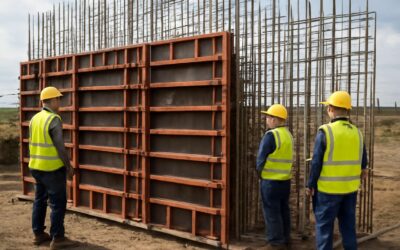
When it comes to what materials are used in formwork construction, metal options like steel and aluminum stand out as the heavy hitters in the game. These materials are revered for their unmatched durability and ability to withstand the rigors of repeated use—making them the preferred choice for large-scale projects or structures demanding precision and longevity. Steel formwork, in particular, is the workhorse of the construction industry, with its robust nature ensuring that every mould stays true to shape, no matter how many times it’s reused. Aluminum, meanwhile, offers a lighter alternative that still packs a punch in terms of resilience, making handling and assembly a breeze for busy construction crews.
One of the standout benefits of metal formwork is its reusability—think of it as the gift that keeps on giving. This not only reduces waste but also translates into cost savings over time, especially in South African construction projects where efficiency is king. The versatility of these materials allows for complex designs and intricate moulds, giving engineers and artisans the freedom to push creative boundaries without sacrificing strength.
- Steel formwork for heavy-duty applications
- Aluminum for lightweight, high-performance moulds
These materials are often combined with innovative fastening systems and surface treatments to enhance waterproofing, surface finish, and ease of assembly, ensuring every poured concrete masterpiece is built on a solid foundation of quality materials.
Plastic and Polymers – Innovative materials for lightweight and versatile formwork
In the ever-evolving landscape of construction, innovation often whispers through the choice of materials, transforming the mundane into the extraordinary. Among the modern contenders, plastics and polymers have carved a niche as versatile, lightweight champions—redefining what materials are used in formwork construction. These innovative materials offer a delicate balance of strength and flexibility, enabling intricate designs and complex molds that once seemed unattainable with traditional options. The ease of handling and reduced weight translate into faster assembly times, a critical advantage in bustling South African construction sites where efficiency is paramount.
Polymer-based formwork systems, such as high-density polyethylene and polypropylene, are celebrated for their resistance to corrosion, water damage, and surface defects. These qualities make them an ideal choice for projects requiring a seamless finish and durability against the elements. Moreover, their modular nature facilitates reusability and adaptability across various project types. For those seeking to push the boundaries of creativity while maintaining structural integrity, understanding what materials are used in formwork construction—especially polymers—becomes essential. Their role in lightweight, versatile formwork solutions continues to grow, offering a new dimension of possibility in the field of construction innovation.
Fiber-Reinforced Plastics – Benefits of fiber-reinforced composites in formwork systems
Fiber-reinforced plastics have emerged as a game-changer in the realm of formwork construction, blending strength with remarkable lightness. These composites, infused with tiny fibers like glass or carbon, create a formidable barrier against wear and tear, making them ideal for demanding construction environments. Their ability to withstand high stress without cracking or deforming elevates their status among the materials used in formwork construction.
What truly sets fiber-reinforced composites apart is their durability and versatility. They resist corrosion, water damage, and surface defects—common enemies of traditional formwork materials. This resilience translates into extended reuse, ultimately reducing costs and waste. For projects in South Africa, where diverse climate conditions challenge construction materials, fiber-reinforced plastics offer a dependable solution. Their lightweight nature not only simplifies handling but also accelerates project timelines, turning complex designs into achievable realities.
- Enhanced structural integrity
- Superior resistance to environmental factors
- Extended lifespan through repeated reuse
Key Factors Influencing Material Selection
Cost and Budget Considerations – Balancing expenses with longevity
Material selection for formwork construction is a critical factor that directly impacts both project costs and long-term durability. In South Africa’s competitive construction market, balancing expenses with longevity is essential. More durable materials often come with higher upfront costs but can significantly reduce maintenance and replacement needs over time. Conversely, budget-friendly options might save money initially but may lead to increased expenses down the line.
Understanding what materials are used in formwork construction involves analyzing their lifecycle costs and performance. For example, steel formwork offers exceptional reuse potential, lowering overall costs in large projects, while plastic or polymers may provide lightweight alternatives ideal for quick assembly but with different budget implications.
Ultimately, the key factors influencing material choice include project scale, expected reuse, environmental conditions, and budget constraints. Sometimes, a hybrid approach combining materials offers the best balance—maximizing benefits without exceeding financial limits.
Strength and Durability – Materials suited for various load requirements
In the labyrinth of construction, where every decision echoes through the lifecycle of a structure, understanding what materials are used in formwork construction becomes paramount. Strength and durability are not mere specifications; they are the soul of a resilient framework. The choice hinges on a delicate interplay of load requirements, environmental resilience, and project scale. For instance, steel formwork, renowned for its exceptional reuse potential, withstands the rigors of heavy loads and prolonged use, making it ideal for high-rise developments across South Africa’s urban landscapes.
Conversely, lightweight alternatives like plastics and polymers offer agility and quick assembly, yet demand careful consideration of their long-term performance against environmental stressors. Fiber-reinforced plastics, with their superior strength-to-weight ratio, exemplify innovations that push the boundaries of formwork material science. The decision-making process becomes a nuanced evaluation—balancing immediate costs with anticipated longevity, all while tailoring to specific project demands. Ultimately, selecting the right materials in formwork construction is an intricate dance—where strength, durability, and strategic foresight converge to create enduring structures.
Surface Finish and Quality – Impact on concrete surface and finishing
In the intricate dance of formwork construction, surface finish and quality are the silent symphony that dictates the final aesthetic and structural integrity of a concrete masterpiece. The choice of materials directly influences the tactile and visual harmony of the poured surface—an indelible mark of craftsmanship. When considering what materials are used in formwork construction, one must ponder how each interacts with the concrete’s surface, shaping its texture and appearance.
For example, smooth metal formwork, such as steel and aluminum, yields a polished, mirror-like finish—ideal for sleek facades and modern architectural visions. Meanwhile, timber and plywood, with their natural grain and subtle imperfections, impart a warmer, textured surface, often embraced in traditional or rustic structures. The surface quality is paramount; it affects not only the aesthetic appeal but also the ease of finishing work, reducing labor costs and time.
Furthermore, the surface quality is often dictated by the coating and treatment of the formwork material—be it a release agent or a protective sealant—ensuring an impeccable finish. In South Africa’s diverse climate, selecting the right surface finish becomes an art of balancing durability with visual perfection, a testament to thoughtful material selection in formwork construction.
Ease of Assembly and Disassembly – Workability and labor considerations
In the realm of formwork construction, the ease of assembly and disassembly can make or break a project’s efficiency. Choosing materials that effortlessly lock into place yet come apart without fuss is essential, especially when time and labor are precious commodities. This is where the workability of materials becomes a guiding star—ensuring that skilled workers can manipulate formwork with precision and speed, reducing downtime and labor costs.
Materials like aluminum and plastic are renowned for their lightweight, modular nature, enabling swift assembly and disassembly—an advantage in tight schedules. Conversely, heavy-duty steel, while durable, demands a more deliberate approach, often requiring specialized equipment for handling. To streamline operations, many professionals prefer formwork systems that incorporate
- interlocking panels
- quick-release mechanisms
that significantly cut labor time and minimize errors.
Ultimately, the optimal selection hinges on balancing workability with structural needs, ensuring that the chosen materials in formwork construction not only meet the demands of the build but also enhance the overall workflow—transforming what could be a tedious task into a seamless dance of craftsmanship and efficiency!
Innovative and Sustainable Materials in Formwork
High-Performance Coatings and Sealants – Enhancing lifespan and finish
In the quest for longevity and a pristine finish, innovative and sustainable materials in formwork high-performance coatings and sealants are revolutionizing the construction landscape. These cutting-edge solutions don’t just shield formwork from the rigors of repeated use—they actively extend lifespan and enhance surface quality. Imagine coatings that resist the relentless assault of concrete, chemicals, and weather, all while reducing maintenance costs. Now, add eco-conscious sealants that are biodegradable or low VOC, aligning with South Africa’s push towards greener building practices. Such materials are transforming the question of what materials are used in formwork construction from mere durability to a harmonious blend of sustainability and high performance.
By integrating advanced coatings and sealants, contractors can achieve smoother finishes and minimize imperfections, saving time and resources. These high-performance materials are often formulated to offer excellent adhesion, flexibility, and chemical resistance, making them ideal for complex projects. For example, some formwork coatings incorporate nanotechnology, providing a barrier that repels water and prevents corrosion—crucial for extending the utility of both timber and metal formwork systems. As the industry leans into eco-friendly solutions, these innovative materials are not just a trend but a necessity for future-ready construction practices.
Recycled and Eco-Friendly Materials – Green construction practices
In a world driven by sustainability and innovation, the materials used in formwork construction are evolving beyond traditional choices. Recycled and eco-friendly materials are now at the forefront, transforming construction sites into hubs of green ingenuity. These materials not only reduce environmental impact but also offer cost-effective solutions that don’t compromise on strength or durability. Imagine formwork made from reclaimed timber, recycled plastics, or biodegradable sealants—each component playing a vital role in sustainable building practices. Such materials are crucial for South Africa’s push towards greener construction, aligning economic efficiency with ecological responsibility.
Furthermore, the integration of natural fibers and recycled composites into formwork systems is gaining momentum. These materials provide the necessary structural integrity while significantly lowering carbon footprints. A growing trend involves using recycled plastics, which can be molded into lightweight, durable formwork panels that resist weathering and chemical exposure. This approach not only extends the lifespan of formwork but also simplifies logistics, as lighter materials are easier to handle and transport. When considering what materials are used in formwork construction, eco-conscious choices are no longer optional—they are an imperative for future-proofing infrastructure projects.
Modular and Prefabricated Systems – Efficiency through modern manufacturing techniques
In the realm of modern construction, innovation and sustainability intertwine like vines weaving through a grand tapestry. When exploring what materials are used in formwork construction, the narrative is shifting towards modular and prefabricated systems that epitomize efficiency. These systems harness sophisticated manufacturing techniques—robotic assembly lines, precision molding, and automated quality control—that drastically reduce construction time and waste. The result? A seamless blend of speed, strength, and environmental consciousness.
One of the most captivating trends is the emergence of high-performance, eco-friendly materials tailored for prefabricated formwork modules. These materials are not only lightweight but also boast remarkable durability. For instance, fiber-reinforced plastics (FRP) and recycled composites have become the protagonists in this story—offering resilience against weathering while reducing ecological impact. Such innovative materials are transforming South Africa’s construction landscape, making way for structures that stand as monuments to both ingenuity and responsibility.
In this dance of materials, modular formwork systems often incorporate
- recycled plastics
- natural fibers
- biodegradable sealants
to forge a sustainable future. The precision manufacturing of these components ensures a perfect fit, reducing labor costs and accelerating project timelines. As the industry continues to evolve, the marriage of technological progress and eco-conscious material choices crafts a new chapter in what materials are used in formwork construction—one where efficiency and sustainability are inextricably linked, guiding the way forward with a promise of greener horizons.
Comparison of Traditional vs Modern Materials
Timber vs Metal – Cost, reuse, and environmental impact
Understanding what materials are used in formwork construction reveals a fascinating dichotomy between tradition and innovation. Traditional timber, once the backbone of formwork, offers affordability and ease of reuse but often falls short in environmental sustainability. Conversely, modern materials like steel and aluminum introduce a level of durability and precision that can transform a project from mundane to masterful. Yet, the true debate hinges on cost versus longevity—where timber may be cheaper upfront, metal formwork promises a longer lifespan and higher reusability, ultimately impacting the environmental footprint.
In the quest for sustainable construction, recycled and eco-friendly materials are gaining prominence, aligning with green building practices in South Africa. These innovations do not merely serve aesthetic or structural needs; they embody an ethical stance—an acknowledgment of our responsibility to reduce waste and conserve resources. As the construction industry evolves, so does the understanding of what materials are used in formwork construction, shaping a future where efficiency, sustainability, and economic feasibility coexist in harmony.
Plastic vs Plywood – Flexibility and surface finish
When exploring the realm of what materials are used in formwork construction, the choice between traditional plastics and plywood reveals a striking contrast in flexibility and surface finish. Plywood, a classic favorite, offers excellent surface quality that results in a smooth, high-end concrete finish. Its ease of shaping allows for intricate designs, making it a versatile option for complex architectural elements. Conversely, plastic formwork introduces a new level of adaptability with lightweight, flexible panels that can be easily manipulated on-site, reducing labor time and costs.
Plastic formwork systems often boast a superior surface finish compared to traditional plywood, thanks to their non-porous, smooth surfaces. This not only enhances the aesthetic appeal of the finished concrete but also simplifies cleaning and reuse. For projects demanding intricate detailing or quick turnaround times, plastic materials are increasingly favored in modern construction. As the industry in South Africa advances, understanding what materials are used in formwork construction becomes crucial for optimizing project efficiency and sustainability.
Innovative Composites – Benefits over conventional materials
In the ever-evolving landscape of construction, the allure of innovative composites beckons, casting a shimmering light on what materials are used in formwork construction. Traditional materials like timber and metal have long served as the backbone of formwork, but now, modern composites burst onto the scene, offering benefits that seem almost magical. These high-performance materials, such as fiber-reinforced plastics, combine strength with lightweight flexibility, transforming how we approach concrete shaping. Their resistance to wear and weathering extends the lifespan of formwork, making them a sustainable choice for ambitious projects across South Africa.
Unlike conventional options, these composites provide an unparalleled surface finish, ensuring a smooth, pristine surface on the finished concrete. Their ease of assembly and disassembly accelerates project timelines, reducing labor costs and minimizing waste. As the construction industry seeks eco-friendly solutions, recycled and eco-friendly materials are increasingly integrated into formwork systems, sometimes in conjunction with innovative composites. This harmony of tradition and innovation exemplifies how the choice of what materials are used in formwork construction can shape the future of building—robust, efficient, and environmentally conscious.


0 Comments