
Overview of Formwork Systems
Definition and Purpose of Formwork
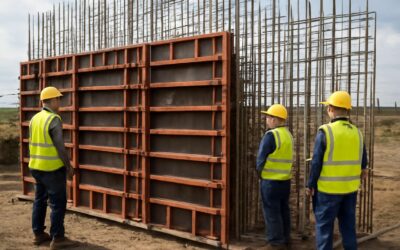
Imagine a construction site where the foundation of a towering skyscraper takes shape with precision and artistry—this is where the magic of formwork systems truly shines. Formwork is an essential component in modern construction, serving as the temporary mould that shapes concrete into the desired structure. Its primary purpose is to provide support and containment during the setting process, ensuring the final product is both accurate and sturdy.
Understanding the various formwork types is crucial for selecting the right system for each project. From traditional timber formwork to innovative modular systems, each type offers unique advantages tailored to specific construction needs. For instance, some formwork types are renowned for their speed and versatility, making them ideal for large-scale projects, while others excel in complex or customised designs. This adaptability is what makes formwork systems a cornerstone of contemporary construction, blending functionality with innovative engineering.
Importance in Construction Projects
In the intricate dance of modern construction, the importance of selecting the right formwork systems cannot be overstated. These systems are the unsung heroes that turn blueprints into tangible marvels of architecture, ensuring each concrete pour is a masterpiece of precision. A well-chosen formwork type can accelerate project timelines, reduce material waste, and enhance safety on site—factors that ripple through every stage of development.
Different projects demand different formwork types, each with its own set of advantages. Some systems lend themselves to speed and efficiency, perfect for large-scale developments, while others cater to the nuance and complexity of bespoke designs. Recognising this diversity is key to unlocking the full potential of a construction project, transforming a simple mould into a symphony of engineering ingenuity.
Key Factors Influencing Selection
Choosing the right formwork types isn’t just about picking a pretty mould; it’s a strategic decision that can make or break a construction timeline. Factors such as project size, complexity, and budget come into play like a carefully choreographed dance. For instance, large-scale developments often benefit from modular formwork systems, which are celebrated for their speed and reusability. Conversely, intricate designs might call for customised solutions that prioritise precision over speed.
Several key factors influence this choice. Material availability, ease of assembly, and safety considerations are front and centre. And let’s not forget environmental impact—more eco-conscious builders are turning to formwork types that minimise waste and reduce carbon footprints. The right selection seamlessly combines these elements, transforming a simple mould into an engineering masterpiece.
Types of Temporary Formwork
Traditional Timber Formwork
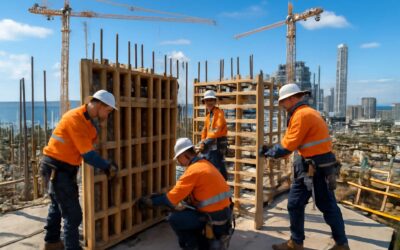
Traditional timber formwork remains a timeless choice in the world of construction, embodying both craftsmanship and practicality. Its organic charm lies in the versatility of timber, which allows for intricate mouldings and customised shapes that are often unattainable with modern materials. Despite the advent of innovative formwork types, seasoned builders still favour timber for its ease of handling and reusability, especially in small to medium-scale projects.
This formwork type offers a warm, natural aesthetic that can be integral to projects requiring a high degree of craftsmanship. The flexibility of timber panels makes them ideal for creating complex geometries and detailed finishes. Moreover, their affordability and accessibility make them a practical choice for many contractors. When selecting formwork types, it’s essential to consider factors like project scale, budget, and desired finish, all of which influence the enduring appeal of traditional timber formwork.
Plywood Formwork
Plywood formwork stands as a versatile and highly adaptable formwork type, capturing the imagination of seasoned builders and artisans alike. Its inherent strength and ease of installation make it a favourite for creating smooth, precise concrete surfaces, especially in intricate structures demanding a high degree of fidelity. The organic grain of plywood lends itself well to detailed mouldings, offering a tactile richness often absent in modern synthetic alternatives.
One of the most compelling aspects of plywood formwork is its reusability, which significantly reduces project costs and environmental impact. Its lightweight nature simplifies handling, allowing for swift adjustments and repositioning on site. This flexibility is particularly advantageous in projects with complex geometries or varying design elements. When considering formwork types, it’s crucial to evaluate the specific demands of the project, including the desired finish and logistical parameters.
In fact, many construction professionals favour plywood formwork for its durability and the capacity to withstand multiple pours without deterioration. The following elements highlight its core advantages:
- Ease of assembly and dismantling, saving valuable time
- Cost-effectiveness due to high reusability
- Excellent surface finish for visible concrete elements
- Adaptability to conform to complex architectural forms
Steel Formwork
Steel formwork emerges as a stalwart among the diverse array of formwork types, casting a formidable shadow with its resilience and precision. Its robust steel panels, often galvanised to resist corrosion, form the backbone of many large-scale construction projects, where strength and durability are paramount. Unlike timber or plywood, steel formwork offers a sleek, seamless surface, ensuring that the concrete finish is impeccable and free of imperfections.
What truly sets steel formwork apart is its capacity for customisation and reuse. With modular components that can be assembled into intricate moulds, it adapts effortlessly to complex architectural designs. This adaptability makes steel formwork a favourite for projects demanding high accuracy and repeatability. For those seeking longevity and minimal maintenance, steel formwork stands as an enduring choice, capable of withstanding countless pours without deterioration.
- Rapid erection and dismantling, reducing project timelines
- Extended lifespan through robust construction
- Precision in shape and surface quality
Aluminum Formwork
When it comes to innovative construction solutions, aluminium formwork stands out as a shining star in the galaxy of formwork types. Lightweight yet remarkably sturdy, aluminium formwork offers a nifty combination of portability and strength that can turn the most daunting projects into a walk in the park. Its modular design means that sections can be swiftly assembled or disassembled—think of it as the Lego of the construction world, but with far more serious implications.
One of the most compelling advantages of aluminium formwork is its rapid erection and dismantling capabilities, which can slash project timelines and send productivity soaring. Plus, its corrosion-resistant properties mean it’s ready to face the elements—be it rain, shine, or the occasional freak storm—without losing its edge. For those who crave precision, aluminium formwork delivers impeccably smooth concrete surfaces, reducing the need for post-pour finishing. Truly, it’s a versatile champion among the myriad formwork types, making construction not only efficient but also somewhat glamorous.
- High adaptability to complex architectural designs
- Reusable and environmentally friendly
- Lightweight for easier transportation and handling
- Corrosion-resistant, ensuring durability over multiple uses
In a nutshell, aluminium formwork epitomises modernity in formwork types, combining rapid deployment with longevity — a must-have for ambitious construction projects aiming for both precision and speed.
Plastic Formwork
Among the diverse array of formwork types, plastic formwork emerges as a compelling choice for modern construction projects seeking efficiency and versatility. Its lightweight nature not only simplifies transportation but also accelerates assembly, making it a preferred option for complex structures where speed is of the essence. Unlike traditional materials, plastic formwork offers a seamless surface finish that reduces the need for extensive post-casting work, saving both time and resources.
Innovative in design, plastic formwork can be tailored to accommodate intricate architectural details, demonstrating high adaptability to complex architectural designs. This adaptability extends to its reusable and environmentally friendly characteristics, aligning with sustainable construction principles. For projects aiming for minimal waste and maximum reuse, plastic formwork stands out as an eco-conscious solution among the myriad formwork types.
- Ease of handling due to its lightweight composition
- Corrosion resistance, ensuring longevity and durability
- Rapid installation and removal, reducing project timelines
In essence, plastic formwork exemplifies a harmonious blend of modern innovation and environmental mindfulness—an essential consideration in the evolution of formwork types for sustainable and efficient construction practices.
Reusable Formwork Systems
In the realm of construction, reusable formwork systems have become the silent heroes behind many successful projects. Their ability to withstand multiple uses without compromising structural integrity makes them an indispensable component of modern building practices. These systems not only optimise cost efficiency but also significantly reduce waste, aligning perfectly with the principles of sustainable development.
Among the diverse formwork types, reusable options such as steel, aluminium, and plastic stand out for their durability and adaptability. Steel formwork, renowned for its robustness, can be reused countless times, making it ideal for high-volume projects. Aluminium formwork offers a lighter alternative without sacrificing strength, facilitating quicker handling and installation. Plastic formwork, with its corrosion resistance and ease of assembly, exemplifies innovation in this category, proving particularly advantageous for complex architectural designs.
In selecting the appropriate reusable formwork system, considerations often revolve around project scale, complexity, and environmental impact. The versatility of these formwork types ensures they can cater to an array of construction needs, transforming what might seem a mundane process into an efficient, almost artful, operation. In a landscape where time and resource management are paramount, the strategic deployment of reusable formwork systems can truly redefine construction efficiency.
Types of Permanent Formwork
Honeycomb Formwork
Among the various formwork types available, honeycomb formwork stands out for its innovative design and durability. This permanent formwork type features a cellular, honeycomb-like structure that provides excellent load-bearing capacity and stability. Its unique configuration allows for quick assembly and disassembly, making it a favourite in large-scale construction projects where efficiency is paramount.
Honeycomb formwork is often preferred for its ability to create complex concrete structures with precision. Its modular nature means it can be customised to fit different project needs, offering flexibility that traditional formwork types sometimes lack. Additionally, the material’s strength and lightweight properties contribute to reduced labour costs and faster turnaround times.
In terms of application, honeycomb formwork is ideal for constructing walls, columns, and beams—especially when high-quality finishes are required. Its eco-friendly profile, thanks to its reusability and minimal waste, further cements its status as a sustainable choice among formwork types. For those seeking a resilient, adaptable, and efficient formwork system, honeycomb formwork is a compelling option to consider in your construction toolkit.
Insulated Concrete Forms (ICFs)
In the shadowed realm of construction, where precision and resilience intertwine, Insulated Concrete Forms (ICFs) emerge as a formidable contender among formwork types. These permanent formwork systems blend the strength of concrete with the insulating qualities of foam, forging walls that stand as silent sentinels against the ravages of time. Each ICF unit is a testament to modern ingenuity, offering not just structural integrity but also energy efficiency that whispers of sustainability’s quiet revolution.
Unlike traditional formwork types, ICFs are designed to remain in place, becoming an integral part of the finished structure. Their modular nature allows for swift, almost ghost-like assembly, casting an aura of efficiency over the construction process. For those seeking to create resilient, thermally insulated structures, ICFs present a compelling choice—an enduring shield against the elements, wrapped in the allure of innovation.
Within this realm, ICF systems often take the form of:
- Interlocking blocks or panels that form the core of the wall
- Embedded channels for electrical and plumbing installations
- Reusable components that reduce waste and environmental impact
As a formwork type, ICFs beckon with their promise of durability and energy efficiency, casting a darkly poetic glow over the future of sustainable construction. In a world hungry for greener solutions, these insulated systems stand as both shield and sanctuary—proof that even in the shadows, innovation can flourish.
Fiber-Reinforced Plastic Formwork
In the ever-evolving landscape of construction innovation, Fiber-Reinforced Plastic (FRP) formwork stands out as a marvel of modern engineering. Known for its lightweight yet durable nature, this formwork type offers a sleek alternative to traditional materials, boasting resistance to corrosion and a remarkably long lifespan. Its seamless surface finish reduces the need for extensive post-casting touch-ups, saving both time and labour costs — a veritable boon in the quest for efficiency.
FRP formwork is often customised to fit specific project demands, with modular designs that facilitate swift assembly and disassembly. For those seeking versatility, some manufacturers provide options such as:
- Interlocking panels for complex geometries
- Pre-fabricated sections tailored to unique structure requirements
- Embedded channels for electrical and plumbing integration
Such innovations in formwork types not only elevate the ease of construction but also underscore a commitment to sustainability — a trait that increasingly defines the industry’s future. With its blend of strength, adaptability, and eco-conscious appeal, fiber-reinforced plastic formwork continues to carve a niche, proving that even in the world of formwork types, there’s room for a touch of ingenuity and elegance.
Specialized Formwork Systems
Jump Form and Flying Form Systems
Among the diverse array of formwork types, Specialized Formwork Systems such as Jump Form and Flying Form Systems stand out for their remarkable efficiency and adaptability. These systems are designed to accelerate construction timelines while maintaining impeccable safety standards, making them indispensable in high-rise and complex structures. Jump Form, for instance, allows for continuous vertical progression, essentially “jumping” to new levels without the need to dismantle the mould after each pour. This process reduces downtime and labour costs, creating a seamless workflow that seems almost poetic in its precision.
Similarly, Flying Form Systems operate with a high degree of automation, enabling the formwork to be moved swiftly along the structure, often with minimal manual intervention. This system is particularly suited for repetitive, large-scale projects where speed and consistency are paramount. The elegance of these formwork types lies in their ability to transform what once was labour-intensive into a choreographed dance of engineering mastery. They exemplify human ingenuity, pushing the boundaries of what construction can achieve while subtly questioning the very nature of efficiency and progress.
Slipform Technique
Slipform technique stands as a testament to innovation in the realm of formwork types, transforming how tall structures are realised. Unlike traditional methods, slipforming involves a continuous, seamless process where the formwork system moves steadily upwards as concrete is poured and set. This dynamic approach is especially advantageous for constructing tall, monolithic structures like silos, towers, and bridge piers, where precision and efficiency are paramount.
What makes slipform systems truly remarkable is their ability to deliver consistent quality with minimal interruption. The formwork is often supported by hydraulic jacks or other automated mechanisms that allow for smooth, controlled movement. This not only speeds up construction but also reduces labour costs and material waste, embodying the essence of modern construction excellence. In the landscape of formwork types, slipform stands out for its capacity to adapt to complex, high-precision projects with ease.
In essence, slipform technique exemplifies how ingenuity in formwork types can elevate construction standards and accelerate project timelines, all while maintaining safety and structural integrity. For those seeking a versatile, innovative solution for vertical construction, slipform systems offer a compelling option that marries engineering mastery with practical efficiency.
Self-Climbing Formwork
Among the many innovative formwork types, Specialized Self-Climbing Formwork stands as a pinnacle of modern engineering elegance. This system, designed for the construction of towering structures, employs a sophisticated mechanism that allows the formwork to ascend vertically without the need for extensive scaffolding or external supports. The seamless integration of hydraulic or mechanical jacks ensures smooth, controlled movement, turning what was once labour-intensive into a ballet of precision and efficiency.
What truly elevates self-climbing formwork is its ability to adapt to complex architectural designs while maintaining safety and high-quality finishes. This versatility makes it an indispensable choice for constructing high-rise buildings, façades, and intricate facades where conventional formwork would falter. Especially in urban environments, its minimal disruption to surroundings underscores its significance among the diverse formwork types.
- Accelerated construction timelines due to continuous, automated ascent
- Reduced on-site labour costs and increased safety measures
- Enhanced surface quality with consistent formwork alignment
Ultimately, self-climbing formwork exemplifies how the evolution of formwork types can redefine the skyline, blending technological innovation with architectural ambition. Its beauty lies not just in its function but in its ability to transform visions into soaring realities with grace and reliability.
Comparison of Different Formwork Types
Cost Effectiveness
When it comes to choosing the right formwork types for a construction project, cost effectiveness can often be the deciding factor. While traditional timber formwork might seem more affordable upfront, its labour-intensive setup and limited reuse can inflate costs over time. Conversely, advanced systems like aluminium or reusable plastic formwork offer substantial savings in labour and material costs, especially on large-scale projects.
It’s essential to weigh not just the initial expense but also the lifespan and flexibility of each formwork type. For example, steel formwork, with its durability and high reusability, tends to be more economical in the long run, despite a higher initial investment. On the other hand, innovative systems such as honeycomb or slipform techniques might have higher upfront costs but deliver unmatched efficiency and precision, reducing overall project durations.
Ultimately, selecting the most cost-effective formwork type hinges on project scale, design complexity, and desired turnaround time. A balanced approach ensures optimal utilisation of resources, transforming the construction journey into a seamless adventure of engineering mastery.
Ease of Installation
Choosing the right formwork types can dramatically influence the pace and precision of a construction project. One crucial aspect to consider is the ease of installation, which directly impacts project timelines and workforce efficiency. Different formwork types vary significantly in their setup complexity, with some systems designed for swift assembly while others require meticulous alignment and fastening. For example, aluminium formwork is renowned for its lightweight nature and rapid installation, making it ideal for high-rise developments where time is of the essence.
Steel formwork, although heavier, offers a straightforward installation process thanks to its robust modular design. Meanwhile, innovative systems like slipform and self-climbing formwork exemplify automation and speed, often reducing the need for extensive manual labour. To better understand these variations, consider this overview:
- Aluminium Formwork – characterised by quick setup and high precision, reducing overall labour time.
- Traditional Timber & Plywood Formwork – typically labour-intensive, requiring more manual effort and time to install.
- Steel & Reusable Plastic Formwork – offering durability and ease of assembly, especially in repetitive applications.
Ultimately, the ease of installation is intertwined with project scale, complexity, and available resources. The selection of appropriate formwork types should balance these elements, transforming what might seem daunting into a seamless process that marries efficiency with engineering excellence.
Reuse and Longevity
When comparing different formwork types, the aspect of reuse and longevity can significantly influence project sustainability and overall costs. Some systems are designed for multiple reuses, offering a longer lifespan and better investment value. Aluminum formwork, for example, is celebrated for its durability and can often be reused hundreds of times without significant wear, making it a favourite for high-rise construction projects where time and efficiency matter.
In contrast, traditional timber and plywood formwork tend to be less resilient, with limited reuse potential due to wear and damage over time. Steel and reusable plastic formwork systems strike a balance—they are sturdy and capable of multiple reuses, which reduces waste and minimises long-term expenditure.
- Aluminium formwork
- Steel formwork
- Plastic formwork
These options are not only cost-effective but also environmentally friendly, as their longevity means fewer resources are needed for replacement.
Ultimately, selecting the right formwork types hinges on understanding their reuse capabilities and how they align with the project’s scale and environmental goals. The durability and longevity of a formwork system can turn what initially seems a minor choice into a cornerstone of sustainable construction practices, ensuring that each project leaves a lighter footprint on the planet.
Suitability for Complex Structures
When it comes to sculpting complex structures, the choice of formwork types is nothing short of an art form. Certain systems seem almost destined for intricate designs, offering versatility and precision that traditional methods struggle to match. For instance, jump form and flying form systems excel in creating towering, convoluted shapes with seamless efficiency, their modular nature allowing for rapid adaptation to architectural complexity.
Meanwhile, slipform technique and self-climbing formwork are marvels of modern engineering, capable of moulding the most daring curves and contours without sacrificing stability. These advanced formwork types provide the flexibility needed to craft complex structures that push every boundary of conventional construction. Their ability to adapt mid-project ensures that even the most ambitious designs can become tangible realities.
In essence, selecting the right formwork types for complex structures is a delicate dance—balancing innovation, durability, and ease of installation. As the boundaries of architecture expand, so too does the importance of choosing systems that embody both ingenuity and resilience, turning visions into built wonders that stand as testaments to human creativity and engineering prowess.
Environmental Impact
As the construction industry increasingly embraces eco-conscious practices, understanding the environmental impact of different formwork types becomes crucial. Some systems, such as reusable steel and aluminium formwork, are celebrated for their minimal waste and long lifespan, significantly reducing construction’s carbon footprint. Their durable nature allows multiple reuses, conserving resources and lowering overall environmental costs.
Contrastingly, traditional timber formwork and plastic formwork, while popular for their versatility and ease of installation, often generate more waste and require frequent replacement, escalating landfill contributions. To navigate this landscape, many engineers now favour innovative solutions like honeycomb formwork and insulated concrete forms (ICFs), which offer both environmental benefits and structural excellence.
Ultimately, choosing the right formwork types involves weighing environmental considerations alongside durability and efficiency. Prioritising systems that emphasise sustainability not only aligns with global green initiatives but also enhances a project’s reputation and long-term viability.
Innovation and Future Trends in Formwork
Modular and Prefabricated Systems
The horizon of construction technology is shifting, driven by a relentless pursuit of efficiency and sustainability. Innovation in formwork modular and prefabricated systems is not just about faster build times; it’s about reimagining the very essence of how structures come to life. These advanced formwork types are designed to adapt seamlessly to complex geometries, reduce waste, and optimise resource utilisation, reflecting a deeper understanding of our environmental footprint.
Future trends suggest a move towards smart formwork systems embedded with sensors and automation, promising unprecedented precision and safety. Imagine formwork types that communicate data on load stress and alignment in real-time—empowering builders to make informed decisions instantly. The integration of robotics and lightweight materials could revolutionise installation processes, making them safer, quicker, and more cost-effective. As the industry embraces these innovations, it’s clear that the evolution of formwork systems will continue to challenge traditional paradigms and push the boundaries of what is achievable in construction.
- Enhanced durability and lifespan of formwork systems through innovative materials.
- Greater integration of digital technology for real-time monitoring and control.
- Development of eco-friendly and recyclable formwork components to minimise environmental impact.
Automation and Robotics in Formwork
Innovation is transforming the landscape of construction, and nowhere is this more evident than in the realm of formwork automation and robotics. As buildings grow increasingly complex, traditional formwork types are giving way to smarter, more adaptable systems that promise to redefine efficiency and safety. Advanced robotics, integrated with sensors and automation, are now capable of performing tasks that once required countless hours of manual labour.
Future trends point towards the development of *smart formwork systems* embedded with real-time data monitoring capabilities. Imagine formwork types that can communicate load stress, alignment, and environmental conditions instantaneously, allowing builders to respond proactively. This seamless exchange of information not only minimises errors but also enhances safety on site. The integration of lightweight materials and robotic installation methods could revolutionise how structures are erected, making the process faster, safer, and more environmentally sustainable.
- Automation-driven precision reduces waste and material costs
- Robotics enable rapid deployment in complex geometries
- Digital control systems optimise resource utilisation and scheduling
On the horizon, the continual evolution of formwork types will likely include highly durable materials, embedded AI, and recyclable components—each pushing the boundaries of what is achievable in construction technology. As these innovations unfold, the industry moves closer to a future where formwork systems are not just passive moulds but intelligent, adaptive frameworks that anticipate and respond to their environment.
Eco-Friendly Materials
Innovation continues to push the boundaries of what’s possible in construction, and eco-friendly materials are at the forefront of this transformation. As the industry strives for sustainability, new formwork types incorporating environmentally conscious materials are emerging, promising to reduce carbon footprints without compromising performance. These advanced systems are not only durable but also designed to minimise waste and resource consumption, aligning with the global push towards greener building practices.
Future trends in formwork types are leaning heavily towards the utilisation of recyclable and biodegradable materials. For instance, bioplastics and reclaimed timber are being explored as sustainable alternatives, offering the same structural integrity as traditional options but with a significantly reduced environmental impact. Moreover, innovative composites combining lightweight strength with biodegradability are set to revolutionise how structures are built and deconstructed.
Some of the most promising developments include:
- Recyclable plastic formwork that can be reprocessed multiple times
- Biodegradable panels made from natural fibres
- Use of renewable materials like bamboo in specialised formwork systems
Embracing these eco-friendly materials within the realm of formwork types not only supports sustainability goals but also introduces a new level of adaptability and efficiency. As construction technology continues to evolve, the integration of green materials will undoubtedly play a pivotal role in shaping the future of formwork systems—making them smarter, more sustainable, and more aligned with the planet’s needs.
Smart Formwork Technologies
Innovation in formwork types is accelerating faster than a concrete pour on a hot day. The future is not just about sturdiness and speed but also about smarts—yes, smart formwork technologies are making construction sites more efficient and eco-conscious. Imagine formwork systems that adapt to complex shapes with minimal human intervention—now, that’s the kind of tech revolution that keeps engineers awake at night (in a good way!).
One of the most exciting trends is the integration of digital automation. Automated formwork systems, equipped with sensors and robotics, can adjust their positions in real-time, reducing waste and speeding up build times. This leap towards intelligent formwork types promises not only cost savings but also a significant reduction in the environmental footprint of construction projects.
- Self-climbing formwork, for instance, now employs advanced hydraulics and remote controls, enabling higher buildings to rise faster than ever.
- Modular systems are becoming smarter, with interconnected components that can be reconfigured on the fly, embracing the versatility demanded by today’s complex structures.
All these innovations are propelling the industry towards a future where formwork types are not just passive moulds but dynamic, adaptable systems that prioritise sustainability, efficiency, and safety. Truly, the era of the static formwork is over; welcome to the age of intelligent construction solutions!

0 Comments