
Understanding formwork support essentials
What is formwork support and why it matters
On South Africa’s busiest builds, misaligned formwork can derail timelines and inflate costs—industry chatter cites budget overruns of up to 12% when accuracy slips!
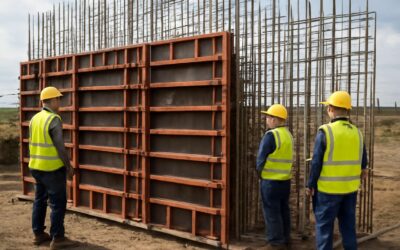
Formwork support is the framework that holds concrete in place as it cures, transferring loads safely to the ground. When this system is designed and installed properly, it keeps walls and slabs true and reduces rework on site, especially on demanding SA projects.
Key considerations include:
- Load paths aligned with pour schedules and rebar
- Secure bracing and adjustable props to withstand wind and vibration
- Material compatibility and adherence to local safety standards
In short, getting this part of the build right is not glamorous, but it keeps projects on track and on budget!
Key functions of formwork support systems
formwork support is the quiet architect of every concrete rise. On South Africa’s busiest sites, misalignment can stall progress and inflate costs—overruns hovering around 12% when accuracy slips. Understanding the essentials starts with what it does beneath the surface: how loads travel from fresh concrete into props, braces and frames, and how each adjustment holds geometry steady as the pour cures. This network must align with pour schedules, reinforcing bars, and the ground to keep walls and slabs true!
Key functions include:
- Direct load paths that mirror pour schedules and rebar layouts
- Secure bracing and adjustable props to withstand wind and vibration
- Material compatibility and adherence to local safety standards
- Efficient stripping and reusability to minimize downtime
Benefits of proper formwork support in construction
Across South Africa’s hive-like construction sites, a single misalignment can cost a fortune. A precise pour hinges on formwork support—the quiet architect of every rise—keeping walls fair, edges true, and slabs level as the concrete sets! It is the unseen choreography beneath the surface, guiding weight, pace, and geometry so that every frame whispers accuracy from foundation to crown. These guardians turn ambitious plans into solid realities.
- Efficient stripping and reuse to minimize downtime
- Stable bracing and adjustable props for wind and vibration
- Material compatibility and adherence to safety standards
When the supports behave, schedules breathe easier, safety holds and downtime shrinks.
The right framework becomes a quiet ally, turning ambitious plans into solid, true skylines.
Common formwork support configurations
Across South Africa’s hive-like construction sites, a single misalignment can derail a schedule and drain budgets. A solid grasp of formwork support is the quiet backbone that makes walls plumb, edges true, and slabs level as the pour cures. In busy yards, every joint and brace does quiet, precise work—until it doesn’t.
Common configurations help keep the frame steady as it grows. With careful setup, adjustable props and shores hold the weight, transoms carry the span, and bracing frames tie it together. Cantilever formwork and temporary towers let crews reach higher pours without compromising stability.
- Adjustable props and shores
- Transoms and bracing frames
- Cantilever formwork for overhangs
- Temporary towers and wind bracing
In practice, this formwork support mindset translates into safer work floors and a steady rhythm on site.
Categories of formwork support systems
Timber-based support solutions
South Africa’s burgeoning skylines hinge on the quiet discipline of formwork support. On many sites, studies hint that missteps here can amplify rework by as much as 15%, a wager you’d rather not make. Timber-based approaches, when tuned, feel like a dialogue between timber, weight, and weather.
Categories of timber-based formwork support systems include:
- Timber shores and props
- Timber ledgers and braces
- Plywood-faced timber panels
- Reusable timber beams and wedges
Each category carries a temperament—weight distribution, reuse cycles, and resilience to SA’s humidity and heat. In practice, timber shores offer flexibility for irregular geometry, while plywood panels knit surfaces with light touch and ease of stripping—this is the essence of effective formwork support.
The cadence of a project breathes easier when timber-based solutions align with site realities, from supplier lead times to environmental stewardship.
Steel and aluminum props and shores
On South Africa’s bustling sites, the quiet arithmetic of steel and aluminum props and shores keeps gravity honest. The stakes are higher than they look: missteps in formwork support can unlock costly rework. Steel brings stubborn reliability and bulk, while aluminum offers nimble lightness—two temperaments that balance speed with strength and weather the SA heat with uncommon ease.
Within this category, capacity and adjustability steer the choice. Steel props and shores deliver enduring stability for heavy pours; aluminum earns its stripes in quick, repeat cycles under a sunburnt sky.
- Heavy-duty steel: high load tolerance and long life.
- Aluminum: light, nimble handling and faster setup.
- Corrosion resistance: suited to humid SA climates.
- Reuse potential: multiple projects with proper inspection.
These metal categories shape practical rhythms on site.
Shoring frames and towers
On South Africa’s busier sites, shoring frames and towers keep gravity honest, turning bold ambitions into buildable realities. Categories of formwork support systems exist to match pours, spaces, and climates, from compact frames to towering solutions that rise with the project.
- Shoring frames
- Tower systems
- Hydraulic and screw jacks
Each category brings its own rhythm—frames for quick adjustments, towers for tall spans, and hydraulic systems for controlled lifts. Within these choices, capacity and climate tolerance guide selection.
Walers and alignment systems
Across South Africa’s crane-dotted horizons, every successful pour is a salute to formwork support. On busy sites, a thoughtful approach to Walers and alignment systems can trim downtime and turn bold plans into safe, standing reality. A recent industry snapshot links misalignment to a sizable share of rework—roughly 28% of formwork delays.
Walers span the frame, carrying the weight of shields and concrete while keeping lines true under pressure. Alignment systems—ledgering, bracing, and adjustable connectors—gentle the edge of accuracy, ensuring pours stay square and sound as they cure.
- Consistent load distribution across slabs and walls
- Adaptability to climate and moisture variations
- On-site ease for quick pour-to-pour adjustments
- Durable, SA-ready corrosion resistance
Together, walers and alignment systems anchor more than concrete—they anchor the dream of South Africa’s skylines.
Materials, specs, and performance for formwork support
Material properties for steel props and tubes
In the heat of a South African sun, formwork support must stay true as concrete takes shape. The steel props and tubes at the heart of the system rely on material properties that fuse strength with resilience—galvanised carbon steel for corrosion resistance, tight tolerances for smooth threads, and weldless, modular joints that resist fatigue under dynamic loads. As one veteran foreman puts it, “Formwork is where design meets reality.”
- Galvanised steel props resist corrosion and last in SA conditions
- Thick-walled tubes minimize deflection under load
- Precise threads and couplers enable quick, secure adjustments
Specs and performance hinge on load distribution, height range, and brace compatibility for formwork support systems. The tubes’ wall thickness and props’ thread engagement govern stiffness and settlement resistance—critical for long, lean structures. In demanding job sites, a focus on certified finishes and tested connectors ensures consistent performance across shifts and weather for shoring systems.
Timber vs. metal formwork components
In the South African sun, formwork support is more than hardware—it’s the hinge that keeps a pour honest. Timber offers on-site adaptability and gentler interaction with forms, while metal props pull strength and longevity into view. The smart choice weighs load sharing, deflection resistance, and weathering, because true formwork support keeps walls plumb and slabs true.
- Timber components: easy on-site cutting and lower upfront cost, but vulnerable to moisture and shrink-swell.
- Metal components (galvanised steel or aluminium): high load capacity, precise tolerances, longer service life; heavier and pricier.
- Hybrid approaches: blend timber speed with metal strength for tailored performance.
Spec sheets and performance data hinge on wall thickness, thread engagement, and brace compatibility. On SA sites, corrosion resistance and tight tolerances ensure consistent results across shifts and weather. With a balanced formwork support system, concrete takes shape with confidence and clarity.
Coatings, corrosion resistance, and durability
On South Africa’s sun-scorched sites, formwork support earns its keep like a shield of dawn. The right coatings turn humble timber and metal into enduring armor, letting pours proceed with quiet confidence. Armor against moisture, heat, and wear saves time and money, and the story of every successful pour begins with a sealed surface.
Coatings and surface treatments drive corrosion resistance and durability across shifts. Epoxy and polyurethane finishes offer superb moisture barriers, while galvanised steel and aluminium rely on sacrificial protection and oxide layers to resist the elements. UV stability and salt-air exposure are tamed, prolonging performance in SA’s varied climates.
- Epoxy and polyurethane coatings: moisture barrier and chemical resistance.
- Galvanised steel and aluminium: sacrificial protection and lightweight durability in corrosive environments.
Durability is measured in service life, fatigue resilience, and the ability to hold tight tolerances under load. By selecting coatings matched to wall thickness and exposure, spec data becomes a practical forecast—keeping the system dependable from dawn to dusk.
Load ratings, safety factors, and verification
“Formwork is the silent partner of every successful pour,” a veteran site supervisor reminds us. A single misread load rating can derail a pour, and on South Africa sites that mistake isn’t charming—it’s pricey. Formwork support systems are the quiet guardians of precision, translating architectural intent into a stable working environment where walls stay plumb and pours stay on plan!
Key specs to watch for include ratings, safety factors, and verification cycles, all tailored to wall thickness and exposure.
- Load ratings (working and ultimate) tailored to the member size and concrete type
- Safety factors aligned with local codes and project risk profiles
- Verification and calibration schedules to keep gear accurate
- Inspection trails and documentation for traceability
When these specs are nailed, formwork support delivers predictable tolerances under fatigue, reducing rework and keeping projects moving from dawn to dusk.
Installation workflows and safety measures
Pre-pour setup and layout planning
A concrete ascent begins with a plan that stands on formwork support. On South African job sites, the choreography of installation workflows sets the tempo for the pour, and safety is the first rhythm. Before a single bolt, pre-pour layout planning maps every load path, every clearance, and every crewmember’s route, turning uncertainty into measured certainty.
In practice, the workflow unfolds like a tight sequence:
- Pour direction and geometry verified against drawings
- Vertical props, walers, and shores installed with calibrated bracing
- Connections secured, components tagged, and safe access routes established
Safety measures emphasize steady discipline: level and plumb checks, secure restraint, clean bases, and clear communication on the floor. On site, adherence to the OSH framework and local codes keeps pace with ambition, ensuring formwork support remains a steadfast backbone beneath every pour.
Aligning, leveling, and bracing
On South African job sites, a perfect pour begins with a quiet pact: every line and clearance accounted for, every member of the crew moving in synchronized precision. The formwork support is the unsung backbone, keeping hopes level and definition sharp—even when the concrete starts its inevitable chorus.
Installation workflows rest on three acts: aligning the layout to drawings, leveling verticals, and bracing with calibrated props, walers, and shores. The crew flows like an orchestra, with secure access, tagged components, and steady handoffs guiding the process. With formwork support configured, alignment remains secure.
- Align and plumb to drawing references
- Brace with calibrated props and cross-bracing
- Secure connections and maintain clear access
Safety is the tempo that never slips: level and plumb checks, restrained components, clean bases, and crisp communication. OSH compliance and local codes keep pace with ambition, ensuring the system remains the steadfast backbone beneath every pour.
Inspection checklists before concrete pour
On South African sites, installation workflows unfold like a quiet symphony, with formwork support holding the score steady as the tempo shifts. The crew moves with purpose—from secure access corridors to tagged components—each handoff a note in a larger harmony. The system isn’t flashy, but it is alive, turning raw space into a canvas where concrete breathes and takes shape.
- Component tagging and traceability
- Connection integrity and bolt tension
- Clear access routes and fall protection
- Documentation and signatures for readiness
Safety is the tempo that must never falter: level and plumb checks, restrained components, clean bases, and crisp communication. OSH compliance and local codes keep pace with ambition, ensuring the system remains the steadfast backbone beneath every pour.
On-site safety practices and PPE
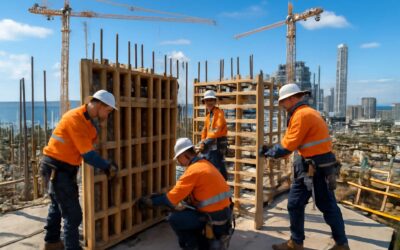
On South African sites, safety gear isn’t optional—it’s the difference between a pour and a wobble. Studies show injuries drop by up to 40% when PPE is worn consistently, turning risk into routine. Installation workflows unfold as a careful choreography, with formwork support acting as the quiet backbone.
On-site safety practices are about presence, not bravado: PPE that fits, eye protection that shields, and hard hats that stay put as people and props move in close corridors.
- Hard hats and eye protection
- Steel-toe boots and gloves
- High-visibility clothing and hearing protection
- Dust masks or respirators when required
The rhythm is cautious but confident, with clear communication keeping everyone aligned and the system ready for whatever the next pour throws at it.
Design considerations and optimization for efficiency
Code compliance and load calculation basics
Designing for efficiency in formwork support is a quiet act of courage. Each bracing choice and alignment can trim days from a project while keeping safety intact. It’s a choreography of strength and speed, letting the formwork breath with the pour and adapt to irregular shapes without faltering.
Key design considerations:
- Modularity and reusability
- Clear load paths and accessibility
- Adjustability for uneven surfaces
- Visible inspection zones
Code compliance and load calculation basics anchor every decision. Local standards set the frame; engineers verify safe working loads, design margins, and sequence compatibility. In practice, assess dead and live loads, plus the impact of the pour itself, to keep formwork support reliable from first lift to final set. In South Africa, this calculus sits on a foundation of standards and professional oversight—and I’ve witnessed the calm a well-designed system brings.
Sequencing and temporary works integration
On South Africa’s busy sites, a sharp sequence is a quiet superpower—one that can shave weeks off a schedule without shouting ‘safety first.’ Industry chatter suggests projects that knit temporary works into the plan from the outset enjoy smoother pours and fewer surprises. When done well, formwork support becomes less about brute strength and more about choreography—aligning components, tolerances, and access in one elegant beat.
Design considerations for efficiency are less about a single gadget and more about a system mindset: modular units that snap together, digital planning that simulates tilt and lift, and interfaces that let teams move quickly between tasks. Keep the overall flow in mind—materials arriving in sequence, inspections visible and non-disruptive, and assembly that can adapt when a curve or corner refuses to be ordinary.
Inspection, maintenance, and handover
South Africa’s bustling construction sites crave efficiency, and recent project data show pour durations can drop by as much as 25% when formwork support is woven into the design from day one. In this tale, strategy quietly outpaces brute force, delivering smoother pours and fewer surprises.
Design considerations for efficiency hinge on a system mindset rather than a single gadget.
- Modular units that snap together for rapid layout
- Digital planning that simulates tilt, lift, and clearance
- Interfaces enabling quick handoffs between crews
Inspection, maintenance, and handover emerge as the final chapters—clear records, visible wear markers, and disciplined checklists woven into the life of formwork support ensure a seamless transition to the client and a project that stands the test of time.
Cost-saving strategies without compromising safety
On South Africa’s sprawling construction stages, efficiency wears a quiet, spectral mask. When formwork support enters design from the outset, pour durations can crumble by a quarter. Strategy, not brute force, threads smoother pours through the skeleton of the structure.
Design considerations hinge on a system mindset. Favor interlocking modular frames that adapt to shifting loads, and embrace digital planning that models tilt, lift, and clearance before concrete touches. Chart interfaces that smooth handoffs between crews; the aim is a living layout where components talk to one another. This is formwork support in action across the site.
Cost-saving strategies, pursued with care, need not degrade safety. Standardization reduces bespoke waste; material reuse trims cost and footprint; and upfront procurement aligns quality with availability. In this theatre of concrete, it remains a guardian of predictability rather than an expense to fear.
Durability and reuse planning
On South African job sites, time is currency and delays cost more than money—they ripple through the schedule like a dropped bead. Studies show up to 20% idle time can creep into pours when design arrives late. When formwork support is woven into the blueprint, cycles speed up and waste dissolves into air.
A system mindset asks how the skeleton can talk to itself. Favor interlocking modular frames that adapt to shifting loads, and embrace digital planning that models tilt, lift, and clearance before concrete touches. This is formwork support at work, translating plans into safer, smoother pours across the site.
Key levers include:
- Interlocking modular frames that adapt to changing loads
- Digital planning models for tilt, lift, and clearance
- Standardized components that ease procurement and pave the way for reuse
Durability emerges when coatings, corrosion resistance, and reuse planning are treated as design decisions, not afterthoughts. Proper storage, inspection, and rotation of stock keep the system ready for the next campaign, extending life cycles and cutting footprint.

0 Comments