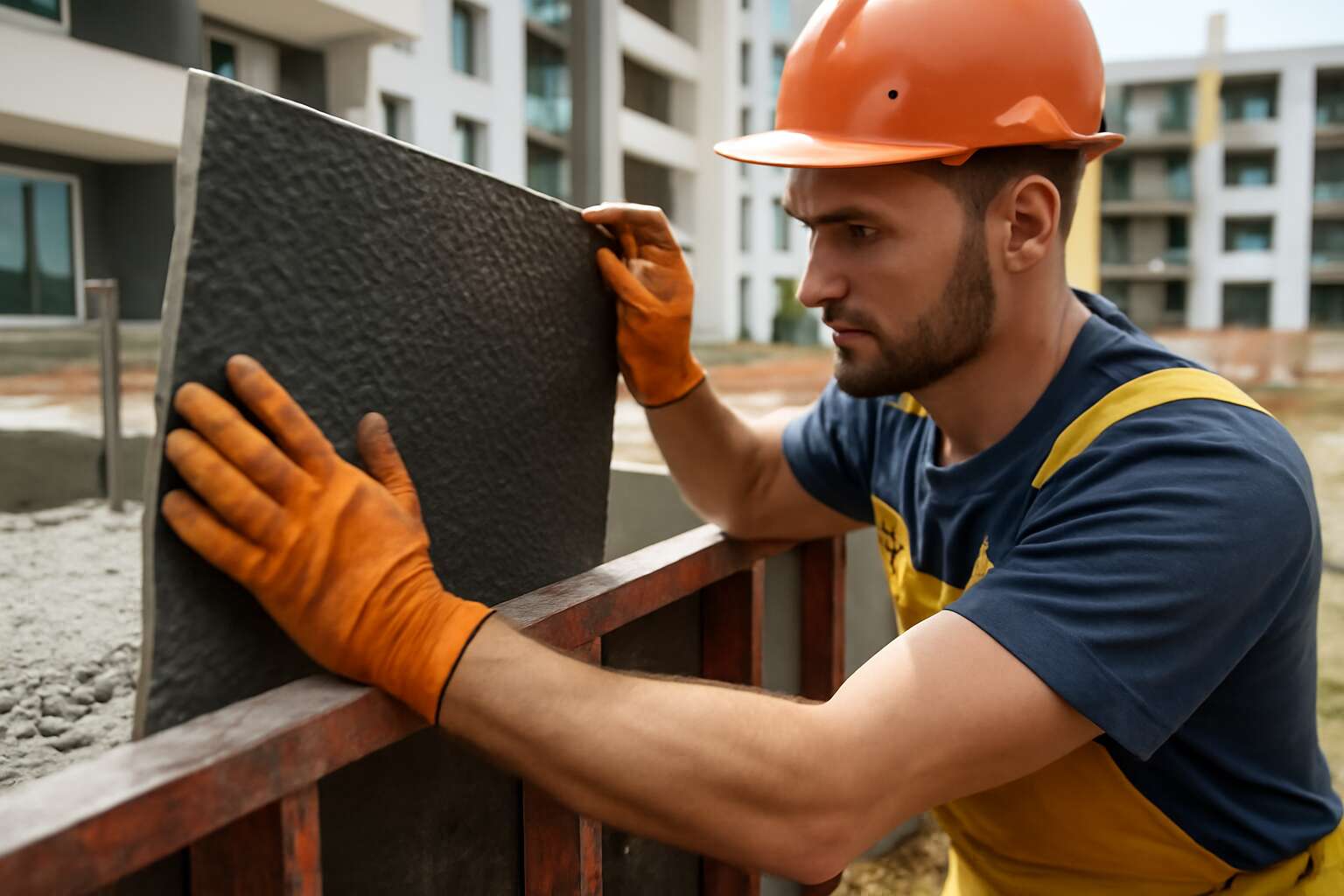
Understanding Formwork Liners
Definition and Purpose of Formwork Liners
Formwork liners are an essential component in modern construction, yet their role often goes unnoticed until a project hits a snag. Essentially, a formwork liner is a protective or decorative layer placed inside the formwork to influence the final surface finish of concrete structures. It’s a subtle but powerful tool that can significantly impact both aesthetics and durability. As structures become more complex, understanding the purpose of a formwork liner becomes crucial in ensuring high-quality results.
The primary purpose of a formwork liner is to create a smooth, defect-free surface on concrete. It also helps in reducing formwork wear and tear, which can otherwise lead to increased costs and delays. In South Africa’s diverse construction landscape, where both commercial and residential projects demand efficiency and precision, formwork liners offer a strategic advantage. They can be made from a variety of materials, including plastic, rubber, or plywood, each serving different needs and providing specific benefits.
- Achieving superior surface quality
- Extending the lifespan of formwork systems
- Reducing labor costs and cleanup time
Types of Formwork Liners
When it comes to choosing a formwork liner, variety is the spice of construction life. Think of the different types of formwork liners as the cast of a well-rehearsed play—each has a role that can dramatically change the final act, or in this case, the concrete surface. From smooth plastic liners that deliver a mirror-like finish to rugged rubber options designed for durability, the choices are as diverse as South Africa’s landscape.
In the realm of formwork liners, material matters. Plastic liners excel in creating impeccable surfaces, perfect for decorative concrete and high-end finishes. Rubber liners, on the other hand, are champions of resilience, absorbing wear and tear like a pro. Plywood liners, often the traditionalists, provide a cost-effective solution but may require more maintenance. For those looking for a strategic edge, understanding the different types of formwork liners can make all the difference in project efficiency and quality.
- Plastic formwork liners: The go-to for smooth, flawless finishes.
- Rubber formwork liners: Built tough, ideal for repetitive use and wear resistance.
- Plywood formwork liners: Budget-friendly, yet versatile for many applications.
Choosing the right formwork liner isn’t just about aesthetics—it’s about extending the lifespan of your formwork system and reducing costly delays. So, whether your project demands a sleek surface or rugged durability, understanding the types of formwork liners available ensures your construction efforts stand tall—and look good doing it.
Common Materials Used in Formwork Liners
In the symphony of construction, the materials chosen for a formwork liner play a pivotal role in shaping the final masterpiece. These liners, often unseen yet profoundly influential, are crafted from a variety of substances—each whispering its own story of durability, finesse, and resilience. Among the most revered are plastics, rubber, and plywood, each contributing distinct qualities that elevate the craft of concrete finishing.
Plastic formwork liners, with their smooth surfaces and impeccable finish, are akin to a mirror reflecting perfection. They excel in creating decorative concrete surfaces that demand a flawless appearance—ideal for high-end projects where aesthetics reign supreme. Rubber liners, rugged and steadfast, are the unsung heroes of durability. Designed to withstand repetitive use and harsh conditions, they absorb the relentless wear and tear of the construction process. Meanwhile, plywood liners stand as the traditionalists—cost-effective, versatile, yet requiring vigilant maintenance to preserve their integrity over time.
Understanding the common materials used in formwork liners unveils a tapestry of options for every project’s unique demands. For instance, some formwork liners incorporate:
- High-density polyethylene (HDPE), celebrated for its chemical resistance and smooth finish.
- Reinforced rubber compounds, offering exceptional resilience under demanding conditions.
- Marine-grade plywood, appreciated for its strength and adaptability, despite a higher maintenance requirement.
These materials—each with their own character—are chosen with meticulous care, for they are the silent architects behind the surface quality of the poured concrete. As the heartbeat of formwork systems, the formwork liner material selection can spell the difference between a surface that dazzles and one that disappoints. In South Africa’s diverse landscape of construction, this knowledge becomes an invaluable compass guiding the craft toward excellence.
Advantages of Using Formwork Liners
In the intricate dance of construction, choosing the right formwork liner is akin to selecting the perfect brush for a masterpiece. It’s a decision rooted in understanding the advantages that these liners bring to the table, often transforming ordinary concrete surfaces into works of art. A well-chosen formwork liner not only enhances surface quality but also extends the lifespan of the moulds, reducing long-term costs and downtime.
One of the most compelling benefits of using a formwork liner is its ability to produce a superior finish. This is especially vital in projects where aesthetics are paramount—say, decorative facades or intricate architectural features. Additionally, formwork liners can significantly reduce finishing time, allowing for a more efficient workflow. For example, high-density polyethylene (HDPE) liners are prized for their chemical resistance and smooth surface, making them ideal for demanding environments.
Moreover, the durability of a formwork liner can’t be overstated. Reusable liners, such as reinforced rubber or marine-grade plywood, withstand repeated cycles of use, offering an excellent return on investment. They also provide a level of resilience that helps absorb the impact of the construction process, which is especially beneficial in South Africa’s diverse and often challenging construction landscape.
Choosing the right formwork liner involves weighing these advantages—whether it’s enhancing surface aesthetics, boosting durability, or optimizing project timelines. When thoughtfully integrated into a project, a formwork liner becomes more than just a protective layer; it transforms the entire construction experience, turning raw materials into refined structures.
Applications of Formwork Liners
Construction Industries and Projects
In the vibrant tapestry of South Africa’s construction industry, the application of a formwork liner is nothing short of transformative. These liners serve as the unsung heroes in projects demanding flawless finishes and durability, such as high-rise buildings, bridges, and intricate architectural facades. Their ability to create a smooth, high-quality surface reduces the need for extensive finishing work—saving both time and money, which is always a welcome reprieve in a bustling construction landscape.
From residential complexes to monumental infrastructure, formwork liners are versatile tools that adapt to various project requirements. For instance, in tunnel construction, they protect the structural integrity of concrete while ensuring a pristine exterior. When paired with innovative materials, these liners can withstand the rigours of heavy-duty applications, making them indispensable in large-scale projects.
In fact, some of the most ambitious South African construction endeavours have relied heavily on the strategic use of formwork liners, underscoring their importance across countless projects. Whether for decorative concrete or structural elements, their role is crucial in elevating craftsmanship and efficiency in the industry.
Types of Structures Benefiting from Formwork Liners
Formwork liner applications extend far beyond simple concrete molds; they are the silent architects of perfection in some of South Africa’s most ambitious structures. These liners are integral to projects that demand flawless surface finishes, whether it’s a sleek high-rise or a sprawling bridge. Their ability to produce a smooth, defect-free surface means fewer touch-ups and faster project completion, saving both time and resources.
Many structures benefit from the strategic use of a formwork liner, especially those with complex geometries or decorative elements. For example, in tunnel construction, formwork liners are crucial for ensuring the structural integrity and pristine appearance of concrete walls. They also excel in creating textured or patterned surfaces, adding an artistic touch to architectural facades.
Structures that benefit most from formwork liner include:
- High-rise buildings with decorative exteriors
- Bridges requiring durable, weather-resistant surfaces
- Intricate architectural facades demanding precision
- Infrastructure projects like tunnels and retaining walls
- Residential complexes where aesthetic quality is paramount
The versatility of a formwork liner makes it a vital component across diverse construction projects, transforming raw concrete into a masterpiece that stands the test of time. Their role in elevating craftsmanship and efficiency is undeniable, especially in a competitive market hungry for innovation and excellence.
Customizing Formwork Liners for Specific Projects
In the world of modern construction, customizing a formwork liner transforms a simple mold into a canvas of architectural ingenuity. Each project demands a tailored approach, where the formwork liner becomes an extension of the designer’s vision. From intricate textured facades to smooth, mirror-like surfaces, the possibilities are endless and truly mesmerizing. In South Africa, innovative builders are leveraging custom formwork liners to craft structures that captivate and endure.
One of the most compelling aspects of customizing a formwork liner is its ability to adapt to the unique demands of each project. Whether creating elaborate decorative patterns or ensuring flawless surface finishes in high-rise developments, these liners serve as the silent artisans behind the scenes. For complex geometries or artistic expressions, custom liners can be fabricated with precision, rendering detailed textures or intricate motifs that elevate the final aesthetic.
When considering customization, several key factors come into play: the choice of materials, surface textures, and the design intricacies. For example, textured surfaces can be achieved through specialized liners that imprint patterns directly onto the concrete—adding an artistic flair to commercial facades or residential complexes. In tunnel projects, custom liners not only enhance visual appeal but also contribute to structural integrity, making them invaluable assets in demanding environments.
- Assess the project’s architectural style and surface finish requirements.
- Select materials that balance durability with flexibility for complex shapes.
- Design the liner with precision to incorporate decorative elements or textures.
Ultimately, the art of customizing a formwork liner is about bringing innovation to life—turning raw concrete into a masterpiece that narrates a story of craftsmanship, resilience, and aesthetic excellence. This bespoke approach ensures that every structure not only serves its purpose but also leaves a lasting impression of excellence in South Africa’s vibrant landscape of architecture and infrastructure.
Materials and Technologies in Formwork Liners
Traditional Materials vs Modern composites
In the realm of construction, the evolution of materials used in formwork liners is nothing short of transformative. Traditional materials, such as plywood and steel, have long served as the backbone of formwork liner technology—reliable, sturdy, but often heavy and prone to wear over time. These materials, while dependable, sometimes fall short in delivering the longevity and ease of installation demanded by modern projects.
Enter the age of modern composites—lightweight, durable, and remarkably adaptable. Advanced fiberglass-reinforced plastics and high-performance polymers now stand at the forefront, offering a seamless blend of strength and flexibility. Unlike their traditional counterparts, these composite formwork liners resist corrosion, reduce maintenance costs, and can be customized to meet precise project specifications.
For example, a typical list of benefits includes:
- Enhanced durability against environmental factors
- Ease of handling and installation
- Superior surface finish for high-quality concrete pours
As the construction landscape in South Africa continues to embrace innovative solutions, the choice between traditional materials and modern composites for formwork liners becomes a defining factor in project success.
Innovative Technologies in Formwork Lining
In the ever-evolving landscape of construction, the materials and technologies behind formwork liners are pushing the boundaries of innovation. Modern advancements have introduced a new era where lightweight yet robust materials redefine efficiency and performance on site. The integration of cutting-edge composite materials like fiberglass-reinforced plastics and high-performance polymers offers a compelling alternative to traditional options. These innovative formwork liners not only withstand harsh environmental conditions but also deliver a pristine surface finish for concrete, elevating the quality of the final structure.
Technological progress has also seen the development of smart, customizable solutions that cater to specific project needs. For instance, the use of modular formwork liners allows for rapid installation and seamless adjustments, reducing downtime and labor costs. As South Africa’s construction sector embraces these advancements, choosing the right formwork liner becomes more than a matter of preference—it’s a strategic decision that influences durability, cost-efficiency, and project success. The future belongs to materials that combine resilience with adaptability, making formwork liner technology a cornerstone of modern construction excellence.
Durability and Reusability Factors
In the rapidly advancing realm of construction, the durability and reusability of a formwork liner can make or break a project’s success. Modern materials are engineered to withstand the relentless stresses of repeated use, ensuring that each cycle preserves the integrity of the surface finish and structural stability. High-performance composites such as fiberglass-reinforced plastics not only bolster resilience but also contribute to decreasing overall project costs through enhanced reusability.
Innovative technologies now enable formwork liners to be tailored to specific environmental conditions and project demands. One notable development is the integration of smart materials that adapt dynamically to external factors, prolonging lifespan and reducing waste. When selecting a formwork liner, consider factors like resistance to chemical exposure, ease of cleaning, and the ability to maintain a pristine concrete surface after multiple uses. These elements are vital in ensuring the longevity of the formwork liner and maximizing its reusability, all while maintaining high standards of construction quality.
Installation and Maintenance of Formwork Liners
Installation Guidelines
Amidst the shadowed corridors of construction, the installation of a formwork liner is a ritual that demands precision and reverence. Each step must be executed with an almost reverent patience, for the integrity of the structure depends on it. When installing a formwork liner, ensure that all surfaces are thoroughly cleaned and prepared, eradicating any remnants of previous material that might tarnish its surface.
Proper alignment is crucial; a misstep here can echo through the entire project like a haunting echo in an abandoned hall. To secure the formwork liner, use compatible fasteners that do not compromise its surface, ensuring it remains tightly in place during the pouring process.
Maintenance, often overlooked, is the silent guardian of longevity. Regular inspections for tears, warping, or residues can prevent the slow decay that plagues lesser liners. Consider the following guidelines for optimal upkeep:
- Clean the liner immediately after use to prevent concrete residues from hardening.
- Inspect for damages or warping before each new project.
- Store the formwork liner in a dry, sheltered location to thwart moisture intrusion.
Only through meticulous installation and vigilant maintenance can the formwork liner reveal its full potential, transforming the mundane into the monument.
Best Practices for Longevity
In the intricate dance of construction, the installation and maintenance of a formwork liner are often overlooked yet fundamentally vital steps that determine the longevity and quality of the finished structure. The process demands more than mere compliance; it requires a mindful reverence for precision, as each layer and fastening influences the integrity of the entire project. Properly installed, a formwork liner serves as the silent guardian, ensuring a smooth, defect-free surface and reducing costly repairs down the line.
Maintenance, though less glamorous, is equally crucial. Regular inspections for tears, warping, or residual concrete buildup can prevent deterioration and extend the lifespan of the formwork liner. Simple practices such as cleaning immediately after use and storing it in a dry, sheltered environment safeguard against moisture damage and warping. Incorporating a routine check can make all the difference, transforming a fleeting tool into a lasting investment.
- Thoroughly clean the formwork liner after each use to remove hardened concrete residues.
- Inspect for damages, tears, or warping before reuse to ensure flawless performance.
- Store the liner in a dry, protected location to prevent moisture intrusion and warping.
It’s these meticulous habits—installing with care and maintaining with vigilance—that elevate the humble formwork liner from mere construction material to a cornerstone of structural excellence. When approached with respect and attention, the formwork liner reveals its true purpose: to uphold quality and durability through every cycle of reuse and every project undertaken.
Cleaning and Storage Tips
In the delicate ballet of construction, the installation and maintenance of a formwork liner demand a meticulous touch—each step, each fastening, subtly influences the integrity of the entire structure. Proper installation transforms this seemingly simple material into a silent guardian of quality, ensuring a flawless surface while curbing future repair costs. Yet, it is in the maintenance phase where true longevity is forged. Regularly inspecting the formwork liner for tears, warping, or residual concrete buildup preserves its protective qualities and extends its service life.
Cleaning is paramount; immediately removing hardened concrete residues prevents surface damage and facilitates flawless reuse. When storing the formwork liner, it’s essential to keep it in a dry, sheltered environment—moisture intrusion is a silent threat that accelerates deterioration. To streamline maintenance, consider these tips:
- Thoroughly clean the formwork liner after each use, ensuring no hardened concrete remains.
- Inspect for damages, tears, or warping before reuse, maintaining optimal performance.
- Store the liner in a dry, protected location, away from moisture and direct sunlight.
Investing in these simple yet vital habits transforms the humble formwork liner into an enduring component of structural excellence, capable of withstanding the rigors of multiple cycles and diverse project demands. Every careful installation and vigilant maintenance session affirms its role—not just as a protective barrier, but as a cornerstone of durable, high-quality construction in South Africa’s evolving landscape.
Benefits of Using High-Quality Formwork Liners
Enhancing Surface Finish
The true artistry of concrete work lies in the surface finish, a subtle yet powerful testament to craftsmanship. High-quality formwork liners elevate this art, transforming raw concrete into a masterpiece of smoothness and precision. When the right formwork liner is chosen, it becomes an invisible conductor, guiding the flow of concrete with finesse and ensuring a flawless surface every time.
In the realm of construction, the benefits extend beyond aesthetics. A superior formwork liner reduces the need for extensive finishing work, saving time and resources on-site. Its influence on surface finish is profound—delivering a sleek, professional look that stands the test of time. This harmony between function and beauty underscores why discerning builders prioritize premium formwork liners; they are not merely tools, but artisans’ partners in creating enduring structures.
Reducing Construction Time
In the bustling construction landscape of South Africa, time is more than money—it’s the foundation of progress. High-quality formwork liners serve as silent champions, dramatically reducing construction times while elevating the quality of every pour. When these liners are expertly selected, they allow concrete to flow seamlessly, minimizing delays caused by surface imperfections or rework. The result? A smoother, faster build that meets tight deadlines without sacrificing craftsmanship.
Furthermore, formwork liners streamline the entire process by decreasing the need for extensive finishing work. This acceleration doesn’t just save hours; it conserves resources and reduces labor costs. Some projects even adopt a strategic approach, utilizing durable, reusable liners that withstand multiple pours, amplifying savings over time. This combination of efficiency and durability makes a compelling case for prioritizing premium formwork liners in every ambitious construction endeavor.
Cost-Effectiveness and Sustainability
Investing in high-quality formwork liners is a strategic decision that pays dividends both immediately and in the long run. Their cost-effectiveness stems from their durability and reusability, allowing construction projects to maximize value over multiple pours. Unlike traditional materials, modern composite formwork liners can withstand harsh conditions, reducing replacement costs and minimizing unexpected delays. This durability means fewer disruptions and a smoother workflow, especially crucial in South Africa’s dynamic construction environment.
Beyond financial savings, formwork liners contribute significantly to sustainability efforts on site. Reusable liners cut down on waste, lowering the environmental impact associated with disposable alternatives. They embody a shift towards greener building practices—an essential consideration in today’s eco-conscious world. For project managers aiming to meet both budget and sustainability goals, choosing high-quality formwork liners is a choice that aligns with responsible construction principles.
- Reusability reduces long-term costs
- Durable materials extend the lifespan of formwork liners
- Lower waste generation supports environmental sustainability
Choosing the Right Formwork Liner Supplier
Key Factors to Consider
Choosing the right formwork liner supplier is an exercise in discerning quality, reliability, and innovation—elements that can significantly influence the outcome of any construction project. With the South African construction industry evolving rapidly, selecting a supplier that understands local conditions and material demands is more crucial than ever. A top-tier formwork liner supplier not only provides durable materials but also offers tailored solutions that align with project specifications and environmental considerations.
When evaluating potential suppliers, consider their reputation for quality assurance, track record of timely delivery, and ability to supply a comprehensive range of formwork liners suited to diverse construction needs. An ideal supplier should also demonstrate a commitment to sustainability, embracing modern composites and innovative technologies that enhance reusability and surface finish. To streamline the selection process, it helps to prioritize suppliers who offer:
- Technical expertise and customisation options
- Certifications and adherence to safety standards
- Robust supply chain management for consistent availability
In a landscape where project deadlines and budget constraints are tighter than ever, partnering with a knowledgeable formwork liner supplier can make all the difference—turning complex builds into seamless successes and setting new benchmarks for quality and efficiency in South Africa’s vibrant construction sector.
Certifications and Quality Standards
In the intricate dance of construction, selecting a supplier whose certifications and quality standards resonate with excellence is paramount. A reputable formwork liner supplier holds credentials that not only affirm their commitment to safety but also showcase their dedication to enduring craftsmanship. These certifications—such as ISO 9001 for quality management or environmental standards like ISO 14001—serve as a beacon of trust amid the tumult of project demands.
Beyond mere credentials, the true test lies in a supplier’s ability to uphold stringent quality assurance processes. When evaluating potential partners, look for those who demonstrate adherence to internationally recognized safety standards and employ rigorous testing of their formwork liners. This ensures that each product meets the highest benchmarks of durability and surface finish, vital for the longevity of your build and the aesthetic finesse of the final structure.
Moreover, a supplier’s commitment to quality manifests in their capacity for customization and innovation—an essential trait in a landscape where every project bears unique demands. Choosing a provider with a proven track record in South Africa, with certifications that reflect local compliance and environmental stewardship, can transform the often arduous journey of construction into a seamless voyage of excellence. Because when the foundation is built on unwavering standards, the entire edifice stands tall with confidence!
Customer Support and Technical Assistance
Choosing the right formwork liner supplier is more than just selecting a provider; it’s about forging a partnership grounded in trust and technical expertise. Exceptional customer support and dedicated technical assistance can make all the difference in navigating the complexities of construction projects. When you work with a supplier who values your needs, they offer prompt responses, on-site guidance, and tailored solutions that keep your project on track.
A reputable supplier will have a team of knowledgeable professionals ready to troubleshoot issues and provide insights into the latest innovations in formwork liner technology. Their support extends beyond initial purchase, ensuring proper installation, maintenance, and even advice on storage to prolong the product’s lifespan.
Look for suppliers who offer comprehensive services, including:
- Technical consultations tailored to your project’s specifications
- Responsive customer service that swiftly addresses concerns
- Assistance with customizing formwork liners for unique structural demands
This level of support guarantees you can rely on your formwork liner supplier not just for quality products but for a seamless experience that minimizes delays and maximizes efficiency. Because in the end, a supplier that genuinely cares about your construction journey transforms a simple purchase into a lasting partnership—one that stands as tall as the structures you build!
Future Trends in Formwork Liner Technology
Innovation in Materials
As the construction industry in South Africa continues to evolve, the future of formwork liner technology promises an exciting shift towards smarter, more sustainable solutions. Innovations in materials are not just about improving durability; they are about reimagining the very fabric of modern construction. New composite materials, for instance, are being designed with enhanced resistance to wear and environmental stressors, ensuring longer reuse cycles and reducing overall costs.
Advancements also include the development of bio-based and recycled materials that align with global sustainability goals. These eco-friendly alternatives are gaining traction, offering a compelling mix of performance and environmental responsibility. To stay ahead in this dynamic landscape, manufacturers are exploring the integration of nanotechnology and smart materials that can withstand harsher conditions while providing superior surface finishes. Such innovations raise the question: how will these breakthroughs redefine the standards of formwork liner durability and efficiency in the years to come?
- Enhanced resistance to chemicals and moisture
- Increased reusability and eco-friendliness
- Integration of smart sensors for real-time condition monitoring
With these technological strides, the future of formwork liner is not just about construction efficiency—it’s about pioneering a new era of responsible, innovative building practices that can stand the test of time in South Africa’s diverse climate and infrastructure demands.
Automation and Prefabrication
Automation and prefabrication are rewriting the future of formwork liner technology faster than a concrete pour on a scorching South African summer day. The days of manual assembly are fading into the background, replaced by highly sophisticated, factory-made modules that fit together like a giant, high-tech Lego set. This shift not only accelerates construction timelines but also elevates precision to new heights. Imagine a world where formwork liner installation is as simple as snapping pieces into place—no more tedious on-site adjustments or misaligned panels.
Prefabricated formwork liners are paving the way for leaner, greener projects, reducing waste and minimizing site disruptions. To keep pace with the industry’s demand for smarter solutions, manufacturers are integrating automation and robotics into the process. This allows for consistent quality control and faster project turnaround. As a result, the construction industry in South Africa is increasingly embracing these innovations, ensuring buildings are not just completed faster but with a level of finesse that was once thought impossible.
- Enhanced precision in formwork liner placement
- Significant reduction in construction time
- Improved sustainability through waste minimization
With such technological advances, the future of formwork liner is undeniably automated, promising a new era where speed, quality, and environmental responsibility go hand in hand—making construction projects in South Africa not just faster, but smarter and more sustainable than ever before.
Environmental Impact and Sustainable Solutions
Future trends in formwork liner technology are shaping an era of unprecedented sustainability. As construction projects in South Africa seek eco-friendly solutions, innovative materials and design approaches are taking center stage. New composite materials not only improve durability but also significantly reduce environmental impact. These advanced formwork liners are designed for maximum reusability, minimizing waste and lowering overall project costs.
Environmental impact remains a critical focus. Manufacturers are increasingly adopting sustainable practices, such as sourcing recycled materials and reducing carbon footprints during production. Additionally, smart formwork liner systems incorporate renewable energy sources and eco-conscious manufacturing techniques, making them more aligned with green building standards.
In response to rising environmental concerns, companies are implementing green certifications and eco-labels for their formwork liner products. This demonstrates a commitment to sustainable construction. As the industry evolves, expect to see innovations like biodegradable liners and systems that facilitate easier recycling at the end of their lifespan. These advancements ensure that future formwork liner solutions will not only meet architectural demands but also support South Africa’s push for greener, more responsible construction practices.


0 Comments