
Understanding Formwork in Construction
Definition of Formwork – Explaining what formwork is and its role in construction projects
In the intricate dance of creating solid structures, formwork stands as the silent choreographer—an essential framework that guides the birth of concrete marvels. It is the temporary mold, the invisible hand shaping the future, holding the fluidity of wet concrete in perfect harmony until it gains strength. Without it, the grandeur of towering skyscrapers or the humble foundation would be nothing more than a fleeting idea—an illusion lost in the chaos of unstructured chaos.
Understanding why formwork is necessary in building construction reveals its role as both artist and architect’s trusted ally. It provides the necessary support, ensuring precision and safety while the concrete cures. From curved arches to complex geometries, formwork adapts to myriad forms, embodying versatility and strength in every project. This intricate system not only preserves the intended design but also safeguards workers and materials alike, transforming raw materials into enduring monuments of progress.
In essence, formwork is the sculptor’s mold—temporary yet vital—bringing visions to life and underpinning every resilient structure. Its importance cannot be overstated, for it is the foundation upon which the future is built, one form at a time.
Types of Formwork – Different types including traditional, modern, and specialized formwork systems
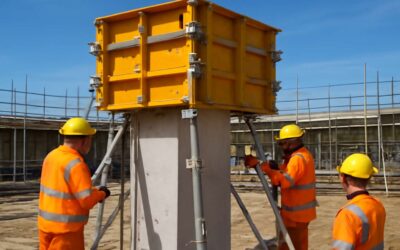
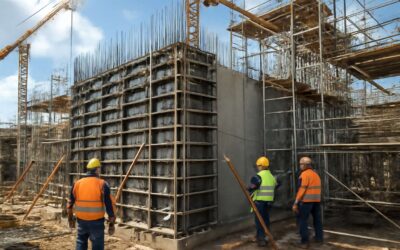
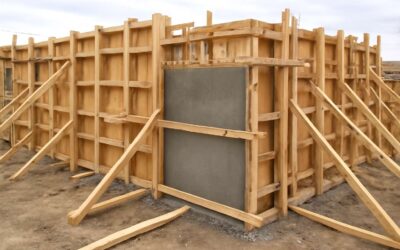
Understanding the various types of formwork reveals why formwork is necessary in building construction—each system tailored to meet the demands of specific projects. Traditional formwork, often crafted from timber or plywood, has been the backbone of construction for centuries, offering flexibility and ease of use. Modern formwork systems, on the other hand, leverage innovative materials like steel or aluminum, providing enhanced durability and faster installation times.
Specialized formwork systems are emerging as game-changers in complex architectural designs. These include slip-forming for continuous vertical structures and modular systems that allow quick assembly and disassembly. The choice of formwork type directly influences the safety, efficiency, and precision of a construction project. When considering why formwork is necessary in building construction, understanding these variations underscores its pivotal role in transforming raw materials into resilient structures.
Materials Used in Formwork – Common materials like timber, plywood, steel, and plastic
When it comes to the backbone of any sturdy structure, the materials used in formwork are as crucial as the blueprint itself. Surprisingly, the choice of formwork material can make or break the efficiency, safety, and overall success of a construction project. In South Africa’s bustling construction scene, understanding the common materials used in formwork—like timber, plywood, steel, and plastic—is essential for grasping why formwork is necessary in building construction.
Timber and plywood have long been the traditional heroes in formwork, celebrated for their flexibility and ease of customization. They’re perfect for intricate shapes and quick adjustments on-site. Steel, with its robust durability, is favored for large-scale projects demanding repeated use and high precision. Plastic formwork, a more modern entrant, offers lightweight convenience and resistance to moisture, making it ideal for projects where speed and cleanliness are paramount.
- Timber: Eco-friendly, versatile, and cost-effective
- Plywood: Smooth finish, easy to handle, and reusable
- Steel: Heavy-duty, durable, and highly precise
- Plastic: Lightweight, weather-resistant, and quick to assemble
Each material serves a unique purpose, reinforcing the fact that understanding these variations helps explain why formwork is necessary in building construction. The right selection ensures the structural integrity and safety of the final product, transforming raw materials into resilient architectural marvels—one form at a time.
Structural Support and Safety
Providing Shape and Stability – How formwork maintains the desired shape of concrete structures
Concrete structures are the backbone of any sturdy building, and ensuring they hold their intended shape isn’t just a matter of aesthetic appeal—it’s a matter of safety. This is where formwork plays a vital role, providing the essential support needed during the early stages of construction. Without it, the weight and pressure of wet concrete could cause deformation or collapse, jeopardizing the entire project.
Formwork acts as a temporary mold that maintains the desired shape and dimensions of the concrete until it hardens and gains sufficient strength. Its structural support ensures that walls, columns, and slabs are both stable and precise. This stability is especially crucial in complex designs or when working with unconventional materials, where accuracy can make or break the integrity of the finished structure.
In essence, formwork is the unseen hero of construction—safeguarding workers and ensuring that the building’s shape remains true to architectural visions. For those asking why formwork is necessary in building construction, the answer lies in its ability to provide reliable shape and stability, transforming raw concrete into the durable structures that form the foundation of our communities.
Ensuring Worker Safety – The importance of formwork in creating a safe working environment during construction
In the grand spectacle of construction, safety isn’t just a nice-to-have—it’s the main act. When you consider that construction accidents account for a significant percentage of workplace injuries worldwide, it’s clear why formwork is more than just a pretty mold. It’s the unsung hero that provides crucial structural support during the most vulnerable phase of building. Proper formwork ensures that wet concrete stays put, preventing catastrophic collapses that could turn a dream project into a disaster story.
Ensuring worker safety is paramount, and this is where formwork truly shines. It acts as a protective barrier, supporting the weight of fresh concrete and the workers who pour it. Without reliable formwork, workers are left vulnerable to falling debris or sudden structural shifts. To mitigate risks, many construction sites implement
- rigid scaffolding
- secure bracing
- safety harnesses
—but none of these can replace the fundamental support provided by properly designed formwork. When you ask why formwork is necessary in building construction, the answer is simple: it’s the backbone of a safe and stable work environment, turning raw materials into secure, durable structures with confidence and precision.
Preventing Structural Failures – How proper formwork minimizes the risk of collapses and defects
Structural integrity in construction isn’t merely about aesthetics; it’s about safeguarding lives and investments. Proper formwork acts as the silent guardian during the early phases of building, supporting wet concrete until it cures into a formidable, load-bearing structure. Without this critical component, the risk of structural failure looms large, threatening both safety and project timelines.
When formwork is meticulously designed and implemented, it effectively minimizes the risk of collapses and defects. This is especially vital in South Africa’s diverse climate and seismic zones, where unpredictable conditions can compromise poorly supported structures. Proper formwork ensures that concrete maintains its intended shape and strength, preventing costly errors and dangerous accidents.
To illustrate, consider this: a well-engineered formwork system provides the essential support that keeps the entire building process on stable ground. It acts as a temporary yet unwavering backbone that holds everything in place. Here are some ways proper formwork contributes to structural support and safety:
- It prevents the concrete from deforming or collapsing under its own weight during curing.
- It ensures the alignment and dimensional accuracy of the finished structure, reducing the likelihood of defects that could compromise integrity.
- It offers a secure platform for workers, reducing the risk of falls or accidental dislodgement of freshly poured concrete.
In essence, why formwork is necessary in building construction becomes painfully clear when considering the potential consequences of neglect. It’s not merely a mold but a vital safeguard—an unsung hero that underpins every safe, durable, and successful structure rising from the ground in South Africa’s bustling construction landscape.
Enhancing Construction Efficiency
Speeding Up the Construction Process – Role of formwork in reducing construction time
In the relentless pursuit of construction excellence, the role of formwork emerges as an often underappreciated catalyst for speeding up the building process. When every second counts, especially in South Africa’s competitive construction landscape, understanding why formwork is necessary in building construction becomes paramount. It is the silent architect behind the rapid transformation of raw materials into durable, well-shaped structures, allowing projects to advance with unprecedented efficiency.
By providing a temporary yet sturdy mold, formwork reduces the time required to shape concrete components, enabling multiple phases to proceed concurrently rather than sequentially. This acceleration is vital in urban settings where space and time are limited. Moreover, innovative formwork systems—such as modular or slip forms—facilitate swift assembly and disassembly, shaving precious days or even weeks off the construction timeline. The strategic deployment of formwork thus not only enhances construction efficiency but also aligns with project demands for quick turnaround and cost-effectiveness.
Facilitating Repetitive Tasks – Use in mass production of similar structures for consistency and efficiency
In the bustling landscape of South Africa’s construction industry, efficiency isn’t just a goal—it’s a necessity. That’s where the strategic use of formwork becomes a game-changer. When multiple identical structures are needed, such as residential blocks or commercial complexes, repetitive tasks can become a bottleneck if not managed properly. This is precisely where formwork shines, transforming the mundane into the efficient.
By facilitating the mass production of similar structures, formwork ensures consistency and precision across all units. This uniformity not only enhances the aesthetic appeal but also minimizes the risk of structural discrepancies. The ability to replicate molds swiftly allows construction teams to accelerate timelines without sacrificing quality. Whether employing modular systems or slip forms, the repetitive nature of formwork simplifies complex tasks, turning hours into minutes and enabling projects to scale up rapidly.
Ultimately, understanding why formwork is necessary in building construction underscores its role as the backbone of efficiency. It streamlines repetitive processes, reduces labor costs, and ensures every structure meets rigorous standards—making it an indispensable component in South Africa’s competitive construction realm. Without it, achieving fast, reliable, and uniform building outputs would be an uphill battle indeed!
Reducing Labour Costs – How reusable formwork systems cut down labor expenses
In the fast-paced world of South Africa’s construction industry, controlling costs is crucial. Reusable formwork systems have emerged as a vital solution to reduce labour expenses significantly. Unlike traditional formwork, which requires extensive labor for assembly and dismantling, modern reusable systems are designed for quick setup and easy removal. This means less time spent on each pour and more projects completed within tight deadlines.
By leveraging these systems, construction companies can cut down on labour costs while maintaining high standards of quality and safety. Reusable formwork also minimizes waste, further lowering overall project expenses. For construction firms, understanding why formwork is necessary in building construction extends beyond shape and stability—it’s about economic efficiency. Reusable formwork offers a durable, adaptable option that accelerates timelines and cuts costs, making it an indispensable element in South Africa’s competitive construction landscape.
Achieving High-Quality Concrete Finishes
Supporting Precise Concrete Placement – Ensuring accurate shaping and dimensions
Achieving high-quality concrete finishes might sound like a matter of magic or sheer luck, but in reality, it’s all about the unsung hero: formwork. When it comes to supporting precise concrete placement, formwork acts as the sculptor’s mold, ensuring each structure is shaped to perfection. Without it, concrete could turn into a lumpy, unrecognizable mess—hardly the aesthetic or structural marvel we aim for in construction.
Proper formwork guarantees that the dimensions are spot-on, preventing costly rework or structural flaws. It’s like giving concrete a firm handshake—supporting stability while it hardens. This meticulous support allows for smooth, crisp finishes that stand the test of time, especially crucial in South Africa’s diverse climate and demanding building standards.
Why formwork is necessary in building construction becomes evident when you realize it’s not just about looks; it’s about ensuring that every poured slab, wall, or beam meets exact specifications, thus safeguarding structural integrity and durability.
Preventing Defects and Voids – Role in minimizing air pockets, honeycombing, and surface imperfections
In the intricate dance of building construction, achieving a flawless concrete finish is often mistaken for alchemy, but in truth, it hinges on the silent, steadfast presence of formwork. When pouring concrete, tiny air pockets, honeycombing, and surface imperfections threaten to mar the final product—detracting from both aesthetic appeal and structural integrity. This is where the role of formwork becomes indispensable, acting as a meticulous mold that prevents these defects from manifesting. Proper formwork minimizes voids, ensuring a dense, durable surface that withstands South Africa’s sometimes harsh climate.
By providing a precise barrier, formwork guides the concrete’s natural flow, reducing the risk of weak spots that could lead to future cracks or failures. This control not only enhances the surface quality but also directly impacts the longevity of the structure. When formwork is expertly designed and implemented, it becomes a shield against surface imperfections, elevating the overall quality of the construction. It’s more than just a support; it’s the guardian of concrete excellence, making clear why formwork is necessary in building construction. Without it, the integrity and beauty of the finished structure are left to chance, a gamble no professional builder should take.
Ensuring Dimensional Accuracy – Maintaining strict tolerances for complex architectural designs
In the world of ambitious architectural dreams and towering skyscrapers, achieving high-quality concrete finishes isn’t just an art—it’s science. Here’s the kicker: without precise formwork, those sleek, complex designs become mere illusions. Proper formwork ensures that every curve, every edge, and every dimension aligns perfectly with the architect’s vision. This is where the question of why formwork is necessary in building construction becomes crystal clear: it acts as the backbone of dimensional accuracy.
When working on intricate architectural designs, maintaining strict tolerances is non-negotiable. Formwork provides the necessary shape and stability, guiding the flow of concrete so that it sets exactly as intended. For structures demanding detailed features or unconventional geometries, formwork’s role is elevated from support to precision instrument. An accurately constructed formwork system ensures that every detail is captured flawlessly, avoiding costly rework or structural flaws down the line.
In essence, formwork isn’t just about holding concrete in place. It’s about delivering consistency, precision, and excellence—making it undeniably why formwork is necessary in building construction. Without it, even the most talented engineers would be throwing darts at a moving target, risking not just aesthetics but safety and durability. In South Africa’s unpredictable climate, this precision becomes all the more vital—because a perfectly cast concrete piece isn’t just beautiful; it’s built to last.
Facilitating Complex Architectural Designs
Custom Shapes and Curves – How formwork enables creative and intricate structures
When it comes to pushing architectural boundaries, formwork is the unsung hero behind those jaw-dropping facades and daring curves. Imagine trying to pour concrete into a shape that defies straight lines—without proper formwork, it’s like trying to sculpt with a spaghetti noodle. This is where formwork’s magic shines, transforming raw concrete into complex architectural masterpieces.
Custom shapes and curves demand a level of precision and flexibility that only specialized formwork can provide. With the right system in place, builders can create intricate structures that elevate a building from mundane to magnificent. From sweeping arches to twisting towers, formwork ensures each contour maintains its intended form during the critical curing stage. This not only facilitates the realization of innovative designs but also guarantees the stability and safety of the final structure. So, if you’re pondering why formwork is necessary in building construction, remember: it’s the backbone that turns visionary blueprints into tangible reality, especially when those blueprints feature daring, one-of-a-kind shapes.
Adapting to Unique Construction Needs – Flexibility of formwork systems for diverse architectural requirements
In the realm of modern architecture, the demand for innovative and daring designs continues to rise. The question often arises: why is formwork necessary in building construction? The answer lies in its unparalleled flexibility to adapt to the most complex architectural visions. From sweeping curves to avant-garde facades, formwork systems are the silent architects behind these masterpieces.
Crafting intricate structures requires more than just skill; it demands a versatile framework capable of molding concrete into any shape imaginable. Formwork’s adaptability ensures that each unique construction need is met with precision. Whether it’s a twisting skyscraper or a delicate arch, the ability to customize formwork configurations is essential to bringing these ideas to life without compromising structural integrity.
For projects that involve multiple repetitions of similar features, reusable formwork systems streamline the process, reducing both time and costs. This adaptability not only accelerates construction timelines but also guarantees consistency across all elements. So, when pondering why formwork is necessary in building construction, recognize that its flexibility is the cornerstone for realizing unique, complex, and stunning architectural designs in South Africa’s evolving skyline.
Supporting Sustainability Goals – Use of environmentally friendly and reusable formwork materials
In the shadowed realm of modern construction, where sustainability intertwines with innovation, the role of environmentally friendly and reusable formwork materials emerges as a silent but vital force. As South Africa’s skyline reaches for the heavens, the quest for greener building practices becomes ever more urgent. Reusable formwork systems, crafted from durable plastics, steel, and other eco-conscious materials, not only reduce waste but also diminish the carbon footprint of each project.
This commitment to supporting sustainability goals transforms the construction landscape. Reusable formwork allows for multiple uses, conserving resources and minimizing environmental impact. By choosing eco-friendly materials, builders forge a path toward a more sustainable future—one where architectural grandeur does not come at the expense of our planet’s health.
In a world increasingly driven by ecological awareness, understanding why formwork is necessary in building construction extends beyond mere shape and stability. It embodies a conscious effort to harmonize structural mastery with environmental stewardship—an essential pursuit in Africa’s evolving skyline. The integration of sustainable formwork materials ensures that each concrete masterpiece not only captivates with its design but also respects the earth that sustains us all.
Cost and Time Management
Reducing Material Waste – Efficient use of materials through proper formwork design
In the high-stakes world of building construction, time and cost are the twin engines driving project success. When it comes to why formwork is necessary in building construction, its role in cost and time management cannot be overstated. Properly designed formwork ensures materials are used efficiently, reducing waste and cutting down on unnecessary expenses. This precision not only preserves resources but accelerates the entire construction timeline, enabling projects to move swiftly from blueprint to reality.
Efficient formwork design minimizes material waste by optimizing the reuse of components and reducing the need for excess supplies. For example, modular formwork systems can be dismantled and reassembled with minimal loss, making every rand count.
- Reduced material costs
- Faster construction cycles
- Decreased labor expenses
These benefits combine to create a streamlined process that saves both time and money, vital factors in South Africa’s competitive construction landscape. When the question of why formwork is necessary in building construction arises, it’s clear that it’s the backbone of a cost-effective, swift project delivery.”
Accelerating Project Completion – Impact of formwork on meeting deadlines and budget constraints
In the relentless pursuit of erecting towering structures within tight deadlines and constrained budgets, formwork emerges as the unsung hero—an invisible force shaping the very essence of construction efficiency. When considering why formwork is necessary in building construction, its impact on accelerating project completion becomes undeniably clear. Properly engineered formwork acts as the scaffolding of progress, allowing concrete to set swiftly and accurately, thus slashing construction timelines.
By streamlining the process, formwork minimizes delays caused by structural uncertainties. For instance, modular formwork systems enable rapid assembly and disassembly, drastically reducing downtime. This adaptability translates into faster turnarounds for successive construction phases, helping projects stay on track and within budget. In a landscape where every day counts, the strategic use of formwork can make the difference between a project that lingers and one that swiftly transforms from blueprint to skyline.
- Enhanced scheduling precision
- Reduced waiting periods for curing and setting
- Facilitation of repetitive structural elements for mass production
All these factors converge to create a seamless progression—saving valuable resources and ensuring that deadlines are met without compromising quality. When exploring why formwork is necessary in building construction, it’s evident that its role in boosting efficiency is nothing short of transformational—fueling the rapid realization of architectural visions while maintaining strict adherence to budget constraints.
Long-Term Cost Savings – Benefits of durable, reusable formwork for future projects
In the complex dance of building construction, long-term cost savings are often the silent catalyst behind choosing durable, reusable formwork systems. These systems are not just about immediate savings—they are an investment in future projects, reducing the need for constant replacement and extensive labor costs. Reusable formwork’s durability ensures that high-quality molds can be utilized across multiple builds, significantly lowering material expenses over time.
By adopting innovative formwork designs, construction teams can streamline the scheduling process, minimizing downtime between phases. This efficiency translates into faster project turnaround times and more predictable budgets. For instance, modular and adaptable formwork systems allow for swift assembly and disassembly, enabling construction crews to meet tight deadlines without sacrificing quality.
In South Africa’s dynamic construction landscape, understanding why formwork is necessary in building construction extends beyond immediate project needs. It is a strategic approach that enhances cost management and accelerates timelines, ultimately making every rand and every day count. The long-term benefits of investing in high-quality, durable formwork are undeniable—paving the way for more sustainable, efficient, and financially viable building practices.

0 Comments