Understanding Formwork Turnbuckles
Definition and Purpose
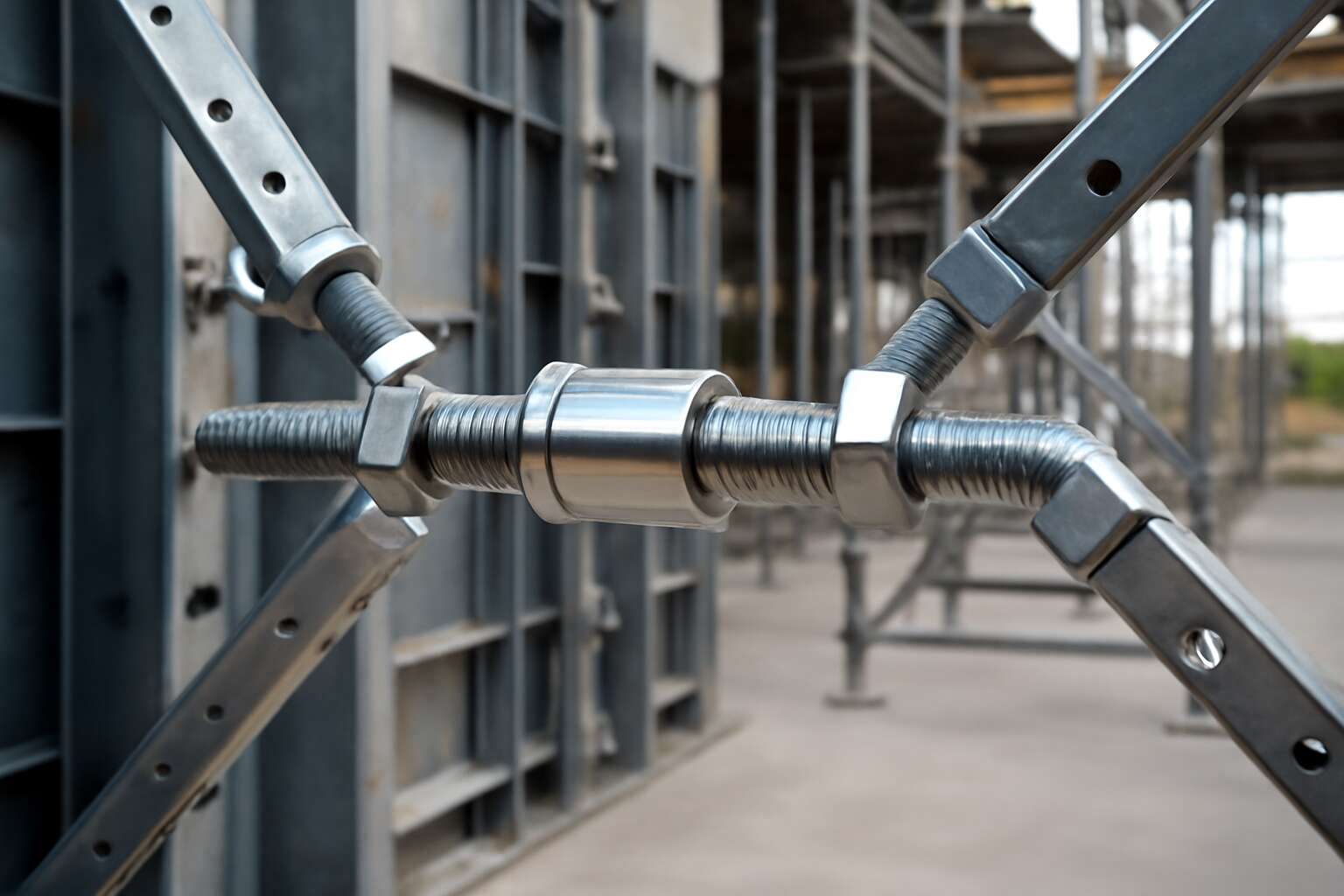
In the intricate dance of construction, every element must serve a purpose, balancing strength with precision. The formwork turnbuckle emerges as a silent yet vital conductor in this symphony, ensuring that formwork remains sturdy and aligned under immense pressure. It’s more than just a connector—it’s a testament to engineering finesse, designed to withstand the relentless forces exerted during concrete pouring and curing.
Understanding the purpose of a formwork turnbuckle reveals its core role: to provide adjustable tension, allowing workers to fine-tune the stability and fit of formwork panels. This adaptability not only enhances safety but also minimizes waste and rework. In essence, the formwork turnbuckle embodies resilience and meticulous control in construction projects, especially crucial in the challenging terrains of South Africa where terrain variability demands robust, adaptable solutions.
- Adjusts tension swiftly to accommodate shifting construction demands
- Ensures uniform load distribution across formwork structures
- Facilitates quick, precise modifications during assembly
How They Work in Construction
In the complex choreography of construction, understanding how a formwork turnbuckle functions can be nothing short of enlightening. These unassuming devices, often tucked away in the shadows of grander machinery, play a pivotal role in maintaining the integrity of formwork structures. Essentially, a formwork turnbuckle acts as the unsung hero, allowing for precise tension adjustments that keep formwork panels perfectly aligned under the relentless pressure of poured concrete.
What makes a formwork turnbuckle truly fascinating is its ability to adapt swiftly to shifting demands on-site. With a simple twist, it can either tighten or loosen, ensuring uniform load distribution across the entire formwork system. This adaptability is especially vital in South Africa’s diverse terrains, where uneven ground can threaten structural stability. As construction professionals have discovered, the finesse of a formwork turnbuckle often determines the difference between a flawless finish and costly rework.
For those who appreciate the subtle art of construction, the mechanism of a formwork turnbuckle is elegantly straightforward:
- Attachment points connect the turnbuckle to formwork panels or supporting structures.
- Turning the body of the device adjusts tension, either pulling panels together or easing them apart.
- The process offers quick, precise modifications, saving time and reducing labor costs.
In essence, a formwork turnbuckle embodies resilience and finesse, making it an indispensable tool in any construction project—especially where adaptability and safety are paramount. When the stakes are high, and precision is non-negotiable, the humble formwork turnbuckle quietly ensures everything remains in perfect harmony, no matter what terrain it faces.
Typical Materials Used
Understanding the materials used in manufacturing a formwork turnbuckle reveals a fascinating interplay of strength, durability, and precision engineering. In South Africa’s often unpredictable terrain, selecting the right material can be the difference between a successful build and costly delays. High-quality formwork turnbuckles are typically crafted from materials that can withstand the relentless pressures of concrete pouring while maintaining their integrity over time.
Steel remains the most popular choice, especially galvanized or stainless steel variants, due to their exceptional resistance to corrosion and fatigue. These metals ensure the turnbuckle can endure harsh environmental conditions, from coastal humidity to inland dust storms. Additionally, some manufacturers incorporate specially treated alloys to enhance resilience and longevity.
For projects demanding lighter, yet equally robust solutions, aluminum formwork turnbuckles are gaining traction. They offer ease of handling without sacrificing strength, making them ideal for temporary or mobile formwork systems. To ensure optimal performance, many professionals also look for turnbuckles with epoxy coatings or other protective finishes that bolster corrosion resistance.
In essence, the choice of material directly influences the reliability of a formwork turnbuckle. Whether it’s the classic robustness of galvanized steel or the innovative lightness of aluminum, each material plays a vital role in ensuring safety and precision in construction. When precision and durability are non-negotiable, the material composition of the formwork turnbuckle becomes the silent guardian of structural integrity, especially on challenging South African sites.
Types of Formwork Turnbuckles
Mechanical Turnbuckles
When it comes to choosing the right formwork turnbuckle, understanding the different types can make all the difference on a construction site. Mechanical turnbuckles are prized for their durability and ease of adjustment, especially in the rugged terrains often found in South Africa. Their robust design ensures that formwork stays tight and secure, even under the most demanding conditions.
These mechanical variants come in various forms, each tailored for specific needs. For instance, some feature a screw mechanism that allows for fine-tuned tensioning, while others employ a ratchet system for rapid adjustments. The versatility of a formwork turnbuckle means that it can be adapted to fit different sizes and types of formwork, ensuring a seamless construction process.
In practical terms, the strength and reliability of a formwork turnbuckle are critical for maintaining the safety and precision of a build. Whether in rural settings where access might be limited or in urban construction projects, choosing the right type of turnbuckle guarantees stability and peace of mind. After all, a well-selected formwork turnbuckle can be the unsung hero in any successful project!
Pin Type Turnbuckles
Pin type formwork turnbuckles are an embodiment of simplicity and strength, embodying a design that marries durability with ease of use. These turnbuckles rely on a sturdy pin mechanism that allows for quick assembly and disassembly, making them particularly suited for dynamic construction environments across South Africa. Their robust pin ensures a secure connection, resisting the tensile forces that threaten to loosen formwork under pressure.
What sets pin type formwork turnbuckles apart is their adaptability. The pin acts as both a tensioning device and a pivot point, enabling precise adjustments with minimal effort. This feature is especially valuable in rugged terrains where fine-tuning on-site can be a logistical challenge.
In essence, selecting the right formwork turnbuckle—such as the pin type—can significantly influence the overall safety and efficiency of a construction project. Their intrinsic reliability and straightforward operation have made them a trusted choice for builders working in diverse environments, from urban centers to remote rural sites!
Hook Type Turnbuckles
Among the myriad varieties of the versatile formwork turnbuckle, the hook type stands out as a symbol of ingenuity and adaptability. These turnbuckles feature a robust hook at one end, designed to latch seamlessly onto formwork components with a satisfying click, embodying both strength and swift functionality. Their design allows for rapid adjustments, making them particularly favored in dynamic construction sites across South Africa where time is of the essence.
The hook type formwork turnbuckle excels in environments where ease of attachment and detachment are paramount. Its simple yet effective mechanism ensures that builders can focus on the task at hand without cumbersome tools or complicated procedures. This makes them invaluable for projects requiring frequent re-tensioning, such as in complex formwork systems or irregular terrains.
In the grand tapestry of construction, the hook type formwork turnbuckle plays a pivotal role. Its resilient hook, crafted from durable materials, withstands the rigors of tension and pressure, providing a reliable anchor point in diverse settings, from sprawling urban developments to remote rural areas. Whether for temporary scaffolding or intricate formwork arrangements, these turnbuckles are a testament to the harmony of strength and simplicity in construction engineering.
Other Variants and Innovations
While the traditional formwork turnbuckle has served construction sites reliably for decades, ongoing innovations have birthed a variety of specialized variants designed to meet the unique demands of modern projects. These innovations are not merely improvements but strategic adaptations that enhance safety, efficiency, and versatility. From corrosion-resistant coatings to quick-adjust mechanisms, each variant aims to streamline the construction process on South African sites where time and durability are paramount.
Among these, the **adjustable forged turnbuckle** stands out, offering superior strength and resilience for heavy-duty applications. Its robust construction allows for precise tensioning, ensuring formwork stability even under extreme pressure. Additionally, advancements like the **quick-release formwork turnbuckle** have gained popularity, particularly for projects requiring frequent re-tensioning without halting progress.
Furthermore, some manufacturers have introduced **specialized formwork turnbuckle designs** equipped with ergonomic features, making manual adjustments faster and safer. The focus on innovation is driven by the need for adaptable solutions that can handle diverse environments—be it urban construction, remote rural development, or complex formwork systems. Whether you’re seeking corrosion resistance, rapid adjustment, or enhanced load capacity, the spectrum of formwork turnbuckle variants continues to expand, promising more efficient and safer construction practices across South Africa.
Key Features and Specifications
Material Durability and Strength
When it comes to formwork turnbuckle, durability and strength are the backbone of reliable construction. These little marvels are designed to withstand the relentless tension and compression forces typical of formwork systems. Made from high-grade materials, they promise longevity—no one wants a turnbuckle that gives up mid-job, right? In fact, a robust formwork turnbuckle can endure harsh South African weather, corrosion, and the inevitable knocks from construction crews without losing its tension or integrity.
Material choice is paramount. Most high-quality formwork turnbuckles are crafted from galvanized steel or stainless steel, ensuring resistance against rust and corrosion. This resilience is crucial, especially in environments with high humidity or exposure to chemicals. Additionally, the strength of the material directly impacts the safety and stability of the formwork setup, preventing costly delays or structural mishaps. For those looking to optimize their projects, understanding the specifications—like load capacity and thread size—is essential. After all, a turnbuckle that can’t handle the weight isn’t worth the metal it’s made from!
Adjustability and Ease of Use
When it comes to formwork turnbuckle, a standout feature is its remarkable adjustability. This simple yet vital component allows precise tensioning, ensuring the formwork system remains perfectly aligned throughout the construction process. The ability to fine-tune tension quickly can save time and reduce the risk of structural issues down the line. The ease of use is another key feature—many turnbuckles are designed with user-friendly mechanisms that make installation and adjustments straightforward, even in tight or challenging spaces.
In fact, some of the most advanced formwork turnbuckle variants incorporate ergonomic handles and quick-thread designs, streamlining setup and modifications. This combination of features not only enhances productivity but also improves safety on site. The robustness of these turnbuckles—coupled with their ease of operation—means they can withstand harsh South African construction environments without compromising performance. Whether working on high-rise projects or smaller structures, these components are engineered to deliver reliability with minimal fuss.
Corrosion Resistance
When it comes to the resilience of a formwork turnbuckle, corrosion resistance isn’t just a bonus—it’s an absolute necessity. Imagine a construction site in South Africa’s unpredictable climate; exposure to moisture, salt, and varying temperatures can threaten the integrity of less hardy components. Fortunately, modern formwork turnbuckles are engineered with specifications designed to withstand such harsh conditions, ensuring longevity and reliable performance.
Key features often include a protective coating—such as hot-dip galvanization or high-grade powder coating—that acts as a formidable barrier against corrosion. This means that even after months of exposure, the turnbuckle remains robust, maintaining its tension and alignment without succumbing to rust or degradation. For those who prioritize durability, the specifications typically detail the thickness of coatings and the type of stainless steel used, providing confidence that the formwork turnbuckle is built to endure.
In terms of specifications, many turnbuckles boast a high tensile strength, often exceeding 60,000 psi, combined with corrosion-resistant materials that cater to South Africa’s diverse construction environments. Whether working on high-rise projects in the city or rural infrastructure, selecting a formwork turnbuckle with superior corrosion resistance ensures that the system remains both safe and effective throughout its service life.
Size and Load Capacity
When it comes to selecting a reliable formwork turnbuckle, understanding its key features and specifications is crucial. These components are engineered not just for strength but also for adaptability in demanding construction environments. A high-quality formwork turnbuckle typically features a robust design that can withstand the rigors of South Africa’s diverse climate zones.
Size and load capacity are foundational to ensuring the turnbuckle’s performance. Available in various sizes, from compact models to heavy-duty variants, they cater to different project needs. Most formwork turnbuckles are rated to handle loads exceeding 10,000 kilograms, with some engineered to support even greater weights. This ensures safety and stability during complex formwork operations.
Key specifications often include:
- Material composition—such as hot-dip galvanized steel or stainless steel —providing exceptional corrosion resistance.
- Thread length and type—offering precise adjustability for tight tension control.
- Maximum tension load—indicating the strength and reliability under stress.
Choosing the right formwork turnbuckle means aligning size and load capacity with your project’s unique demands. Whether working on towering skyscrapers or rural infrastructure, these specifications guarantee that your formwork system remains durable, safe, and effective throughout the entire construction process. The right formwork turnbuckle isn’t just a component—it’s the backbone of your structural integrity.
Benefits of Using Formwork Turnbuckles
Ensuring Structural Stability
In the realm of construction, where precision meets power, the significance of a reliable formwork turnbuckle cannot be overstated. These engineered marvels serve as the backbone of structural stability, transforming chaotic scaffolding into a fortress of strength. When properly tensioned, a formwork turnbuckle ensures that every element remains perfectly aligned, preventing costly shifts or collapses. This unwavering control over formwork systems guarantees that concrete sets flawlessly, saving time and resources on every project.
Moreover, the benefits extend beyond mere stability. Formwork turnbuckles offer unmatched adjustability, allowing workers to fine-tune tension with surgical accuracy. This feature is vital in South African construction sites, where environmental factors like wind and temperature fluctuations demand adaptable solutions. By maintaining consistent pressure, a formwork turnbuckle acts as an invisible guardian, shielding the structure from the unpredictable forces of nature. It’s no exaggeration to say that employing high-quality formwork turnbuckles elevates safety standards and secures the integrity of every build.
Facilitating Precise Measurements
Precision is the secret weapon in construction, and formwork turnbuckles wield it like a master craftsman. When it comes to aligning structural elements, these devices excel at facilitating exact measurements, ensuring every component fits perfectly. The ability to fine-tune tension with surgical accuracy means fewer errors, less rework, and ultimately, a stronger, more reliable build.
What sets formwork turnbuckles apart is their inherent adjustability. They allow workers on South African construction sites to respond swiftly to environmental changes—be it wind gusts or temperature shifts—without compromising structural integrity. This adaptability transforms a simple tool into a silent guardian, maintaining unwavering control over the formwork system.
- Enhanced measurement precision
- Effortless tension adjustments
- Increased safety and stability
By integrating high-quality formwork turnbuckles into your construction process, you unlock a realm of meticulous control. The result? Flawless concrete setting, optimized resource use, and a safer, more resilient structure that stands the test of time. It’s this level of precision that elevates ordinary builds into extraordinary feats of engineering—proof that when every measurement counts, a formwork turnbuckle is the ultimate ally.
Saving Time and Labor
Time is the silent adversary in construction, often dictating the pace of progress and the cost of projects. When harnessed correctly, the strategic use of a formwork turnbuckle can drastically reduce labor hours and streamline workflows. These devices enable quick, precise adjustments, eliminating the need for painstaking re-tensioning or repositioning of formwork components. The result is a more efficient process where workers spend less time on manual fine-tuning and more on critical tasks that demand their expertise.
Moreover, the simplicity of installing a formwork turnbuckle means less training is required, translating to faster deployment across South African sites. The ease of tension adjustments—often achieved with a simple turn of the device—means fewer laborers are needed for complex tasks, reducing overall labor costs. This not only accelerates project timelines but also enhances safety, as fewer hands are exposed to potential hazards during repetitive, strenuous activities.
In essence, integrating high-quality formwork turnbuckles into your construction arsenal is a strategic move toward minimizing waste—be it time, effort, or resources. The efficiency gains are undeniable, paving the way for faster project completion and a more resilient, cost-effective build. It’s a testament to how thoughtful innovation in tools can elevate the entire construction process, proving that sometimes, the smallest components wield the greatest influence in shaping our built environment.
Enhancing Safety in Construction
In the ever-evolving realm of construction, safety isn’t just a checkbox—it’s the foundation of every successful project. Enter the humble hero: the formwork turnbuckle. These devices don’t just tighten formwork; they serve as a critical safeguard against structural mishaps. By providing precise tension control, a formwork turnbuckle minimizes the risk of formwork collapse, which could otherwise turn a building site into a disaster movie set. Their easy adjustability means workers can fine-tune formwork stability without risking injury or fatigue, transforming what used to be a tedious task into a quick, safe operation.
What truly sets the formwork turnbuckle apart in enhancing safety is its ability to distribute loads evenly, preventing unexpected shifts or failures. This reliability ensures that workers don’t have to wrestle with unstable structures, reducing accidents and expediting project timelines. For construction sites across South Africa, where safety regulations are tight and stakes high, integrating high-quality formwork turnbuckles isn’t just smart—it’s essential. It’s a small component with a big impact, turning potential hazards into secure, sound structures with a simple twist.
Safety Benefits of Using a Formwork Turnbuckle
- Reduces the risk of formwork collapse, protecting workers from dangerous falls or injuries.
- Allows for quick tension adjustments, decreasing the need for manual re-positioning that could cause accidents.
- Enhances overall structural stability, giving workers peace of mind on busy construction sites.
In short, a formwork turnbuckle isn’t just about efficiency—it’s about saving lives, one turn at a time. With its robust design and user-friendly features, this essential tool elevates safety standards across the construction landscape, proving that sometimes, the smallest components can make the biggest difference.
How to Choose the Right Formwork Turnbuckle
Factors to Consider
Choosing the right formwork turnbuckle is more than just picking a size off the shelf. It requires careful consideration of several factors to ensure safety, efficiency, and durability on your construction site. A well-selected formwork turnbuckle can make the difference between a stable structure and costly delays.
First, assess the load capacity needed for your project. The formwork turnbuckle must support the weight of the formwork panels without compromising safety. Equally important is the adjustment range; a turnbuckle with sufficient length adjustment allows for precise tensioning and alignment, reducing the risk of structural issues.
When selecting a formwork turnbuckle, keep an eye on the material compatibility and corrosion resistance, especially in South Africa’s diverse climate conditions. A durable, corrosion-resistant turnbuckle ensures longevity and consistent performance.
Additionally, consider the ease of installation—some turnbuckles feature quick-connect hooks or pins that can save time during setup. Balancing these factors helps in choosing a formwork turnbuckle that aligns with your project’s needs, delivering safety and efficiency from start to finish.
Compatibility with Formwork Systems
Choosing the right formwork turnbuckle begins with ensuring compatibility with your existing formwork system. In South Africa’s diverse construction landscape, adaptability is key. A well-matched turnbuckle seamlessly integrates with your formwork panels, supporting efficient tensioning and alignment. The connection points—whether hooks, pins, or threaded ends—must correspond precisely to your formwork components to prevent slippage or misalignment. Formwork turnbuckle compatibility also hinges on the system’s design, as some setups favor specific variants like hook type or pin type turnbuckles for optimal performance.
To streamline your selection process, consider these factors:
- Match the turnbuckle’s attachment mechanism with your formwork system’s fittings.
- Ensure the turnbuckle’s size and load capacity align with the weight and dimensions of your formwork panels.
- Verify that the turnbuckle’s adjustability accommodates precise tensioning for stable, level structures.
In the end, compatibility is not just about fitting parts together; it’s about creating a cohesive, resilient framework that withstands South Africa’s demanding climate. When your formwork turnbuckle harmonizes perfectly with your system, you unlock smoother setup times, enhanced safety, and a project that stands the test of time!
Load Requirements and Specifications
In the intricate dance of construction, selecting a formwork turnbuckle that meets the precise load requirements can be the difference between a resilient structure and a costly failure. South Africa’s demanding climate and diverse terrain necessitate a keen understanding of the specifications that underpin these vital components. The key lies in matching the load capacity of your formwork turnbuckle to the weight and dimensions of your formwork panels—overestimating can lead to unnecessary expense, while underestimating risks structural instability.
To navigate this complex terrain, consider factors like maximum tension force, elongation limits, and safety margins—these parameters ensure your formwork turnbuckle performs reliably under stress. An often-overlooked aspect is the material grade—stainless steel, galvanized, or coated variants—each tailored to different environmental conditions and longevity expectations. By meticulously aligning the load requirements with your project’s specifications, you craft a framework that not only endures but also elevates the safety and efficiency of your construction process.
Remember, a well-chosen formwork turnbuckle isn’t just about holding panels in place; it embodies a commitment to precision, durability, and adaptability—cornerstones in South Africa’s dynamic construction landscape.
Supplier and Quality Assurance
Choosing the right formwork turnbuckle supplier isn’t just about finding the cheapest option—though, let’s be honest, nobody wants to blow their budget on flimsy hardware. South Africa’s construction scene demands reliability, which means sourcing from a supplier with a solid reputation for quality and consistency. Look for vendors who can demonstrate rigorous quality assurance processes, like ISO certifications or ISO-compliant testing procedures. After all, a formwork turnbuckle that fails mid-project can cause delays, expensive rework, and a dented reputation.
Don’t just settle for the first supplier that pops up in your Google search. Instead, consider these factors for a seamless experience:
- Verify their product certifications and compliance with local standards.
- Check their lead times—are they punctual, or do you get the “we’ll deliver when we feel like it” treatment?
- Assess their after-sales support—can they quickly troubleshoot or replace faulty units?
By prioritizing these elements, you ensure your formwork turnbuckle investment aligns with durability, safety, and project timelines. Remember, a reputable supplier isn’t just a vendor—they’re a partner in building South Africa’s future, one turnbuckle at a time.
Installation and Maintenance Tips
Proper Installation Procedures
Proper installation of a formwork turnbuckle isn’t just about tightening; it’s about ensuring the very integrity of the structure. When installing a formwork turnbuckle, every step must be executed with precision—think of it as breathing life into the framework. The process begins with selecting the right size and load capacity, aligning with the specific demands of your project. Once chosen, the turnbuckle must be connected securely to the formwork, ensuring all threads or hooks are properly engaged to prevent slippage during concrete pouring.
To guarantee safety and efficiency, consider these installation tips:
- Inspect the formwork turnbuckle for any signs of damage before use.
- Ensure the turnbuckle is free of debris and corrosion that may compromise its strength.
- Use appropriate tools to tighten the turnbuckle gradually, avoiding over-torque that could lead to deformation.
Proper installation is crucial to maintain structural stability and facilitate precise measurements on-site. Remember, a well-installed formwork turnbuckle is your safeguard against costly errors and unsafe conditions.
Regular Inspection and Testing
In the shadowed corridors of construction, where precision can mean the difference between stability and catastrophe, the humble formwork turnbuckle often remains an unsung hero. Yet, its silent vigil bears the weight of safety, demanding vigilant scrutiny through regular inspection and testing. Every bolt, every thread must be scrutinized like a relic from an ancient tome, for corrosion and wear can weaken its very essence, threatening the integrity of the entire structure.
To uphold the fortress of safety, I have learned that continuous vigilance is essential. Use a flashlight to peer into the dark recesses of your formwork turnbuckle, seeking signs of rust or distortion. Testing the turnbuckle under load conditions periodically can reveal weaknesses before they manifest into dangerous failures. Remember, a well-maintained formwork turnbuckle is more than mere hardware; it is the guardian of your project’s stability.
For seamless operation, consider implementing a routine that includes:
- Visual inspections for corrosion, cracks, or deformation
- Lubrication of threads to prevent seizing and ensure smooth adjustments
- Documented testing schedules aligned with the project’s phase
Maintaining this ritual of care transforms the formwork turnbuckle from a simple component into an unwavering sentinel—its strength amplified through diligent oversight. In the darkness of the construction site, it is these unseen acts of vigilance that forge the backbone of safety and precision, safeguarding lives and structures alike.
Cleaning and Storage
In the intricate dance of construction, the longevity and safety of your project hinge on meticulous care of every component—none more vital than the formwork turnbuckle. Proper installation begins with ensuring that each turnbuckle is clean and free from debris, which can compromise its adjustability and performance. Before fitting, inspect the threads for any signs of damage or corrosion; a spotless, well-lubricated turnbuckle promises smoother adjustments and a longer lifespan.
Storage is equally crucial. When not in use, keep your formwork turnbuckle in a dry, covered environment away from moisture and extreme temperatures. Proper storage prevents rust and deterioration, preserving the integrity of the hardware. For added protection, consider wrapping the turnbuckle in a breathable cloth or storing it in a designated container. This simple act ensures that each turnbuckle remains ready to serve, maintaining the safety and stability of your formwork system.
- Clean the turnbuckle thoroughly after each use, removing dirt and corrosion.
- Apply a thin layer of lubricant to the threads to prevent seizing during adjustments.
- Store in a dry, covered space, ideally with desiccants to absorb moisture.
Implementing these installation and maintenance tips guarantees that your formwork turnbuckle will perform optimally, transforming it from mere hardware into a silent guardian of your construction’s structural integrity. In the realm of construction, where every detail counts, the care you invest in your formwork turnbuckle echoes through the safety and durability of the entire project.
Troubleshooting Common Issues
In the relentless march of construction, even the most robust formwork turnbuckle demands vigilant stewardship. A turnbuckle that is improperly installed or neglected can transform from a silent guardian into a liability—jeopardizing the very stability it was designed to uphold. Troubleshooting common issues often reveals that the root lies in overlooked maintenance or flawed installation practices.
One of the most frequent ailments afflicting formwork turnbuckles is seizing or jamming during adjustments. This often occurs when debris or rust accumulates on the threads, impeding smooth operation. To prevent this, ensure thorough cleaning after each use and apply a light layer of lubricant—an essential step that preserves the turnbuckle’s adjustability. When resistance persists, inspect for signs of corrosion or thread damage, which may necessitate replacement to safeguard structural integrity.
Sometimes, improper tensioning leads to misalignments or compromised load capacity. Regular calibration, paired with a keen eye for signs of wear, keeps the formwork turnbuckle performing at its peak. Remember, a well-maintained turnbuckle is not merely hardware—it is the linchpin of safety, stability, and precision in every formwork system.
- Check for corrosion regularly
- Lubricate threads periodically
- Inspect for thread damage or deformation
By embracing meticulous installation and ongoing maintenance, the formwork turnbuckle transcends its humble origins—becoming a resilient pillar in the architecture of enduring construction. When each turn of the wrench is executed with care, your project’s stability echoes the silent strength of craftsmanship, standing firm against the inevitable tests of time and tension.
Where to Buy Quality Formwork Turnbuckles
Reputable Manufacturers and Suppliers
In the bustling landscape of South African construction, sourcing quality formwork turnbuckles is a crucial step toward ensuring structural integrity and project efficiency. Reputable manufacturers and suppliers understand the importance of delivering dependable products that meet rigorous standards, safeguarding both workers and materials. When seeking a formwork turnbuckle, it’s essential to prioritize those who offer certified, durable, and corrosion-resistant options, especially given the country’s diverse climate conditions.
To streamline your procurement process, consider reputable providers known for their adherence to international quality assurance protocols. Many of these suppliers offer a broad range of formwork turnbuckles tailored to various load requirements and project scales. For instance, an ordered list of trusted sources might include:
- Established local distributors with extensive industry experience
- Global manufacturers with authorized South African dealerships
- Specialist suppliers offering custom solutions and technical support
By choosing suppliers who prioritize quality and reliability, you can ensure that your formwork turnbuckles will perform optimally, facilitating seamless construction workflows and long-term safety. The key lies in partnering with those who understand the unique demands of South African construction and can provide products that stand the test of time and elements. This approach not only secures your project’s success but also aligns with the broader goal of building resilient, sustainable infrastructure across the region.
Online Marketplaces
In the digital age, finding a reliable source for high-quality formwork turnbuckles is as effortless as scrolling through your favorite online marketplace—yet, the true challenge lies in discerning authenticity from the sea of options. South African construction professionals seeking durable, corrosion-resistant formwork turnbuckles often turn to well-established online marketplaces that prioritize trust and quality assurance. These platforms not only offer a vast selection but also provide detailed specifications, ensuring you select the perfect fit for your project’s load requirements.
Popular online marketplaces such as Alibaba, Made-in-China, and local industrial supply portals serve as treasure troves for formwork turnbuckle procurement. Notably, some marketplaces host verified suppliers with a proven track record of delivering products that meet international safety and durability standards. For those who prefer a more curated experience, specialized South African supplier websites often feature tailored solutions, technical support, and the convenience of direct communication.
- Extensive product catalogs
- Certified quality assurance
- Customizable options
Ensuring your formwork turnbuckle arrives promptly and in pristine condition, these platforms often facilitate secure transactions and comprehensive after-sales support, making them an indispensable resource for construction projects across the country.
Local Construction Supply Stores
In the shadowy corridors of construction, where precision and durability are paramount, the quest for a reliable source of formwork turnbuckle often leads to the familiar aisles of local construction supply stores. These establishments, nestled within South Africa’s bustling industrial hubs, serve as gateways to the tools that shape our skyline. Here, amidst the clang of metal and the scent of fresh timber, a builder can find the perfect formwork turnbuckle—crafted to withstand the relentless march of time and the corrosive grip of environment.
Choosing the right supplier is more than a matter of convenience; it’s an act of trust. Many local stores stock a curated selection of formwork turnbuckles that meet strict quality standards, ensuring safety and longevity. A quick visit often reveals extensive product catalogs, where options vary by size, load capacity, and material composition—each tailored to the unique demands of South Africa’s diverse construction landscape. To make the selection easier, some stores even provide expert advice on compatibility with existing formwork systems, helping professionals avoid costly missteps.
For those seeking a seamless experience, many of these stores now leverage digital platforms, allowing you to browse inventory online, compare specifications, and secure your purchase with confidence. It’s a modern twist on an age-old craft—combining the tangible reliability of local knowledge with the convenience of technological innovation. Whether you need a sturdy, corrosion-resistant formwork turnbuckle or a specialized variant, South African construction supply stores remain a steadfast source—ready to fulfill your project’s darkly ambitious visions with precision and care.
Tips for Assessing Product Quality
When searching for quality formwork turnbuckles, the best place to start is at reputable local construction supply stores across South Africa. These establishments often carry a carefully curated selection of formwork turnbuckles that meet rigorous standards for strength, durability, and safety. A visit to these stores provides not only immediate access to essential tools but also the advantage of expert advice. Staff members who understand the nuances of formwork systems can guide you towards the right size, load capacity, and material composition, ensuring your project’s structural integrity.
Assessing product quality is crucial when choosing a formwork turnbuckle. Look for certifications, brand reputation, and material specifications. High-quality formwork turnbuckles typically feature corrosion-resistant coatings and robust construction, capable of withstanding South Africa’s diverse environmental conditions.
- Check for consistent threading and secure fittings
- Inspect for signs of corrosion or manufacturing defects
Additionally, suppliers who offer detailed product datasheets enable you to compare options effectively. Whether shopping online or visiting a local store, prioritizing quality ensures your formwork turnbuckle performs reliably throughout the lifespan of your construction project.

0 Comments