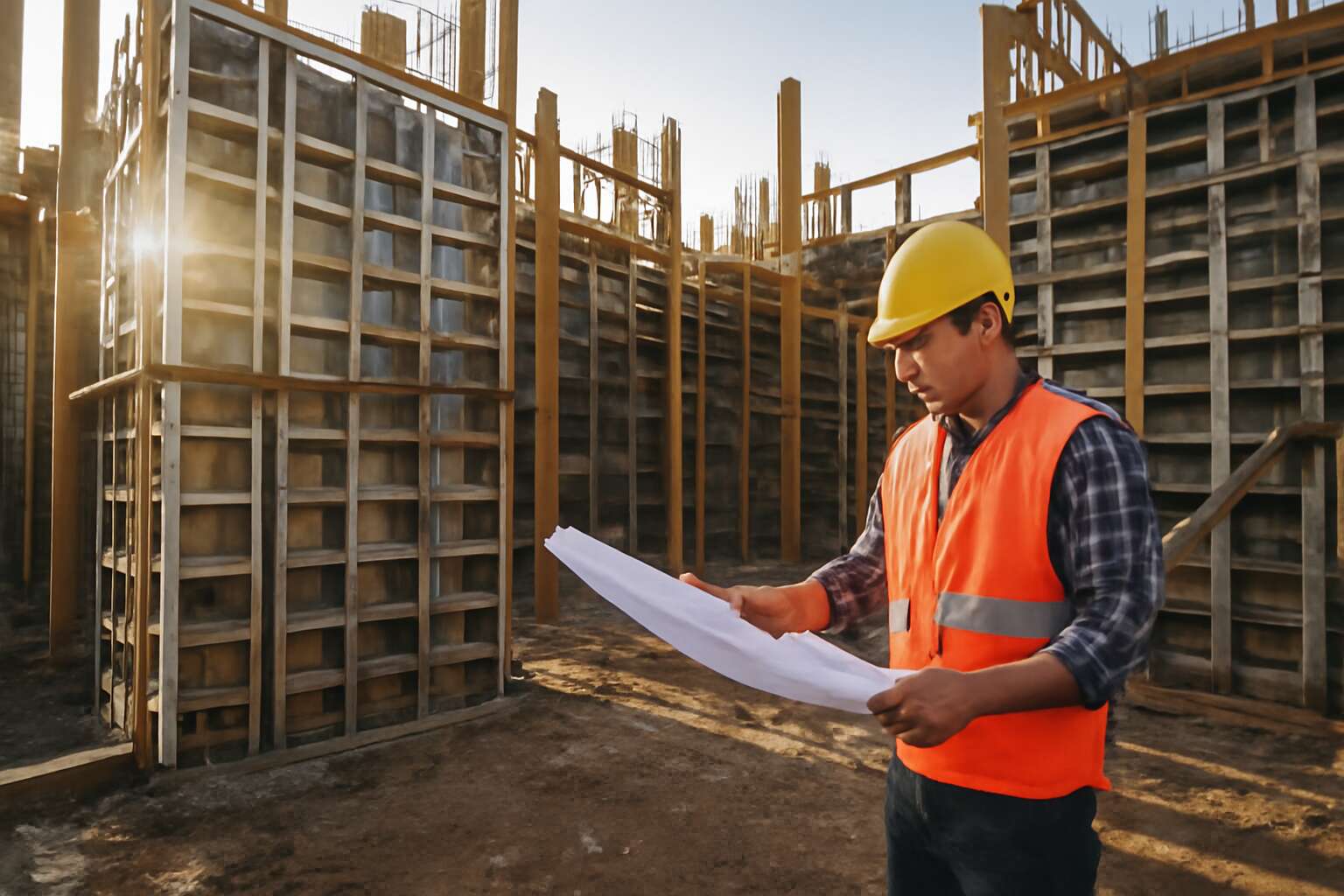
Formwork pricing landscape and strategy
Pricing overview and market context
A brisk industry snapshot shows formwork prices rising in the mid-to-high single digits year over year—a stiff nudge to project budgets and bids alike. For South Africa’s builders, this isn’t mere data but a practical compass. The landscape is a mosaic of supply chains, material costs, and the tempo of infrastructure projects. Key levers are:
- Material availability and unit costs
- Labor efficiency and subcontractor capacity
- Rental versus ownership and maintenance cycles
Pricing in South Africa reflects global swings and local idiosyncrasies—the rand’s wobble, port congestion, and the pace of building activity. Market segments diverge: residential uses lean on standard, reusable panels; large civil projects demand scalable systems and bundled service. The result is a fluid price picture where volume, duration, and system longevity shape the final numbers, and formwork prices ride the currents of the market.
Key cost drivers for formwork projects
Across South Africa’s construction sites, formwork prices have climbed about 7% in the past year, nudging budgets and bids alike. That ripple isn’t a rumor but a compass—pushing teams to measure tempo, reuse, and supply chain reliability as closely as they track price itself. A project’s success hinges as much on rhythm as on the punch of numbers.
Three nuanced levers shape the final tally for any build.
- Transport logistics and on-site handling add friction to schedules and costs.
- System durability and reusability govern refurbishment cycles and return on investment.
- Contract structure and risk allowances quiet the noise of weather, revisions, and lead-time volatility.
In the South African market, residential programs lean on standard, reusable panels, while large civil schemes demand modular systems and bundled services. The price picture tightens when you factor in turnover—how long a formwork system stays in circulation—and the speed at which crews can translate plans into on-site action.
Buying vs renting formwork
Across South Africa, formwork prices have climbed about 7% in the past year, and the ripple isn’t just a number—it’s a tempo that slows some bids and accelerates others. The frame of decision widens: turnover, logistics, and reliability ride with the price tag on every forecast.
- Buying formwork systems can deliver long-term ROI through lifecycle refurbishments, but upfront capital and storage become daily considerations.
- Renting keeps cash flow flexible and lets teams match turnover velocity, yet ongoing rental costs may erode competitiveness over extended projects.
In residential programs, standard reusable panels prevail, while large civil schemes lean on modular systems and bundled services, steering the pricing narrative toward lifecycle value. The reality is that formwork prices shape every budget, not as a fear but as a compass.
Regional insights and supplier considerations
Formwork prices act like weather in the SA construction landscape—unpredictable, but informative. Across South Africa, formwork prices have climbed about 7% in the past year, and that uptick isn’t a mere footnote—it’s shaping bids, timelines, and the temper of supplier conversations.
Regional insights steer decisions more than raw cost. A Gauteng supplier network may tighten lead times, while coastal projects contend with freight and weather delays that ripple into price. The challenge is to read the map of supplier capabilities before placing a quote.
- Local manufacturing vs imported panels and their impact on pricing
- Lead times and after-sales support across provinces
- Bundled services that spread risk across delivery, erection, and refurbishments
I’ve learned to value timing, service, and lifecycle resilience as much as the sticker price. The way suppliers package, service, and guarantee pricing becomes a quiet compass for every forecast—read correctly, it points toward fewer disruptions and steadier progress, even when the market hums with volatility!

0 Comments