
Overview of formwork removal: fundamentals, safety, and efficiency
What is formwork removal and its impact on construction
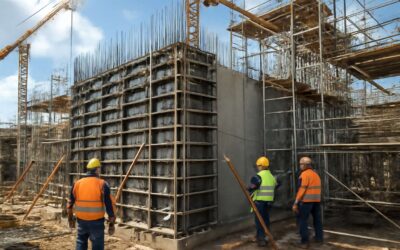
On South African sites, timing is steel and stone; the instant formwork yields to cured concrete can make or mar a project. formwork stripping, performed with poise, trims days and preserves the finish.
Fundamentals hinge on strength, sequence, and surface care. The stripping should begin only after adequate strength; release agents and careful lifting protect edges.
- Assess strength and plan the sequence
- Use gentle lifting to protect surfaces
- Coordinate with surrounding shuttering and weather
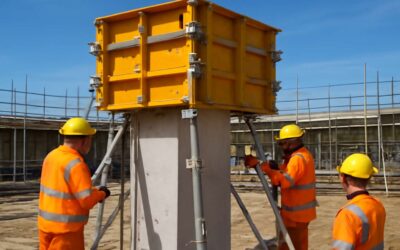
Safety sits at the core: PPE, clear zones, and disciplined routines keep accidents at bay. Never rush a lift; haste invites slips and peels.
Efficiency rises from rhythm: good weather, proper tooling, and selective mechanical stripping accelerate progress while preserving finish.
Key stages in removing formwork
On South Africa’s busy building sites, a smooth stripping cadence can shave days from timelines. “If you rush the lift, you pay with the finish!” a veteran foreman notes.
Fundamentals hinge on strength, sequence, and surface care. Begin only after concrete has adequate strength, apply release agents, and lift edges with control. This approach keeps edge integrity and the surface ready for finishing.
- Confirm concrete strength and map the formwork stripping sequence
- Lift gently, using edge protection to preserve formwork and concrete
- Coordinate with surrounding shuttering and weather for a seamless transition
Safety sits at the core: PPE, clear zones, and disciplined routines keep accidents at bay. Never rush a lift; haste invites slips and peels. Efficiency rises from rhythm, good weather, proper tooling, and selective mechanical stripping that preserves the finish.
Safety considerations and PPE for formwork removal
On South Africa’s bustling construction sites, the dance of formwork stripping is where discipline meets dirt and drama. The goal isn’t speed but a clean transition that preserves form and finish. In practice, stripping begins only after curing has granted concrete enough bite, a release agent does its quiet work, and edges are coaxed free with steady hands. Do it right, and the slab doesn’t blue-paint its own flaws in the process.
Safety considerations and PPE for formwork removal are not afterthoughts but the main event. Clear zones, stepped communication, and routine checks keep the site from becoming a slapstick show. PPE matters: hard hats, gloves, eye protection, safety boots, and hearing protection when the pop goes the formwork. We keep it professional with rhythm and respect for weather and tools.
- Hard hats
- Safety boots
- Eye and face protection
Common mistakes and how to avoid them
“Hold the line until the concrete bites,” a foreman told me on a South African site. That moment defines formwork stripping—the balance between release and finish. The fundamentals are straightforward: time the strip with curing, keep edges aligned, and coax corners free with steady hands.
Safety and efficiency lead the show. Clear zones, communication, and routine checks keep the strip from becoming a slapstick scene. PPE is non-negotiable, and a measured rhythm beats brute force. The aim is a clean release that respects the form and the finish, avoiding dents.
- Rushed timing that skips curing cues
- Unclear zone boundaries and poor communication
- Incompatible tools or methods for the formwork type
Common missteps echo on sites. Patience, planning, and oversight that align with the curing window keep formwork stripping efficient. When the rhythm is right, it becomes a quiet, reliable part of the build.
Removal techniques and strategies for concrete formwork
Manual vs mechanical removal: pros and cons
Across South Africa’s bustling building sites, a thoughtful approach to formwork stripping can trim project timelines by as much as 25% when the plan matches tasks to the right tools. Manual removal and mechanical removal each play a different rhythm: one cherishes control, the other champions speed. The right mix keeps surface quality, safety, and schedule in harmonious balance.
Consider this quick comparison:
- Manual removal: precision and low equipment costs.
- Manual removal: slower on large or dense formwork.
- Mechanical removal: fast, scalable, and predictable.
- Mechanical removal: higher upfront setup and potential surface impact if not controlled.
In practice, teams blend both approaches, aligning every crew’s cadence with form complexity, schedule pressure, and site safety targets.
Timing and scheduling for efficient formwork removal
On South Africa’s dawn-lit sites, timing keeps the skeleton of a building alive. The stripping of formwork becomes a quiet art, not a contest of force. The right moment preserves cycle flow and protects the cured concrete, while workers move with a measured, almost nocturnal grace!
We know removal thrives on rhythm. A patient pause now can save hours later, and precise release protects surface integrity. The flow favors timing, clear sightlines, and steady equipment cadence.
- Cadence aligned with pour windows
- Surface protection and gentle release checks
- Safety governance throughout movement
Where these threads meet, formwork stripping becomes choreography. A thoughtful blend—silence, speed, safety—keeps projects breathing as dawn breaks over South Africa’s horizons.
Tools and equipment used in formwork removal
On South Africa’s dawn-lit sites, a perfectly timed strip is more art than brute force. In formwork stripping, timing guides the lift and preserves cure; a whispered release, not a shout for victory.
Removal techniques rely on controlled leverage and surface-friendly methods. Gentle prying, staged releases, and reading the form keep cement textures intact. This is choreography, not demolition, a formwork stripping discipline that saves cycles and surfaces.
Tools and equipment set the tempo.
- Crowbars and pry bars
- Rubber mallets or dead-blow hammers
- Oscillating tools or release saws
- Hydraulic jacks or small winches
Quality control during removal to prevent damage
On South Africa’s dawn-lit sites, a perfectly timed formwork stripping can shave days from a schedule—an art where patience outstrips brute force. Industry chatter notes cycle times improve up to 28% when stripping is disciplined, turning the moment of release into a quiet, almost ceremonial crescendo rather than a tremor of risk.
Removal techniques rely on controlled leverage and surface-friendly methods. Consider this choreography:
- Gentle prying and staged releases that respect the cement texture
- Reading the form to guide the lift, not forcing it
- Protected surfaces with soft pads and minimal contact
Quality control during removal is the quiet guardian of surface integrity. Inspect for bonding failure, unexpected texture shifts, and inadvertent impressions; document the state as forms part of the record, ensuring the next stage meets expectations without drama.
Waste management and environmental considerations during removal
In South Africa’s bustling build sites, formwork stripping is the moment when plans meet reality—and it can cut days from a schedule if done right. Disciplined removal can shave up to 28% off cycle times, turning a tense release into predictable rhythm and momentum.
Techniques center on controlled leverage and surface care: gentle prying, staged releases that respect the cement texture, reading the form to guide the lift rather than brute force, and shielding surfaces with soft pads to keep the texture pristine—no dramatic calls to arms, just measured choreography.
Waste management and environmental considerations during removal demand forethought. Align the process with formwork stripping constraints and the project’s green goals, accounting for material streams and minimal footprint on site.
- Material streams: timber, metal, plastics, and concrete rubble
- Environmental concerns: dust, runoff, and noise
- Governance: waste documentation and opportunities for recycling
Materials, surfaces, and surface preparation in formwork removal
Impact of concrete mix and curing on removal timing
On South Africa’s bustling building sites, delays in formwork stripping can push weeks onto a project timeline. A smart choice of formwork materials sets the tone for clean release and a smooth surface, keeping pours moving and rework to a minimum.
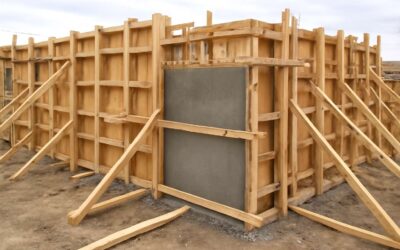
Materials and surfaces vary widely. Timber, plywood, steel, or plastic forms each interact differently with release agents and finish textures. Surface preparation matters: pre-wetting, consistent coating, and a final check for nicks or rough spots help avoid sticking and spalling later.
- Timber or steel may react differently to release agents
- Surface finish choices influence release ease
- Moisture control reduces suction before stripping
Finally, concrete mix and curing steer the timing. A high early-strength mix can enable earlier stripping, while too much moisture or uneven cure makes forms cling longer. Temperature swings and ambient humidity further tune the window for confident removal.
Surface preparation for reuse of molds and panels
On South Africa’s busiest sites, the tempo of formwork stripping can decide the pace of a whole pour. I’ve watched timber, plywood, steel, or plastic forms each speak a different surface language to release agents, shaping a clean release and a smooth surface that keeps pours moving.
Indeed, surface preparation matters for reuse. Pre-wetting, even coating, and a final check for nicks or rough spots prevent sticking and spalling.
With careful surface prep, the release becomes a confident moment and a faithful return to reuse, rather than a fight with cling.
Adhesion issues and how to resolve them
Across South Africa’s busiest sites, the difference between a clean release and a sticky delay often comes down to materials, surfaces, and how they meet the day’s humidity. On timber, plywood, steel, and plastic forms, the surface language you choose in formwork stripping can invite release or invite cling.
Common adhesion issues arrive in three guises:
- Surface contamination from dust, oil, or curing agents that grab the form and grip the concrete
- Incompatible combinations of form material and coating or release agent that fight instead of flow
- Moisture and uneven curing forming films that cling to the surface
Resolution comes from harmony—matching materials, finishes, and the day’s conditions so that the release feels natural rather than forced. In the field, I’ve seen patient, compatible pairings turn stubborn forms into faithful reuse, making the release a sure, quiet moment rather than a struggle.
Choosing releasing agents and form-release chemicals
In formwork stripping, materials and surfaces dance together—the grain of timber, the smoothness of plywood, the rigidity of steel, the resilience of plastic forms. The surface language you choose for release shapes whether logs part with ease or cling with stubborn resolve. The form-release chemistry must be sympathetic to the form material and to the day’s moisture.
When selecting releasing agents, consider cadence with the substrate, finish, and environmental conditions.
- Compatibility with form material (timber, plywood, steel, plastic) and coating
- Surface cleanliness and prior curing agents that could grab the form
- Humidity and temperature impact on film formation and release ease
Surface preparation sets the stage: a calm, residue-free canvas that respects the surface energy of the mold. When the substrate remembers its own texture and the film forms evenly, release becomes a quiet moment.
Equipment selection and maintenance for formwork removal operations
Selecting hydraulic vs manual removal tools
On South Africa’s bustling construction sites, the tempo of formwork stripping can steer project outcomes. The right toolkit—robust, compatible, and well maintained—translates raw concrete into earned timelines. Choosing equipment is not a whim but a balance: power for lift, finesse for delicate panels, and resilience against dust and heat. When the gear aligns with the job at hand, crews move with confidence and leave the formwork behind in pristine condition.
Equipment selection and maintenance shape every strike and set. In practice, the aim is to match tool capability with surface requirements while fostering a culture of care around the gear.
- Visual inspection of clamps, pins and hoses for wear
- Calibration checks and lubrication aligned with manufacturer guidelines
- Protection and storage practices to extend tool life
Across projects, a disciplined upkeep ethos pays off in steady workflow, reduced replacement costs, and fewer surprises on site.
Maintenance routines for removal equipment
On South Africa’s sun-baked sites, formwork stripping hinges on more than raw power; it begins with choosing gear that fits the surface and the lift. A well-chosen, well-tended toolkit translates stubborn concrete into reliable timelines, turning potential delays into disciplined progress and a cleaner finish that earns every brick.
Maintenance routines are the quiet backbone of operations. Regular checks, timely lubrication, and thoughtful storage keep tools ready for the next set, preventing rust, wear, and sudden downtime.
- Regular on-site inspections for wear, looseness, and alignment of components
- Lubrication and service checks following the manufacturer’s schedule
- Secure, dry storage and protection from dust and heat to extend life
When the gear stays in tune, formwork stripping proceeds with a confident rhythm, and teams keep momentum without compromising safety or surface care.
Safety devices and guarding systems for removal operations
On sun-baked South African sites, the right gear can shave up to 20% off the stripping cycle—an efficiency born of fit, touch, and timing. The gear must be fit to the surface and matched to the lift, turning stubborn concrete into a measured rhythm. When equipment is chosen with care and kept in tune, formwork stripping becomes a reliable metronome rather than a fraught sprint.
Selecting the right tool means gauging surface finish, panel type, and lift capacity; a well-tuned kit reduces surface damage and protects crews from strain. Maintenance—regular checks, lubrication, and thoughtful storage—keeps the system ready for the next cycle.
- Interlocked guards on hoisting gear
- Emergency-stop devices on power units
- Non-slip steps and handrails
- Audible and visual movement alerts
With proper devices, formwork stripping proceeds in confident tempo, preserving surfaces and keeping projects on schedule.
Cost considerations and ROI of equipment upgrades
On sun-baked South African sites, the right gear can shave up to 20% off the stripping cycle for formwork stripping. The right choice of gear isn’t an afterthought—it’s a profit lever. A well-chosen kit tailored to surface finish, lift capacity, and panel type trims downtime and reduces damage, while maintenance keeps the system reliable through back-to-back cycles. Regular lubrication, checks, and proper storage turn equipment into a durable partner rather than a budget sinkhole.
Cost considerations and ROI should guide upgrades to keep projects on budget.
- Upfront vs lifecycle costs: weigh purchase price against maintenance and downtime savings.
- Maintenance impact: regular checks reduce unexpected failures and extend tool life, boosting ROI.
- Asset value and training: consider resale value and the cost of operator training when upgrading.
With thoughtful planning, upgrades pay back through shorter cycles and safer operations.
Mobile vs fixed removal setups
Equipment selection for formwork stripping isn’t a garnish—it’s a core productivity lever on any site. The choice between mobile and fixed removal setups shapes cycle times, keeps teams safe, and tunes logistics to match South Africa’s sun-drenched, schedule-tight realities. A thoughtful kit—matched to panel type, lift capacity, and ease of maintenance—reduces downtime and guards against costly damage.
- Mobile setups: high flexibility, quick relocation between bays, easier for evolving site layouts.
- Fixed setups: greater stability, heavier lift capacity, and often lower per-move wear for repetitive tasks.
Maintenance is the quiet partner in this drama—lubrication, checks, and proper storage keep the stripping fleet reliable for back-to-back cycles.
Quality control, inspection, and documentation in formwork removal
Inspection checklists after removal
Concrete still curing, budgets still burning, and formwork stripping is the make-or-break moment for schedule. Rigorous post-removal checks can cut rework time by up to 40%, says a veteran inspector: ‘If the formwork ain’t right after the pour, the crane will pay the price.’
Quality control during formwork stripping hinges on inspection and traceable documentation. After removal, an inspection checklist records surface integrity, alignment, and residues. This is proof in the record book: photos, notes, and sign-offs lock in quality for reuse.
- Surface finish and formwork contact points
- Sheeting alignment and dimension check
- Residual release agent and debris
- Fasteners and hardware accounted for
Documentation is the quiet backbone: a simple digital log with timestamps, names, and deviations for formwork stripping. A tidy removal record keeps stakeholders confident and future reuse straightforward.
Recordkeeping for formwork reuse and lifecycle
Records do more for a site than a hard hat ever could: they keep the project leaning toward on-time completion. In formwork stripping, a disciplined post-removal check is a budget’s best friend and a schedule’s fiercest ally. “It isn’t glamorous,” a veteran inspector likes to say, “but it’s where the crane’s fate is decided.”
Quality control hinges on inspection and traceable documentation. After removal, a record of surface integrity, alignment, and debris becomes the living history of reuse, especially on SA construction sites where reuse cycles cut cost. A digital log with timestamps, names, and deviations is the quiet backbone that reassures stakeholders and protects the lifecycle of formwork reuse.
- Digital log with timestamps
- Photographs and notes
- Sign-offs from responsible personnel
Common defects observed during removal and remediation
A veteran inspector likes to say, post-removal is where the crane’s fate is decided. In formwork stripping, quality control, inspection, and documentation are the quiet engines that keep a project on track. On SA construction sites, a digital log with timestamps, photographs, and sign-offs from responsible personnel becomes the living history that protects the lifecycle of formwork reuse.
- Surface scoring or gouges indicating panel wear
- Misalignment or tilt causing finish defects
- Edge damage or cracking at joints
- Adhesive residues and debris that hinder reuse
After removal, surface integrity and debris records, plus alignment notes, form the traceable backbone for reuse decisions. This disciplined documentation reassures stakeholders and ensures the stripping process remains a durable, economical choice across the project’s lifecycle.
Compliance with industry standards and regulations
Across South Africa’s sites, a recent industry survey shows 40% of rework starts with gaps in inspection and recordkeeping. Quality control, inspection, and documentation are the quiet engines of formwork stripping, keeping projects on track.
In practice, every removal step should trigger a paper trail that survives audits and client reviews.
- Digital logs with timestamps and responsible sign-offs
- High-resolution photographs documenting surface condition
- Surface and joint alignment notes that support reuse decisions
With unwavering adherence to industry standards and regulations, surface condition notes, debris records, and alignment sheets form a defensible history that underpins removal decisions and the project’s reuse lifecycle.

0 Comments