
Formwork systems basics and terminology
Key definitions in formwork terminology
On busy South African sites, efficient formwork and shuttering can shave days from a schedule and curb waste by as much as 30%. This is the frame that shapes concrete—temporary, precise, and ready to be stripped once the pour cures.
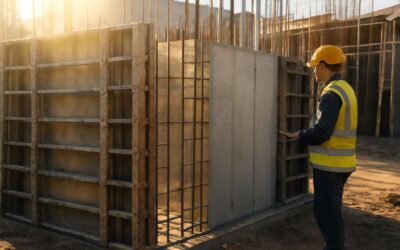
Formwork systems basics rest on a handful of practical terms that keep projects moving. Here are key definitions in formwork terminology:
- Formwork: the temporary mould that holds concrete as it cures.
- Shuttering: facing panels that shape exposed surfaces and are removed later.
- Props and shores: adjustable supports bearing loads to keep lines true.
- Ties and release agents: methods to hold formwork together and ease removal.
Across South Africa, choosing timber, steel, or modular forms influences speed, safety, and reuse. Modular systems excel on tight sites, timber offers adaptability for irregular shapes, and steel delivers strength for tall pours. The goal is alignment and rapid stripping—minimising downtime in formwork and shuttering.
Role of formwork in concrete projects
Across busy South African sites, efficient formwork and shuttering can shave days from a schedule and curb waste by as much as 30%. These temporary skins shape tomorrow’s concrete, offering precision and a clear route to clean stripping once the pour cures. I’ve seen these skins carve precision into hours, turning rough slabs into stage-ready surfaces. Think of them as the quiet craftsmen—strong, adaptable, and patient.
Formwork systems basics span material choices—timber for irregular shapes, steel for tall pours, modular for tight sites—each whispering its own tempo. The role of formwork in concrete projects is to hold, support, and reveal, guiding the pour from foundation to finish with safety and reuse in mind.
- Speed and sequencing on site
- Safety and stability of supports
- Reuse potential and material efficiency
On South Africa’s diverse builds, teams balance adaptability with precision; the right formwork and shuttering mix keeps lines true, reduces downtime, and frees crews to move with confidence.
Shuttering vs formwork: what’s the difference
In South Africa’s evolving skylines, the difference between a day wasted and a solid pour often comes down to formwork and shuttering. A recent local audit notes up to 25% downtime reduction when the right system is chosen, turning rough slabs into stage-ready surfaces with quiet efficiency.
Shuttering vs formwork: what’s the difference? Shuttering describes the temporary skin that shapes the concrete face for each pour. Formwork encompasses the entire system—panels, supports, and reuse plans—that holds and guides the work from foundation to finish.
- Panel strategies that suit irregular geometries
- Support layouts designed for safe stripping
- Reuse and maintenance programs to cut waste
Formwork systems basics show how material choices set tempo: timber for quirks, steel for vertical climbs, modular for tight sites. Terminology matters: shuttering is the shaping face; formwork is the broader carrier of the pour. Together, they tell the story of precision on site.
Common abbreviations and standards in formwork
Formwork systems basics hinge on material choice, geometry, and reuse — the quiet torque behind concrete perfection. Timber invites quirks; steel anchors vertical climbs; modular kits tame tight sites. Shuttering remains the shaping face for each pour, while formwork and shuttering together carry the entire workflow from foundation to finish. Clear terminology speeds decisions and reduces downtime on South Africa’s evolving skylines, where even a small misstep can ripple into days of delay!
Common abbreviations and standards in formwork guide safe, efficient practice on site:
- SANS — South African National Standards
- EN and ISO family references — European and International quality and performance benchmarks
- PF — panel formwork; SF — steel formwork; MF — modular formwork
Abbreviations frame the dialogue between design intent and field execution, shaping how formwork and shuttering translate into concrete reality.
Shuttering design and installation best practices
Shuttering design principles and load considerations
Shuttering design is more than a frame; it’s a calculation of forces that determine pour quality and schedule. A striking stat from the field: misaligned shuttering can drive rework costs up by as much as 20%.
Formwork and shuttering must serve as a unified system, balancing modularity with robust load paths. Consider vertical and lateral loads, hydrostatic pressure from fresh concrete, wind, and crane interactions.
Key design considerations include:
- Panel compatibility with local formwork and shuttering systems
- Accurate openings, alignment with rebar, and clean load paths
- Finish quality and release-agent compatibility to prevent surface defects
In South Africa, thoughtful shuttering design protects crews and keeps projects moving through variable weather and demanding sites.
Materials and hardware for shuttering
Shuttering design is a calculation, not a frame. A striking stat shows misaligned shuttering can drive rework costs up by 20%, so precision pays. The formwork and shuttering system must act as a unified whole, balancing modularity with robust load paths. Consider vertical and lateral loads, hydrostatic pressure from fresh concrete, wind, and crane interactions to keep pours on schedule and walls true!
Materials and hardware for shuttering improve workflow:
- Moisture-resistant paneling (plywood or metal-faced forms)
- Steel wales, ties, clamps, and couplers for secure alignment
- Adjustable props, base plates and release agents for clean surfaces
In South Africa, thoughtful shuttering design protects crews and keeps projects moving through variable weather and demanding sites.
Installation sequence and curing implications
Across South Africa’s building sites, misaligned shuttering can push rework costs up by as much as 20%. Shuttering design and installation best practices treat formwork and shuttering as a single, harmonised system—one that balances modularity with robust load paths. The installation sequence matters: walls stay true when panels are carefully aligned and the connections secure as fresh concrete flows in.
Curing implications stretch beyond the pour. Moisture-control, appropriate release agents, and the timing of form removal prevent cracks and surface defects. In hot, windy climates, maintaining steady moisture and shade helps keep joints stable until concrete gains strength, allowing forms to come down without compromising the wall.
On demanding sites, thoughtful planning gives crews confidence and keeps schedules intact. The rhythm between plan, fit, and finish translates into safer work and steady progress across South Africa’s varied landscapes.
Reusable shuttering systems vs traditional
Shuttering design isn’t a mere afterthought—it’s the heartbeat of a safe, efficient pour. When the panels align with precision and joints lock cleanly, I see how formwork and shuttering can act as a single, harmonised system on South Africa’s diverse sites.
- Modularity that matches varying geometries
- Sharper surface finish through stable supports
- Reduced rework and faster cycle times
- Lower long-term costs through reuse
Reusable shuttering systems offer longer reuse, tighter tolerances, and less waste when stacked against traditional timber setups. Weather-resilient hardware ensures stability until the concrete gains strength, helping preserve surface quality and finish on demanding sites.
Types of formwork systems and shuttering methods
Timber formwork options and when to use them
A cross South Africa’s bustling construction sites, the right combination of formwork and shuttering can shave weeks off a schedule—some projects report up to a 30% faster cycle. The choice spans timber, steel, and modular systems, each with a distinct finish and load response!
Core families include:
- Timber-based systems: solid timber, plywood-faced panels, and laminated veneer lumber (LVL) beams
- Modular steel or aluminium systems: light, reusable frames that speed assembly
- Slipform stay-in-place systems: continuous pours for vertical or curved walls
Timber formwork options and when to use them hinge on geometry and reuse potential, a core aspect of shuttering strategy. Straight, repetitive slabs benefit from solid timber or plywood-faced panels for predictable finishes. For curves, plywood templates and LVL beams soften edges while reducing waste!
Metal and steel formwork systems
Steel and aluminum formwork systems drive speed without surrendering precision on South Africa’s construction sites. Metal shuttering offers tight tolerances, repeatable finishes, and a glare-free surface, ideal for repetitive slabs and high-cycle projects. On busy jobs, a disciplined metal frame setup can trim weeks from the schedule—some projects report up to a 30% faster cycle. That’s the lean edge of formwork and shuttering, built to endure, reuse, and shine.
- Rapid erection with bolt-together steel frames
- Durable, reusable panels for multiple pours
- Interchangeable components suit varied geometries
From high-rises to elevated decks, metal formwork accelerates cycle times and reduces waste through reuse.
Modular formwork solutions
Across busy South African sites, modular and stay-in-place formwork systems can trim cycle times on repetitive pours by as much as a third. The advantage comes from the seamless dance of formwork and shuttering—rapid erection, consistent tolerances, and surfaces ready to receive concrete with minimal touch-up!
Modular formwork systems behave like adaptable building blocks, featuring interchangeable panels, uprights, and ties that tailor to complex geometries. Stay-in-place forms stay on site to speed up cores, while slip-form approaches carry vertical progress for continuous pours across high-rise phases.
Shuttering methods complete the picture: reinforced aluminium panels, fast-clip joints, and reusable timber alternatives offer durability and reuse. The optimal choice blends modularity with resilience, keeping formwork and shuttering durable under South Africa’s sun and schedule pressures without sacrificing finish quality.
Shuttering methods for complex geometries
On South Africa’s most ambitious builds, precision formwork can shave nearly a third off cycle times when the right system is chosen. That speed isn’t magic—it’s the conversation between formwork and shuttering, tuned for every pour to land with minimal touch-up.
Types of formwork systems span lightweight aluminium panels, steel frames, and innovative fabric or inflatable forms that bend to complex geographies. Shuttering methods for complex geometries include fabric forms and inflatable channels that preserve surface quality.
- Fabric formwork for curves
- Inflatable formwork for vertical cores
- 3D-printed templates for bespoke geometries
I’ve watched teams deploy fabric forms that snap to curve walls and still pull tight tolerances, proving the right mix can keep the structure durable under South Africa’s sun.
Traditional vs contemporary shuttering techniques
Speed on South Africa’s building sites isn’t magic—it’s a tight dialogue between formwork and shuttering. When this conversation is tuned for the pour, cycles slip along with cleaner surfaces and fewer reworks, even under the sun-baked SA climate.
Traditional shuttering leans on timber and plywood—hands-on, great for curves but labour-intensive, which means more coffee and longer weekends. Contemporary approaches favor modular panels and reusable frames, engineered for speed, tight tolerances, and safer, cleaner on-site workflows that feel almost futuristic. This is where formwork and shuttering really start chatting in earnest.
- Adaptability to geometry
- Surface quality and tolerances
- Lifecycle costs and reuse potential
Ultimately, the choice between traditional and contemporary shuttering reflects project needs and climate—and it all comes back to formwork and shuttering in practice.
Safety, compliance, and quality in formwork projects
Safety best practices for formwork assembly
On busy South African sites, robust formwork and shuttering safety translates directly into fewer injuries and faster turnover. A compelling stat: properly braced systems can reduce incidents by up to 40% when teams stick to tight safety protocols. The punchy truth is that a framed concrete skeleton is only as safe as the people who assemble it.
Safety best practices for formwork assembly start with people: trained crews, clear roles, and strict PPE. Plan the sequence, verify loads, and wake the toolbox talks with purpose. Below are essentials to keep the shuttering confident rather than collapsible:
- Personal protective equipment (PPE) and site-specific safety briefings
- Pre-assembly inspection of formwork units, bracing, and fasteners
- Secure bracing, proper alignment, and lock-off of all adjustable components
Compliance and quality hinge on documenting checks, adhering to SA regulations, and using fit-for-purpose materials. Keep records of inspections, load tests, and corrective actions. When you treat formwork and shuttering as traceable, you turn a risk into a feature, not a fire drill.
Quality also means tolerances and finish: accurate alignments, clean joints, and consistent curing practices. In the end, the structure speaks—loudly—through safe assembly, compliant processes, and workmanship that stands up to the South African climate.
Code compliance and standards for formwork and shuttering
On busy South African sites, well-braced formwork and shuttering translate into fewer injuries and faster turnover. In the field, properly braced systems can reduce incidents by up to 40% when crews stick to tight safety protocols. Safety starts with people—trained crews, clear roles, and strict PPE—and a plan that uses toolbox talks with purpose! Pre-assembly checks, secure bracing, proper alignment, and lock-off of adjustable components keep the shuttering confident rather than collapsible.
Compliance and quality hinge on documenting checks, adhering to SA regulations, and using fit-for-purpose materials. Keep records of inspections, load tests, and corrective actions. When you treat formwork and shuttering as traceable, you turn risk into a feature, not a fire drill.
Quality also means tolerances and finish—accurate alignments, clean joints, and consistent curing. In the end, the structure speaks through safe assembly and workmanship that stands up to the South African climate.
Quality control: inspections, tests, and documentation
On South African sites, disciplined formwork and shuttering cut risk and accelerate progress when safety becomes a living practice. Safety starts with people—trained crews, clear roles, and strict PPE—and toolbox talks with purpose! Pre-assembly checks, secure bracing, and precise alignment keep systems robust rather than collapsible.
- Inspections at defined milestones with competent personnel
- Load tests and component verification with traceable records
- Corrective actions logged through a formal non-conformance process
Compliance hinges on a living dossier: inspections, load tests, and corrective actions logged and readily auditable. When every action is traceable, audits feel like milestones rather than penalties—and site teams gain confidence to push forward.
Quality shows in tolerances and finish: crisp joints, clean interfaces, and consistent curing. Across South Africa’s climate, the craft of formwork controls the outcome—accuracy that endures, aesthetics that matter, and structures that stand the test of time.
Risk management and fall protection on formwork sites
One misstep can erase weeks of progress in minutes on South African formwork and shuttering sites, where safety isn’t a slogan but a living practice. Falls and slips loom at every edge, so risk management and fall protection rise before the first plank goes down. Teams stay steady because careful habits become second nature, shaping both people and structures with care.
Safety starts with people—trained crews, clear roles, and PPE that fits like a second skin. Toolbox talks carry purpose, not ritual, and pre-assembly checks become shared commitments. When inspections, traceable records, and competent oversight anchor every move, audits feel like milestones on a road to excellence rather than penalties.
- Pre-shift hazard assessments and purpose-driven toolbox talks
- Verified PPE, guardrails, toe boards, and fall-arrest equipment with daily checks
- Competent supervision and clearly marked fall-protection zones
Quality on formwork and shuttering mirrors the care of the craft and climate—crisp joints, clean interfaces, and consistent curing across South Africa’s diverse conditions. The outcome is accuracy that endures, aesthetics that matter, and structures that stand the test of time.



0 Comments