
Types of Wall Formwork
Traditional Temporary Formwork
When it comes to constructing sturdy and seamless walls, understanding the different types of formwork for wall is essential. Traditional formwork for wall offers unmatched versatility, often crafted from timber or steel, allowing for intricate designs and precise finishes. This method has stood the test of time, providing a reliable foundation for countless structures across South Africa.
On the other hand, temporary formwork for wall is designed for quick assembly and disassembly, making it ideal for projects with tight schedules. Its lightweight nature and reusable components reduce costs and waste, aligning perfectly with sustainable building practices. Whether opting for traditional or temporary formwork for wall, the goal remains the same: ensuring safety, accuracy, and durability in every build.
Some common types of formwork for wall include:
- Timber formwork, known for its flexibility and ease of customization
- Steel formwork, prized for its strength and longevity
- Plastic formwork, offering lightweight convenience and reusability
Choosing the right formwork for wall depends on project scope, budget, and desired finish. In South Africa’s diverse construction landscape, the right formwork can turn an ordinary wall into a masterpiece of engineering!
Reusable Formwork Systems
In the intricate dance of construction, the choice of reusable formwork systems for wall instigates a profound impact on both efficiency and sustainability. These systems transcend mere functionality, embodying a symbiosis of innovation and durability that echoes through every concrete pour. Reusable formwork systems for wall are meticulously engineered to withstand the rigors of multiple cycles, transforming the often laborious process into a seamless symphony of precision and reuse.
At the heart of this revolution lies an array of advanced materials and modular designs, allowing for rapid assembly and disassembly without compromising structural integrity. The versatility of these systems is exemplified by their adaptability to diverse architectural demands, from sleek modern facades to robust load-bearing walls. An exploration of the various types of reusable formwork for wall reveals:
- Steel modular formwork, celebrated for its robustness and longevity, capable of enduring countless cycles with minimal wear.
- Plastic formwork, lightweight yet resilient, offering unparalleled ease of handling and reusability that aligns with eco-conscious building practices.
- Hybrid systems, which ingeniously combine the strength of steel with the flexibility of plastics, providing bespoke solutions tailored to project specifications.
Choosing the right system hinges on a nuanced understanding of project scope, budget constraints, and desired architectural finesse. In South Africa’s diverse construction landscape, embracing reusable formwork for wall not only elevates craftsmanship but also champions sustainability—a vital consideration in today’s environmentally conscious era. With each cycle, these formwork systems reinforce the foundation of a building, both literally and metaphorically, embodying the enduring spirit of innovative construction.
Custom-Shaped Formwork
When it comes to creating truly bespoke structures, custom-shaped formwork for wall is where the magic happens. Unlike standard molds, these tailored solutions can mimic any architectural flair—from curvilinear masterpieces to intricate textured surfaces. In South Africa’s diverse construction landscape, the ability to craft walls that stand out is more than just a luxury; it’s a necessity for projects aiming to push design boundaries.
Imagine a formwork for wall that adapts seamlessly to complex geometries—no more awkward fits or rough edges. This flexibility is achieved through innovative materials and modular components that allow for precise shaping and easy adjustments. Whether for a sweeping facade or a statement feature wall, custom-shaped formwork ensures the final product is both aesthetically captivating and structurally sound.
In essence, custom-formwork for wall elevates the craft of concrete casting to an art form, offering architects and builders the freedom to realize their most daring visions. It’s a testament to the fact that in construction, one size definitely does not fit all—especially when the goal is to make walls that wow and endure.
Modular Formwork for Walls
In the vibrant tapestry of South Africa’s construction scene, modular formwork for walls emerges as a game-changer—an elegant dance of adaptability and precision. Unlike rigid systems, modular formwork for wall offers a symphony of interconnected components, allowing builders to craft complex geometries with ease and finesse. Its versatility transforms the mundane task of concrete casting into an artful process, where each piece fits seamlessly like a puzzle piece, creating smooth, flawless surfaces that stand the test of time.
This type of formwork for wall is particularly celebrated for its speed and reusability, making it a favorite among architects seeking both efficiency and sustainability. Modular systems can be assembled or disassembled swiftly, reducing construction time and labor costs. Whether for a sleek modern façade or an intricate textured finish, modular formwork elevates the craft, ensuring every wall is a masterpiece in the making.
Materials Used in Wall Formwork
Plywood
When it comes to formwork for wall, the choice of materials can make or break your project — quite literally! Plywood remains a perennial favorite, and for good reason. Its versatility and affordability make it the go-to for many builders in South Africa. Plus, with advances in manufacturing, today’s plywood options boast enhanced durability and smooth finishes, ensuring your walls look flawless once the formwork is stripped away.
Unlike steel or plastic alternatives, plywood offers a natural ease of handling and can be reused multiple times if cared for properly. For added strength, some crews opt for marine-grade plywood, which resists moisture and warping — essential when working in our sometimes unpredictable South African climate.
To maximize efficiency, many prefer the following options:
- High-quality birch plywood for precision and finish
- Exterior-grade plywood with weather-resistant properties
- Flexible, lightweight panels for intricate or curved wall designs
Choosing the right plywood for your formwork for wall project not only ensures a cleaner finish but also prolongs the lifespan of your formwork, saving costs and headaches down the line.
Steel and Aluminum
When considering the materials used in *formwork for wall*, steel and aluminum stand out as the titans of durability and strength. Their robustness can transform a standard construction project into a marvel of engineering precision. Steel, with its high tensile strength, ensures that the formwork maintains its shape under pressure, resulting in cleaner, more accurate wall finishes. Aluminum, lighter yet equally resilient, offers ease of handling and faster assembly times, making it a favorite among seasoned builders in South Africa.
Both materials are designed to withstand the rigors of repeated use, a crucial factor in cost-effective construction. Their resistance to corrosion means they perform reliably even in the unpredictable South African climate, where moisture and temperature fluctuations are common. For projects demanding intricate or curved wall designs, modular aluminum panels provide unparalleled flexibility, allowing for complex shapes without compromising structural integrity.
In the realm of *formwork for wall*, selecting between steel and aluminum isn’t just about strength—it’s about optimizing efficiency and quality. The choice ultimately hinges on project scope, environmental factors, and desired finish quality.
Plastic and Composite Materials
While steel and aluminum dominate the scene, plastic and composite materials for *formwork for wall* offer intriguing alternatives, especially for projects demanding lightweight solutions. These materials are increasingly popular in South Africa’s construction landscape, where efficiency and cost-effectiveness are paramount.
Plastic formwork systems are renowned for their corrosion resistance and ease of handling. Made from durable polymers, they resist moisture and weathering, making them ideal for the unpredictable South African climate. Additionally, their smooth surfaces contribute to a high-quality wall finish, reducing the need for extensive surface finishing work.
Composite materials, combining fiberglass or other reinforcing elements with plastic, push the boundaries even further. They provide exceptional strength-to-weight ratios, allowing builders to construct complex or curved walls with minimal fuss. These materials excel in situations where traditional formwork might be too heavy or cumbersome, offering a compelling balance between durability and portability.
Choosing the right material for *formwork for wall* depends on project specifics, but incorporating modern plastic and composite options can significantly streamline construction timelines and enhance finish quality. With innovative materials continually evolving, the future of formwork looks lighter, smarter, and more adaptable than ever before!
Concrete Formwork Panels
When it comes to *formwork for wall*, the choice of materials can make or break the entire construction process—literally! Concrete formwork panels are the unsung heroes of the wall-building world, providing the sturdy mold that shapes our concrete masterpieces. These panels are crafted from a variety of materials, each offering unique advantages tailored to specific project needs.
In South Africa’s bustling construction scene, durability and ease of use are king. Concrete formwork panels made from high-density plywood or steel are traditional favorites, but modern innovations have introduced lightweight, yet robust options like fiber-reinforced plastics and engineered composites. These materials not only withstand the heavy pressures of fresh concrete but also ensure a smooth, blemish-free finish on the final wall surface.
Choosing the right material for *formwork for wall* hinges on several factors, including project scale, environmental conditions, and budget. For example, plastic and composite panels excel in environments prone to moisture and corrosion, providing longevity and reducing maintenance costs. Meanwhile, steel panels are unmatched in strength, perfect for large-scale or load-bearing walls. The right combination of these materials can accelerate timelines and elevate the quality of your wall finish—making your construction project not just functional, but also aesthetically impressive!
Design Considerations for Wall Formwork
Structural Strength and Stability
When constructing formidable barriers that stand the test of time, the design considerations for wall formwork must be woven with both artistry and engineering precision. Structural strength and stability are the twin pillars supporting the delicate dance between formwork for wall and the relentless forces of nature and concrete’s push. An elegant balance must be struck, ensuring that formwork can withstand the pressure without buckling or shifting, thus preserving the integrity of the poured wall.
Factors such as material selection, bracing methods, and alignment play pivotal roles. To elevate the robustness of your formwork for wall, consider these elements:
- Proper load distribution techniques
- Use of reinforced bracing systems
- Accurate alignment for even force transfer
By meticulously planning these aspects, you ensure that the formwork remains resilient during the pour, reducing the risk of deformities or failure. The goal is to craft a formwork for wall that not only supports the weight but also aligns with the project’s structural ambitions, creating a seamless symphony of strength and stability in every pour. Truly, the magic lies in the details, where engineering meets artistry in the realm of formwork for wall.
Smooth Surface Finish
In the realm of construction, achieving a pristine, smooth surface finish on wall formwork is a hallmark of craftsmanship and precision. When the formwork for wall is meticulously designed, it not only enhances the aesthetic appeal but also reduces the need for extensive finishing work, saving both time and costs. A flawless surface reflects the underlying structural integrity, ensuring longevity and strength.
One of the most effective design considerations for attaining a high-quality surface finish involves selecting the right formwork material. Materials like high-grade plywood or specialized plastic panels can significantly influence the final appearance. Additionally, ensuring proper alignment and tight joints between formwork panels prevents imperfections such as air bubbles or surface irregularities. The use of form release agents, applied with care, also plays a crucial role in achieving a smooth outcome. When combined with precise pouring techniques, these factors elevate the overall quality of the wall’s surface.
Ultimately, the pursuit of a superior surface finish in formwork for wall is a delicate balance of material choice, craftsmanship, and attention to detail. Each element interplays to create a seamless canvas—where engineering excellence meets artistic expression, culminating in a structure that stands as much for its beauty as its resilience.
Ease of Assembly and Disassembly
In the world of construction, the seamless choreography of assembly and disassembly often determines the rhythm of project timelines. When it comes to formwork for wall, ease of handling is not just a convenience—it’s a key pillar of efficiency and safety. The allure of a well-designed formwork system lies in its ability to strike a delicate balance: sturdy enough to withstand the pressures of concrete pouring, yet flexible enough to be removed swiftly without damaging the surface or the structure itself.
Design considerations that prioritize ease of assembly and disassembly can dramatically reduce labor costs and minimize downtime. Features such as lightweight panels, interlocking mechanisms, and modular components make the process smoother—allowing skilled teams to work with precision and speed. For example, employing formwork for wall with quick-release locks or hinged panels can turn what once was a tedious task into a virtually effortless dance of construction.
Incorporating these elements into your formwork system ensures that every project progresses with grace, transforming the mundane into a marvel of engineering artistry. With the right approach, even the most complex wall structures can be erected and dismantled with a finesse that elevates the entire construction experience!
Compatibility with Wall Types
Every wall tells a story, and the choice of formwork for wall plays a pivotal role in how that story unfolds. Compatibility begins with understanding the unique characteristics of each wall type—be it load-bearing, partition, or curved. The architecture’s narrative influences the design considerations for formwork, demanding precision and flexibility. For instance, a structural wall requires formwork that offers unmatched stability, while a decorative wall benefits from smooth finishes that highlight craftsmanship.
When selecting formwork for wall, it’s essential to consider the materials and the structural demands. Some systems are better suited for intricate geometries, while others excel in rapid assembly for straightforward surfaces. Modular formwork for walls, in particular, allows for adaptability, ensuring that each project’s specific needs are met without sacrificing efficiency. The compatibility with wall type not only enhances the quality of the final surface but also streamlines the construction process, turning complexity into a seamless ballet of engineering.
Load-Bearing Capacity
When it comes to formwork for wall, load-bearing capacity isn’t just a technical detail—it’s the backbone of structural integrity that ensures your project stands tall and proud. Overlooking this vital aspect can turn what should be a seamless build into a nervy ordeal, much like a house of cards in a hurricane. The key lies in selecting formwork systems that can handle the weight and stress imposed by the wall’s intended load, whether it’s a robust, load-bearing partition or a delicate decorative feature.
For walls that bear the weight of entire structures, the formwork must offer exceptional stability and strength. This often translates into the use of reinforced steel or specially engineered modular systems that can withstand pressure without warping or shifting. Conversely, when working on internal partition walls or curved surfaces, flexibility becomes paramount. Here, lightweight yet sturdy materials like aluminum or high-grade plastics shine, offering ease of handling without compromising load capacity.
- Assess the structural demands thoroughly—know your wall’s purpose and load requirements.
- Choose formwork for wall systems that match these demands, prioritising stability and durability.
- Consider the type of material—steel, aluminum, or composite—that will best serve the specific load conditions.
In South Africa’s dynamic construction landscape, understanding the nuanced interplay between formwork for wall and its load-bearing capacity can spell the difference between a project that endures and one that falters. After all, a well-designed formwork system isn’t just about aesthetics; it’s about creating a resilient backbone for every structural story your wall has to tell.
Advantages of Proper Wall Formwork
Enhanced Safety and Efficiency
When the integrity of a construction project hinges on safety and precision, proper wall formwork becomes the unsung hero. It’s more than just a temporary mould; it’s the backbone that ensures each wall stands tall and true, even amid the unpredictable South African climate. A well-designed formwork for wall enhances safety by providing stable support, reducing the risk of collapses or accidents that can halt progress and endanger workers.
Efficiency follows naturally when formwork for wall is optimized. It speeds up the construction process, minimizes waste, and cuts down on costly delays. With the right formwork, workers can focus on their craft, confident that the structure will maintain its shape and strength. This seamless coordination between safety and efficiency makes all the difference in delivering projects on time and within budget.
Cost Effectiveness
Investing in proper formwork for wall isn’t just about creating sturdy structures—it’s a strategic move that significantly boosts cost-effectiveness on every project. When formwork for wall is designed with precision, it reduces material waste and minimizes labor costs, making the entire construction process more economical. Every piece of formwork, whether reusable or custom-shaped, plays a vital role in reducing unnecessary expenses that can quickly escalate in South Africa’s fluctuating market.
Moreover, efficient formwork for wall accelerates project timelines, allowing construction schedules to stay on track or even improve. Faster turnaround times mean fewer delays, less downtime, and ultimately, better profit margins. For contractors and developers, this blend of durability, adaptability, and economic advantage underscores the true value of choosing the right formwork system—an investment that pays dividends in safety, quality, and budget control.
High-Quality Wall Finish
When craftsmanship meets ingenuity, the result is a wall that not only stands tall but whispers of perfection. Proper formwork for wall unlocks a realm where high-quality finishes transform construction from mere structure to a work of art. The surface gleams with a smoothness that rivals glass, a testament to the meticulous design of the formwork used. This refined finish is more than aesthetic—it’s a symbol of durability and pride that endures through time and weather.
In South Africa’s vibrant construction landscape, choosing the right formwork for wall can make all the difference. Its influence extends beyond appearance—enhanced surface quality minimizes the need for extensive finishing work, saving time and reducing costs. The magic lies in the precision of the formwork, which ensures that each wall is cast with uniformity and finesse. This consistency boosts overall building integrity, elevating the project’s value with every carefully poured layer.
Moreover, the advantages of proper formwork for wall ripple outward, impacting safety, efficiency, and the final outcome. When the formwork system is designed with care, it promotes cleaner, sharper edges and a flawless finish that impresses clients and end-users alike. Truly, investing in high-caliber formwork turns ordinary walls into enduring masterpieces—where functionality meets artistry in every line and surface.
Time Saving in Construction
In the realm of construction, efficiency is often the silent catalyst behind successful projects. Proper formwork for wall not only ensures precision but significantly accelerates the building process, allowing projects to move from blueprint to reality with remarkable speed. When formwork systems are designed with meticulous attention to detail, they streamline the pouring and setting phases, reducing delays caused by misaligned or uneven surfaces.
One of the key advantages of proper formwork for wall is the dramatic reduction in construction time. Innovative formwork solutions, like modular and reusable systems, enable rapid assembly and disassembly—cutting down labor hours and minimizing downtime. This swift turnaround means that more walls can be cast within a shorter timeframe, ultimately leading to faster project completion and cost savings.
In South Africa’s dynamic construction environment, where timelines are often tight, investing in high-quality formwork for wall translates into tangible benefits. It not only boosts productivity but also enhances overall safety on-site by providing stable and reliable molds. The harmony of speed, safety, and precision underscores why choosing the right formwork for wall is a cornerstone of efficient construction. After all, time saved in the early stages often echoes through the entire lifespan of a project, reinforcing the timeless value of well-engineered formwork systems.
Installation and Handling Tips
Preparation and Site Assessment
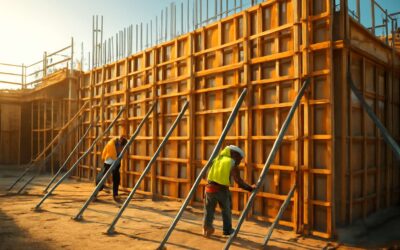
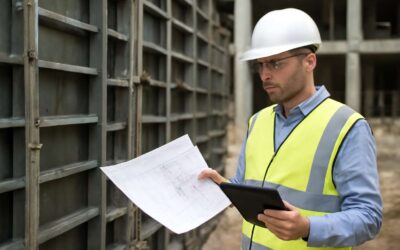
In the bustling heart of South Africa’s construction sites, the success of any project often hinges on meticulous preparation and handling of the formwork for wall. Proper site assessment is essential; it helps identify potential obstacles and ensures the chosen formwork system aligns with the project’s specific needs. Before installation, a thorough evaluation of the wall dimensions, load requirements, and environmental conditions can make all the difference.
Handling formwork for wall demands a blend of precision and care. Ensuring that the formwork panels are clean, undamaged, and correctly aligned prevents costly rework down the line. When setting up, consider the sequence of assembly—starting from the base and working upwards to maintain stability. For larger projects, employing modular formwork systems can significantly streamline the process, making the entire operation more efficient and safer for workers.
- Conduct a detailed site assessment to determine load-bearing capacities and environmental factors.
- Inspect formwork materials for damage or defects before installation.
- Plan the assembly sequence carefully, prioritizing safety and stability.
By investing time in proper preparation and handling tips for formwork for wall, construction teams can achieve a high-quality finish while maintaining safety and efficiency on site. Every detail, from site assessment to handling, contributes to the durability and aesthetic appeal of the final wall, making it a cornerstone of successful construction projects.
Step-by-step Assembly Instructions
In the realm of construction, the installation of formwork for wall is an art that demands both precision and finesse. Once the site assessment has laid the groundwork for success, the step-by-step assembly begins—transforming raw materials into a sturdy mold for the concrete masterpiece. The process, akin to crafting a legendary shield, involves meticulous alignment and secure fastening, ensuring stability from the first pour to the final set.
For optimal results, start with the foundational panels, carefully positioning them to match the measured dimensions of the wall. As you progress, utilize the natural weight of the formwork for wall to maintain alignment, and employ bracing to prevent any unwanted movement. An efficient approach involves
- checking for damage or deformation
- securely fastening panels with appropriate ties and supports
to uphold structural integrity throughout the pour. This vigilance guarantees a high-quality finish, while the seamless assembly process minimizes time and labour costs.
When handling formwork for wall, consider the sequence of assembly as a sequence of creation—each step building upon the last, culminating in a durable, smooth-surfaced wall that stands the test of time. Proper handling and precise installation are the keystones of not only safety but also achieving the aesthetic excellence that elevates any construction project to legendary status.
Safety Precautions
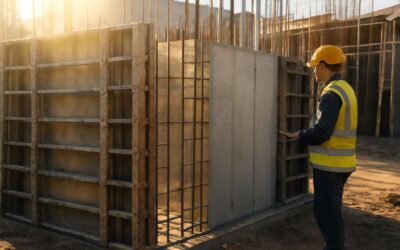
When it comes to installation and handling of formwork for wall, safety isn’t just a priority—it’s the foundation of every successful pour. Navigating the intricacies of formwork requires a keen eye and a steady hand, especially when working with diverse materials like steel, aluminum, or plastic. Proper handling reduces the risk of accidents and ensures the formwork remains undamaged, preserving its structural integrity for the next project phase.
To maintain safety and efficiency, always wear appropriate personal protective equipment (PPE), such as gloves, helmets, and eye protection. Securely fastening panels with the right ties and supports is crucial; loose or improperly installed formwork can lead to dangerous collapses or deformations during concrete placement. Remember, a well-assembled formwork for wall not only guarantees a high-quality finish but also accelerates the construction timeline, saving time and labor costs.
- Inspect formwork for damage or deformation before installation.
- Use proper lifting techniques when handling heavy panels to prevent injury.
- Ensure all fasteners and supports are securely tightened to uphold stability.
Adopting a systematic approach to assembly and handling transforms the process from mere construction into an art form—one that balances safety, precision, and durability. With each step, from setting foundational panels to bracing against unforeseen movement, the magic of creating a flawless wall begins to unfold, demonstrating the true power of expertly managed formwork for wall.
Maintenance and Reuse
When it comes to installation and handling of formwork for wall, precision and care are paramount—no one wants a wall that looks like it was assembled by a drunken builder! Proper placement and secure fastening are the secrets to a flawless finish and long-term durability. Always double-check that panels are aligned correctly and firmly supported; a shaky formwork for wall can spell disaster during concrete pour, leading to deformations and costly rework.
Maintenance and reuse of formwork for wall not only save money but also boost your project’s sustainability. Keep panels clean, free from debris, and inspect them regularly for any damage or warping. This way, you ensure each reuse maintains its structural integrity and provides a perfect surface for your next project. Proper storage is equally essential—store panels in a dry, covered area to prevent rusting or warping, especially when working with steel or aluminum formwork for wall.
To streamline your process, consider these handy tips:
- Label panels for quick identification and easy reassembly.
- Apply protective coatings to extend the lifespan of reusable formwork for wall systems.
- Use appropriate lifting techniques—never underestimate the weight of those hefty concrete panels!
With a systematic approach to assembly and diligent maintenance, your formwork for wall will not only serve its purpose but also become an investment that pays dividends in reduced costs and faster construction timelines. After all, a well-maintained formwork for wall is the unsung hero behind every impeccable concrete surface—ready to stand the test of time and weather.
Innovations in Wall Formwork Technology
Automated Formwork Systems
In an industry driven by relentless progress, innovation in formwork for wall has become a critical determinant of efficiency and quality. Automated formwork systems are reshaping the landscape, offering a blend of precision and speed that manual methods simply cannot match. These systems leverage advanced robotics and intelligent controls, enabling rapid, accurate assembly and disassembly, all while reducing human error and safety risks.
What truly sets these innovations apart is their ability to adapt seamlessly to complex wall geometries, often with minimal site intervention. Among the noteworthy advancements are modular and automated systems that integrate smart sensors to monitor load and stability in real time. Consider the following features:
- Automated alignment and adjustment for irregular wall shapes.
- Remote control operation, enhancing safety and reducing labor costs.
- Quick changeover capabilities, allowing for a swift transition between different wall configurations.
This evolution in formwork for wall exemplifies a profound shift—one that merges human ingenuity with technological mastery, ultimately transforming how structures are brought to life on the South African construction landscape. The future beckons with the promise of safer, faster, and more sustainable building practices—powered by innovations that challenge our very notions of what is possible in formwork technology.
Lightweight Materials
In the ever-evolving world of construction, innovation in formwork for wall has taken a giant leap forward—thanks to lightweight materials that make traditional heavy-duty setups look like relics of the past. These materials not only reduce the load on the structure during construction but also significantly cut down transportation and labor costs. Imagine panels so light that a single worker can maneuver them into place—no more calling in a small army just to move a formwork for wall.
Lightweight options like high-density plastics, advanced composites, and aluminum alloys are now leading the charge. They offer superb durability, resistance to corrosion, and ease of handling, which means faster assembly times and less fatigue for the crew. Plus, these materials often boast eco-friendly credentials, aligning with South Africa’s push towards greener building practices. It’s no exaggeration to say that these innovations are transforming how we approach wall construction—making it smarter, safer, and more sustainable.
To truly appreciate the benefits, consider this list of standout features:
- Reduced weight for easier handling and quicker installation
- Enhanced durability and resistance to environmental factors
- Compatibility with automated and modular formwork for wall systems
- Cost savings over the lifecycle due to maintenance and reuse potential
All these advancements in lightweight materials are helping South African builders push boundaries—crafting structures that are not only sturdy but also environmentally conscious and efficient. This is the future of formwork for wall, where innovation meets practicality in the most impressive ways.
Integrated Measurement and Monitoring Tools
Innovations in wall formwork technology now extend beyond mere materials—integrated measurement and monitoring tools are revolutionizing how we approach construction precision. These advanced systems provide real-time data on stress, alignment, and concrete curing, ensuring every formwork for wall is meticulously monitored throughout the process. Such precision minimizes errors and material wastage, ultimately elevating the quality of the finished structure.
Imagine a scenario where sensors embedded within the formwork communicate seamlessly with a central system, offering instant feedback on structural integrity and environmental conditions. This not only enhances safety but also accelerates decision-making, reducing delays and costly rework. South African builders are increasingly adopting these smart technologies, aligning with global trends for sustainable and efficient construction practices.
Furthermore, these measurement tools facilitate predictive maintenance, alerting crews to potential issues before they escalate. As a result, formwork for wall systems become more reliable and durable, translating into significant cost savings over the lifecycle of the project. The integration of such technological advancements signifies a new era—where innovation meets craftsmanship, promising a future of smarter, safer construction in South Africa.
Choosing the Right Wall Formwork System
Project Size and Scope
Choosing the appropriate formwork for wall hinges upon the project size and scope, transforming what might seem mundane into an artful dance of engineering precision. In South Africa’s bustling construction landscape, whether erecting a modest boundary wall or a colossal commercial façade, the formwork for wall must be meticulously tailored to match the magnitude of the endeavour. Small projects often call for lightweight, reusable formwork systems that allow swift assembly and disassembly, while large-scale constructions demand robust, high-capacity solutions capable of withstanding immense load-bearing forces.
Understanding the scope involves evaluating factors such as wall height, thickness, and the complexity of design. For intricate or custom-shaped walls, specialized formwork—like modular or custom-shaped systems—ensures flawless finishes. The key is aligning project demands with the right formwork for wall, ensuring efficiency, safety, and a high-quality outcome that stands the test of time.
Wall Design and Complexity
Choosing the right formwork for wall hinges on the intricacies of the wall’s design and complexity. In South Africa’s diverse construction landscape, where every project tells a story of resilience and ingenuity, selecting the appropriate system can mean the difference between a flawless finish and costly rework. Walls with simple, straight lines can often be cast with straightforward formwork for wall, while more elaborate designs demand specialized solutions.
For intricate or custom-shaped walls, modular or custom-shaped formwork systems are invaluable—they ensure precision and a high-quality finish that stands the test of time. Understanding the complexity involved helps in aligning the formwork system with project demands, whether it’s a modest boundary wall or a complex architectural facade. When the design incorporates curves, angles, or unique contours, the right formwork for wall becomes an essential tool in translating vision into reality with efficiency and safety.
Budget Constraints
Budget constraints often dictate the choice of formwork for wall, especially in South Africa’s bustling construction sector where every rand counts. A project’s financial blueprint can influence whether you opt for traditional temporary formwork or lean towards more modern, cost-effective alternatives. While the allure of high-end, automated formwork systems might turn heads with their precision, they often come with a hefty price tag that could stretch a tight budget to its limits.
In such scenarios, a well-considered selection hinges on understanding the trade-offs. For straightforward walls, simple plywood or steel formwork can deliver reliable results without breaking the bank. Conversely, if the project demands intricate designs or custom-shaped walls, investing in modular or custom-shaped formwork becomes a prudent choice—saving time and reducing waste over the long haul. To make an informed decision, consider factors like:
- Initial investment versus long-term reuse potential
- Ease of assembly and disassembly to minimize labor costs
- Compatibility with wall types and load-bearing requirements
Balancing budget constraints with project demands is no small feat, but choosing the right formwork for wall ensures that each rand contributes to a durable, high-quality finish—an essential aspect of South Africa’s resilient construction landscape.
Material Compatibility
Choosing the right formwork for wall hinges on understanding material compatibility—an often overlooked yet pivotal factor in ensuring a durable and high-quality finish. In South Africa’s vibrant construction landscape, selecting the appropriate wall formwork system can mean the difference between a project that withstands time and one that falters prematurely. Different wall formwork materials possess unique characteristics that influence their performance, safety, and cost-effectiveness.
For example, concrete formwork panels made from high-density plastic or composite materials offer impressive longevity and a smooth surface finish, making them ideal for projects demanding aesthetic precision. Meanwhile, steel formwork provides unmatched structural strength and stability, perfect for load-bearing walls that require enhanced safety measures. Compatibility with wall types—whether load-bearing or non-structural—must be carefully evaluated to prevent issues like deformation or incomplete curing.
In some cases, integrating lightweight materials with advanced measurement and monitoring tools can streamline assembly and disassembly, reducing labor costs and project timelines. To navigate these choices, consider:
- Material durability and reuse potential
- Surface finish quality requirements
- Compatibility with specific wall designs and load capacities
In South Africa’s dynamic construction sector, the right selection of formwork for wall isn’t just about material—it’s about harmonizing project demands with material properties to achieve optimal results every time. Each decision influences safety, efficiency, and ultimately, the longevity of the structure, making this a crucial aspect of any successful build.

0 Comments