
Understanding Formwork and Falsework in Construction
Definition of Formwork – What is formwork and its purpose in construction
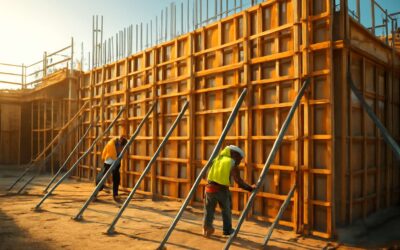
In the intricate dance of modern construction, understanding what is formwork falsework in construction is crucial for appreciating the unseen artistry behind sturdy structures. Formwork acts as the temporary mold that shapes concrete into its destined form—be it walls, beams, or slabs—ensuring precision and safety throughout the process. Meanwhile, falsework provides the essential support, holding these forms in place until the concrete gains enough strength to stand on its own. These components work in harmony, often overlooked yet indispensable, in transforming blueprints into tangible reality.
Without this delicate scaffolding of formwork and falsework, even the most ambitious construction project risks collapsing into chaos. The purpose of formwork is not merely to shape concrete but to do so with exactitude, accommodating complex architectural designs that demand both flexibility and resilience. Falsework, on the other hand, is the behind-the-scenes hero—an adaptable system that supports the formwork and the fresh concrete, allowing builders to execute daring designs with confidence and precision.
Definition of Falsework – Understanding falsework and its role in building structures
Understanding what is formwork falsework in construction reveals the intricate balance between engineering precision and creative craftsmanship. Falsework, often seen as the silent backbone of large-scale projects, provides temporary support structures that uphold the formwork until the concrete has reached sufficient strength. This support system isn’t merely functional—it embodies the ingenuity required to execute complex architectural visions safely and effectively.
In essence, falsework acts as a flexible scaffold, adapting to various construction demands. It ensures that the formwork remains stable under the weight of wet concrete and external forces, preventing deformations or collapses. This critical component allows builders to push the boundaries of design, especially in South Africa’s diverse terrain and ambitious skyline projects. When considering what is formwork falsework in construction, remember that their combined roles are fundamental in transforming blueprints into enduring structures. After all, without robust falsework, even the most innovative formwork would be left vulnerable to failure, risking both safety and project timelines.
Difference Between Formwork and Falsework – Key distinctions and how they complement each other
In the grand theater of construction, understanding the delicate dance between formwork and falsework unlocks the secrets of building marvels that stand the test of time. While they often appear intertwined, their roles are distinctly vital yet beautifully complementary. Falsework, in essence, acts as the steadfast guardian—an adaptable framework that temporarily bears the weight of structures during their formative stages, especially in complex projects across South Africa’s diverse landscape.
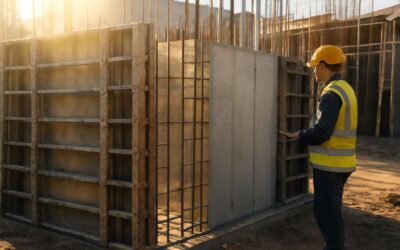
Meanwhile, formwork is the intricate mold shaping the very essence of concrete structures. It defines the architectural silhouette, ensuring precision in every curve and line. The key distinction lies in their purpose: formwork creates the visible form, while falsework provides the unseen scaffolding that keeps everything safe and stable during construction. Together, they form an unbreakable alliance, transforming blueprints into enduring edifices, each supporting the other in a silent, symphonic harmony.
- Falsework provides the temporary support, often constructed from timber, steel, or scaffolding materials, designed to adapt to various project demands.
- Formwork is the mold that shapes the concrete, crafted with materials like plywood, steel panels, or plastic, tailored to specific architectural requirements.
This symbiotic relationship ensures that the creative vision of architects becomes a tangible reality, especially when constructing in challenging terrains or ambitious skyline projects. When considering what is formwork falsework in construction, it’s essential to recognize how these components—each with its unique identity—intertwine to forge the backbone of every successful building endeavor.
Types of Formwork – Various forms including traditional, modern, and specialized formwork systems
Understanding the intricate dance of construction relies heavily on grasping the subtle yet vital roles played by formwork and falsework. These components, often invisible to the untrained eye, are the silent architects behind every enduring structure. When pondering what is formwork falsework in construction, one must appreciate how each element contributes to the grand symphony of building—one shaping the visible, the other supporting the unseen. Falsework acts as the steadfast guardian, an adaptable scaffold that bears the weight of emerging structures, especially across South Africa’s diverse terrain where stability is paramount.
Meanwhile, formwork is the master sculptor—crafting the mold that defines the very shape of concrete masterpieces. It comes in various guises, each suited to different architectural demands. Traditional formwork often employs timber and plywood, offering versatility for bespoke projects. Modern systems, such as steel panels and modular plastic molds, streamline the process, reducing time and increasing precision. Specialized formwork, tailored for complex geometries, pushes the boundaries of design, illuminating the creative potential of concrete.
- Traditional timber and plywood formwork
- Modern steel and plastic formwork systems
- Custom-fitted specialized formwork for intricate designs
In the grand narrative of construction, these diverse systems exemplify how formwork adapts to both the artistic aspirations and pragmatic demands of each project. When considering what is formwork falsework in construction, recognizing the harmony between these elements reveals the artistry behind every concrete skyline rising across South Africa’s vibrant urban landscapes.
Types of Falsework – Different types such as temporary scaffolding, shoring, and support systems
In the shadowy realm of construction, where concrete dreams are forged in silence, understanding what is formwork falsework in construction unlocks the secrets behind every soaring skyline. Falsework, often invisible yet vital, serves as the steadfast guardian of emerging structures, holding weight and stability in a delicate balance. It’s the unseen scaffolding that whispers promises of safety and precision, especially across South Africa’s rugged terrains, where every foundation demands unwavering support.
Within this intricate dance, falsework assumes various guises—temporary scaffolding, shoring, and support systems—each chosen with a purpose as deliberate as a gothic cathedral’s spire. These systems, whether steel, timber, or modular support, are the silent sentinels that sustain the weight of poured concrete until it stands firm on its own. Their role is both pragmatic and poetic, a testament to human ingenuity amid the chaos of creation.
As structures grow and evolve, the choice of falsework becomes a matter of art and science. What is formwork falsework in construction but a question that beckons us to peer beneath the surface—where support transforms into spectacle, and stability spirals into grandeur! It is the dark heartbeat of every building’s soul, supporting the visible beauty born from chaos.
Components and Materials Used in Formwork and Falsework
Common Materials for Formwork – Plywood, timber, steel, aluminum, plastic forms
Understanding what is formwork falsework in construction reveals a fascinating tapestry of engineering ingenuity and craftsmanship. Central to this intricate dance are the components and materials that bring these temporary yet vital structures to life. The choice of materials can profoundly influence the safety, efficiency, and precision of the entire project, especially in South African construction sites where durability and resilience are paramount.
Common materials used in formwork include plywood, timber, steel, aluminum, and plastic forms. Plywood is lauded for its versatility and smooth finish, making it ideal for creating mold surfaces that require a flawless appearance. Timber, often sourced locally, offers flexibility and ease of handling but requires treatment to withstand moisture. Steel and aluminum, on the other hand, provide robustness and reusability—perfect for large-scale projects demanding repeated use. Plastic forms are gaining popularity because of their lightweight nature and resistance to corrosion, making them suitable for complex shapes and fast-paced construction environments.
In South Africa, where construction standards often push the boundaries of resilience, selecting the right materials for formwork falsework becomes a strategic decision. The durability of steel and aluminum ensures the falsework can support heavy loads over extended periods, while timber and plywood offer cost-effective solutions for temporary scaffolding or lining. Ultimately, the components and materials used in formwork and falsework are the backbone of safe, efficient, and high-quality construction, transforming raw materials into the silent heroes of every building’s skeleton.
Materials for Falsework – Steel props, timber, scaffolding materials, adjustable supports
At the heart of every towering structure and intricate scaffold lies a symphony of components and materials—each chosen with precision to craft the backbone of safe, resilient construction. When asking what is formwork falsework in construction, one uncovers a universe where strength and adaptability dance in harmony. Falsework, often composed of robust elements like steel props and timber, acts as the silent guardian supporting the formwork, shaping the concrete until it gains its permanent form.
Steel props are the stalwart sentinels of falsework, renowned for their ability to bear heavy loads over prolonged periods. Meanwhile, timber, with its natural flexibility, lends itself to quick assembly and bespoke configurations, especially in South African sites where local materials are prized for their availability. Scaffolding materials such as adjustable supports and modular systems weave together a flexible network capable of adapting to complex architectural demands.
- Steel props
- Timber
- Scaffolding components
In dynamic construction environments, the choice of falsework materials can turn a fleeting project into a masterpiece of efficiency and safety. The interplay of these elements ensures that formwork remains steadfast, enabling architects and engineers to breathe life into their visions—one support at a time. Whether it’s the sturdy resilience of steel or the adaptable charm of timber, understanding these materials reveals the artistry behind what is formwork falsework in construction. It’s not merely about supporting concrete; it’s about forging the very foundation of possibility itself.
Innovative and Eco-friendly Materials – Use of advanced materials for durability and sustainability
In the quest to build towering skyscrapers or intricate bridges, the materials used for formwork and falsework are the unsung heroes of construction — often overlooked, yet absolutely essential. When considering what is formwork falsework in construction, one quickly realizes that innovation and sustainability are no longer optional; they’re prerequisites. Modern projects demand materials that do more than just support—they must endure, adapt, and tread lightly on our planet.
Traditional materials like plywood and timber still hold their charm, but the industry is rapidly embracing advanced, eco-friendly options. Reinforced plastics, recycled aluminum, and high-performance composites are transforming how we think about durability and environmental impact. These innovative materials not only extend the lifespan of falsework but also reduce waste and carbon footprints, aligning with global efforts for greener construction practices.
For example, some companies now employ modular, lightweight steel supports that can be reused countless times, turning falsework into a sustainable investment rather than a disposable expense.
- High-strength recycled plastics
- Durable aluminum alloys
- Composite materials with enhanced resilience
These cutting-edge solutions are redefining what is possible in the realm of formwork and falsework, ensuring safety, efficiency, and eco-consciousness go hand in hand.
Design and Engineering of Formwork and Falsework
Structural Design Principles – Ensuring safety, stability, and efficiency
When it comes to constructing those towering skyscrapers or intricate bridges, the backbone of safety and efficiency often hinges on a surprisingly unglamorous duo: formwork and falsework. But what is formwork falsework in construction? It’s the unsung hero—temporary yet vital—providing the scaffolding and support needed to shape concrete into the marvels we admire. Without these systems, the dream of a sturdy, stable structure would quickly turn into a chaotic pile of rubble.
Designing and engineering effective formwork and falsework require a meticulous understanding of structural principles. Ensuring safety, stability, and efficiency isn’t just about stacking materials; it’s about crafting a system that can withstand the weight of wet concrete and the forces of nature. Structural design principles for formwork falsework focus on load distribution, material strength, and ease of assembly, all while keeping safety at the forefront. The goal? To create a support system that’s not only reliable but also adaptable to complex architectural demands.
Innovative approaches often incorporate eco-friendly materials and modular systems to streamline construction timelines and reduce environmental impact. Whether it’s steel props or timber supports, each component must be selected and engineered precisely to align with the project’s unique requirements. After all, in the world of construction, a well-designed formwork falsework isn’t just a support system—it’s the silent architect of every successful build.
Load-Bearing Calculations – Understanding load distribution and capacity
Understanding the intricate dance of load-bearing calculations is essential when delving into what is formwork falsework in construction. These temporary support systems must be engineered with precision, ensuring they can withstand the immense weight of wet concrete along with environmental forces. The art lies in accurately distributing loads to prevent any structural failure during the curing process.
In designing formwork falsework, engineers often employ a combination of analytical methods and empirical data to determine capacity. This involves assessing the maximum loads that could be imposed at various points, considering factors such as material strength, span length, and construction sequence. An effective load distribution plan guarantees that each support—whether steel props or timber supports—shares the burden evenly, allowing builders to execute their vision without compromise.
To navigate these complexities, structural designers frequently utilize
- load charts
- safety margins
that serve as benchmarks for capacity. These tools facilitate the creation of a resilient framework capable of adapting to project-specific challenges. When executed with meticulous attention to detail, the result is a support system that is both robust and adaptable, standing as a silent guardian in every successful construction endeavor.
Compliance with Building Codes – Standards and regulations governing formwork and falsework
In the captivating world of construction, the design and engineering of formwork falsework stand as silent guardians of structural integrity. These temporary yet critical systems must adhere to stringent building codes and standards, ensuring safety and compliance throughout every phase of a project. In South Africa, adherence to local regulations—such as the SANS standards—ensures that every formwork falsework installation not only meets legal requirements but also embodies durable craftsmanship.
Engineers meticulously evaluate factors like load capacity, material resilience, and environmental conditions to craft a support framework that is both robust and adaptable. The safety margins embedded within these standards serve as a safeguard against unforeseen stresses, allowing for flexibility in design while maintaining unwavering stability. When these standards are followed diligently, the result is a support system that seamlessly integrates safety, functionality, and sustainability—truly the backbone of successful construction projects.
Installation and Erection Procedures
Preparation Steps – Site assessment, planning, and material sourcing
When it comes to the intricate dance of construction, the installation and erection of formwork falsework are vital steps that demand meticulous preparation. Understanding what is formwork falsework in construction goes beyond just the definitions; it’s about grasping how these temporary structures underpin the entire building process. Proper planning ensures that the formwork and falsework systems can withstand the loads they will support, maintaining safety and structural integrity throughout.
Before any physical setup begins, a comprehensive site assessment is essential. This involves evaluating ground conditions, existing infrastructure, and access points to determine the most effective placement of materials. Sourcing quality materials—such as steel props, timber, or modular formwork systems—is equally crucial for durability and ease of assembly. Often, construction teams coordinate sourcing with suppliers to ensure timely delivery of components, aligning with project schedules.
- Conduct detailed site inspections to identify potential hazards and logistical challenges.
- Develop detailed erection plans that specify the sequence and methods for installing formwork falsework.
- Source high-quality materials tailored to the specific needs of the project, considering load capacity and environmental conditions.
This preparation phase sets the foundation for a seamless installation process, reducing risks and ensuring that the temporary support structures are both safe and efficient. In the world of construction, thorough groundwork often makes the difference between a smooth build and costly setbacks—especially when working with complex formwork falsework systems.
Assembly Process – Step-by-step process for erecting formwork and falsework
When it comes to erecting the backbone of a structure, understanding the installation and erection procedures for formwork falsework is paramount. These temporary scaffolds and supports are the unsung heroes that hold up concrete until it gains enough strength to stand alone. The process demands precision—an orchestrated ballet of safety, stability, and efficiency.
Typically, the assembly process begins with assembling the formwork panels, which are then carefully positioned and secured onto the falsework supports. In South Africa’s diverse construction landscape, this step often involves meticulous adjustments to accommodate uneven terrain or existing infrastructure. The sequence of erection is vital; improper sequencing can lead to catastrophic failures or costly delays. To prevent such mishaps, many teams employ a step-by-step methodology, such as:
- Positioning the falsework supports—steel props or timber—on a stable foundation.
- Aligning the formwork panels with precision, ensuring they are level and securely fixed.
- Gradually installing additional support elements to distribute loads evenly.
- Conducting a thorough inspection before pouring concrete to confirm stability and safety.
By adhering to these steps, construction crews can guarantee that the formwork falsework system can withstand the substantial load of wet concrete, all while maintaining the structural integrity of the temporary supports. After all, knowing what is formwork falsework in construction isn’t just about definitions—it’s about mastering the choreography that turns raw materials into majestic structures with unwavering safety and finesse.
Safety Measures During Installation – Best practices to prevent accidents
Safety during the installation and erection of formwork falsework is non-negotiable. Construction sites can be hazardous, especially when supporting heavy wet concrete. Proper safety measures protect lives and prevent costly delays. Ensuring stability begins with thorough planning and rigorous adherence to best practices. Personal protective equipment (PPE) such as helmets, gloves, and harnesses should be standard. Moreover, securing all supports and formwork panels tightly minimizes the risk of collapse.
To further enhance safety, a systematic approach is essential. Many teams follow a step-by-step installation process, which includes:
- Positioning falsework supports on a solid, level foundation.
- Aligning formwork panels with precision, ensuring they are level and properly fixed.
- Gradually adding support elements to distribute loads evenly.
- Conducting comprehensive inspections before pouring concrete.
Regular safety audits and clear communication among workers are crucial. When everyone understands their role and the importance of safety measures, accidents decrease significantly. Remember, knowing what is formwork falsework in construction is not just about the components involved but also about maintaining safety at every step of the erection process. Safety measures during installation safeguard structural integrity and protect lives, making the entire project smoother and more successful.
Advantages and Challenges of Using Formwork and Falsework
Benefits – Cost-effective construction, quality surface finish, structural safety
In the intricate dance of construction, the use of formwork falsework emerges as a silent hero—balancing safety, efficiency, and aesthetic excellence. When considering what is formwork falsework in construction, it’s vital to recognize its profound advantages. These systems enable builders to craft smooth, flawless surfaces that elevate the visual appeal of any structure, all while maintaining structural safety. Moreover, the cost-effectiveness of formwork falsework cannot be overstated; reusable materials and streamlined assembly reduce waste and labor expenses, making it a smart choice for large-scale projects.
Yet, embracing this approach does come with challenges. The initial planning and precise load-bearing calculations demand expertise and meticulous attention to detail. Improper installation or oversight can compromise safety, leading to potential hazards during construction. Despite these hurdles, the benefits often outweigh the drawbacks, especially when innovative, eco-friendly materials are incorporated to enhance sustainability. In the realm of modern construction, understanding what is formwork falsework in construction opens the door to smarter, safer, and more sustainable building practices.
Common Challenges – Time management, material handling, safety concerns
In the complex choreography of modern construction, the use of formwork falsework stands out as a crucial yet often overlooked element. Its advantages extend beyond mere support, influencing safety, efficiency, and the overall quality of the finished structure. When asking what is formwork falsework in construction, it’s essential to appreciate how these systems enable builders to achieve perfectly smooth surfaces, elevating aesthetic standards while ensuring unwavering stability.
Nevertheless, integrating formwork falsework into a project is not without its challenges. Time management becomes a tightrope walk, as precise scheduling is vital to prevent delays. Material handling demands meticulous organization—missteps can lead to costly wastage or safety hazards. Common challenges include:
- Ensuring timely assembly and dismantling to keep the project on schedule.
- Managing heavy or cumbersome materials like steel props and timber supports efficiently.
- Maintaining rigorous safety protocols during installation to prevent accidents and injuries.
These hurdles require a keen eye for detail and expert coordination. Yet, when managed correctly, the benefits of formwork falsework—especially its contribution to durable, high-quality structures—far outweigh the potential setbacks. This delicate balance of safety and precision underscores why understanding what is formwork falsework in construction is vital for any ambitious project in South Africa’s evolving building landscape.
Maintenance and Removal of Formwork and Falsework
Maintenance Tips – Regular checks, cleaning, and repairs
In the world of construction, the importance of meticulous maintenance and timely removal of formwork falsework cannot be overstated. These elements serve as the backbone of any structure during its formative stages, and neglecting their upkeep can lead to costly setbacks. Regular checks ensure that formwork remains stable, preventing unwanted deformations that might compromise the entire build. Falsework, often made from steel props or timber, demands consistent inspection for signs of wear, corrosion, or damage that could weaken its load-bearing capacity.
Cleaning surfaces after each use is equally vital, particularly when working with materials like steel or aluminum that are prone to rust or corrosion. Repairing minor damages promptly prevents small issues from escalating into structural failures. A comprehensive maintenance routine, including:
- Visual inspections for cracks or deformation
- Lubrication of moving parts on adjustable supports
- Replacement of worn-out components
ensures the safety and longevity of the formwork falsework system. When it’s time to remove the formwork, a cautious approach is necessary. Carefully detaching the elements prevents damage to freshly poured concrete and maintains the surface finish quality. Mastery over the maintenance and removal process guarantees both the structural integrity of the project and the safety of all personnel involved in what is formwork falsework in construction.
Safe Removal Procedures – When and how to dismantle without damaging the structure
When it comes to the delicate dance of construction, the process of dismantling formwork falsework is often overlooked—until it’s too late! Knowing when and how to safely remove these temporary supports can make the difference between a flawless finish and a costly disaster. The secret? Patience, precision, and a keen eye for structural cues. Rushing the removal process risks damaging the freshly poured concrete or compromising the integrity of the entire build—a mistake no one wants to make.
In practice, the removal of formwork falsework should follow a carefully phased approach. It’s advisable to begin with a thorough visual inspection, checking for signs of stress, cracks, or deformation. Once confirmed safe, dismantling should proceed gradually, often in reverse order of assembly, to avoid sudden shifts in load distribution. Remember, a well-planned removal procedure not only preserves the surface finish but also ensures safety for everyone on site.
- Assess the concrete’s curing stage to confirm it has attained adequate strength.
- Loosen supports incrementally, starting with the highest or most unstable elements.
- Use proper tools and techniques—no hacking away like a lumberjack on a caffeine rush!
- Ensure all personnel are clear of the dismantling zone before progressing.
Ultimately, understanding what is formwork falsework in construction is key to executing a safe, efficient removal process. This knowledge helps avoid structural setbacks and keeps the project on track, proving once again that good planning is the backbone of every successful build.
Applications of Formwork and Falsework in Construction Projects
Residential Buildings – Use in houses, apartments, and high-rise complexes
Formwork and falsework are the backbone of modern construction, especially in residential projects. They enable builders to shape concrete structures like walls, slabs, and columns with precision. In high-rise complexes and apartment blocks, these systems ensure safety and efficiency during the building process. Understanding what is formwork falsework in construction is essential, as both elements work in tandem to support fresh concrete until it gains enough strength to stand alone.
In residential buildings, formwork is often customized to fit architectural designs, while falsework provides the temporary support needed for vertical and horizontal elements. For smaller houses, lightweight formwork materials like plastic or timber are popular, making installation swift and cost-effective. Conversely, high-rise complexes demand robust steel or aluminum systems that can withstand greater loads and repeated use.
Some common applications include:
- Creating load-bearing walls
- Constructing suspended slabs
- Forming staircases and balconies
By leveraging advanced materials and innovative design, construction professionals can optimize the use of formwork falsework, reducing costs and accelerating project timelines without compromising safety or quality. This synergy plays a crucial role in the successful completion of residential projects across South Africa, where durability and efficiency are paramount.
Commercial Structures – Skyscrapers, bridges, tunnels, and industrial facilities
When it comes to towering skyscrapers, sprawling bridges, and intricate tunnels across South Africa, the true heroes are often unseen—these are the formwork and falsework systems that hold the future in place. Understanding what is formwork falsework in construction is fundamental for grasping how these monumental structures come to life safely and efficiently. These temporary yet vital supports shape the concrete’s destiny, ensuring precision and stability at every phase.
In commercial projects such as industrial facilities and large-scale infrastructure, the application of formwork falsework is nothing short of remarkable. For example, constructing a suspension bridge involves complex load distribution calculations, where falsework provides the critical support needed during the pouring and setting of concrete. These systems are often designed with robust materials like steel props, scaffolding, and adjustable supports, tailored to withstand immense loads and repeated use. It’s a delicate dance—balancing safety, durability, and speed—where the choice of materials and design principles can make or break a project’s success.
Particularly in the South African construction landscape, innovative and eco-friendly materials are gaining prominence. From lightweight aluminum formwork to recycled steel supports, these advancements not only enhance structural safety but also reduce environmental impact. As projects grow taller and more complex, the role of formwork falsework becomes even more critical, seamlessly supporting the vision of architects and engineers alike.
Specialized Projects – Unique applications such as curved surfaces and complex geometries
Specialized construction projects often push the boundaries of architectural innovation, demanding bespoke solutions for complex geometries and curved surfaces. When creating a stunning façade or intricate interior structures, the application of formwork falsework becomes an art form in itself. These systems are meticulously crafted to conform to unique contours, ensuring the concrete pours seamlessly into the desired shape without compromising safety or precision.
For instance, when constructing arches, domes, or spiraling staircases, formwork falsework must be adaptable and resilient. Custom-designed formwork panels or reusable modular systems are often employed to achieve the exact curvature or complex profile envisioned by architects. This level of precision not only elevates aesthetic appeal but also reinforces structural integrity, especially in projects where visual harmony and stability are paramount.
In these scenarios, the choice of materials and innovative approaches—such as lightweight aluminum for ease of assembly or eco-friendly composites—becomes crucial. The process involves careful load calculations and structural analysis to ensure that the falsework can support the weight of wet concrete while maintaining exact geometrical fidelity. The result? A masterpiece that marries engineering prowess with artistic vision, all rooted in the fundamental understanding of what is formwork falsework in construction.
Emerging Trends and Innovations in Formwork and Falsework
Automation and Modular Systems – Advancements in quick assembly and reusability
As construction technology advances at a rapid pace, one of the most exciting developments is the emergence of automation and modular systems in formwork falsework. These innovations are transforming how structures are erected, allowing for quicker assembly and increased reusability. In particular, modular formwork systems, with their standardized components, enable builders to reduce setup time significantly—sometimes by as much as 50%. This not only accelerates project timelines but also minimizes waste and environmental impact.
Furthermore, automation in formwork falsework introduces smarter, safer construction sites. Robotic and semi-automated systems can handle repetitive tasks, ensuring precision and reducing human error. The integration of digital planning tools with modular systems allows for seamless customization, especially in complex geometries and high-rise projects. For those who ask, “what is formwork falsework in construction?”, these cutting-edge innovations are proof that the industry is moving towards more sustainable, efficient, and safer building practices.
- Quick assembly
- Enhanced reusability
- Reduction in labor costs
Sustainable Materials – Eco-friendly and recyclable options
Emerging trends in formwork and falsework are revolutionizing the construction landscape in South Africa, driven by an urgent need for sustainability and efficiency. One of the most compelling innovations is the development of sustainable materials—eco-friendly, recyclable options that address the industry’s environmental footprint. These advanced materials, such as high-strength recycled plastics and engineered timber, not only enhance durability but also reduce reliance on traditional resources. This shift towards eco-conscious choices aligns with global efforts to create greener construction practices, making the question “what is formwork falsework in construction?” more relevant than ever.
Furthermore, the industry is witnessing a surge in the adoption of modular and automated systems that prioritize reusability and quick assembly. These innovations minimize waste and accelerate project timelines, contributing to a more sustainable future. For example, modular formwork systems—featuring standardized components—allow builders to reuse formwork multiple times, significantly lowering material costs and environmental impact. Similarly, automation introduces smarter, safer construction sites where robotic systems can handle repetitive tasks with remarkable precision. This evolution signifies a profound shift in how formwork and falsework are conceptualized and implemented in modern South African construction projects.
Digital Technologies – BIM and other software for design and planning
Emerging digital technologies are revolutionizing the way we approach construction, especially when it comes to formwork falsework. Building information modeling (BIM) and other advanced software tools are enabling architects and engineers in South Africa to plan with unprecedented precision. These innovations allow for detailed visualization and virtual simulation of formwork falsework, reducing errors and optimizing resource allocation before a single piece of material is assembled on-site.
By integrating BIM into the design process, construction teams can accurately predict load-bearing capacities and streamline the assembly process. This digital foresight enhances safety and efficiency, ensuring that formwork falsework systems are not only effective but also compliant with local standards. The seamless coordination facilitated by these platforms minimizes waste and accelerates project timelines, making modern construction smarter and more sustainable.
Furthermore, software solutions now offer real-time tracking of material usage and structural stability, fostering a proactive approach to maintenance and safety. In South Africa’s dynamic construction environment, these technological advancements are helping professionals to push boundaries and rethink traditional methods of formwork falsework, making the entire process more resilient, adaptable, and environmentally conscious.

0 Comments