
Overview of Logik 60 Formwork
What is Logik 60 Formwork?
In the realm of modern construction, efficiency and precision are no longer mere aspirations—they are imperatives. The Logik 60 formwork system exemplifies this shift, embodying a sophisticated approach to concrete formwork that marries durability with adaptability. Its innovative design allows builders to push the boundaries of what’s possible, ensuring structures stand the test of time while optimizing resource use.
What is Logik 60 formwork? It is a versatile and robust system engineered to streamline the casting of concrete walls and slabs. Crafted with precision, this formwork offers a seamless integration of panels, making setup and dismantling faster and less labor-intensive. The system’s modular nature means it can be customized to fit various project sizes, from residential developments to complex commercial structures.
- High-strength materials ensure longevity and repeated use
- Ease of assembly reduces construction time significantly
- Designed for safety and stability during the pouring process
Understanding the core features of Logik 60 formwork reveals more than just its structural capabilities; it uncovers a philosophy that prioritizes efficiency, safety, and sustainability in construction practices. It’s not merely a tool but a testament to how innovation can elevate the human endeavor of building—one formwork panel at a time.
Key Features and Benefits
Within the intricate dance of modern construction, the Logik 60 formwork emerges as a symphony of ingenuity and resilience. Its core features are designed not just to meet the demands of today’s building projects but to elevate them into realms of extraordinary efficiency and safety. This formwork system’s high-strength materials guarantee a long life, allowing multiple reuses without compromising its integrity—a true marvel for sustainable construction practices.
The ease of assembly is where the magic truly unfolds. Builders find themselves enchanted by how swiftly the panels lock into place, reducing labor time and enabling project timelines to shrink dramatically. The modular nature of logik 60 formwork also allows it to adapt seamlessly to diverse project scales, from modest residential walls to towering commercial structures. Here’s a quick glance at its key benefits:
- Durability through high-quality, high-strength materials
- Rapid setup and dismantling save valuable time
- Enhanced safety features ensure stability during concrete pouring
Every element of logik 60 formwork whispers a promise—of unwavering reliability, precision, and an unwavering commitment to sustainable construction. It’s more than just a formwork system; it’s an architect’s silent partner in transforming visions into enduring reality in the heart of South Africa’s evolving skyline.
Applications and Use Cases
In the dynamic landscape of South African construction, versatility is king, and the Logik 60 formwork stands as a testament to adaptive engineering. Its application stretches beyond mere concrete shaping; it becomes a conduit for innovation across a spectrum of projects. From the sturdy foundations of residential buildings to the soaring heights of commercial towers, this formwork system’s adaptability is unmatched.
One of the most compelling use cases for logik 60 formwork is in the creation of complex architectural features, where precision and durability are paramount. Its modular design allows for seamless adjustments, making even the most intricate designs achievable with less fuss. Builders also rely on logik 60 formwork for constructing retaining walls, bridges, and even bespoke structural elements that demand both resilience and finesse.
- Residential and commercial wall construction
- Foundations for high-rise developments
- Specialized architectural features requiring intricate detailing
In every application, logik 60 formwork transforms the mundane task of concrete moulding into an art form—blending strength with elegance, efficiency with precision. It’s a trusted partner in turning ambitious visions into tangible realities, nestled in the heart of South Africa’s ever-evolving skyline.
Design and Construction of Logik 60 Formwork
Materials Used in Logik 60
In the intricate dance of construction, the design and construction of Logik 60 formwork exemplify a meticulous balance between engineering precision and adaptability. This formwork system is crafted with a keen eye for modularity, allowing builders to tailor structures with unparalleled efficiency. The materials used in Logik 60 formlock into a symphony of strength and flexibility, ensuring durability even under the most demanding conditions. Its robust framework is often composed of high-grade steel and reinforced panels, selected specifically for their resilience and lightweight properties, which facilitate swift assembly and disassembly.
Exploring the materials used in Logik 60 formlock reveals a deliberate emphasis on sustainability and longevity. The core components—such as welded steel frames and form panels—are designed to withstand repeated use, reducing overall project costs and environmental impact. The intelligent integration of these materials underscores a sophisticated understanding of load-bearing requirements and the necessity for precision. This ensures that every element of Logik 60 formwork is engineered to uphold structural integrity, no matter the complexity of the construction task at hand.
Structural Design and Engineering
The design and construction of Logik 60 formwork is a marvel of engineering ingenuity, where precision meets adaptability in a dance that defines modern construction. Every component is meticulously crafted to ensure seamless integration, allowing builders to achieve complex shapes with relative ease. The structural design emphasizes a balanced combination of strength and flexibility, vital for supporting heavy loads while accommodating intricate architectural details.
At the heart of Logik 60 formwork’s structural engineering is a sophisticated framework that leverages high-grade steel and reinforced panels. These materials are chosen not only for their resilience but also for their lightweight properties, which significantly reduce the labor and time required for assembly. The formwork’s modular design facilitates swift disassembly and reconfiguration, making it an invaluable asset in projects demanding rapid turnaround times.
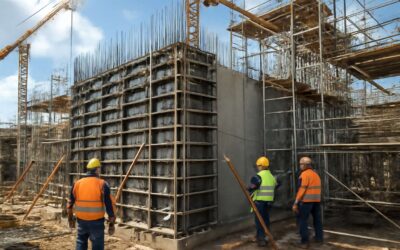
Key to its effectiveness is the intelligent arrangement of load-bearing elements, ensuring stability during the pouring process and beyond. For example, the formwork’s systematic placement of support beams and panels distributes weight evenly, minimizing potential deformations. This thoughtful approach to structural design assures that Logik 60 formwork remains reliable, even under the most demanding construction environments.
Modularity and Flexibility
In the heart of modern construction, the design and construction of logik 60 formwork stand out as a testament to versatility and ingenuity. Its modular architecture allows builders to adapt quickly to varying project demands, making it an indispensable tool on busy South African sites. The beauty of logik 60 formwork lies in its ability to transform complex architectural visions into reality with remarkable ease.
One of the defining features of logik 60 formwork is its exceptional flexibility. Components can be easily reconfigured, enabling seamless adjustments during ongoing projects. This adaptability not only saves time but also reduces costs, ensuring that construction remains on schedule. The formwork’s modular system includes support beams, panels, and connectors that work together harmoniously, facilitating smooth transitions from one structural element to another.
- Quick assembly and disassembly
- Reconfigurability for different shapes and sizes
- Lightweight yet durable materials for ease of handling
Such features make logik 60 formwork a preferred choice for projects across South Africa, where construction timelines are often tight and architectural creativity is highly valued. Its design promotes not only efficiency but also the craftsmanship needed to bring diverse structures to life, reflecting the resilience and resourcefulness of local builders and engineers alike.
Advantages of Using Logik 60 Formwork
Efficiency and Speed of Construction
In the world of construction, efficiency often determines the pace at which dreams turn into reality. The logik 60 formwork stands out as a beacon of innovation, helping builders accelerate their projects without compromising quality. Its design allows for quicker assembly and disassembly, meaning less downtime and more progress. When time is of the essence, this formwork system truly shines—turning what used to take days into hours.
Moreover, the speed of construction with logik 60 formwork is complemented by its remarkable versatility. This system adapts seamlessly to various project sizes and complexities, making it a favorite among South African contractors aiming for precision and swift turnarounds. The benefits extend beyond mere speed; the streamlined workflow reduces labor costs and minimizes waste, creating a more sustainable and cost-effective construction process.
Cost-Effectiveness
In a landscape where every minute counts, the true allure of the logik 60 formwork lies in its remarkable cost-effectiveness. This innovative system transforms the way construction projects are budgeted, offering a harmonious balance between affordability and durability. Its modular design reduces material wastage, ensuring that every piece is utilized to its fullest potential—an essential trait in South Africa’s resource-conscious construction industry.
Moreover, the longevity and reusability of the logik 60 formwork translate into significant savings over multiple projects. By investing in this system, contractors not only cut down on labor costs but also enjoy a quicker turnaround, turning complex visions into tangible realities without draining resources. Its inherent versatility means it adapts seamlessly to various project sizes, fostering a cycle of sustainable growth and economic efficiency.
- Reduced labour costs due to faster assembly and disassembly
- Minimized waste with precision-matched components
- Reusable components that withstand multiple uses
Ultimately, the logik 60 formwork is more than just a tool—it’s a catalyst for smarter, more sustainable construction, making it an invaluable asset for South African builders seeking cost-effective solutions without sacrificing quality.
Quality and Finish
When beauty and precision converge in construction, the advantages of using logik 60 formwork become unmistakably clear. Its exceptional quality ensures that each pour of concrete is met with a surface that boasts smoothness and impeccable finish, elevating structural aesthetics to new heights. The robust yet lightweight materials used in logik 60 formwork allow for seamless handling, minimizing blemishes and imperfections that can mar the final product.
The mastery of this formwork system lies in its ability to deliver a flawless surface—an essential trait in projects where visual appeal is paramount. Thanks to its engineered design, the logik 60 formwork guarantees a consistent and high-quality finish, reducing the need for costly rework or additional surface treatment. This harmony of durability and finesse makes it an invaluable asset for South African construction projects aiming for excellence.
With its inherent versatility, the logik 60 formwork adapts gracefully to diverse architectural demands. Whether creating intricate curves or straightforward walls, this system offers a precision that transforms visions into tangible realities. Its capacity to produce superior quality surfaces ensures that every project stands out—resilient, refined, and ready to endure the test of time.
Safety and Handling
Safety and ease of handling are paramount when working with logik 60 formwork, especially in the dynamic landscape of South African construction sites. Its lightweight yet durable materials significantly reduce physical strain on workers, fostering a safer environment. This thoughtful design minimizes the risks associated with heavy lifting and cumbersome equipment, translating into fewer accidents and smoother workflow.
Moreover, the modular nature of logik 60 formwork simplifies assembly and disassembly processes, allowing for quick adjustments on-site. This flexibility not only accelerates project timelines but also enhances overall safety, as workers can more confidently maneuver the system without compromising stability or precision.
- Reduced manual handling
- Enhanced stability during setup
- Ease of transportation and storage
In essence, investing in logik 60 formwork elevates safety standards while streamlining handling procedures. Its design philosophy aligns with the rigorous demands of South African construction, ensuring projects are executed efficiently and safely—without sacrificing quality or craftsmanship. The result is a resilient, high-performance system that stands the test of time, delivering impeccable surfaces with peace of mind for everyone involved.
Installation and Erection of Logik 60 Formwork
Step-by-Step Installation Process
Installing logik 60 formwork is a meticulous dance of precision and anticipation, where each step echoes the foundational principles of structural integrity. The process begins with careful site assessment—an essential phase that ensures the formwork aligns perfectly with the architectural blueprint. Once the groundwork is prepared, the modular units of logik 60 formwork are assembled and positioned with methodical care, transforming raw materials into a cohesive, robust shell.
For optimal efficiency, the erection process often follows a structured sequence, such as:
- Positioning the base supports securely on the prepared surface.
- Connecting the panels with locking mechanisms designed for swift assembly.
- Ensuring alignment and plumbness through precise measurements and adjustments.
- Bringing in hydraulic jacks or other lifting equipment to elevate the formwork to the desired height.
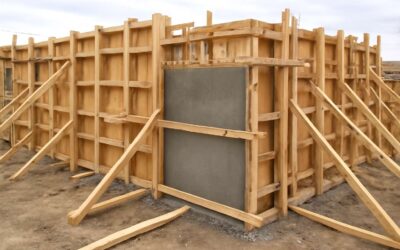
- Securing the structure with temporary bracing to withstand concrete pressure during pouring.
This step-by-step approach underscores the importance of meticulous handling, especially when working with logik 60 formwork’s modular components. Every connection must be tight, every support stable, fostering a seamless transition from assembly to the pouring phase. Erection is not merely about construction but about forging a reliable framework that guarantees safety, quality, and efficiency throughout the entire project lifecycle.
Tools and Equipment Needed
The installation and erection of logik 60 formwork demand a blend of precision, strength, and strategic planning—elements that transform raw materials into a seamless structural masterpiece. As with any complex construction endeavor, the right tools and equipment are crucial to ensure safety, efficiency, and quality. The process begins with meticulous site assessment, followed by the careful handling of modular components. Proper handling not only minimizes waste but also accelerates the overall construction timeline, a vital consideration in South Africa’s competitive building landscape.
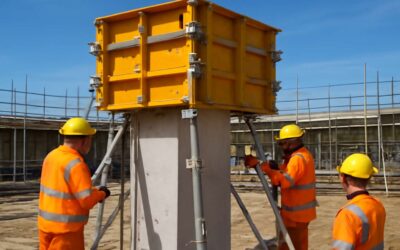
Essential equipment for erecting logik 60 formwork includes hydraulic jacks, cranes, and alignment tools. These facilitate lifting and positioning of the modular units with accuracy and ease. For example, hydraulic jacks are indispensable for elevating the formwork to the desired height without compromising stability. To streamline the assembly, workers often rely on locking mechanisms designed specifically for logik 60, enabling rapid connection of panels and supports. This modularity not only expedites the process but also ensures a high degree of precision in alignment and plumbness.
- Secure base supports on a prepared, stable surface.
- Connect the modular panels using quick-lock mechanisms—an innovative feature of logik 60 formwork that reduces assembly time and enhances safety.
- Use laser levels and measuring tapes for exact alignment, ensuring the formwork is perfectly plumb and level.
- Employ hydraulic jacks to carefully lift and position the structure to the required height, maintaining stability throughout.
- Apply temporary bracing systems to withstand concrete pressure, preventing deformation or shifting during pouring.
Every tool and piece of equipment plays a role in ensuring the integrity of the formwork, which ultimately impacts the entire construction quality. Handling logik 60 formwork with care and precision transforms a technical process into an art of engineering—one that promises durability and safety for years to come. With the right approach, the erection phase becomes a symphony of coordination, where every element aligns to support South Africa’s ambitious infrastructure goals.
Best Practices and Tips
In the intricate dance of construction, the installation and erection of logik 60 formwork demand a meticulous choreography rooted in precision and foresight. South Africa’s evolving infrastructure necessitates not just robust materials but also a mastery of assembly that optimizes both safety and efficiency. The process is akin to a carefully composed symphony—every movement, every connection, and every measurement must harmonize flawlessly to achieve structural integrity and durability.
Best practices for installing logik 60 formwork hinge on thorough site preparation and strategic handling of modular components. Ensuring a secure, level base is paramount, as it sets the foundation for subsequent stages. Precision tools such as laser levels and measuring tapes are essential, enabling workers to align panels with exactness that minimizes waste and rework. Locking mechanisms designed specifically for logik 60 streamline the process, allowing rapid yet secure connections that uphold the formwork’s integrity during concrete pouring.
To enhance safety and expedite assembly, consider the following steps:
- Secure the base supports on a stable, prepared surface.
- Utilize hydraulic jacks to lift and position panels delicately, maintaining stability throughout.
- Apply temporary bracing systems to counteract concrete pressure, preventing deformation.
In the realm of logik 60 formwork, each element—tools, techniques, and timing—intertwines to forge a resilient framework. The art lies in balancing technical proficiency with strategic foresight, transforming a complex task into an orchestration of engineering mastery. When executed with discipline and care, the erection process elevates from mere assembly into a testament of structural excellence, ready to stand the test of time in South Africa’s dynamic construction landscape.
Maintenance and Durability of Logik 60
Cleaning and Inspection Routines
Durability and maintenance are the silent guardians of any successful construction project, especially when it comes to logik 60 formwork. This advanced formwork system is engineered for longevity, but even the most robust materials require regular care to maintain their structural integrity over time. Routine cleaning and inspection routines are crucial in preventing the buildup of debris, concrete residues, and corrosion, which can compromise the safety and precision of the formwork. Proper upkeep not only extends the lifespan of logik 60 formwork but also ensures consistent quality and finish on every project.
Implementing a structured maintenance schedule can significantly reduce unforeseen costs and downtime. For example, visually inspecting the formwork for signs of wear or damage—such as cracks or deformations—can be done every few uses. Additionally, cleaning with appropriate agents removes dirt and concrete residues, preserving the surface quality. For added durability, applying protective coatings periodically can shield the formwork from harsh environmental elements. By adhering to these best practices, construction teams in South Africa can maximize the return on their investment in logik 60 formwork, ensuring it remains a reliable component in their construction arsenal.
In a landscape where efficiency meets durability, routine care becomes more than just maintenance—it becomes an investment in the long-term success of your projects. Regular inspection checklists and cleaning routines, tailored specifically for logik 60 formwork, are essential tools in this ongoing process. Remember, the true strength of logik 60 formwork lies not only in its innovative design but also in how well it is maintained over its lifecycle, reinforcing its reputation as a dependable solution in the construction industry.
Repair and Troubleshooting
Within the realm of construction, longevity speaks volumes about quality. Logik 60 formwork isn’t just an investment in materials—it’s a commitment to enduring strength. Yet, even the most resilient systems require vigilant maintenance to sustain their durability and performance over time. Proper repair and troubleshooting are essential components of this stewardship, ensuring that minor issues don’t evolve into costly setbacks.
When problems arise, swift diagnosis becomes your greatest ally. Cracks, deformation, or surface wear should be addressed promptly to prevent structural compromise. Regular inspections—focusing on joints, connectors, and surface integrity—help identify potential trouble spots before they escalate. For instance, loose fittings or minor surface abrasions can be remedied with targeted repairs, preserving the formwork’s precision and safety.
In the world of logik 60 formwork, troubleshooting often involves understanding common wear patterns and implementing strategic repairs. An ordered approach—such as:
- Assessing the extent of damage,
- Cleaning affected areas meticulously,
- Applying suitable protective coatings or patches,
- Testing the repaired section before reuse—
- Protect the formwork from exposure to extreme weather conditions.
- Store in a dry, sheltered environment to prevent moisture damage.
- Keep components organized to facilitate quick assembly and repair.
- Enhanced speed of installation
- Superior versatility for diverse structural designs
- Reduced labor costs and project timelines
- Lower labor costs due to ease of handling and quick setup
- Enhanced durability that extends system lifespan and reduces replacement expenses
- Optimized project timelines, accelerating delivery and increasing profitability
- Official manufacturer’s website, offering a directory of certified distributors across South Africa.
- Leading construction equipment wholesalers with specialized divisions for formwork systems.
- Regional building material outlets that stock logik 60 formwork for immediate project needs.
- The authenticity of the supplier
- The breadth of their inventory of logik 60 formwork
- The level of technical support and after-sales service offered
- Comprehensive warranty coverage for logik 60 formwork
- On-site technical assistance and training
- Accessible after-sales service for repairs and replacements
- Speed of installation
- Precision in complex designs
- Durability under demanding conditions
ensures reliability and prolongs the lifespan of your formwork system. When repairs are executed with care, the integrity of logik 60 formwork remains uncompromised, reinforcing its reputation as a cornerstone of efficient and durable construction projects across South Africa.
Ultimately, maintenance isn’t merely about fixing what’s broken; it’s about nurturing resilience. In the dance between human ingenuity and material endurance, the art of troubleshooting transforms routine repairs into a testament of craftsmanship—safeguarding the future of every structure built with logik 60 formwork.
Longevity and Storage
Durability is the backbone of any successful construction project, especially when using logik 60 formwork. These systems are engineered for longevity, but proper maintenance is crucial to unlock their full potential. Regular inspection routines help identify early signs of wear, ensuring that surface abrasions or joint issues are addressed before they compromise structural integrity. When stored correctly, logik 60 formwork can serve multiple projects over years, making it a cost-effective investment.
In South Africa’s demanding construction landscape, maintaining the integrity of logik 60 formwork is more than routine—it’s a strategic move that sustains performance and safety. Proper storage and consistent upkeep turn routine maintenance into a safeguard for durability, ensuring that each structure built stands the test of time and elements alike. When cared for diligently, logik 60 formwork continues to be a reliable cornerstone of efficient, resilient construction projects—ready for whatever challenge lies ahead.
Comparing Logik 60 with Other Formwork Systems
Logik 60 vs Traditional Formwork
In the realm of construction innovation, the debate between Logik 60 formwork and traditional systems often hinges on efficiency and precision. Studies reveal that utilizing logik 60 formwork can reduce construction time by up to 30%, a staggering advantage in a competitive landscape. Unlike conventional formwork, which relies heavily on manual labor and repetitive processes, logik 60 formwork epitomizes modern engineering—streamlined, adaptable, and resilient.
While traditional formwork systems are often cumbersome, requiring extensive setup and teardown, logik 60 formwork offers a level of modularity that transforms the construction timeline. Its design allows for quick adjustments, making it ideal for complex or repetitive structures. For projects in South Africa, where resources can be variable, the choice of logik 60 formwork aligns with a commitment to quality and efficiency, challenging the status quo of construction practices.
Logik 60 vs Other Modular Systems
When comparing logik 60 formwork with other modular systems, the differences are stark—yet subtle enough to influence decision-making in South Africa’s dynamic construction landscape. Unlike traditional formwork, which often demands extensive labor and time, logik 60 formwork stands out with its rapid assembly and unparalleled adaptability. Its innovative design allows for swift modifications, making it a favorite for complex projects that require precision and speed.
Among other modular systems, logik 60 formwork offers a significant edge. It combines durability with ease of handling, reducing downtime and boosting productivity. For projects requiring repetitive structures, this system’s modularity ensures seamless replication without sacrificing quality. Here’s what makes logik 60 formwork a game-changer:
In the competitive South African construction industry, choosing logik 60 formwork over other modular systems isn’t just a smart move—it’s a strategic advantage that elevates efficiency and craftsmanship to new heights. Its resilience and adaptability make it the system of choice for ambitious builders eager to push the boundaries of what’s possible in concrete formwork.
Cost and Performance Analysis
In the fiercely competitive landscape of South African construction, cost and performance are more than mere metrics—they are the heartbeat of project success. When comparing logik 60 formwork with other systems, it becomes evident that initial investment must be weighed against long-term gains. The durability and modularity of logik 60 formwork translate into fewer replacements and repairs, ultimately lowering total project costs. Its rapid assembly and disassembly reduce labor hours, making it not just an economical choice, but a strategic one.
Performance-wise, logik 60 formwork consistently outshines traditional and other modular systems. Its design allows for precision, ensuring a high-quality finish that minimizes rework—saving both time and money. For projects with repetitive structures, the system’s modular nature fosters seamless replication, which is crucial for large-scale developments. Here is a quick breakdown:
Ultimately, investing in logik 60 formwork offers a compelling balance between cost-efficiency and superior performance, making it an indispensable asset in South Africa’s demanding construction environment. Its resilience and adaptability ensure that every rand spent contributes to structural excellence and operational efficiency.
Where to Purchase Logik 60 Formwork
Authorized Suppliers and Distributors
When the quest for superior construction materials beckons in South Africa, locating reputable sources for logik 60 formwork becomes paramount. The journey toward efficiency and durability starts with trusted suppliers who understand the intricate nuances of this innovative formwork system. By working with authorized distributors, construction professionals gain access to genuine logik 60 formwork, ensuring quality and safety remain uncompromised. These suppliers often provide comprehensive support, from technical guidance to after-sales service, which is crucial in maintaining the integrity of your project.
To simplify your search, consider engaging with a curated list of authorized suppliers known for their reliability and extensive inventory of logik 60 formwork. Here’s a quick overview of where to find these trusted sources:
By choosing authorized suppliers, you ensure that your investments in logik 60 formwork are protected, and your construction projects benefit from the system’s exceptional modularity and speed. In South Africa’s dynamic construction landscape, sourcing from reputable distributors isn’t just a choice; it’s an investment in excellence and peace of mind.
Buying Tips and Considerations
In the quest to harness the full potential of logik 60 formwork, where you purchase can make all the difference. The right source not only guarantees authenticity, but also provides the technical support essential for seamless construction. When seeking logik 60 formwork in South Africa, it’s vital to prioritize reputable suppliers whose reputation is built on quality and reliability.
Start your journey by exploring official manufacturer’s websites, which often feature directories of certified distributors across South Africa. These platforms serve as gateways to genuine logik 60 formwork, ensuring your project benefits from authentic systems that uphold safety standards. Additionally, leading construction equipment wholesalers with specialized divisions for formwork systems can be invaluable allies in your procurement process.
For quick access, regional building material outlets are often well-stocked with logik 60 formwork, ready for immediate deployment on-site. When choosing where to purchase, consider these key factors:
By carefully selecting your source, you unlock the full modularity and speed benefits that logik 60 formwork promises. Whether you’re constructing a towering skyscraper or a modest residential project, sourcing from trusted suppliers ensures your investment is protected and your project’s integrity remains uncompromised.
Warranty and Support Services
When investing in logik 60 formwork, securing comprehensive warranty and support services is crucial to safeguard your project. Reputable suppliers in South Africa understand this need and often bundle their offerings with reliable after-sales support. These services not only ensure the longevity of your formwork but also provide peace of mind, knowing expert assistance is just a call away.
Trusted distributors typically offer extensive warranties that cover manufacturing defects and potential damages. It’s essential to verify the terms of these warranties and confirm they align with your project’s scope. Moreover, many suppliers provide dedicated technical support teams, ready to assist with installation, troubleshooting, and maintenance advice. This support can be a game-changer, especially during tight schedules or complex builds.
To streamline your procurement, consider suppliers that include the following in their service package:
Choosing a supplier with a proven track record for support ensures your investment remains protected. When sourcing logik 60 formwork, prioritize those offering robust warranty and support services to keep your project on track and free from unforeseen setbacks.
Case Studies and Real-World Projects Using Logik 60
Residential Construction
Across South Africa’s rapidly evolving construction landscape, numerous projects have showcased the remarkable potential of Logik 60 formwork. From high-rise residential towers in Johannesburg to community housing developments in Cape Town, real-world applications underline its versatility and efficiency. These projects often encounter tight timelines and demanding structural specifications, making the adaptability of Logik 60 formwork a game changer.
For example, a recent residential complex in Durban utilized Logik 60 formwork to accelerate the construction schedule without compromising on quality. The ease of modular assembly allowed workers to focus on precision, resulting in sleek, durable finishes that enhanced the overall project aesthetic. Such case studies highlight how Logik 60 formwork not only shortens project timelines but also reduces labor costs, making it an invaluable asset for developers seeking cost-effective solutions.
Commercial Buildings
Across South Africa, commercial projects are embracing the power of Logik 60 formwork, proving that innovation isn’t just for the tech world. In Johannesburg’s bustling business district, a new office tower rose with astonishing speed, thanks to the modular genius of Logik 60 formwork. This project showcased how its adaptability can handle complex structural designs while maintaining rapid construction timelines.
In Cape Town, a retail complex relied heavily on Logik 60 formwork during its development. The system’s ease of assembly and robust durability allowed teams to work tirelessly without the usual delays associated with traditional formwork methods. This real-world application highlights how Logik 60 formwork isn’t just efficient—it’s transformative for commercial building projects that demand both speed and precision.
Furthermore, a logistics hub in Durban utilized Logik 60 formwork to streamline the pouring process of multiple concrete slabs. The result? An impressive reduction in labor costs and a flawless finish that impressed even the most skeptical engineers. Clearly, Logik 60 formwork isn’t just a tool; it’s a game-changer in the landscape of South African commercial construction.
Infrastructure Projects
Across South Africa’s urban tapestry, the footprints of innovation echo loudly through the corridors of progress. Logik 60 formwork has carved its name deep into the foundation of transformative infrastructure projects, transforming visions into tangible reality with an almost poetic finesse. These projects stand as living testimonials to the system’s prowess, revealing how its versatility empowers engineers to push the boundaries of what’s possible on-site.
In Johannesburg, a towering commercial edifice emerged in record time, thanks to the unyielding strength and adaptability of logik 60 formwork. The project’s intricate structural demands were met with ease, demonstrating how this modular marvel accelerates construction without sacrificing precision. Meanwhile, in Durban, a sprawling logistics hub was born from the seamless integration of logik 60 formwork, reducing labor costs and elevating finish quality to new heights.
Each case study underscores the transformative potential of logik 60 formwork, proving it to be more than just a construction tool—it’s a catalyst for efficiency and excellence. As these real-world examples unfold across South Africa’s diverse landscape, they serve as a testament to how this innovative formwork system continues to shape the future of infrastructure development with unwavering reliability and unrivaled performance.

0 Comments