
Understanding Formwork in Construction
Defining Formwork – What is formwork and its primary purpose in building projects
Some 60% of construction delays can be traced back to poor planning and miscommunication — and yet, surprisingly, few people truly understand what does formwork mean in the grand scheme of building projects. At its core, formwork is the temporary mould or scaffold that shapes concrete as it sets, ensuring the final structure aligns perfectly with architectural blueprints. It’s the silent partner in construction, offering support and precision where it’s needed most.
Defining formwork isn’t merely about concrete moulds; it’s about orchestrating a symphony of materials and craftsmanship to create resilient structures. The primary purpose of formwork in building projects is to contain the wet concrete until it hardens, providing a sturdy, accurate framework that guarantees structural integrity. Without this crucial element, even the most ambitious skyscrapers risk losing their shape or, worse, collapsing altogether.
- Temporary support for slabs and beams
- Maintaining shape and dimensions during curing
- Facilitating complex architectural designs
In essence, understanding what does formwork mean bridges the gap between raw materials and architectural dreams, transforming liquid concrete into enduring landmarks. It’s a fascinating dance of engineering precision and design finesse, often overlooked yet fundamentally vital to construction excellence.
Types of Formwork – Different types of formwork systems used in construction
Understanding the various types of formwork in construction reveals a fascinating complexity behind seemingly simple structures. Each system is meticulously designed to adapt to the unique demands of a project, whether it involves vertical walls or horizontal slabs. The choice of formwork can significantly influence project timelines, safety, and overall quality.
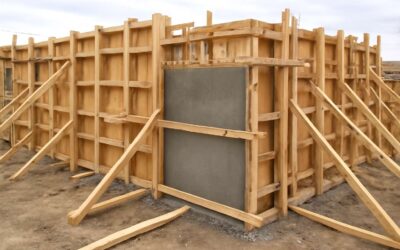
Among the most common types are traditional timber formwork, known for its flexibility and cost-effectiveness, and steel formwork, prized for durability and precise finishes. For complex architectural designs, specialised systems like stay-in-place or modular formwork are often employed, allowing architects and engineers to push creative boundaries while maintaining structural integrity.
- Reusable aluminium formwork, which offers quick assembly and disassembly
- Slip-form systems, ideal for continuous pours such as bridges or tunnels
- Panelised formwork, enabling rapid construction of large surfaces with consistent quality
The versatility of these formwork types underscores a crucial aspect: understanding what does formwork mean is essential for delivering resilient, aesthetically pleasing structures that stand the test of time.
Materials Used in Formwork – Common materials like timber, steel, aluminum, and plastic
Ever wondered what does formwork mean in the grand symphony of construction? It’s the secret scaffolding of the building world, acting as the mould that shapes concrete into its destined form. Think of it as the backstage crew that ensures the spotlight stays on the star—your structure—without a hitch. The materials used in formwork are as diverse as the projects they serve, each bringing its own flavour of strength, flexibility, and cost-effectiveness.
Common materials like timber, steel, aluminium, and plastic dominate the scene. Timber, the nostalgic choice, offers natural flexibility but tends to wear out after a few shows. Steel, on the other hand, provides unmatched durability and a sleek finish—perfect for projects demanding precision. Aluminium formwork is the lightweight champion, enabling rapid assembly and disassembly, which is a boon for tight schedules. Plastic, increasingly popular, is celebrated for its resistance to the elements and ease of reuse.
- Timber – flexible and cost-effective
- Steel – durable with a high-quality finish
- Aluminium – lightweight with quick setup
- Plastic – resistant to weather and reusable
Understanding what does formwork mean extends beyond just knowing materials; it’s about recognising how these components work together to create resilient, visually stunning structures that last decades. Whether it’s a modest wall or an architectural marvel, choosing the right formwork material is the first step to building brilliance.
Historical Evolution of Formwork – Brief overview of how formwork has developed over time
Throughout history, the concept of formwork has evolved from humble beginnings into a sophisticated art that underpins modern construction. In ancient times, rudimentary wooden frameworks were fashioned by hand, serving as primitive moulds for pouring concrete or shaping bricks. These early methods, often crafted by artisans and labourers, laid the groundwork for what does formwork mean — a vital element that transforms raw materials into enduring structures.
As civilisation advanced, so did the complexity of formwork systems. The Industrial Revolution heralded the advent of steel and aluminium, materials that revolutionised speed, precision, and reusability. This shift not only enhanced safety and efficiency but also expanded possibilities for architectural grandeur. Today, the development of modular and specialised formwork systems reflects a rich tapestry of engineering ingenuity, where each project demands a tailored approach.
In essence, understanding what does formwork mean involves recognising its long-standing journey from simple scaffolds to intricate frameworks that shape the skyline. Its evolution mirrors the relentless pursuit of innovation in construction—each era building upon the last to craft structures that stand resilient through centuries. Whether ancient or modern, formwork remains the silent architect behind every breathtaking edifice.
Functions and Importance of Formwork
Structural Support and Shaping – How formwork shapes concrete and provides support during curing
At the heart of every resilient structure lies an often-overlooked hero: formwork. Its function extends beyond mere containment; it is a vital component that shapes the very soul of concrete. When we ask, what does formwork mean, we uncover a system that provides both the mould and the support necessary for concrete to achieve its final form. This dual role is crucial during the curing process, ensuring the material retains its shape as it gains strength and durability.
Formwork acts as a temporary yet unwavering guardian, supporting the weight of wet concrete and preventing deformation. Its importance cannot be overstated—without it, architectural finesse and structural integrity would be impossible to realise. During the curing stage, formwork maintains the precise contours of a project, allowing concrete to set uniformly and achieve optimal strength. This intricate dance of support and shaping underscores the profound significance of formwork in construction projects.
Ensuring Safety and Precision – Role of formwork in maintaining safety standards and architectural accuracy
In the grand theatre of construction, formwork plays a pivotal role in ensuring safety and architectural precision. Its primary function is to act as a mould, shaping concrete to exact specifications while supporting it during the crucial curing phase. Without reliable formwork, even the most talented architect’s vision risks collapse—literally and figuratively.
Safety standards hinge on the integrity of formwork systems; they must support immense weight without buckling or shifting. A well-designed formwork safeguards workers from potential accidents and guarantees that the finished structure aligns flawlessly with the blueprint’s intent. Moreover, the role of formwork in maintaining architectural accuracy cannot be overstated. It ensures that every curve, angle, and surface adheres to specifications, thereby preventing costly rework or structural flaws down the line.
To appreciate the importance, consider that a single misaligned section can compromise an entire project. That’s why meticulous attention to formwork quality and installation is essential. When asking, what does formwork mean, it’s clear that it’s not merely a temporary support but a cornerstone of safety and precision in construction. Its influence extends beyond the physical—shaping the integrity and aesthetic harmony of modern architecture.
Time and Cost Efficiency – Impact of quality formwork on project timelines and expenses
In construction, time is often the enemy of progress and budget. The impact of quality formwork on project timelines and expenses cannot be overstated. When formwork systems are well-designed and properly installed, they facilitate swift concrete pouring and curing processes, reducing delays and labour costs. Conversely, subpar formwork can cause setbacks, forcing rework or adjustments that inflate the budget and extend deadlines.
Efficient formwork accelerates construction phases, enabling projects to move forward without unnecessary interruptions. This efficiency is crucial in competitive markets where delays can mean missed opportunities or increased costs. The choice of durable, adaptable formwork materials can make all the difference—cutting down on the number of reuse cycles and maintenance required. Ultimately, understanding what does formwork mean extends beyond its physical structure; it is a vital component in controlling costs and maintaining schedule integrity in modern building projects.
Reusability and Sustainability – Environmental benefits of using reusable formwork materials
In the shadowed corridors of modern construction, the question of what does formwork mean extends beyond mere structural necessity. It embodies a silent guardian of sustainability, a bridge between fleeting construction phases and a legacy of environmental responsibility. Reusable formwork materials, such as aluminium and advanced plastics, are transforming the industry’s approach to ecological stewardship.
By harnessing the power of reusability, construction projects can significantly reduce waste and conserve natural resources. The environmental benefits of such materials are profound—they diminish the demand for fresh raw materials, lower carbon footprints, and promote circular economies within the building sector.
- Cost-effective reusability
- Enhanced durability
- Reduced waste streams
These qualities ensure that formwork’s role is not only about shaping concrete but also about shaping a sustainable future, one mould at a time.
Design and Engineering of Formwork
Design Considerations – Factors influencing formwork design such as load, shape, and complexity
Understanding what does formwork mean extends beyond simple definitions; it reveals a complex dance between engineering precision and creative problem-solving. At the heart of this dance lies the intricate process of formwork design and engineering, where every factor influences the final structure.
Design considerations such as load-bearing capacity, shape complexity, and structural stability are paramount. Heavy loads demand robust materials and innovative support systems, while unconventional shapes require flexible yet secure formwork solutions. The complexity of a project can significantly impact the choice of formwork system, pushing engineers to adapt traditional methods or develop bespoke solutions.
Factors like these underscore the importance of tailored design strategies that balance safety, efficiency, and cost. When questioning what does formwork mean, one must recognise it as a vital element that shapes not just concrete but the entire building process—an unseen yet essential force in construction’s grand narrative.
Engineering Principles – Structural calculations and safety factors involved in formwork planning
Understanding what does formwork mean is akin to deciphering the silent orchestra behind every majestic structure. At its core, formwork embodies the moulding force that shapes concrete’s destiny, guiding its transformation from liquid slurry to solid monument. But beyond the surface lies a realm of meticulous engineering principles, where structural calculations and safety factors form the backbone of every successful project.
Engineers meticulously analyse load capacities and stress distributions—each calculation ensuring the formwork can withstand the weight of wet concrete and the rigours of construction. Safety factors are woven into the design, creating a buffer that prevents catastrophic failure and guarantees stability. This process involves an intricate balance:
- Assessing load-bearing thresholds
- Calculating support reinforcements
- Designing for unforeseen stresses
In essence, the engineering of formwork is a dance of precision and foresight, where every measurement and material choice contributes to the harmony of the finished structure. When questioning what does formwork mean, one must appreciate it as an unseen hero—an essential framework that ensures safety, accuracy, and durability in the grand ballet of construction.
Modular and Custom Systems – Advantages of modular formwork systems and custom solutions
When it comes to building colossal structures, understanding what does formwork mean can feel like unraveling the secret choreography behind every concrete masterpiece. Enter modular and custom systems—these are the unsung heroes that elevate efficiency and flexibility on any construction site. Modular formwork systems, in particular, offer a symphony of advantages: quick assembly, easy reusability, and seamless adaptation to varying project demands. Their standardised panels and support frameworks can be swiftly configured, saving both time and labour costs. Meanwhile, bespoke solutions cater to complex architectural shapes or unique site conditions, ensuring precision where off-the-shelf options fall short. This tailored approach often involves intricate engineering calculations and innovative design considerations, harmonising safety, durability, and aesthetic appeal. Whether opting for modular or custom formwork systems, the goal remains the same—to optimise workflow while maintaining the highest standards of structural integrity. Truly, knowing what does formwork mean reveals a fascinating blend of engineering ingenuity and logistical finesse—an essential component for turning blueprints into reality.
Installation and Removal of Formwork
Preparation and Setup – Steps involved in setting up formwork securely
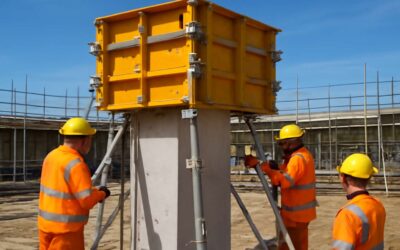
Understanding the installation and removal of formwork is fundamental to grasping what does formwork mean in the context of construction. The process begins with meticulous preparation—ensuring that all materials are on site and that the ground or structure is level and stable. Proper setup not only guarantees safety but also influences the precision of the final concrete structure. Once the formwork is in place, it must be securely anchored to withstand the pressure exerted by wet concrete during curing.
During installation, attention to detail is crucial. The formwork system should be aligned perfectly to shape the concrete as designed. Typically, this involves a series of steps, including:
- Positioning the panels or moulds according to the blueprint
- Securing the formwork with ties, clamps, or braces
- Inspecting for levelness and stability before pouring concrete
Removal, or stripping, must be approached with equal care. The formwork is cautiously dismantled once the concrete has gained sufficient strength. This process is often sequential, starting from the bottom and working upwards, to prevent damage to the newly cast element. Ensuring that the formwork is removed without compromising the integrity of the structure is a delicate dance—one that demands both patience and precision.
Curing and Stability – Monitoring concrete curing process within formwork
Understanding the intricacies of formwork installation and removal reveals the true essence of what does formwork mean in construction. During installation, meticulous attention ensures that the formwork system maintains perfect alignment, shaping the concrete into its destined form. The process involves carefully positioning panels or moulds according to precise blueprints, then securing them with ties, clamps, or braces. This stage demands patience, as even minor misalignments can compromise structural integrity and aesthetic appeal.
Once the concrete has sufficiently cured—often monitored through progressive strength tests—the removal process begins. Stripping formwork is a delicate dance, starting from the bottom and progressing upward to prevent damage. Properly timed removal not only preserves the integrity of the newly cast element but also maximises reusability, contributing to sustainable construction practices. Vigilant monitoring during curing ensures that the concrete attains optimal stability, supporting the longevity and resilience of the structure.
Removal Procedures – Safe and efficient methods for removing formwork without damaging structure
Understanding the process of formwork removal is crucial in realising what does formwork mean in construction. Once the concrete has reached the desired strength, the delicate task of stripping the formwork begins. This phase must be executed with precision to avoid damaging the newly cast structure. Safe removal methods involve gradually detaching formwork from the bottom upwards, ensuring that the concrete maintains its integrity and shape.
Efficiency and safety are paramount. Proper timing, based on concrete curing progress, prevents structural compromise and reduces waste. Employing gentle techniques—such as using specialised tools or applying controlled force—further minimises risk. In some cases, employing a sequence of removal steps can make all the difference, especially for large or complex structures.
For optimal results, many projects utilise modular or custom formwork systems designed for seamless disassembly. These systems facilitate reusability and sustainability while maintaining strict adherence to safety standards. The art of formwork removal is as much about respecting the materials as it is about understanding the engineering behind the entire process.
Common Challenges – Troubleshooting typical issues during formwork installation and removal
In the shadowed corridors of construction, understanding what does formwork mean is essential for grasping the alchemy behind concrete’s metamorphosis. The installation and removal of formwork are delicate acts, akin to a ritual that demands precision and patience. Often, unforeseen challenges lurk in the process—misaligned panels, premature removal risking structural compromise, or material fatigue—each threatening the integrity of the emerging edifice.
Common issues during formwork installation include uneven support, inadequate bracing, or miscalculations in load distribution. When removing formwork, problems such as surface defects, cracking, or even partial collapse can arise if the process is hurried or mishandled. Troubleshooting these challenges requires a keen eye and a meticulous approach, like a master craftsman tending to a fragile sculpture.
To navigate these pitfalls, many projects employ a sequence of removal steps, guided by the concrete’s curing state. Employing specialised tools and controlled force ensures safety and structural stability. The art of removing formwork is as much about respecting the materials as it is about understanding the complex engineering principles that underpin the entire process.
Industry Applications and Examples
Residential Construction – Use of formwork in building homes and apartments
In the realm of residential construction, formwork is the silent architect behind every sturdy wall and smooth concrete surface. It serves as the mould that shapes the raw material into homes, apartments, and living spaces—transforming mere materials into structures that endure generations. When considering what does formwork mean, it’s essential to understand its role as both a support system and a creative tool for shaping architectural visions.
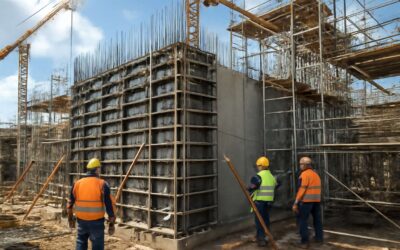
Use of formwork in residential building projects isn’t just about functionality; it’s about precision and safety. The process involves carefully designed systems that support concrete until it reaches its full strength. For example, in apartment complexes, modular formwork systems enable rapid, repeatable workflows, reducing costs and time. These systems facilitate complex designs, allowing architects to push creative boundaries while maintaining structural integrity.
Ultimately, formwork is the canvas upon which concrete is moulded, ensuring that every angle, curve, and line aligns with the architect’s intent. Its application in residential construction exemplifies how a well-designed formwork system can make the difference between a fragile structure and a lasting landmark.
Commercial Projects – Application in office buildings, malls, and industrial facilities
Formwork’s influence extends far beyond the realm of residential buildings; it is an indispensable component in the development of commercial projects that define city skylines and industrial landscapes. In office complexes, malls, and sprawling industrial facilities, formwork systems enable precise, large-scale concrete structures that demand impeccable accuracy and durability. The ability to craft complex geometries and expansive spans truly showcases the versatility of modern formwork applications.
For instance, in high-rise office buildings, modular formwork allows for rapid turnover and consistent quality, significantly reducing construction timelines. Similarly, in shopping malls, custom formwork solutions facilitate innovative architectural features—arched facades or curved ceilings—that elevate aesthetic appeal. Industrial facilities often require heavy-duty formwork capable of supporting substantial loads during the curing process, ensuring safety and structural integrity.
- Design flexibility for architectural innovation
- Enhanced safety through engineered support
- Efficiency gains in large-scale projects
Understanding what does formwork mean in these contexts reveals its vital role in transforming ambitious visions into tangible structures. It is not merely a temporary mould but a critical engineering element that underpins the very essence of modern construction excellence.
Infrastructure Projects – Role in bridges, tunnels, and other large-scale infrastructure
When it comes to the backbone of large-scale infrastructure projects, understanding what does formwork mean reveals a fascinating world of engineering ingenuity. Bridges, tunnels, and sprawling transport hubs wouldn’t be possible without this essential component. Formwork systems serve as the temporary moulds that shape, support, and contain concrete as it cures into durable, load-bearing structures. Their role extends beyond mere support—these systems are instrumental in achieving complex geometries and ensuring the safety of colossal constructions.
In infrastructure projects, formwork’s versatility truly shines. For instance, in bridge construction, innovative formwork techniques facilitate curved and inclined spans with remarkable precision. Similarly, tunnel builders rely on heavy-duty formwork capable of supporting significant loads, maintaining stability during the arduous process of excavation and lining. To streamline these operations, construction teams often employ
- modular systems for quick assembly,
- customised solutions for intricate shapes,
- and reusable materials to minimise waste.
Such adaptability underscores the importance of understanding what does formwork mean in the context of modern infrastructure development.
By providing both form and support, formwork empowers engineers to push the boundaries of what’s possible in civil engineering. It’s a silent hero, diligently shaping our cities’ arteries and ensuring that the grand visions of architects and engineers materialise with unwavering safety and precision. Truly, in the realm of large-scale infrastructure, formwork isn’t just a temporary mould—it’s the foundation of progress itself.
Innovative Uses – Emerging trends like prefabricated formwork and eco-friendly solutions
Innovative applications of formwork are revolutionising the construction industry, driven by a pursuit of efficiency, sustainability, and architectural ingenuity. Emerging trends such as prefabricated formwork systems allow for rapid assembly and disassembly, reducing project timelines and labour costs. These modular solutions can be customised to accommodate complex geometries, enabling architects to push creative boundaries with confidence. Additionally, eco-friendly formwork options—made from recycled plastics or biodegradable materials—are gaining traction, reflecting a broader shift towards sustainable construction practices.
As technology advances, so do the possibilities for environmentally conscious formwork solutions. For instance, some companies now utilise reusable aluminium panels that can withstand multiple cycles of use, significantly cutting down on waste. The integration of digital design tools ensures precise fabrication, further minimising material wastage and enhancing safety. Such innovations demonstrate how the question of what does formwork mean extends beyond its traditional role, embodying a forward-thinking approach that marries structural integrity with ecological responsibility.
Choosing the Right Formwork System
Factors to Consider – Project size, complexity, and budget considerations
Choosing the right formwork system isn’t a one-size-fits-all affair—unless you’re aiming for chaos and a few broken nails. The key factors hinge on project size, complexity, and budget considerations. Large-scale infrastructure projects demand robust, reusable formwork materials that can withstand the rigours of repeated use, making sustainability a worthwhile investment. Conversely, smaller residential builds might lean towards lightweight timber or plastic systems, which are easier to manipulate but less durable.
Complex architectural designs, with their intricate curves and unconventional shapes, require specialised formwork solutions that ensure precision. Budget constraints often dictate whether you opt for modular or custom systems—each offering a different balance of flexibility and expense. When pondering what does formwork mean, understanding these variables is essential. They directly influence the project’s timeline, safety, and overall success—after all, a poorly chosen formwork system can turn a smooth build into a logistical nightmare.
Cost Comparison – Evaluating different formwork options for cost-effectiveness
In the labyrinthine dance of construction, where every element must harmonise with precision, understanding what does formwork mean becomes paramount. One of the most critical facets of this symphony is evaluating the cost-effectiveness of different formwork options. As the foundation of shaping concrete into architectural marvels, formwork’s financial footprint can vary dramatically depending on materials, design complexity, and reuse potential.
To navigate this fiscal landscape, a comparative assessment is essential. Reusable steel or aluminium formwork may command a higher initial investment but often delivers long-term savings through multiple uses. Conversely, lightweight timber or plastic systems, while easier to manipulate and faster to deploy, might lead to increased costs over time due to their limited durability.
- Assess project scope and scale
- Match formwork materials to design complexity
- Weigh upfront costs against lifecycle benefits
By meticulously balancing these variables, construction teams can ensure their investment in formwork translates into efficiency, safety, and architectural integrity, illustrating that truly understanding what does formwork mean extends beyond mere definition—it’s about mastering the art of cost-conscious craftsmanship.
Vendor Selection Tips – How to select reliable suppliers and manufacturers
Choosing a reliable formwork system vendor is a crucial step in transforming a construction vision into reality. With the vast array of suppliers and manufacturers available, how does one discern the truly dependable from the merely adequate? First, it’s vital to assess the vendor’s reputation within the industry—look for those with a history of consistent quality and adherence to safety standards.
Evaluate their portfolio of projects to gauge experience with various formwork types and materials. An excellent vendor should also offer comprehensive support, from design consultation to timely delivery and after-sales service. Don’t underestimate the value of transparency—clear communication about costs, timelines, and warranties can make all the difference.
Ultimately, selecting a supplier who aligns with your project’s scope and sustainability goals ensures that the question of what does formwork mean is answered with confidence. The right vendor becomes a partner in craftsmanship, elevating the entire construction process from mere assembly to an art form.
Future Trends in Formwork Technology
Automation and Robotics – Integration of robotics in formwork installation
As technology advances at an unprecedented pace, the future of formwork technology is poised for a radical transformation through automation and robotics. The question of what does formwork mean extends beyond its traditional role; it is becoming an arena where intelligent systems are revolutionising construction site efficiency. Imagine robotic arms precisely installing formwork panels, reducing human error and accelerating project timelines.
Integration of robotics offers remarkable potential, enabling tasks such as alignment, securing, and even removal of formwork to be performed with minimal human intervention. This not only enhances safety standards but also ensures unparalleled accuracy in shaping concrete structures. Some visionary companies are already experimenting with autonomous systems that adapt to complex architectural designs in real time, promising a future where formwork installation is faster, safer, and more sustainable.
- Increased precision in formwork placement
- Reduction in labour costs and safety risks
- Enhanced adaptability for complex structures
Smart Formwork Systems – Use of sensors and IoT for monitoring and control
In the shadowed corridors of modern construction, the concept of what does formwork mean is undergoing a spectral transformation. The future whispers promises of smart formwork systems that harness the silent power of sensors and the interconnected web of the Internet of Things (IoT). These innovations promise not only to monitor the delicate dance of concrete curing but also to manipulate the environment with uncanny precision. Imagine a construction site where formwork adapts in real-time, responding to structural stresses and environmental variables with an almost sentient awareness.
Such intelligent formwork systems elevate the craft to a new echelon of efficiency and safety. Embedded sensors track everything from load distribution to temperature fluctuations, feeding data into central control units that orchestrate adjustments seamlessly. This symphony of technology reduces waste, accelerates timelines, and ensures the integrity of the final structure. As these systems evolve, the line separating man and machine blurs, creating a landscape where reusability and sustainability are woven into the very fabric of formwork design.
Embracing these advancements, construction professionals are beginning to see how the question of what does formwork mean extends beyond mere moulds and supports—it’s about forging a future where architecture and innovation walk hand in hand, cloaked in the shadows of progress and possibility.
Sustainable Innovations – Development of biodegradable or recyclable materials
In the realm of modern construction, the question of what does formwork mean transcends mere definition, venturing into a territory where innovation and sustainability converge. As the industry surges forward, the embrace of sustainable innovations is proving transformative. Developers are now experimenting with biodegradable and recyclable materials, revolutionising traditional practices and reducing environmental footprints. These eco-conscious alternatives not only support the structural integrity of projects but also align with global efforts to foster greener building practices.
Emerging trends suggest that future formwork systems will be characterised by their eco-friendly composition, enabling construction sites to minimise waste and optimise resource efficiency. For instance, biodegradable formwork panels made from natural fibres or recycled plastics are steadily gaining traction. Furthermore, the development of modular, easily recyclable materials ensures that formwork remains reusable and sustainable over multiple projects, bolstering economic and ecological benefits simultaneously.
- Adoption of innovative materials that decompose safely without polluting
- Implementation of advanced recycling techniques to reclaim and reuse formwork components
- Integration of smart manufacturing processes to produce custom, eco-friendly solutions
As the industry continues to evolve, these sustainable innovations will become foundational, shaping a future where formwork is not just a temporary mould but a testament to environmentally responsible construction. The dialogue around what does formwork mean now encompasses a vision of harmony between architectural ambition and ecological stewardship, promising a greener skyline for generations to come.

0 Comments